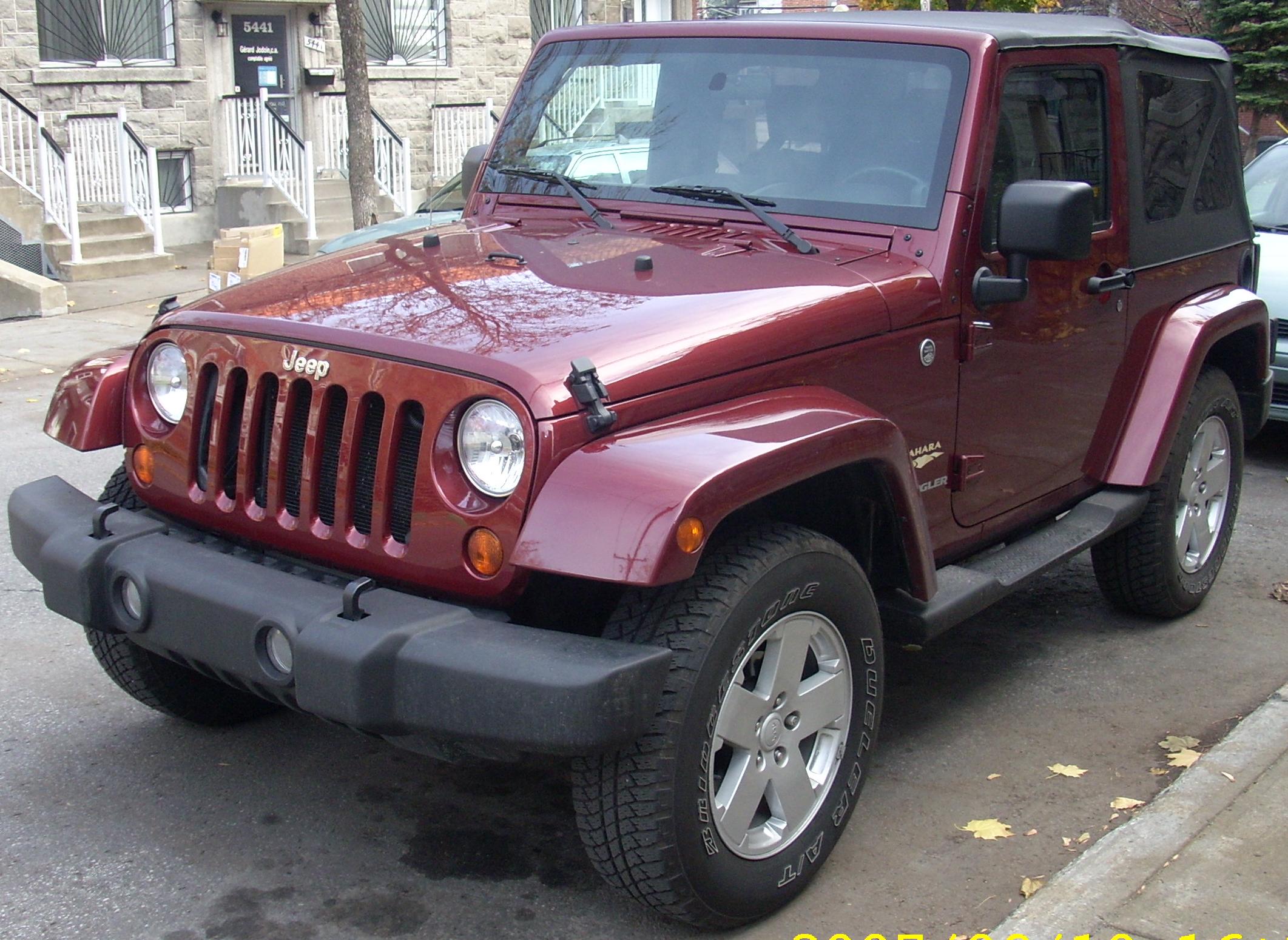
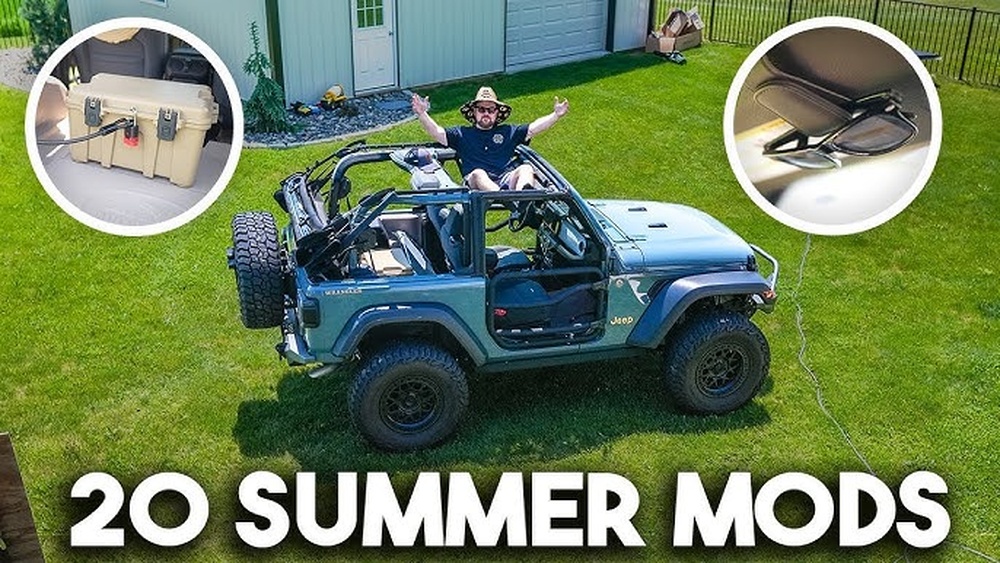
The 2003 Jeep Wrangler is a classic off-road SUV that attracts adventure lovers and practical drivers alike. One question often comes up for owners, buyers, and enthusiasts: *How much does a 2003 Jeep Wrangler weigh?
* Understanding the weight is important for many reasons. It affects towing, fuel economy, and even the cost to register or ship the vehicle.
Let’s break down the numbers, look at the details, and clear up some common confusion about Wrangler weights.
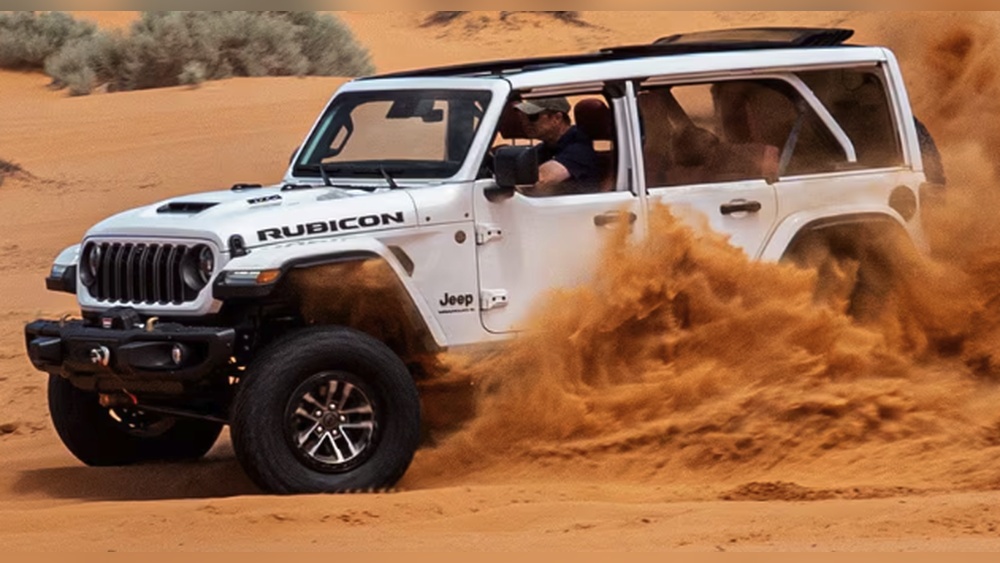
Curb Weight Of The 2003 Jeep Wrangler
The curb weight is the total weight of the Jeep with all standard equipment, fluids, and a full tank of fuel, but without passengers or extra cargo. For the 2003 Jeep Wrangler, the curb weight varies depending on the trim and configuration.
- Wrangler X and SE (2-door, soft top): About 3,241 lbs
- Wrangler Sport (2-door, hard top): Around 3,348 lbs
- Wrangler Sahara (2-door, hard top): Close to 3,417 lbs
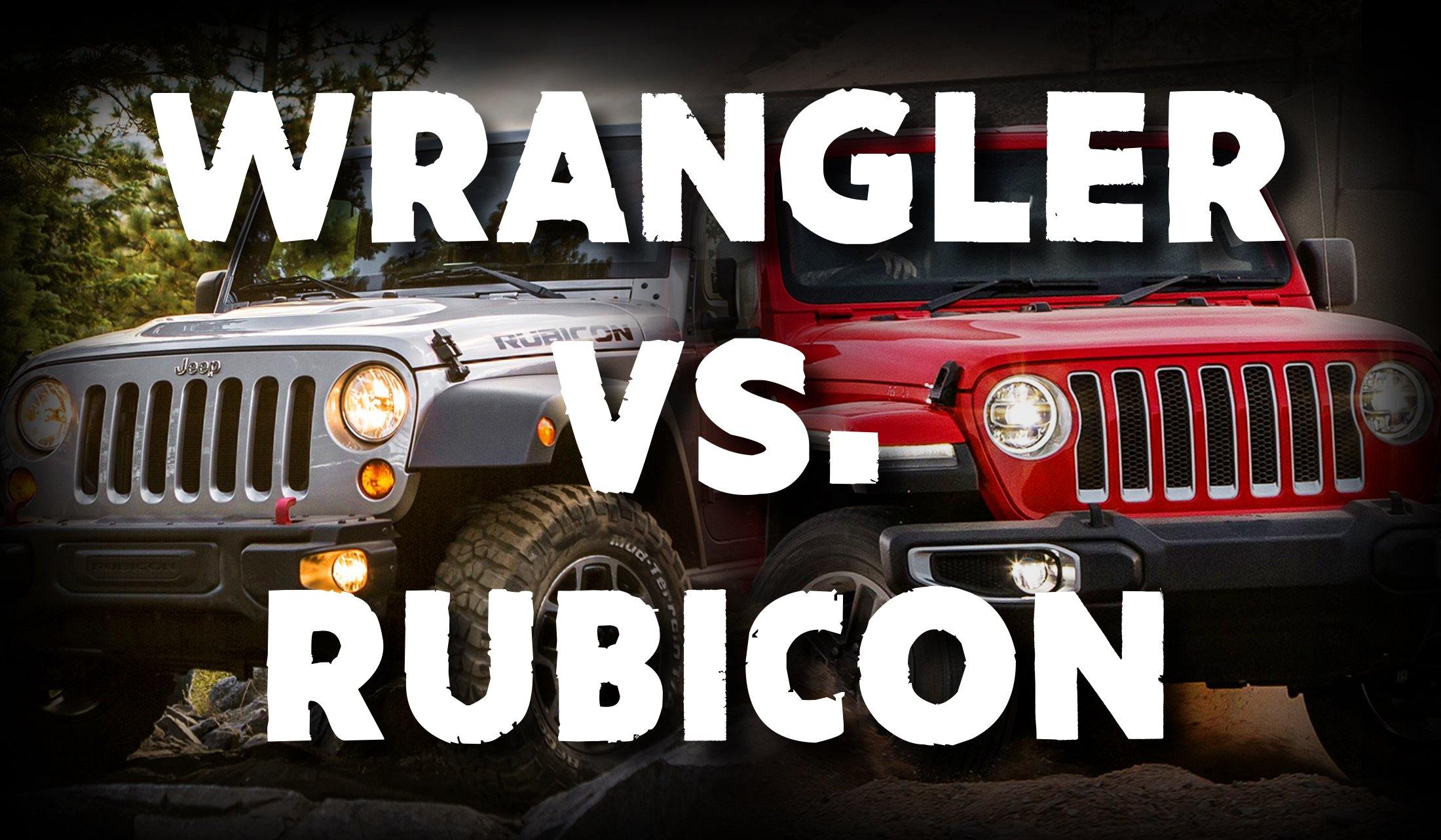
- Wrangler Rubicon (2-door, hard top): Approximately 3,594 lbs
These numbers come from the official manufacturer’s data and real-world vehicle testing. The Rubicon is the heaviest due to extra off-road hardware like locking differentials and heavy-duty axles.
Why Weight Matters For A Jeep Wrangler
Jeep owners often ask about weight for practical reasons:
- Towing: The Wrangler’s towing capacity depends on its weight. More weight means less you can safely tow.
- Fuel Economy: Heavier vehicles burn more fuel. The Wrangler is not known for great MPG, and weight is part of the reason.
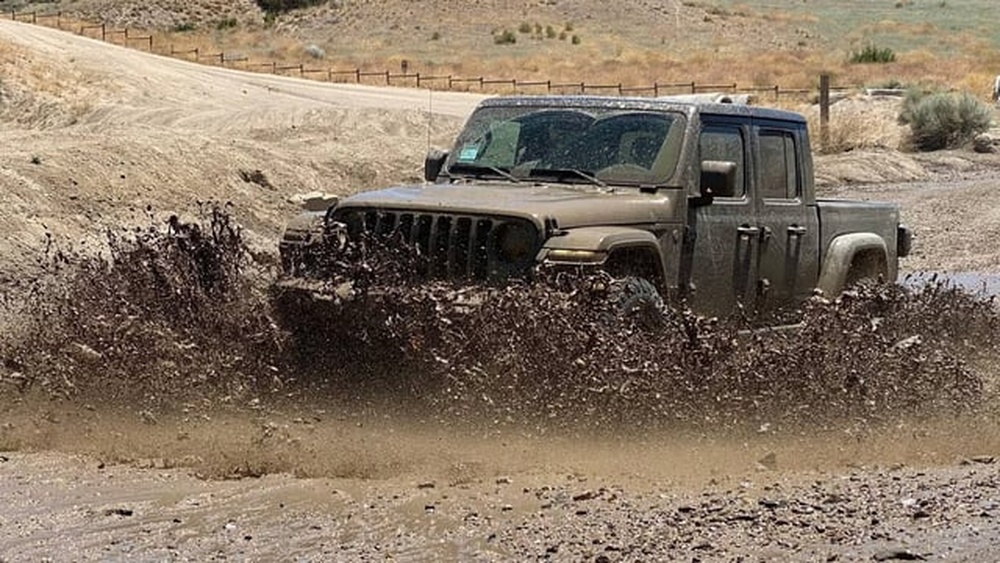
- Off-Road Performance: A lighter Wrangler is more nimble, but heavier models like the Rubicon handle tough trails better due to added features.
- Shipping and Registration: Shipping companies and some states charge by vehicle weight.
Many people mix up terms related to vehicle weight. Here are the most important ones for the 2003 Jeep Wrangler:
- Curb Weight: The basic weight of the Jeep, as explained above.
- Gross Vehicle Weight Rating (GVWR): The maximum safe weight, including passengers and cargo.
- Payload: The weight you can add (people and gear) without passing the GVWR.
Understanding these helps you stay within safe limits and avoid damage or legal issues.
Comparing Trims And Weights
The 2003 Wrangler came in several trims, and each has a slightly different weight. Here’s a comparison for quick reference:
| Trim | Top Type | Curb Weight (lbs) | GVWR (lbs) |
|---|---|---|---|
| SE | Soft | 3,241 | 4,150 |
| X | Soft | 3,241 | 4,150 |
| Sport | Hard | 3,348 | 4,450 |
| Sahara | Hard | 3,417 | 4,450 |
| Rubicon | Hard | 3,594 | 4,450 |
Tip: The difference between soft and hard top models is about 50-70 lbs.
What Factors Change The Wrangler’s Weight?
The base weight can change depending on a few factors:
- Aftermarket parts: Adding steel bumpers, winches, or roof racks increases weight.
- Wheels and tires: Larger tires and heavy rims add pounds.
- Top and doors: Hard tops and full steel doors weigh more than soft tops and half doors.
- Engine and transmission: The 4.0L six-cylinder engine is heavier than the 2.4L four-cylinder.
A stock Wrangler will almost always be lighter than one loaded with off-road gear.
Payload And Towing Basics
Knowing the Wrangler’s payload and towing capacity is useful if you plan to carry gear or pull a trailer.
| Trim | Payload (lbs) | Max Towing (lbs) |
|---|---|---|
| SE/X | ~909 | 1,000 |
| Sport/Sahara | ~1,000 | 2,000 |
| Rubicon | ~856 | 2,000 |
Note: Towing more than the rated limit can damage your Jeep’s transmission and brakes.
Real-world Examples
Let’s see how weight matters in daily use:
- Road trip: A Wrangler Sahara with two adults (300 lbs), camping gear (200 lbs), and a dog (50 lbs) totals about 3,967 lbs—well below the GVWR, but close to payload limit.
- Off-roading: A Rubicon with a winch (+90 lbs), aftermarket bumpers (+120 lbs), and camping gear quickly adds up, so always check total weight before hitting the trail.
Two Insights Most People Miss
- Accessory Weight Adds Up Fast: Many underestimate how quickly aftermarket parts (bumpers, winches, racks) can push a Wrangler over safe payload. Always count up *every* item added.
- Fuel and Fluids Matter: A full tank (19 gallons) adds about 120 lbs. This is part of curb weight, but if you’re close to limits, even a nearly empty tank can make a difference when loading extra gear.
Where To Find Official Weight Data
The best source for factory numbers is the Jeep owner’s manual or the certification sticker on the driver’s door. For more details, see J.D. Power.
Frequently Asked Questions
What Is The Difference Between Curb Weight And Gvwr For A 2003 Jeep Wrangler?
Curb weight is the Jeep with all fluids and a full tank, but empty of passengers and gear. GVWR is the maximum safe weight, including everything—passengers, gear, and even a trailer tongue load.
How Much Can A 2003 Jeep Wrangler Safely Tow?
Most trims can tow 2,000 lbs, except the base SE and X, which are rated for 1,000 lbs. Always check your owner’s manual before towing.
Does Adding A Hard Top Increase My Wrangler’s Weight?
Yes, a hard top adds about 50-70 lbs compared to a soft top. Full steel doors add even more.
Will Bigger Tires Make My Jeep Heavier?
Larger tires and heavy off-road wheels can add 20-40 lbs per wheel. This not only increases total weight, but can change handling and fuel economy.
Where Can I Check My Wrangler’s Actual Weight?
You can use a public truck scale, often found at truck stops or recycling centers. Drive onto the scale and get a printout for your exact weight.
The 2003 Jeep Wrangler is loved for its simple design and tough build. Knowing its weight helps you drive smarter, stay safe, and enjoy your adventures without worry. Always consider any changes you make to your Jeep, and remember: *weight matters both on and off the road*.