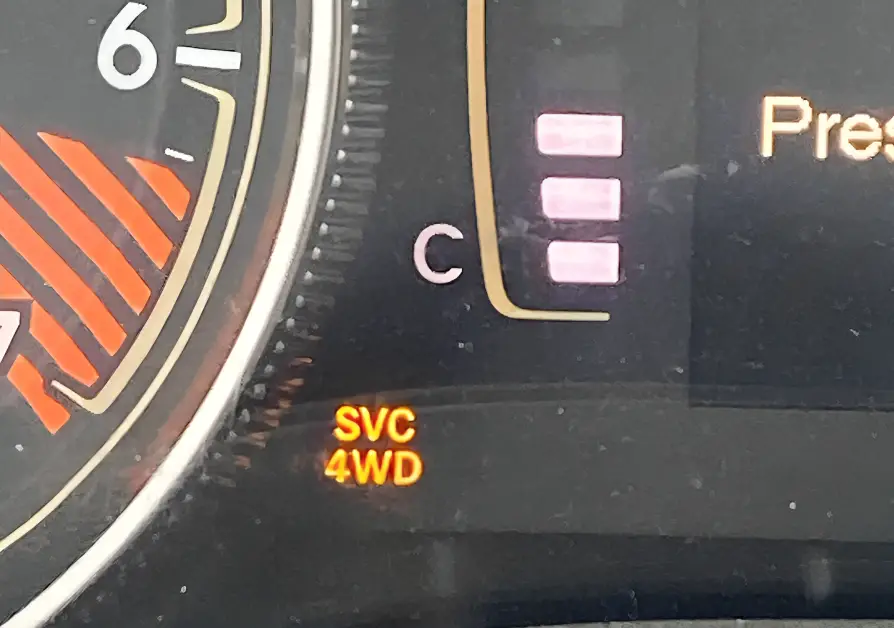
If your Jeep Wrangler’s transmission fluid is low, you might notice rough shifting, strange noises, or even warning lights. Topping up the fluid quickly can prevent expensive damage.
But many Jeep owners aren’t sure exactly where to add transmission fluid or what steps to follow.
This guide explains the process in clear, simple steps so you can keep your Wrangler running smoothly without a trip to the mechanic.
Understanding Your Jeep Wrangler’s Transmission
Jeep Wranglers come with both manual and automatic transmissions. The way you check and add fluid depends on which type you have. Most recent Wranglers (like the JK and JL models) use automatic transmissions, but older models often have manual gearboxes. Knowing your Wrangler’s model year and transmission type is key before starting.
Where To Add Transmission Fluid: Step-by-step
Adding transmission fluid is not difficult, but it must be done correctly. Here’s how to do it safely:
1. Locate The Transmission Dipstick (automatic Only)
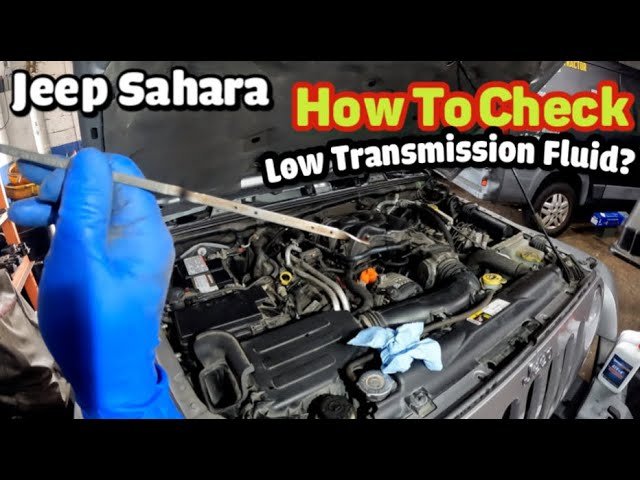
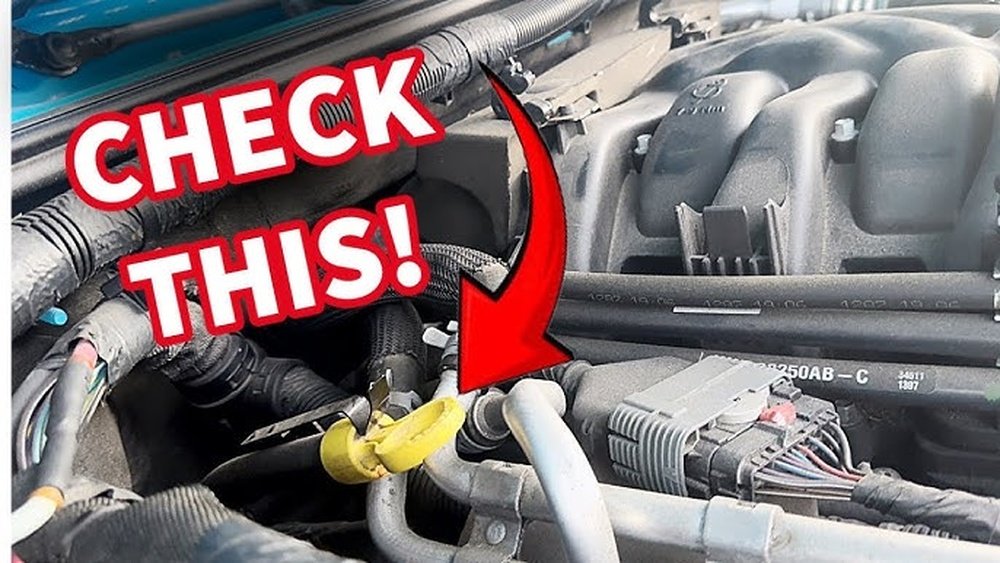
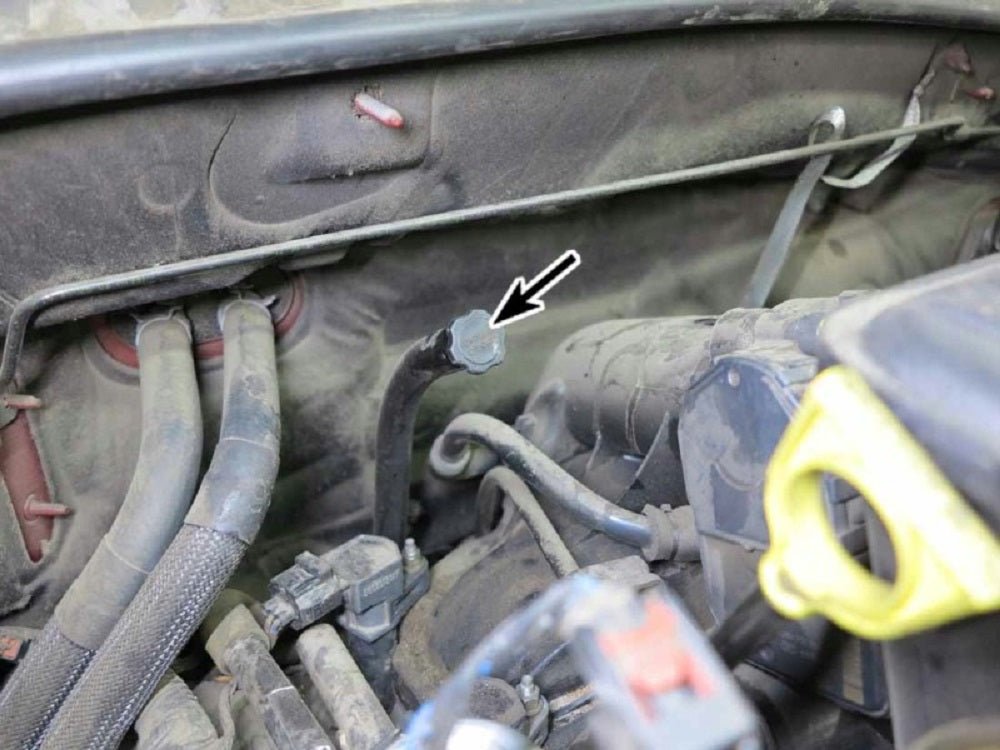
For automatic transmissions, fluid is added through the dipstick tube.
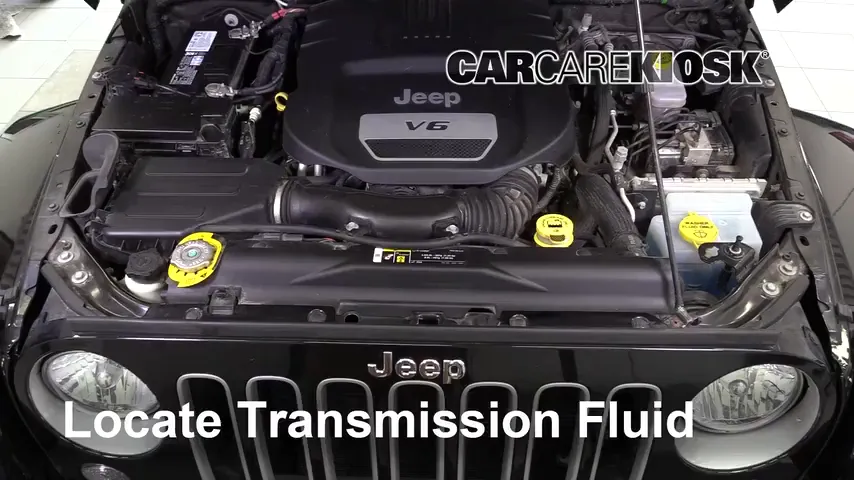
- Open the hood and look for a labeled dipstick—usually red or yellow, marked “ATF” or “Transmission.”
- The dipstick is usually near the rear of the engine, towards the firewall.
Note: Many newer Jeep Wranglers (especially 2018+ JL models) do not have a transmission dipstick. These “sealed” systems require filling from underneath the vehicle using a fill plug.
2. Fill Plug Location (manual & Sealed Automatics)
Manual transmissions and sealed automatics use a fill plug on the side of the transmission case.
- Raise your Jeep safely with ramps or a jack and jack stands.
- Locate the transmission pan under the vehicle.
- Find the fill plug (usually halfway up the transmission case on the passenger side).
3. Add The Correct Fluid
Always use Mopar-approved transmission fluid for your Wrangler’s year and model. Check your owner’s manual for the exact type.
- For automatics with a dipstick: Insert a funnel into the tube and slowly pour the fluid.
- For manuals or sealed automatics: Use a pump to add fluid through the fill plug until it begins to slightly seep out—this means the transmission is full.
4. Confirm The Level
- For automatics: Start the engine, let it warm up, and cycle through each gear. Recheck the dipstick with the engine running.
- For manuals: The fluid should be level with the bottom of the fill hole.
Quick Reference Table: Fluid Addition Points
| Model Year | Transmission Type | Add Fluid Location |
|---|---|---|
| 2007–2017 (JK) | Automatic | Dipstick tube (engine bay) |
| 2007–2017 (JK) | Manual | Fill plug (transmission case) |
| 2018–2024 (JL) | Automatic | Fill plug (under vehicle) |
| 2018–2024 (JL) | Manual | Fill plug (transmission case) |
Tools And Supplies You’ll Need
Before you begin, gather these items:
- Correct transmission fluid (check your manual)
- Funnel (for dipstick tube)
- Fluid pump (for fill plug)
- Wrench or socket set
- Rags for spills
- Gloves and safety glasses
Using the right tools makes the job much easier and reduces the risk of a messy spill.
Important Safety Tips
Working with your Jeep’s transmission can be messy and, if done wrong, potentially dangerous to your vehicle. Here are some practical tips:
- Never overfill—too much fluid can cause leaks and poor shifting.
- Use jack stands—never rely on a jack alone if you’re working under your Jeep.
- Double-check fluid type—using the wrong fluid can cause expensive damage.
- Always dispose of old fluid properly at a recycling center.
How Often To Check And Add Transmission Fluid
Most Jeep Wranglers need their transmission fluid checked every 30,000 to 60,000 miles. If you drive off-road or tow, check more often. Low fluid is often a sign of a leak—fix leaks before just topping up.
Common Mistakes To Avoid
Many Jeep owners make these errors:
- Adding fluid to the wrong location. Some mistake the engine oil cap for the transmission fluid port.
- Ignoring leaks. Topping off without fixing leaks wastes money and can cause bigger problems.
- Mixing fluid types. Different transmissions need specific fluids—never assume “ATF” means any brand.
Here’s a quick comparison of what happens if you use the wrong fluid:
| Right Fluid | Wrong Fluid |
|---|---|
| Smooth shifting, long transmission life | Slipping, overheating, transmission failure |
Signs You Need To Add Transmission Fluid
Watch for these symptoms:
- Delayed or hard shifting
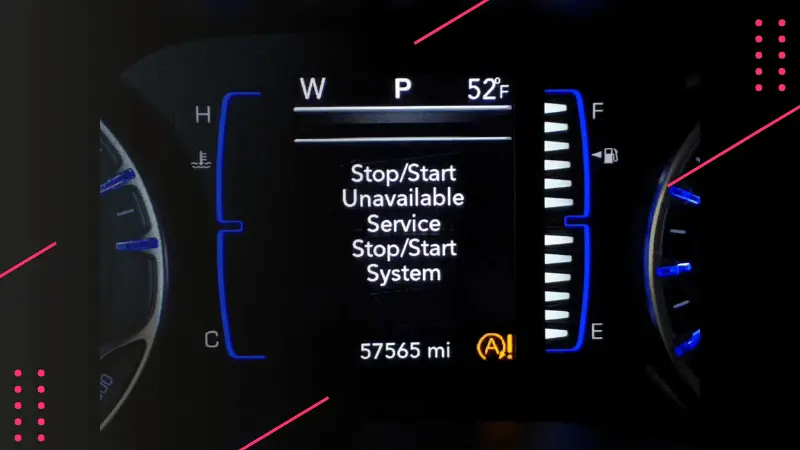
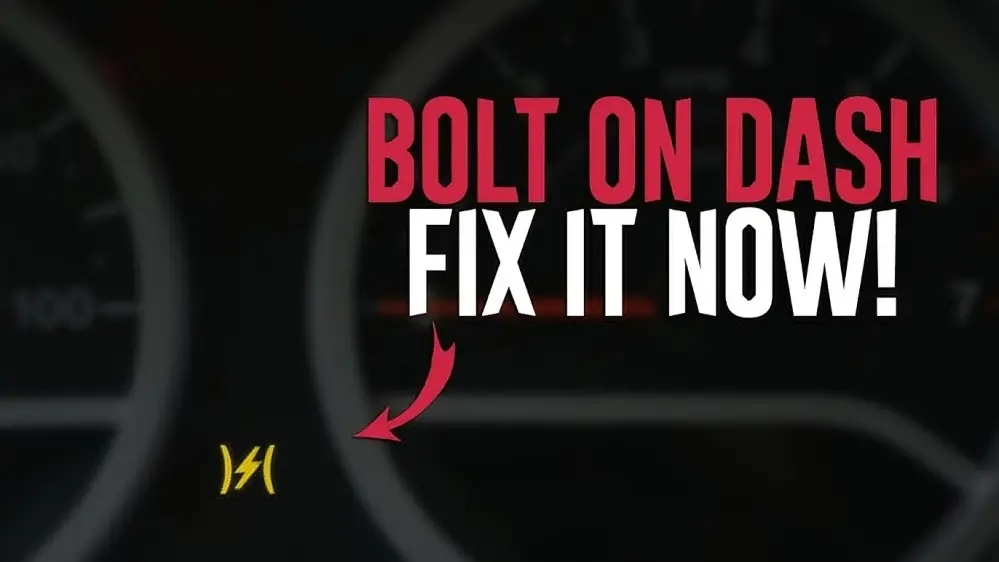
- Transmission warning light
- Burning smell
- Strange noises when shifting
If you notice any of these, check your fluid level as soon as possible.
Checking For Leaks
Transmission fluid is usually red or pink. If you see red puddles under your Jeep, you might have a leak. Inspect the transmission pan, lines, and cooler connections. Fix leaks before adding more fluid—adding fluid to a leaking system is only a short-term solution.
When To See A Professional
If you’re unsure about the process, or your Jeep doesn’t have a visible dipstick, it’s smart to ask a mechanic for help. Sealed transmissions need special tools and procedures. For more technical details, visit the official Jeep Maintenance Schedule.
Frequently Asked Questions
How Do I Know If My Jeep Wrangler Has A Sealed Transmission?
Most 2018 and newer Wranglers (JL models) have sealed transmissions. If you can’t find a transmission dipstick in the engine bay, yours is likely sealed and must be filled from underneath.
Can I Add Transmission Fluid Myself, Or Do I Need A Mechanic?
You can add fluid yourself if your Jeep has a dipstick or accessible fill plug and you feel comfortable. For sealed systems, a mechanic is often safer and easier.
What Type Of Transmission Fluid Does My Jeep Wrangler Use?
Fluid type depends on your model year and transmission. Always check your owner’s manual. Most use Mopar ATF+4 for automatics, but manuals can differ.
Is It Dangerous To Drive With Low Transmission Fluid?
Yes. Low fluid can cause slipping, overheating, and permanent damage. Always address low fluid as soon as possible.
How Much Transmission Fluid Does A Jeep Wrangler Need?
Most automatics need 4–8 quarts for a full change. For a simple top-off, you might only need half a quart to one quart. Never overfill—check the level carefully.
Keeping your Jeep Wrangler’s transmission fluid at the right level is one of the easiest ways to ensure long, reliable service. With the right information and tools, you can do it yourself and avoid costly repairs.