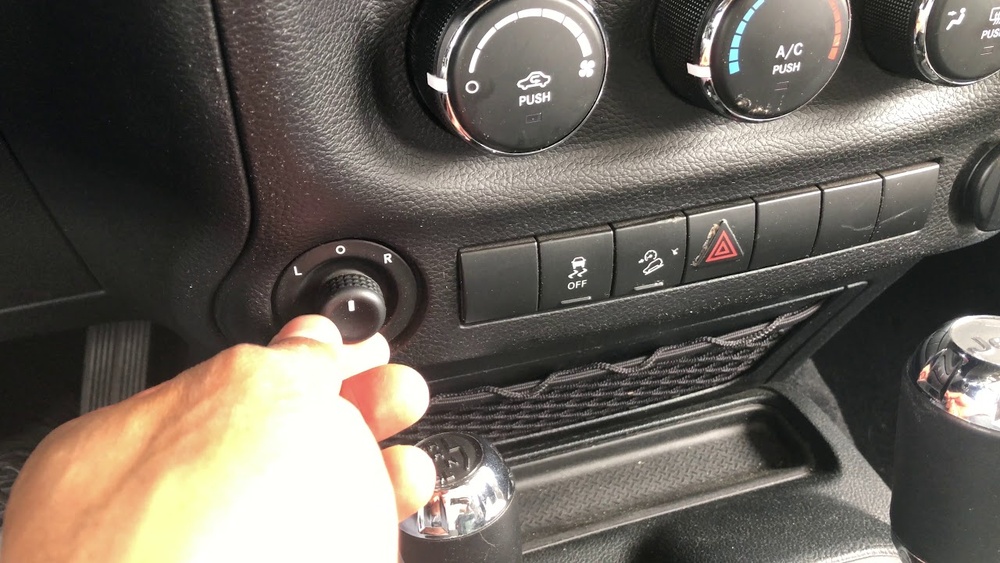
If you’ve noticed the tire pressure warning light glowing on your Jeep Patriot’s dashboard, you’re probably wondering how to turn it off. You might have searched for a TPMS reset button, hoping for a quick fix.
But here’s the thing: unlike many other vehicles, your Jeep Patriot doesn’t have a manual TPMS reset button you can press. So, what should you do when that light comes on? You’ll discover exactly where the TPMS reset button is—or why it might not exist in your Jeep Patriot—and learn the simple steps you can take to reset the tire pressure system.
Keep reading to get your Jeep back on the road safely and without that annoying warning light.
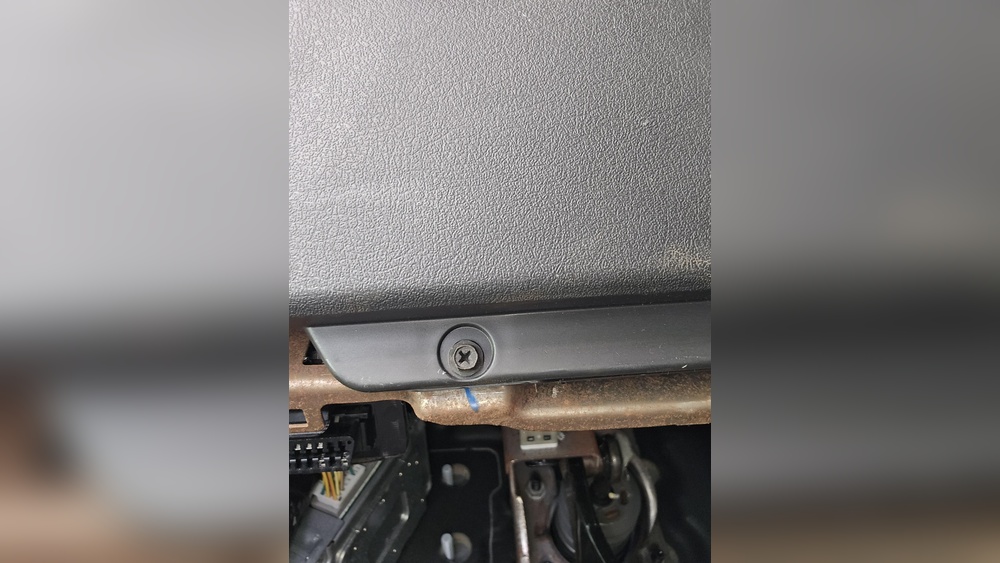
Tpms In Jeep Patriot
The Jeep Patriot comes with a Tire Pressure Monitoring System (TPMS) to enhance safety on the road. This system alerts drivers when tire pressure drops below the recommended level. Proper tire pressure improves fuel efficiency, tire life, and vehicle handling.
Understanding the TPMS in your Jeep Patriot helps maintain the system and keep your tires in good condition. The system uses sensors to monitor tire pressure and notify you of any issues promptly.
How Tpms Works
TPMS uses sensors inside each tire to measure air pressure. These sensors send data to the vehicle’s computer. If the pressure is too low, a warning light appears on the dashboard. This alert helps prevent tire damage and accidents caused by underinflated tires.
The system activates automatically when you start driving. It continuously checks tire pressure and updates the driver in real time. Some models use direct sensors, while others rely on the vehicle’s ABS system to estimate pressure changes.
Common Tpms Issues
TPMS in the Jeep Patriot can face common problems like sensor battery failure. Sensor batteries usually last several years but need replacement eventually. Faulty sensors may cause false warnings or no alerts at all.
Another issue is improper tire pressure after inflation. The system may not reset automatically if tires are not inflated to the correct level. It can also take some time for the TPMS light to turn off after correcting pressure.
Road conditions and tire damage may interfere with sensor signals. Drivers should check tires regularly and consult a mechanic if the TPMS light stays on. Understanding these issues helps keep the system reliable and your driving safe.
Finding the TPMS reset button in a Jeep Patriot can be confusing. This button lets you reset the tire pressure monitoring system after fixing tire pressure. Knowing where this button is helps you turn off the warning light quickly and safely.
Not all vehicles have a TPMS reset button. Some reset automatically after driving. Understanding where to check for this button helps keep your Jeep Patriot in good shape.
The Jeep Patriot does not have a dedicated TPMS reset button. Instead, the system resets automatically after you adjust tire pressures. This means you do not need to find or press any button in this model. The TPMS light should turn off after you drive a few miles with correct tire pressure.
In many vehicles, the TPMS reset button is under the steering wheel or inside the glove box. Sometimes it sits near the center console or dashboard. It usually looks like a small black button labeled “TPMS” or has a tire icon. Knowing these common spots helps in other cars that do have a reset button.
The Jeep Patriot does not have a dedicated TPMS reset button. This means resetting the tire pressure monitoring system requires a different approach. The system resets itself after certain actions, mainly involving driving and proper tire inflation. Understanding these steps helps clear the TPMS warning light without needing a manual button.
Driving Method For Reset
Start the engine and drive the Jeep Patriot at a steady speed of 50 mph or higher. Keep driving for about 10 to 15 minutes. This allows the TPMS sensors to recalibrate and register the correct tire pressures. The warning light should turn off once the system updates.
Make sure to maintain a steady speed without sudden stops. Avoid sharp turns during this time. This method works because the sensors communicate with the vehicle’s computer while driving.
Inflating Tires Correctly
Check each tire’s pressure with a reliable gauge. Inflate the tires to the manufacturer’s recommended pressure. This information is usually found on the driver’s door jamb or in the owner’s manual.
Underinflated tires cause the TPMS light to stay on. Correct inflation helps the system detect proper pressure levels. After inflating, wait a few minutes before driving to allow the sensors to adjust.

Using the TPMS reset button varies across Jeep models. Some models include a dedicated reset button. Others rely on automatic resets after tire inflation. Understanding these differences helps maintain proper tire pressure and safety.
The TPMS reset button is often found under the steering wheel. Some Jeep models place it inside the glove box. In certain vehicles, the button can be near the center console. Location depends on the model and year of the Jeep. Checking the owner’s manual is the best way to find the exact spot.
Reset Procedure Steps
Start by turning the ignition to the ON position without starting the engine. Press and hold the TPMS reset button for about 5 to 10 seconds. Release the button when the TPMS light blinks three times. Drive the vehicle at a steady speed for several minutes. This allows the system to recalibrate and turn off the warning light.
Troubleshooting Persistent Tpms Light
The Tire Pressure Monitoring System (TPMS) light on your Jeep Patriot alerts you to low tire pressure or sensor issues. Sometimes, this light stays on even after inflating the tires properly. Troubleshooting a persistent TPMS light helps keep your vehicle safe and improves fuel efficiency. Follow simple steps to identify the problem and fix it.
Checking Tire Pressure Sensors
Start by inspecting each tire pressure sensor. These sensors monitor the air pressure in your tires and send signals to the car’s computer. Dirt, damage, or battery failure can cause sensor errors. Use a tire pressure gauge to verify all tires have the right pressure. Clean the sensors if dirt or debris covers them. If a sensor is damaged or dead, it may need replacement to turn off the TPMS light.
When To Visit A Mechanic
If the TPMS light stays on after checking tire pressure and sensors, visit a mechanic. A professional can diagnose sensor faults or wiring problems. They have tools to reset the TPMS system if your Jeep Patriot lacks a manual reset button. Mechanics can also scan for other system errors that may affect the TPMS light. Getting expert help ensures the problem is fixed correctly and safely.
Tips For Maintaining Tpms
Maintaining the Tire Pressure Monitoring System (TPMS) in your Jeep Patriot helps keep you safe. It also improves fuel efficiency and tire life. Regular care ensures the TPMS works well and alerts you accurately.
Simple habits and checks can prevent TPMS problems. Below are key tips to keep your system in top shape.
Regular Tire Pressure Checks
Check your tire pressure at least once a month. Use a reliable tire pressure gauge for accuracy. Do this when tires are cold, before driving. Adjust the pressure to the level recommended in your Jeep’s manual. Correct pressure helps the TPMS sensor work properly and avoids false alerts.
Sensor Battery Life And Replacement
TPMS sensors run on small batteries that last several years. Replace sensors every 5 to 7 years or when batteries die. Dead batteries cause the TPMS light to stay on. Visit a service center to get sensors tested and replaced. Keeping sensor batteries fresh ensures accurate tire pressure readings.

Conclusion
The Jeep Patriot does not have a dedicated TPMS reset button. The tire pressure light turns off automatically after you inflate the tires to the correct pressure. Driving the vehicle for a short time helps the system recalibrate. Always check your tire pressure regularly to keep the light from coming on.
Understanding this can save time and avoid confusion. Keeping tires properly inflated improves safety and fuel efficiency. Simple steps keep your Jeep Patriot running smoothly.