If your Jeep Liberty refuses to start, the starter could be the culprit. Many drivers struggle to find the exact location of the starter, especially on this SUV.
Knowing where to look can save you time, money, and frustration. Whether you want to check connections, replace the starter, or simply understand your engine better, this guide will help you find the starter on a Jeep Liberty and give you helpful tips along the way.
Understanding The Starter’s Role
The starter motor is a small but powerful electric motor. Its job is to turn the engine over when you turn the key, so the engine can start running on its own. If the starter fails, your Jeep Liberty will not start, even if the battery is good.
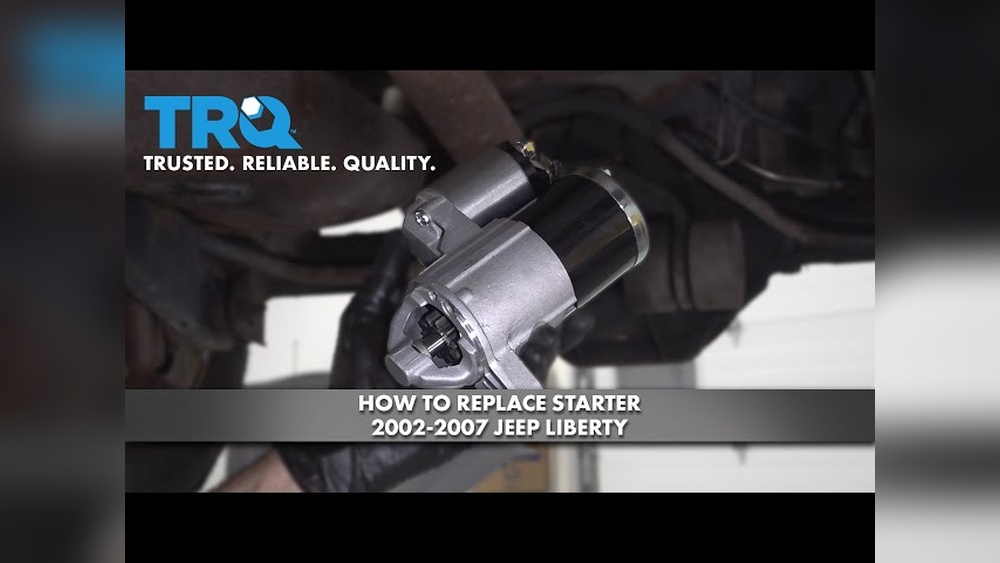
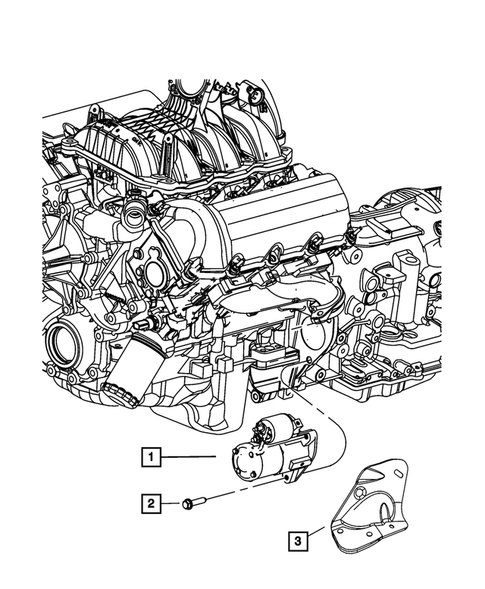
On the Jeep Liberty (all years and engine types), the starter is bolted to the transmission bell housing. This is where the engine and transmission meet.
The starter’s gear meshes with the engine’s flywheel to spin the engine.
Starter Location On Jeep Liberty: Quick Reference
Finding the starter is easier when you know exactly where to look. Here’s a quick comparison by year and engine:
| Model Year | Engine | Starter Location |
|---|---|---|
| 2002–2007 | 3.7L V6 | Passenger side, below exhaust manifold |
| 2002–2007 | 2.4L I4 | Passenger side, near oil pan, lower engine |
| 2008–2012 | 3.7L V6 | Passenger side, under intake manifold |
| 2005–2006 | 2.8L Diesel | Passenger side, behind turbo, lower engine |
All Jeep Liberty models have the starter mounted low on the passenger side, close to where the engine meets the transmission.
How To Find The Starter On Your Jeep Liberty
- Open the hood and stand on the passenger side.
- Look down near the bottom of the engine, just above the oil pan.
- You will see a cylindrical part with thick wires attached—this is the starter.
- In some models, you may need to slide under the vehicle for a better view.
What The Starter Looks Like
The starter is usually a metal cylinder about 6–8 inches long. It has two or three thick wires (one from the battery, one to the ignition). The housing may be silver or black, and it’s bolted with two or three bolts to the bell housing.
Visual Comparison: Starter Vs. Other Parts
| Part | Shape/Size | Typical Location |
|---|---|---|
| Starter | Small cylinder, 6–8” long | Low, passenger side, near transmission |
| Alternator | Round, with pulley | High up, front of engine |
| AC Compressor | Larger, round, with hoses | Front of engine, driven by belt |
Noticing the thick wires and location near the transmission helps you avoid confusing the starter with other parts.
Accessing And Removing The Starter
Removing the starter on a Jeep Liberty is not difficult, but access can be tight. Here’s a practical overview:
- Disconnect the battery before working—this prevents shocks.
- Lift the front of the vehicle with jack stands for easier access.
- Locate the starter by following the battery’s positive cable.
- Remove the wires from the starter (note their positions).
- Remove the mounting bolts.
- Slide the starter out carefully.
Most people find it easier to work from underneath the vehicle, especially on 3. 7L models.
If you have the 2. 8L diesel, you may need to move some hoses or the turbo heat shield.
Common Mistakes To Avoid
- Forgetting to disconnect the battery (this is a safety risk).
- Mixing up starter wires during reinstallation.
- Over-tightening or stripping mounting bolts.
Signs Of Starter Problems
Recognizing starter issues early can save you from being stranded. Watch for these signs:
- A single clicking sound when turning the key, but the engine does not turn.
- Lights and electronics work, but the engine will not start.
- A grinding noise (the starter gear may be worn).
- Intermittent starting—works sometimes, not always.
Sometimes, a weak battery or corroded connections can mimic starter problems. Test your battery first before replacing the starter.
Tips For Easier Starter Replacement
- Use penetrating oil on bolts before removal to prevent breaking them.
- Take a photo of wire positions before disconnecting.
- Have a helper to hand you tools when working under the vehicle.
- Clean all wire contacts before reattaching for best performance.
- Double-check that all connections are secure before starting the engine.
Many Jeep owners overlook the importance of clean electrical connections. Even a small amount of corrosion can prevent the starter from working.
Also, some aftermarket starters are slightly larger or smaller always compare the new starter to the old one before installing.
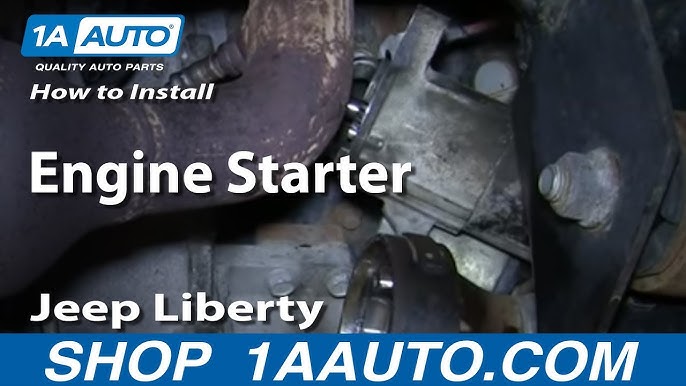
What To Do If You Can’t Find The Starter
Sometimes, dirt, oil leaks, or extra parts can hide the starter from view. If you’re unsure, use a flashlight and follow the thick red wire from the battery—it always leads to the starter’s main terminal. If you feel lost, check the vehicle’s manual or online diagrams. The Jeep Liberty Wikipedia page provides useful background and specs for reference.
Frequently Asked Questions
Where Is The Starter Relay On A Jeep Liberty?
The starter relay is usually found in the main fuse box under the hood. Check the diagram on the fuse box cover for its exact position.
Can I Replace The Starter On A Jeep Liberty Myself?
Yes, if you have basic tools and mechanical skills. The job takes about 1 2 hours. Make sure to disconnect the battery first.
What Tools Do I Need To Remove The Starter?
You will need socket wrenches, a ratchet, and possibly an extension bar. A jack and stands help with access.
How Much Does A New Starter Cost For A Jeep Liberty?
A new starter costs $100–$250 for most models, depending on brand and quality. Labor at a shop may cost an extra $100–$200.
Is It Safe To Tap The Starter If My Jeep Won’t Start?
Tapping the starter can temporarily help if the internal contacts are stuck, but it’s a short-term fix. Replace the starter for a reliable solution.
Finding the starter on your Jeep Liberty is simple once you know where to look. With this guide, you can identify the starter, spot common issues, and handle basic repairs confidently.
Always work safely and consult a professional if you feel unsure.
Understanding your starter’s location is a small step that can save you time and trouble in the future.



















