Jeep Grand Cherokee owners often face confusing electrical issues. One common question is, “Where is the IOD fuse?”
The IOD fuse (Ignition Off Draw fuse) is important for keeping your vehicle’s electrical systems running when the engine is off. If you ever need to replace or check it, knowing its location and function can save you time and trouble.
This guide will help you find the IOD fuse in your Jeep Grand Cherokee, understand its purpose, and avoid common mistakes.
What Is The Iod Fuse?
The IOD fuse controls the power supply to certain electronics when your Jeep is turned off. It prevents battery drain by disconnecting circuits like the radio, clock, and security system when the vehicle is not running. The fuse is also used by manufacturers and mechanics to protect these systems during shipping or repairs.
If your Grand Cherokee loses settings (like radio presets) or you notice electrical accessories not working, the IOD fuse might be the cause.
Locating The Iod Fuse In Jeep Grand Cherokee
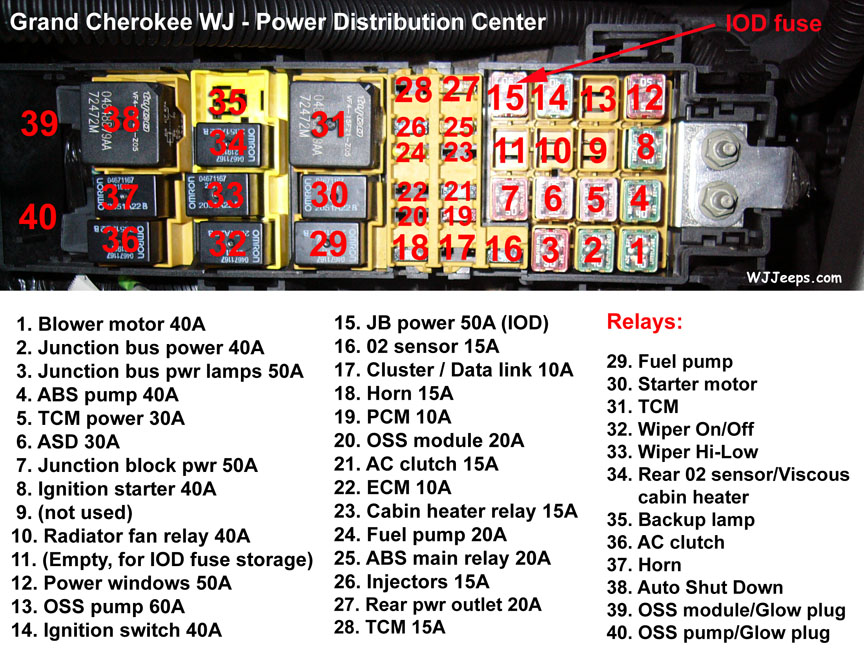
Finding the IOD fuse is easier if you know where to look. In most Jeep Grand Cherokee models, the IOD fuse is located inside the Power Distribution Center (PDC), also called the fuse box. The PDC is usually found under the hood, near the battery.
Below is a comparison of fuse box locations for different Jeep Grand Cherokee years:
| Model Year | PDC Location | IOD Fuse Position |
|---|---|---|
| 1999-2004 | Engine compartment, passenger side | Near front row of fuses |
| 2005-2010 | Engine compartment, driver side | Second row, labeled “IOD” |
| 2011-2021 | Engine compartment, near battery | Clearly marked in fuse box lid |
Always check your owner’s manual for exact placement, as locations can vary slightly between trims and years.

How To Identify And Replace The Iod Fuse
The IOD fuse is usually a standard 15-amp blade fuse, often colored blue. Most fuse boxes have a diagram on the lid showing the exact position of each fuse.
Steps To Replace The Iod Fuse
- Turn off the engine and remove the key.
- Open the hood and locate the Power Distribution Center.
- Read the diagram on the fuse box cover to find the IOD fuse.
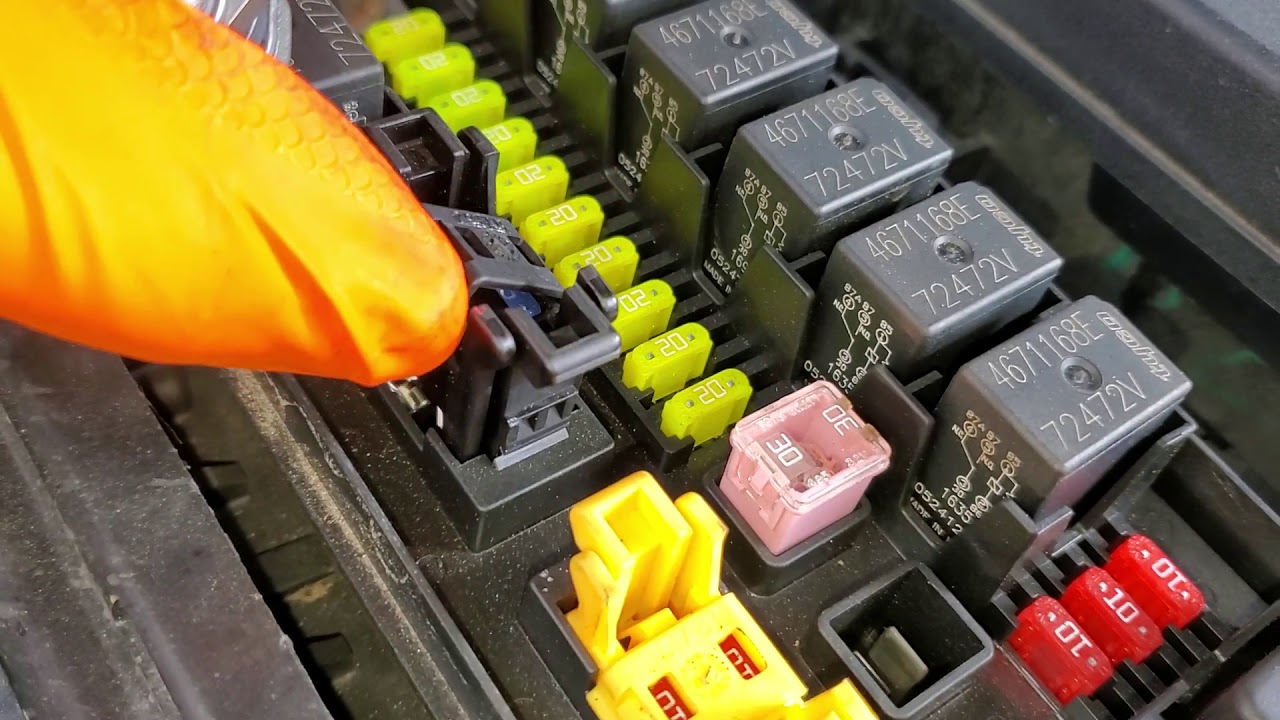
- Use a fuse puller or needle-nose pliers to gently remove the fuse.
- Inspect the fuse for damage or a broken metal strip.
- If damaged, replace with a new fuse of the same rating (usually 15 amps).
Here’s a simple table showing fuse ratings and their effects:
| Fuse Rating | Function | Risk if Wrong |
|---|---|---|
| 15A | Standard IOD circuit | Battery drain, electronics malfunction |
| 20A | High-power accessories | Fire hazard, damage |
| 10A | Low-power circuits | Fuse blows quickly |
Never use a higher-rated fuse than recommended; it can cause serious electrical issues.
Common Iod Fuse Problems And Solutions
Many Jeep owners remove the IOD fuse when storing their vehicle for a long time. This prevents battery drain, but can cause issues if forgotten.
Common problems include:
- Loss of radio presets and clock time
- Security system not working
- Remote keyless entry failing
If you experience these, first check the IOD fuse. Replacing it usually restores function.
An overlooked mistake is not pushing the fuse all the way in after replacing. The fuse must be fully seated for the circuits to work.
Sometimes, mechanics pull the IOD fuse partway out to stop battery drain during repairs, but leave it that way by accident.
https://www.youtube.com/watch?v=6NvKCKzYpDA
Why The Iod Fuse Matters For Your Jeep
The IOD fuse protects your battery and electronics. If you plan to leave your Jeep parked for weeks, you can pull the IOD fuse to prevent battery drain.
However, always remember to reinstall it before driving. Forgetting this can lead to unnecessary trips to the dealership.
A unique insight: The IOD fuse is also used for diagnostic purposes. If your Jeep has mysterious battery drain, mechanics may remove the IOD fuse to see if the drain stops, helping them find the faulty circuit.
How The Iod Fuse Differs From Other Fuses
Unlike most fuses, the IOD fuse is meant to be easily removed and replaced by owners and technicians. While other fuses stay in place unless blown, the IOD fuse is designed for temporary removal.
Below is a comparison between IOD fuse and regular fuses:
| Fuse Type | Purpose | Removability |
|---|---|---|
| IOD Fuse | Disconnect electronics during storage/repair | Easy, tool-free removal |
| Regular Fuse | Protect individual circuits | Removed only if blown |
Understanding this difference helps you avoid mistakes like removing the wrong fuse.
Tips For Jeep Grand Cherokee Owners
- Always keep a spare 15A fuse in your glove box.
- Double-check the fuse diagram before removing any fuse.
- Never leave the IOD fuse out for regular driving.
- If your electronics stop working suddenly, check the IOD fuse first.
- For detailed diagrams, refer to the official Jeep website or manuals.
If you need more in-depth technical information, visit the official Jeep resource: Jeep Owner’s Manuals.
Frequently Asked Questions
Where Exactly Is The Iod Fuse In A Jeep Grand Cherokee?
The IOD fuse is inside the Power Distribution Center under the hood. It is usually labeled “IOD” and is a blue 15A fuse.
What Does The Iod Fuse Control?
It controls power to electronics like the radio, clock, and security system when the Jeep is off, to prevent battery drain.
Can I Drive Without The Iod Fuse?
No. Without the IOD fuse, important electrical systems won’t work, including your security system and radio.
How Do I Know If My Iod Fuse Is Blown?
Check for electrical accessories that don’t work, such as radio or interior lights. Inspect the fuse for a broken metal strip.
Why Do Mechanics Remove The Iod Fuse During Repairs?
To protect electronics and prevent battery drain while working on the vehicle. They must reinstall it before returning your Jeep.
Finding and understanding the IOD fuse in your Jeep Grand Cherokee gives you more control over your vehicle’s electrical health. With these tips and details, you can solve common electrical issues quickly and prevent costly mistakes.