Every Jeep owner knows the wave. You drive past another Jeep, and the driver lifts their hand, giving a friendly gesture.
This simple act creates a sense of community among Jeep drivers worldwide. But where did the Jeep Wave come from?
Is it just a random tradition, or does it have a real history? Let’s dive into its origins, evolution, and why it matters so much to Jeep enthusiasts today.
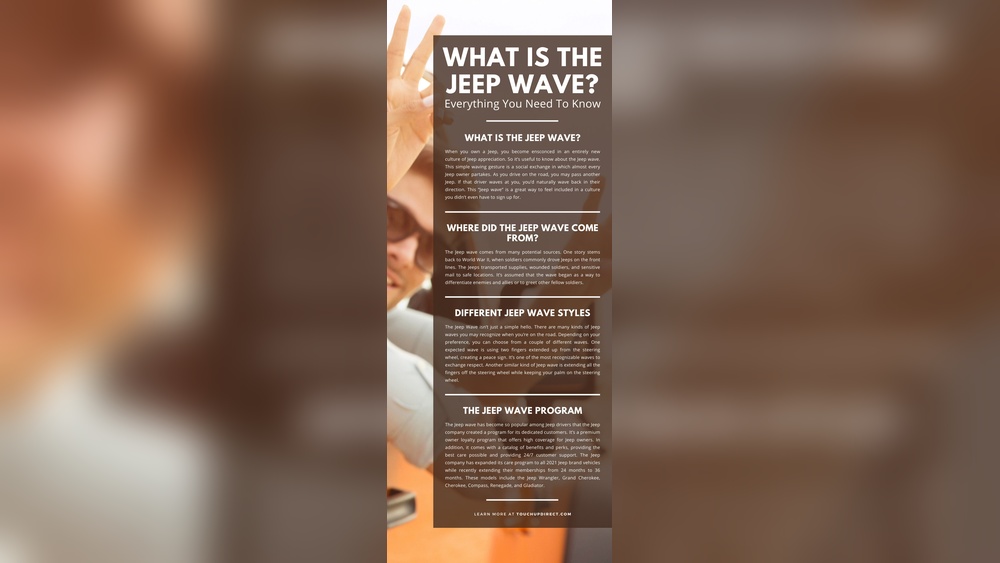
The Early Origins Of The Jeep Wave
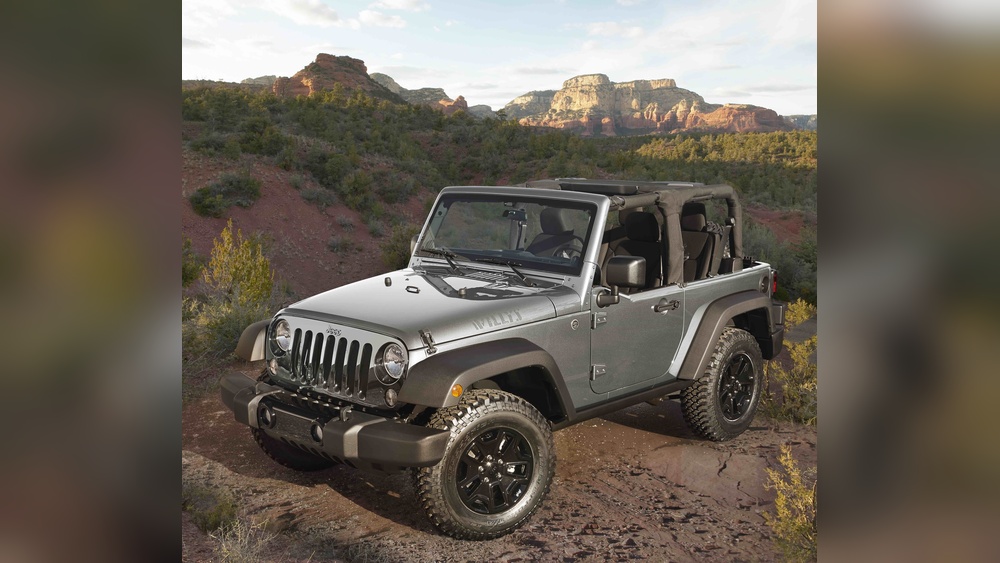
The Jeep Wave started with the first Jeeps used during World War II. Soldiers drove Willys MB and Ford GPW Jeeps as their main vehicles. When these soldiers saw another Jeep on the road, they recognized each other as comrades. The wave was a sign of respect and acknowledgment.
After the war, many veterans bought surplus Jeeps. They continued the tradition, waving to other Jeep drivers.
This wave became a symbol of shared experience and mutual respect. Unlike other car gestures, the Jeep Wave was unique because it was born from a mix of military pride and camaraderie.
The Spread And Evolution Of The Jeep Wave
As Jeeps became popular with civilians, the wave evolved. By the 1950s and 1960s, Jeep was not just a military vehicle—it was an adventure icon. Drivers used Jeeps for farming, camping, and off-roading. The wave shifted from a military gesture to a sign of Jeep community.
There are several theories about how the wave spread:
- Military Connection: Veterans kept the tradition alive.
- Rugged Individualism: Jeep owners valued adventure and independence, so the wave signaled shared values.
- Exclusivity: Early Jeep owners felt special, so the wave became a way to recognize fellow enthusiasts.
Jeep Wave Compared To Other Car Waves
The Jeep Wave is more than just a hello. Other car waves tend to fade quickly or only happen in rural areas.
The Jeep Wave stands out for its consistency and meaning.
| Vehicle Brand | Type of Wave | Frequency | Community Strength |
|---|---|---|---|
| Jeep | Jeep Wave | Very Common | High |
| Subaru | Subaru Salute | Occasional | Medium |
| Motorcycle | Motorcycle Wave | Common | High |
| Pickup Truck | Truck Nod | Rare | Low |
The Rules And Etiquette Of The Jeep Wave
Not all waves are equal. Over time, Jeep owners developed their own rules about who gets a wave and how it should be done.
Some communities have strict guidelines, while others are more relaxed.
Common Jeep Wave Etiquette
- Model Matters: Classic Jeep models like Wrangler, CJ, and Gladiator often receive more waves.
- Initiator: The driver of the older or more rugged Jeep usually starts the wave.
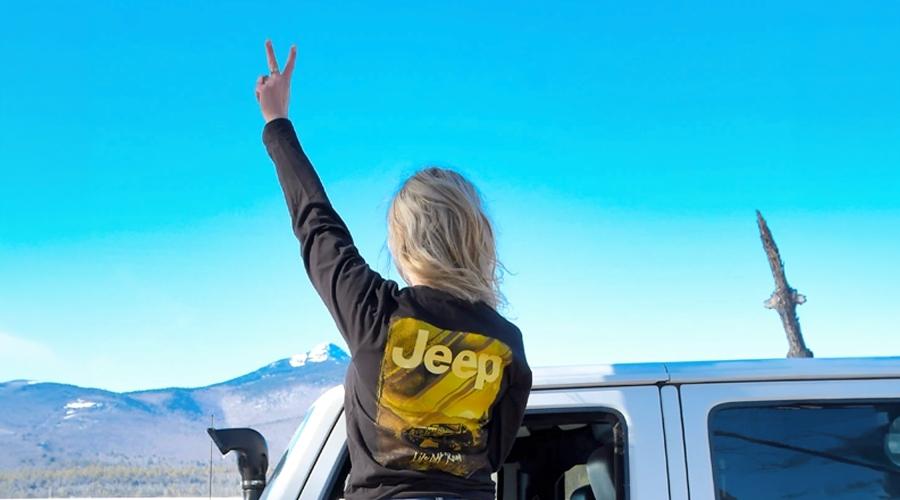
- Gesture Style: The wave can be a simple hand raise, a finger lift, or even a peace sign.
Some Jeep drivers say you should only wave to other “real Jeeps”—vehicles with round headlights and removable doors. Others believe all Jeeps deserve a wave.
| Jeep Model | Wave Likelihood | Typical Gesture |
|---|---|---|
| Wrangler | Very High | Hand Raise |
| CJ | High | Finger Lift |
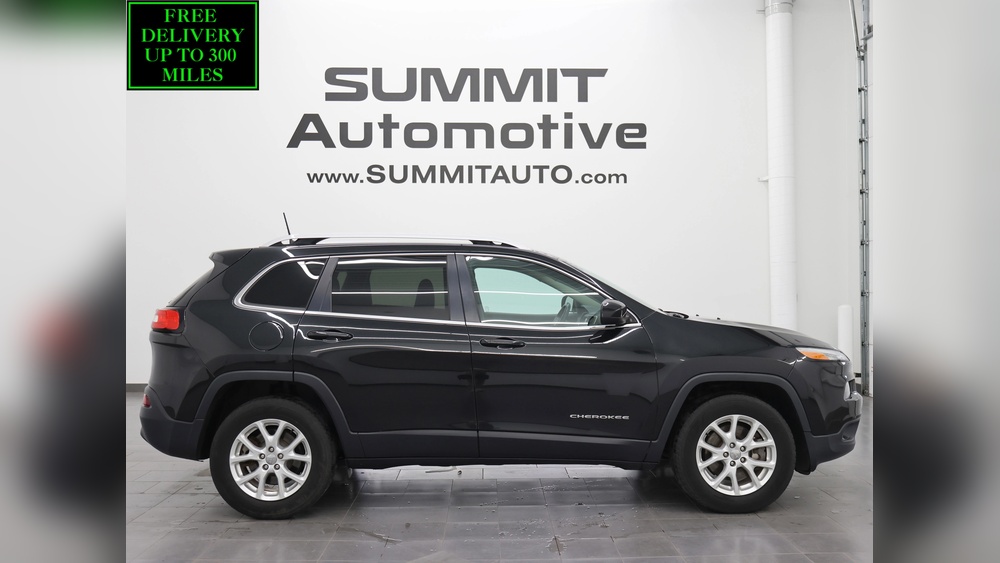
| Cherokee | Medium | Peace Sign |
| Compass | Low | Small Nod |
Why The Jeep Wave Is Still Important Today
The Jeep Wave is not just a friendly gesture. It’s a sign of belonging.
When you buy a Jeep, you join a group of people who value adventure, ruggedness, and community. The wave is a way to welcome newcomers and keep the tradition alive.
Non-obvious insight: Some Jeep clubs use the wave as a membership test. If you don’t wave, you might be seen as an outsider, even if you own a Jeep.
Another little-known fact is that Jeep dealerships sometimes teach new buyers about the wave. They want customers to understand the history and feel connected to the brand.
Jeep Wave In Numbers
According to a 2026 survey, about 78% of Wrangler owners say they wave regularly. Only 39% of Cherokee owners do the same. The tradition is strongest among off-road Jeep fans.
| Owner Type | Wave Regularity (%) | Reason for Waving |
|---|---|---|
| Wrangler Owners | 78% | Tradition, Community |
| Cherokee Owners | 39% | Brand Loyalty |
| Compass Owners | 25% | Occasional Recognition |
How To Start Using The Jeep Wave
If you’re new to Jeep ownership, the best way to join in is simple:
- Look for Other Jeeps: When you see another Jeep, get ready.
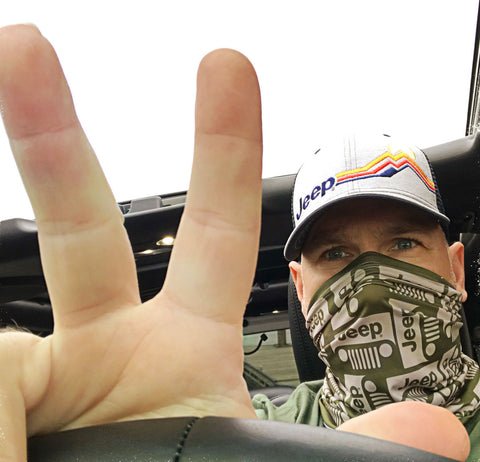
- Choose Your Gesture: A hand raise or finger lift works best.
- Be Consistent: Wave every time, even if the other driver doesn’t respond.
- Respect All Jeeps: Don’t judge by model or year—welcome everyone.
Beginner mistake: Many new owners hesitate, thinking the wave is only for older Jeeps or off-road models. In reality, the wave is for all Jeep drivers. Don’t miss your chance to connect.
The Jeep Wave In Popular Culture
The wave has become a symbol in Jeep ads, stories, and online forums. Jeep even launched a rewards program called “Jeep Wave” in the US, offering service perks to members.
The tradition is so strong that it’s recognized by fans worldwide.
For more details about Jeep history and culture, check out the official Jeep Wikipedia page.

Frequently Asked Questions
What Is The Jeep Wave?
The Jeep Wave is a friendly hand gesture exchanged between Jeep drivers. It shows respect, community, and shared love for Jeep vehicles.
Do All Jeep Models Participate In The Jeep Wave?
Most Wrangler and CJ drivers wave, but some owners of newer or less rugged models may not. Still, all Jeep drivers are welcome to join the tradition.
How Did The Jeep Wave Start?
It began with military Jeeps in World War II. Soldiers used the wave to recognize fellow drivers, and the tradition continued after the war.
Are There Rules For The Jeep Wave?
There are no official rules, but common etiquette includes waving to other Jeep drivers, especially those in classic or off-road models.
Why Is The Jeep Wave Important?
The wave builds a sense of community and connects Jeep owners. It’s a living tradition that makes driving a Jeep feel special.
The Jeep Wave is more than just a habit—it’s a connection to history, adventure, and thousands of fellow drivers. Whether you own a new Jeep or an old classic, waving is a simple way to celebrate what makes Jeep unique.