The Jeep Grand Cherokee is a popular midsize SUV, loved for its off-road abilities and strong engines. But like any vehicle, it’s not perfect.
Many owners want to know: When do Jeep Grand Cherokees start having problems? If you’re thinking about buying one or already own it, understanding when issues are most likely to appear helps you plan and avoid big surprises.
Common Problem Timeline
No car is problem-free forever, but most Jeep Grand Cherokee owners enjoy a trouble-free ride at first. Problems often depend on the year, how well the vehicle is maintained, and how it’s driven. Here’s a general idea of when issues may begin to show.
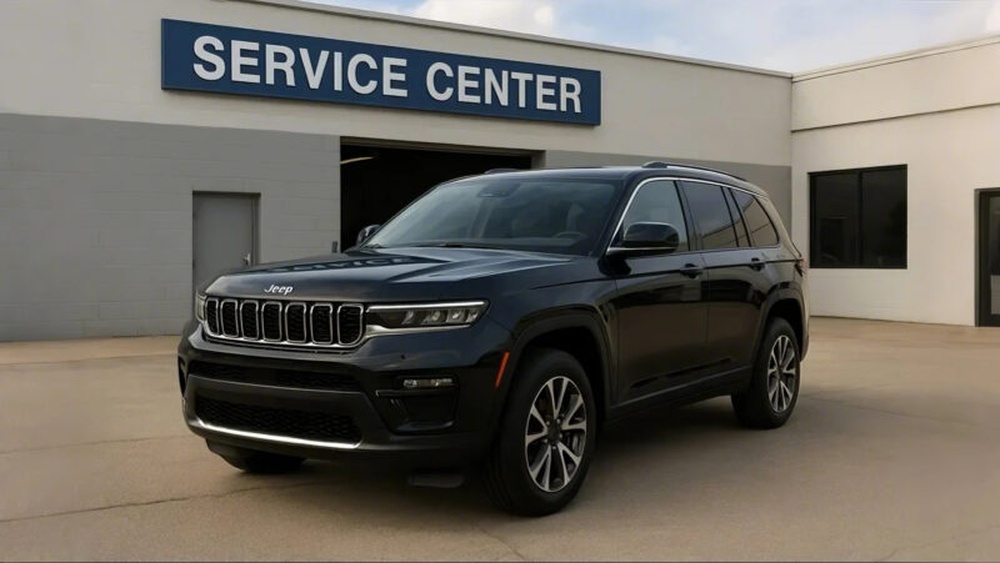
0–50,000 Miles: Early Years
During the first 50,000 miles, most Grand Cherokees run well. The basic powertrain (engine and transmission) is reliable. You might see small issues like:
- Infotainment system glitches
- Minor electrical problems (window switches, sensors)
- Occasional rattles or squeaks
These are usually minor and often fixed under warranty. Regular oil changes and check-ups help prevent bigger problems.
50,000–100,000 Miles: Wear And Tear Begins
Most owners start to notice more frequent issues after 50,000 miles. Common problems include:
- Suspension wear: Bushing and ball joint wear can lead to clunks or poor handling.
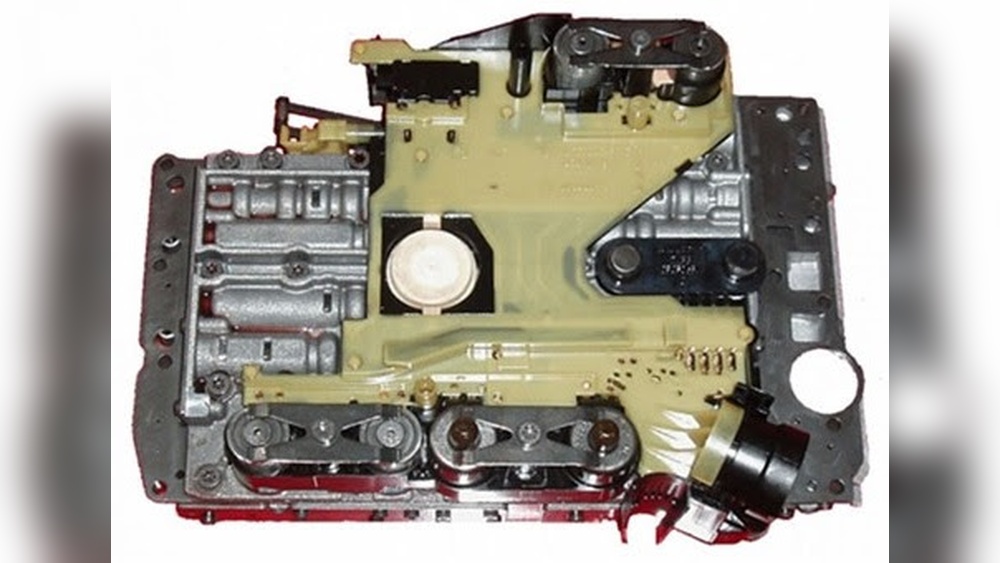
- Transmission shifting issues: Some models (especially 2011–2014) report rough or delayed shifting.
- Brake component wear: Rotors and pads often need replacement.
- Electrical system faults: Dashboard warning lights and sensor failures become more common.
For example, the 2014 Grand Cherokee was known for electrical gremlins and Uconnect display failures. Most problems at this stage are still fixable without huge expense.
100,000+ Miles: Major Components At Risk
Crossing the 100,000-mile mark, you may see more serious problems:
- Engine oil leaks (valve cover, oil pan)
- Cooling system failures (water pump, radiator leaks)
- Transfer case or differential issues (in 4×4 models)
- Aging timing chains or belts
Some 2012–2015 models have a higher risk of alternator failure, leading to sudden stalls. Older models may face air suspension trouble, which is costly to repair.
Here’s a quick summary comparing problem frequency by mileage range:
| Mileage Range | Problem Likelihood | Typical Issues |
|---|---|---|
| 0–50,000 | Low | Minor electronics, infotainment |
| 50,000–100,000 | Medium | Suspension, brakes, transmission |
| 100,000+ | High | Engine, cooling, drivetrain |
Model Years And Problem Patterns
Not all Grand Cherokees are equal. Some years have more complaints and recalls than others.
| Model Year | Common Problems | Owner Reports |
|---|---|---|
| 2011–2013 | Transmission, electrical | High |
| 2014–2015 | Alternator, infotainment, suspension | Medium |
| 2016–2020 | Fewer issues, minor electronics | Low |
| 2021+ | Too new for full data | Unknown |
For example, the 2011 and 2012 models had a high number of transmission complaints, while the 2014 model year faced recalls for alternator fires. Newer models (2016 and up) show fewer problems, likely due to improved manufacturing.
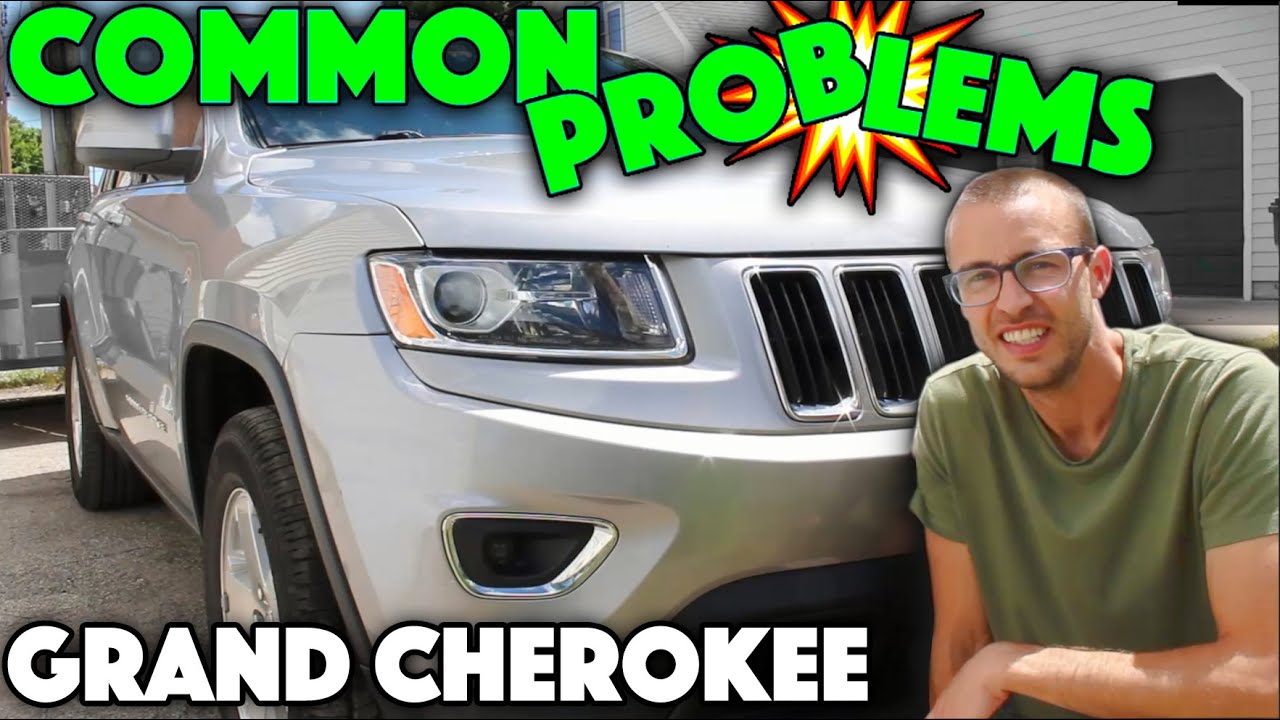
What Triggers Early Problems?
Some Jeep Grand Cherokees start having issues earlier than others. Here are two non-obvious factors that play a big role:
- Off-road use: Regular off-roading puts extra stress on the suspension, drivetrain, and underbody. These vehicles may develop problems much sooner, sometimes before 60,000 miles.
- Short trips and city driving: Engines don’t reach full operating temperature, leading to more carbon build-up and quicker wear on components like spark plugs.
Other factors include:
- Skipping scheduled maintenance
- Using low-quality fluids or parts
- Ignoring small warning signs (like odd noises or warning lights)
How To Reduce Problems
You can enjoy a Jeep Grand Cherokee for many years if you take care of it. Here are some tips:
- Follow the maintenance schedule: Oil changes, fluid checks, and inspections are key.
- Address small issues early: Fixing a minor leak or worn part can prevent bigger (and more expensive) problems.
- Keep records: A logbook helps track service and spot patterns.
- Inspect the suspension: Especially if you drive off-road.
A surprising insight: Replacing spark plugs every 30,000 miles (instead of waiting longer) can help prevent engine misfires in some V6 models.
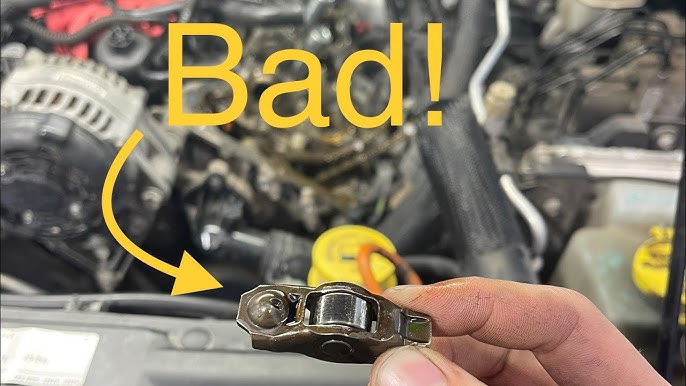
Repair Costs: What To Expect
Repair costs go up as vehicles age. Here’s an average of what you might pay for common repairs:
| Repair Type | Estimated Cost | When Needed |
|---|---|---|
| Brake pads/rotors | $300–$800 | 50,000–80,000 miles |
| Suspension bushings | $400–$1,000 | 60,000–100,000 miles |
| Transmission service/repair | $250–$3,500 | 80,000+ miles |
| Alternator replacement | $600–$1,200 | 70,000–120,000 miles |
Surprisingly, electrical issues can sometimes cost more than mechanical repairs, especially with modern infotainment systems.
Final Thoughts
Jeep Grand Cherokees are strong, but like all vehicles, they have weak spots. Most problems start appearing after 50,000 miles, with bigger risks after 100,000 miles. The year and how you drive matter a lot. If you keep up with maintenance, listen for early warning signs, and avoid pushing the SUV too hard, your Grand Cherokee can last well beyond 150,000 miles.
For more detailed data on specific model years and recalls, check the National Highway Traffic Safety Administration.
Frequently Asked Questions
What Year Jeep Grand Cherokee Is Most Reliable?
The 2016–2020 Grand Cherokees have fewer reported problems. These years benefit from improved parts and fewer recalls compared to older models.
Are Jeep Grand Cherokees Expensive To Maintain?
Maintenance costs are moderate compared to luxury SUVs. However, some repairs (like air suspension or transmission) can be pricey after 100,000 miles.
How Many Miles Do Jeep Grand Cherokees Usually Last?
With good care, many Grand Cherokees last 150,000–200,000 miles. Major repairs may be needed after 100,000 miles, but many owners report long-term reliability.
What Are The Most Common Problems?
Electrical issues, suspension wear, transmission problems, and engine oil leaks are the most common, especially as the vehicle ages.
Should I Buy A High-mileage Jeep Grand Cherokee?
It can be a good value if it has a solid maintenance history. Always have a trusted mechanic inspect it before you buy, and expect some repairs as the miles add up.