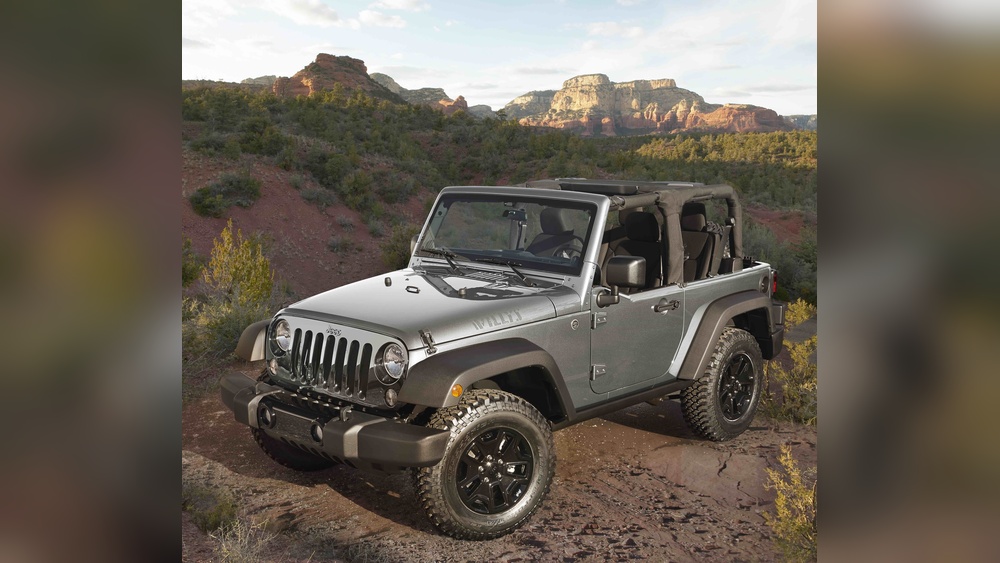
Jeep’s inline engines have a legendary status among car fans. For many years, these straight-six engines powered Jeeps through rough terrain, daily driving, and even military service.
But if you’re wondering, when did Jeep stop using the inline engine, the answer is more complex than a single date. This article explores the history, reasons for the change, and the impact on Jeep’s lineup.
The Rise Of Jeep’s Inline Engines
Jeep began using inline engines shortly after World War II. The straight-six design, with all cylinders in one row, was loved for its smoothness and strong low-end torque. The Jeep 4.0L inline-six, introduced in 1986, became especially famous.
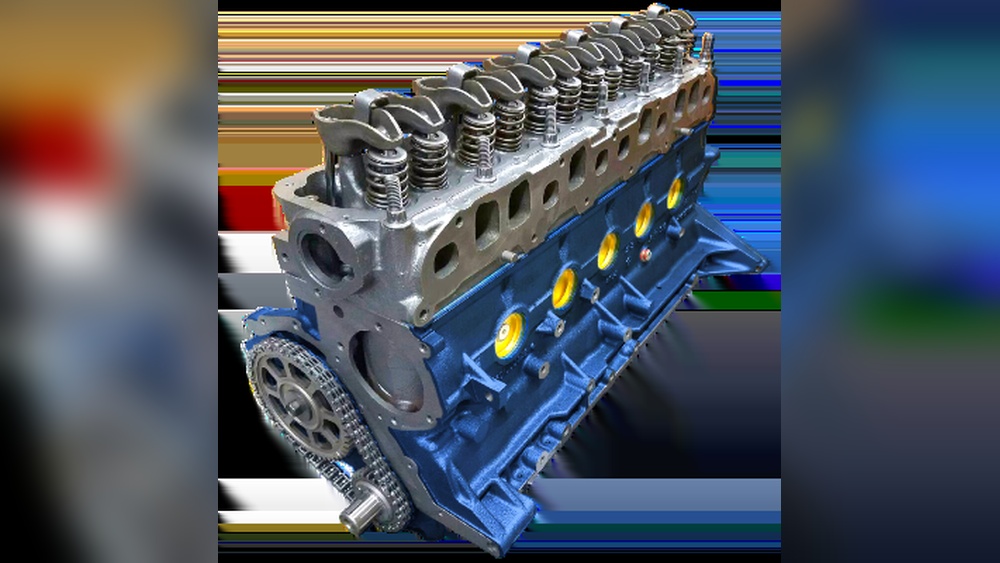
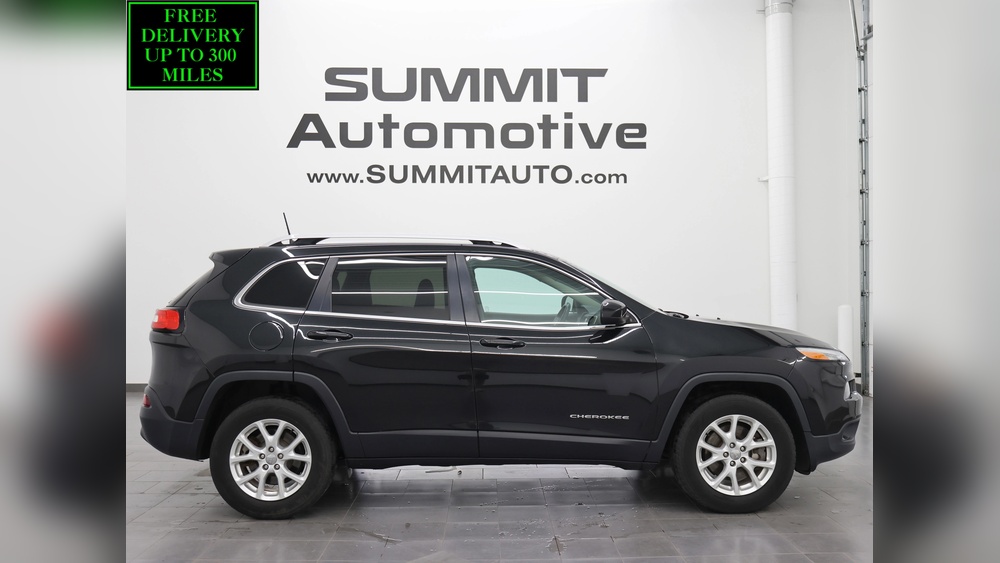
This engine powered popular models like the Jeep Cherokee (XJ), Grand Cherokee (ZJ, WJ), and the Wrangler (YJ, TJ). Many Jeep fans still consider the 4.0L inline-six one of the most reliable engines ever made.
What made the inline engine so special was not just its power, but its simplicity. The design allowed for easy repairs, often needing just basic tools.
Mechanics and owners could change parts like water pumps or sensors without pulling the entire engine.
This helped Jeeps with inline engines become a favorite for off-roaders and those living far from dealerships.
Another reason for the engine’s popularity was its ability to handle abuse. Whether towing, climbing steep hills, or running in hot climates, the 4.
0L rarely overheated or failed. This reputation grew as stories spread of Jeep engines passing 250,000 miles with only minor repairs.
Timeline: When Did Jeep Stop Using The Inline?
Jeep didn’t stop using the inline-six at one single moment. Instead, it happened in steps across different models. Here’s a summary:
| Model | Last Year with Inline-Six | Inline Engine Used |
|---|---|---|
| Cherokee (XJ) | 2001 | 4.0L I6 |
| Grand Cherokee (WJ) | 2004 | 4.0L I6 |
| Wrangler (TJ) | 2006 | 4.0L I6 |
The final Jeep vehicle to use the 4.0L inline-six was the 2006 Jeep Wrangler TJ. After 2006, all new Jeeps switched to V6 or other engine types.
It’s important to note that while other automakers had moved away from straight-six engines much earlier, Jeep kept the design alive longer because of customer demand and the engine’s strong reputation.
In fact, even as the industry moved to high-tech engines, Jeep’s inline-six was seen as a “workhorse” that could handle tough jobs with less risk of breakdowns.

Why Did Jeep Move Away From The Inline-six?
Several reasons led Jeep to stop using the inline engine:
1. Tighter Emissions Standards
The older inline-six design struggled to meet new pollution rules without expensive changes.
2. Modern Engine Designs
Car makers shifted to V6 engines for their compact size and lighter weight, which improved crash safety and fuel economy.
3. Manufacturing Costs
The tooling and factories for the inline-six were aging. Updating them was costly compared to making newer V6 engines.
4. Market Demands
Buyers wanted more power and efficiency. The V6 engines could deliver both with new technology.
A less obvious reason: the inline-six was tall and long. This made it harder to fit into newer, more compact engine bays as Jeep updated their vehicles.
Many newer vehicles also adopted features like independent suspension and crumple zones to improve ride comfort and crash safety. The long inline-six made it more difficult to design these features, so Jeep engineers had to compromise.
As a result, the move to a V6 wasn’t just about numbers it was about keeping up with industry trends and safety rules.
Another small but real factor was noise and vibration. The old inline engine, while smooth at low speeds, could sound rough at high RPMs compared to modern V6s.
Customers in the 2000s wanted quieter, smoother rides, especially as more Jeeps were used as daily drivers and family cars.
What Replaced The Inline-six?
The main replacement was the 3.8L V6 (Chrysler EGH) and later the 3.6L Pentastar V6. Here’s a quick comparison:
| Engine | Years Used | Power (hp) | Torque (lb-ft) |
|---|---|---|---|
| 4.0L Inline-Six | 1986-2006 | 190 | 235 |
| 3.8L V6 | 2007-2011 | 202 | 237 |
| 3.6L Pentastar V6 | 2012-Present | 285 | 260 |
While the V6 engines brought more power and better efficiency, some Jeep fans felt they lost the “soul” of the old inline-six.
Another key difference: the 3.8L V6 was not loved by all. Some Jeep owners complained it lacked the low-end pull of the 4.0L, especially when off-roading or towing. The later 3.6L Pentastar V6 fixed many of these issues with higher horsepower and smoother operation, but the simplicity and “grunt” of the old inline-six remained unmatched in many fans’ eyes.
Many believe the inline-six was dropped only for emissions or cost. But two extra factors played a role:
- Crash Regulations: The tall, long inline engines made designing crash-safe front ends harder. Automakers needed shorter engines to meet new rules.
- Brand Image: By 2006, Jeep was modernizing. A new V6 helped market the Jeep as a cutting-edge SUV, not just a rugged utility vehicle.
Another subtle factor is aftermarket support. As the inline-six aged, fewer new parts and accessories were developed for it.
Jeep’s newer engines got more attention from both the company and third-party suppliers, which made it easier for owners to customize and upgrade the newer models.
Legacy And Modern Inline-six Engines
Surprisingly, the inline-six layout is making a comeback. In 2022, Jeep’s parent company Stellantis introduced the Hurricane 3.0L twin-turbo inline-six. This engine is more powerful and fuel-efficient than older V6s.
But for many Jeep lovers, the original 4.0L inline-six is still the gold standard for reliability and easy repairs. Many older Jeeps with this engine are still running strong after 200,000 miles or more.
The Hurricane engine uses advanced technology like direct injection and turbocharging to meet today’s strict emissions and power demands. But it’s a very different engine from the old 4.
0L more complex, harder to repair yourself, and built for different needs.
Still, its return shows that the straight-six design still has a place in modern vehicles when done with the latest technology.
What This Means For Jeep Owners And Buyers
If you own a Jeep with a 4. 0L inline engine, you have a piece of automotive history.
These engines are known to last a long time with basic maintenance. Replacement parts are widely available, and there are many online forums full of advice.
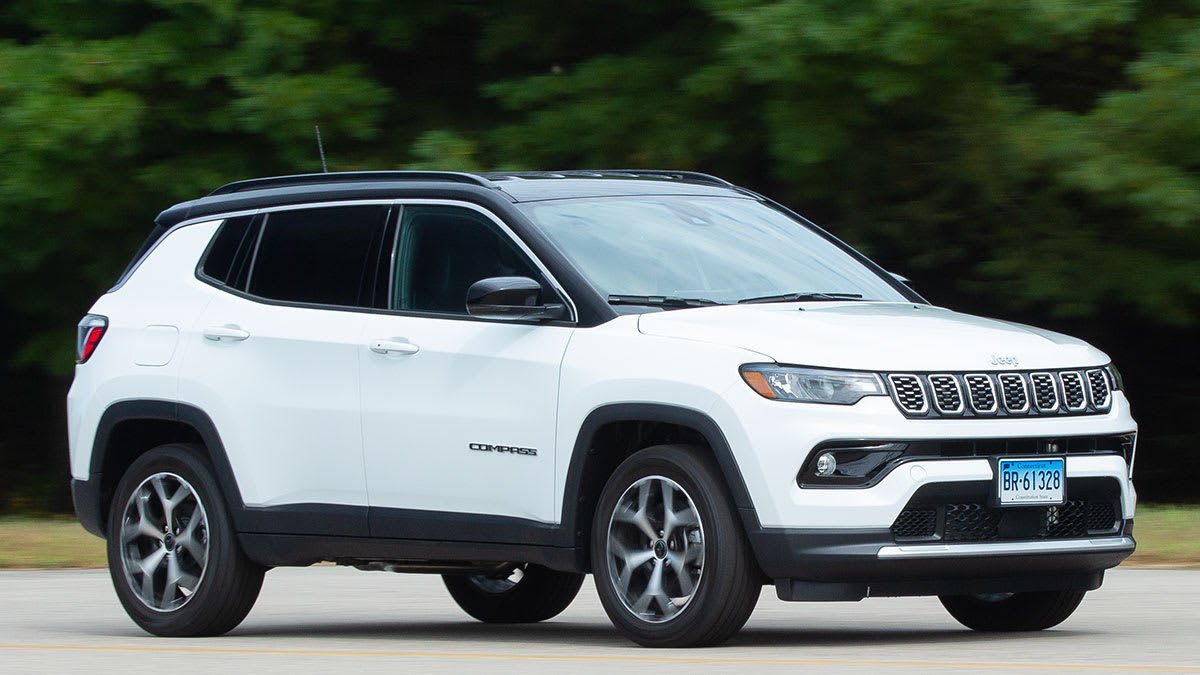
For buyers, knowing the engine history helps you decide. If you want classic Jeep character, look for models from before 2007.
If you prefer modern technology, the newer V6-powered Jeeps might suit you better.
Here’s a quick model-year guide:
| Model | Inline-Six Years | After Inline-Six |
|---|---|---|
| Wrangler | 1987–2006 | V6 from 2007 |
| Cherokee | 1987–2001 | V6/4-cylinder after 2001 |
| Grand Cherokee | 1993–2004 | V6/V8 after 2004 |
If you’re shopping for a used Jeep, always check the engine type and maintenance history. An inline-six Jeep with good records can be a great buy, but higher-mileage examples may need work on cooling systems or gaskets.
Meanwhile, newer V6 Jeeps offer more advanced features and better fuel economy, which some drivers find more practical for daily use.
Frequently Asked Questions
<!– wp:rank-math/faq-block {"questions":[{"id":"faq-question-f9915a70ad78","title":"When Did Jeep Stop Using The Inline-six Engine?","content":"The last Jeep to use the famous inline-six was the 2006 Jeep Wrangler TJ. Other models switched earlier, such as the Cherokee in 2001 and the Grand Cherokee in 2004.
“,”visible”:true},{“id”:”faq-question-e4f3a02a676e”,”title”:”Was The Jeep Inline-six Engine Reliable?”,”content”:”Yes. The Jeep 4.0L inline-six is known for lasting over 200,000 miles with basic care. Many still run well today.
“,”visible”:true},{“id”:”faq-question-a11c71fa6b44″,”title”:”Did Jeep Ever Bring Back The Inline-six?”,”content”:”Yes, in 2022, Jeep’s parent company introduced a new Hurricane inline-six. It’s available in some new models, but it’s very different from the old 4.0L engine.
“,”visible”:true},{“id”:”faq-question-a9cb3aadc0c3″,”title”:”Why Do Some People Prefer The Inline-six Over The V6?”,”content”:”Fans love the inline-six for its smoothness, easy repairs, and strong low-end torque. Some feel the V6 engines lack the classic “Jeep feel.”
“,”visible”:true},{“id”:”faq-question-2dd64f2baa13″,”title”:”Where Can I Learn More About Jeep Engine History?”,”content”:”For in-depth details, check the AMC Straight-6 Engine page on Wikipedia.
Jeep’s history with inline engines shows how technology and rules shape the cars we drive. Whether you love the old inline or prefer modern V6s, knowing this story helps you appreciate why Jeeps are so unique.
“,”visible”:true}]} –>When Did Jeep Stop Using The Inline-six Engine?
The last Jeep to use the famous inline-six was the 2006 Jeep Wrangler TJ. Other models switched earlier, such as the Cherokee in 2001 and the Grand Cherokee in 2004.
Was The Jeep Inline-six Engine Reliable?
Yes. The Jeep 4.0L inline-six is known for lasting over 200,000 miles with basic care. Many still run well today.
Did Jeep Ever Bring Back The Inline-six?
Yes, in 2022, Jeep’s parent company introduced a new Hurricane inline-six. It’s available in some new models, but it’s very different from the old 4.0L engine.
Why Do Some People Prefer The Inline-six Over The V6?
Fans love the inline-six for its smoothness, easy repairs, and strong low-end torque. Some feel the V6 engines lack the classic “Jeep feel.”
Where Can I Learn More About Jeep Engine History?
For in-depth details, check the AMC Straight-6 Engine page on Wikipedia.
Jeep’s history with inline engines shows how technology and rules shape the cars we drive. Whether you love the old inline or prefer modern V6s, knowing this story helps you appreciate why Jeeps are so unique.