The Jeep Wagoneer is a name that brings up images of rugged roads, family vacations, and a classic American SUV design. For decades, this vehicle was the symbol of style, comfort, and off-road ability.
But when did Jeep actually stop making the Wagoneer?
The answer is not as simple as a single year, because the Wagoneer went through several changes and revivals. To understand this journey, let’s take a closer look at the history, evolution, and legacy of the Jeep Wagoneer.
The Origins Of The Jeep Wagoneer
The Wagoneer was first introduced in 1962 for the 1963 model year. It was a breakthrough for its time, combining four-wheel drive with a comfortable, car-like interior. Unlike basic utility vehicles, the Wagoneer offered features like independent front suspension, automatic transmission, and even air conditioning.
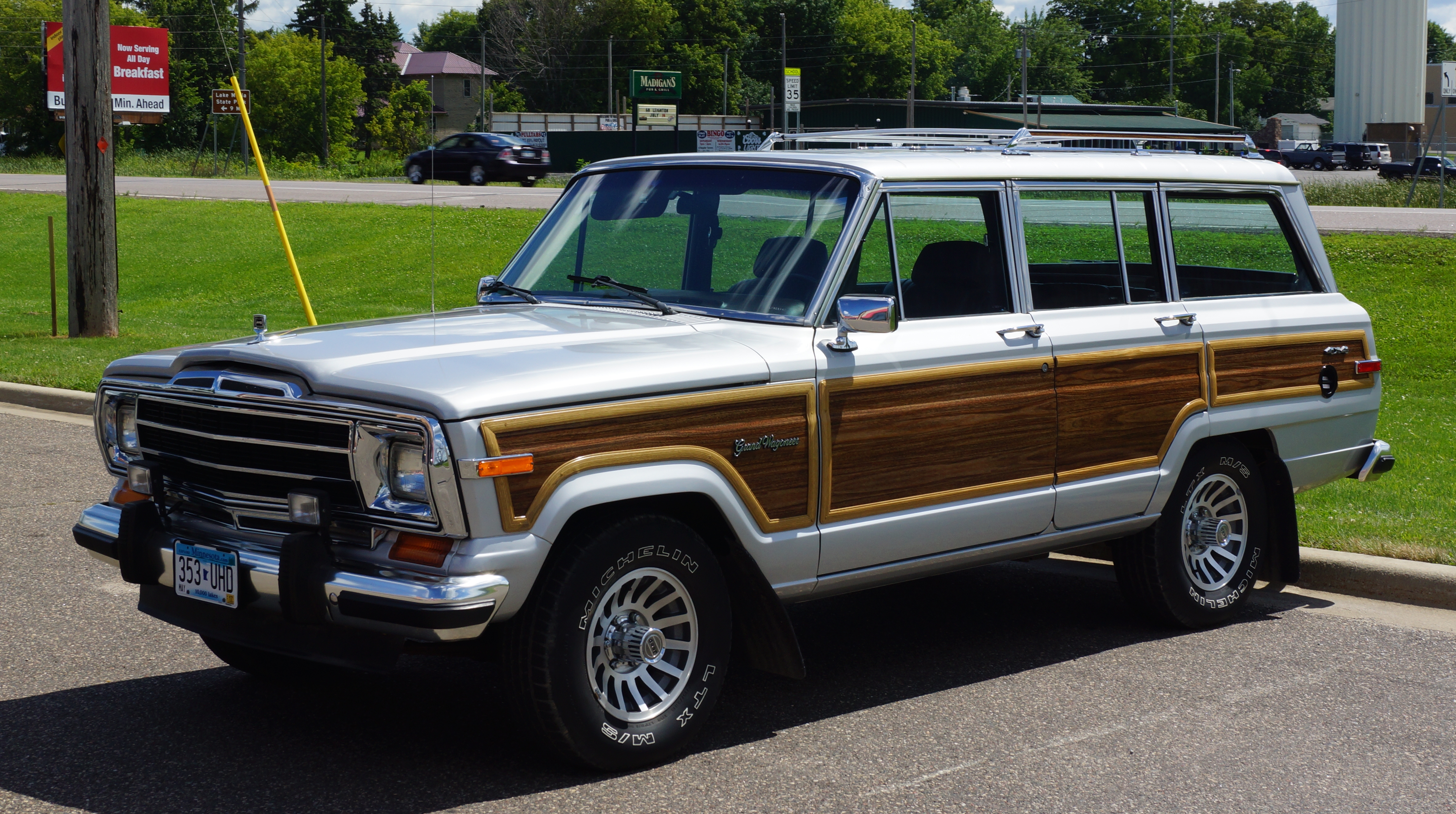
Over the years, the Wagoneer became known for its woodgrain side panels, a design choice that became a signature look. It competed with vehicles like the Ford Bronco and Chevrolet Suburban, but stood out for its blend of luxury and toughness.
Major Changes And Model Variations
The Wagoneer line evolved over time. In 1984, Jeep introduced the Grand Wagoneer, which became an instant classic.
This version focused even more on comfort, offering leather seats, plush carpeting, and advanced (for the time) sound systems.
Here’s a quick comparison of the main models:
| Model | Production Years | Main Features |
|---|---|---|
| Wagoneer (SJ) | 1963–1983 | Original design, manual and automatic options, woodgrain panels |
| Grand Wagoneer (SJ) | 1984–1991 | Luxury trim, V8 engine, full-time 4WD, upgraded interior |
| Wagoneer (XJ) | 1984–1990 | Based on Cherokee, compact size, modern features |
This table shows that the Wagoneer name was used on different platforms at the same time, creating some confusion for car buyers.
When Did Jeep Stop Making The Wagoneer?
To answer the main question: Jeep stopped making the original Grand Wagoneer after the 1991 model year. That means the last classic Grand Wagoneer rolled off the assembly line in 1991.
However, Jeep used the Wagoneer name on other models in the late 1980s. The compact Wagoneer (XJ), based on the Cherokee, was discontinued in 1990. But the vehicle most people remember—the full-size, luxury Grand Wagoneer—ended production in 1991.
Here’s a simple timeline:
| Year | Event |
|---|---|
| 1990 | Compact Wagoneer (XJ) discontinued |
| 1991 | Last Grand Wagoneer (SJ) produced |
After 1991, the Wagoneer name disappeared from Jeep’s new vehicle lineup for nearly three decades.
Why Did Jeep Stop Making The Wagoneer?
Several reasons led to the end of the classic Wagoneer:
- Aging Design: By the 1990s, the Wagoneer’s basic structure was almost 30 years old. It lacked modern safety and fuel economy features.
- Rising Fuel Prices: The V8 engine was powerful but not efficient. Rising gas prices made it less attractive.
- Competition: Newer SUVs like the Ford Explorer and Chevrolet Tahoe offered more up-to-date technology.
- Chrysler Takeover: Jeep’s parent company changed hands several times. After Chrysler took over in 1987, there was more pressure to modernize the lineup.
Many fans were sad to see the Wagoneer go, but Jeep decided it was time to move forward.

The Long Hiatus And The Modern Revival
For almost 30 years, the Wagoneer name was missing from new Jeep vehicles. During this time, the Grand Cherokee became Jeep’s main luxury SUV.
But demand for big, luxurious SUVs kept growing in the US.
In 2021, Jeep announced the return of the Wagoneer and Grand Wagoneer as all-new, full-size SUVs. These modern versions are packed with technology, comfort, and strong engines, designed to compete with brands like Cadillac and Lincoln.
A quick comparison of old vs new:
| Feature | 1991 Grand Wagoneer | 2022 Grand Wagoneer |
|---|---|---|
| Engine | 5.9L V8, 144 hp | 6.4L V8, 471 hp |
| Transmission | 3-speed automatic | 8-speed automatic |
| Fuel Economy (mpg) | ~11 | ~15 |
| Safety Features | Basic seatbelts | Advanced driver aids |
This table shows how much has changed in SUV technology since the original Wagoneer ended production.
Non-obvious Insights About The Wagoneer
Many beginners do not realize that the Wagoneer was one of the first SUVs to offer luxury features. At a time when most 4x4s were basic, the Wagoneer had options like power windows, cruise control, and even a CB radio.
Another lesser-known fact is that Jeep kept the same basic body style for almost 30 years. This is unusual in the car industry, where most models are redesigned every 5–7 years. This long life helped the Wagoneer build a loyal following.
The Wagoneer’s Legacy
The original Wagoneer set the standard for the modern luxury SUV. Its mix of comfort and capability inspired vehicles from many brands.
Even today, classic Wagoneers are popular with collectors and are known for their high resale value.
If you want to learn more about the Wagoneer’s history, the Wikipedia article is a helpful source.
Frequently Asked Questions
When Did Jeep Stop Making The Original Wagoneer?
Jeep stopped making the original Grand Wagoneer after the 1991 model year. The compact Wagoneer (based on the Cherokee) ended in 1990.
Why Did Jeep Discontinue The Wagoneer?
Jeep stopped making the Wagoneer because of aging design, poor fuel economy, new competition, and changes in company ownership.
Did Jeep Ever Bring Back The Wagoneer?
Yes, Jeep brought back the Wagoneer and Grand Wagoneer in 2021 as modern, full-size SUVs with new technology and features.
Are Old Jeep Wagoneers Valuable Today?
Classic Wagoneers, especially in good condition, can be very valuable. Some fully restored models sell for over $100,000.
What Made The Wagoneer Different From Other Suvs?
The Wagoneer was one of the first SUVs to offer luxury features. It set itself apart with comfort, style, and a long production run.
The Jeep Wagoneer’s story shows how a single vehicle can shape an entire segment. Even after production stopped, its influence can be seen in today’s top SUVs.