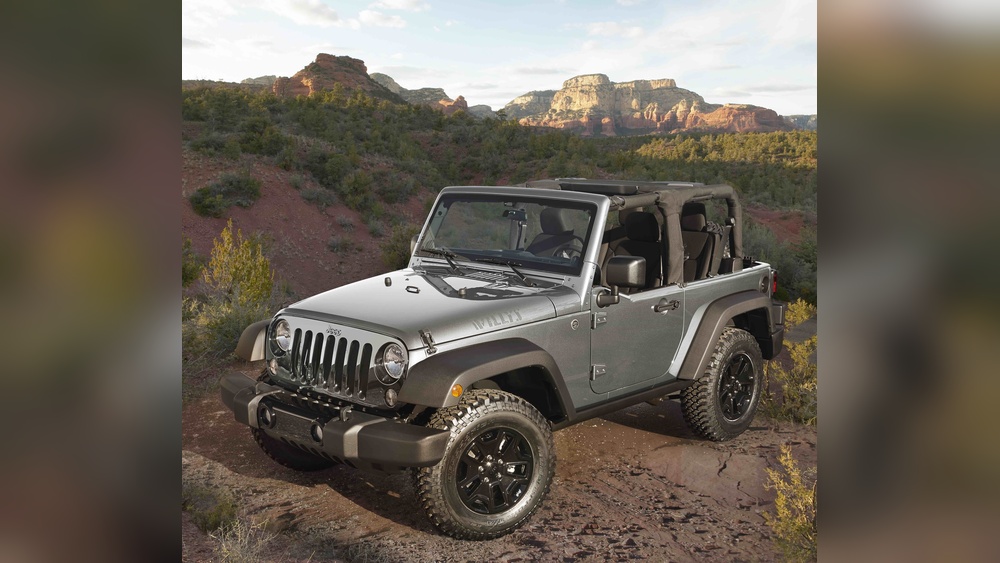
Jeep’s roots go deep into history, connecting war, innovation, and American culture. Today, Jeep is a brand known around the world for rugged SUVs and off-road capability.
But many people wonder: When did Jeep start, and what makes its story unique? The answer is more than a date.
It’s about how a simple vehicle changed history and became an icon on both battlefields and city streets.
The Birth Of Jeep: 1940s And World War Ii
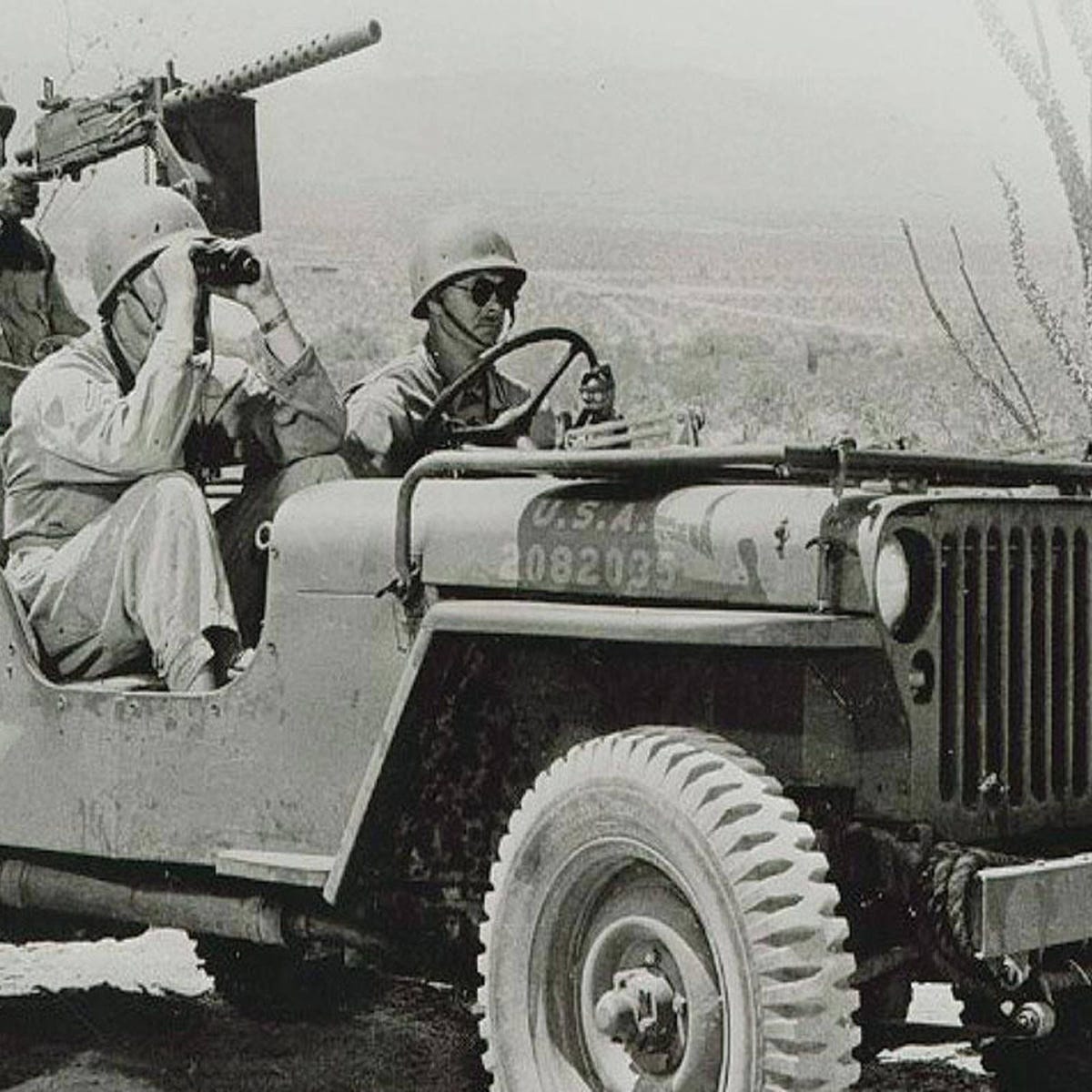
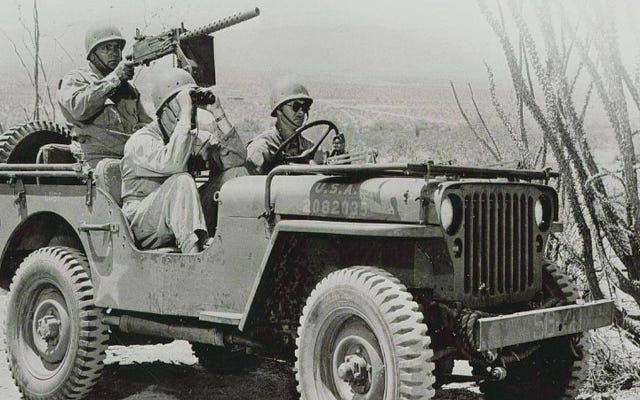
Jeep’s official beginning traces back to 1940, during the tense years before America entered World War II. The U.S. Army needed a light, tough, and fast vehicle to move soldiers and equipment. They sent specifications to over 130 car companies, but only three answered: Bantam, Willys-Overland, and Ford.
Bantam built the first prototype in just 49 days. The Army liked it but doubted Bantam could build enough. Willys and Ford were asked to make their own versions, leading to the famous Willys MB and Ford GPW models. By 1941, these Jeeps were rolling off assembly lines.
| Company | First Model | Year | Production Role |
|---|---|---|---|
| Bantam | BRC-40 | 1940 | Prototype, limited production |
| Willys-Overland | Willys MB | 1941 | Main producer |
| Ford | Ford GPW | 1941 | Main producer |
By the end of the war, over 600,000 Jeeps were built. They earned a reputation for durability and adaptability. Soldiers called it their best friend, and General Eisenhower said it was one of the tools that won the war.
How Jeep Got Its Name
Many people think “Jeep” comes from “General Purpose” or G.P., but this is not the full story. While “G.P.” was used in Ford’s model names, the word “Jeep” was already used in the 1930s as army slang for any new or untested vehicle.
Another theory says the name comes from Eugene the Jeep, a magical animal in the Popeye comic strip. Soldiers loved the Jeep’s ability to go anywhere, just like the cartoon character.
By 1941, “Jeep” was used by soldiers, and the name stuck. In 1950, Willys-Overland trademarked “Jeep,” making it official.
Jeep After World War Ii
With the war over, Willys wanted to keep making Jeeps for civilians. In 1945, they released the CJ-2A—the first Jeep people could buy. “CJ” meant “Civilian Jeep.” It was simple, strong, and ready for farms, ranches, or adventure.
Soon, Jeep models expanded for different uses:
- Willys Wagon (1946): The first all-steel station wagon.
- Willys Truck (1947): A pickup for workers.
- Jeepster (1948): A more stylish, open car for families.
The Jeep became popular with farmers, construction workers, and outdoor lovers. It proved it wasn’t just a military machine.
| Model | Year Introduced | Main Use |
|---|---|---|
| CJ-2A | 1945 | Farming, general use |
| Willys Wagon | 1946 | Family transport |
| Willys Truck | 1947 | Work, hauling |
| Jeepster | 1948 | Leisure, style |
Jeep Through The Decades
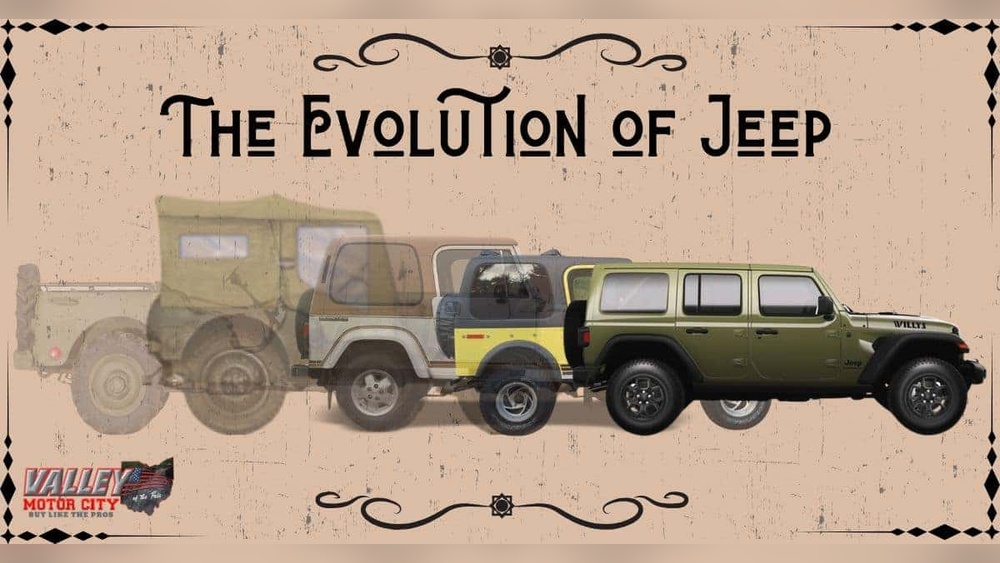
Jeep changed hands many times after the war. Willys-Overland became part of Kaiser Motors (1953), then American Motors Corporation (AMC) (1970), Chrysler (1987), and now belongs to Stellantis (since 2021).
Each owner added something new:
- In the 1960s, Jeep launched the Wagoneer, the first luxury 4×4 SUV.
- The CJ series kept improving, leading to the Wrangler in 1986.
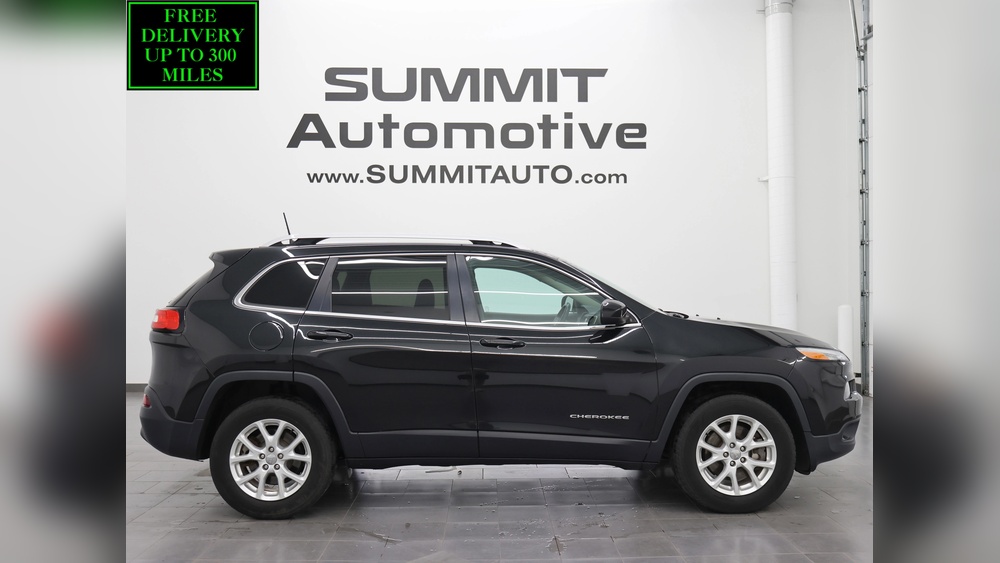
- The Cherokee (1984) introduced the modern SUV to families.
Even today, Jeep keeps its focus on off-road ability and adventure. New models like the Gladiator and Grand Cherokee combine comfort and performance.

Non-obvious Insights About Jeep’s Start
Many people believe Jeep was always a single company, but its early years were shaped by competition and government contracts. The Army’s need for mass production led to designs being shared between Willys and Ford, which is why some wartime Jeeps look nearly identical.
Another thing often missed is how civilian Jeeps helped rebuild America after the war. These tough vehicles were used in farming, forestry, and construction. They brought military technology to everyday life, showing how necessity drives innovation.
Jeep’s Place In Modern Culture
The Jeep brand is more than a vehicle; it’s a symbol of freedom and exploration. The seven-slot grille is recognized worldwide.
Jeep owners form clubs, organize off-road trips, and share a sense of community.
In recent years, Jeep has focused on new technology—hybrid engines, improved safety, and comfort—but the core idea remains: go anywhere, do anything.
Here’s a quick comparison of Jeep’s original purpose and its modern role:
| Era | Main Purpose | Key Features |
|---|---|---|
| 1940s | Military utility | Simplicity, durability, 4×4 |
| 1950s-1970s | Work and adventure | Versatility, civilian use |
| 1980s-present | Family, lifestyle, off-road | Comfort, technology, style |