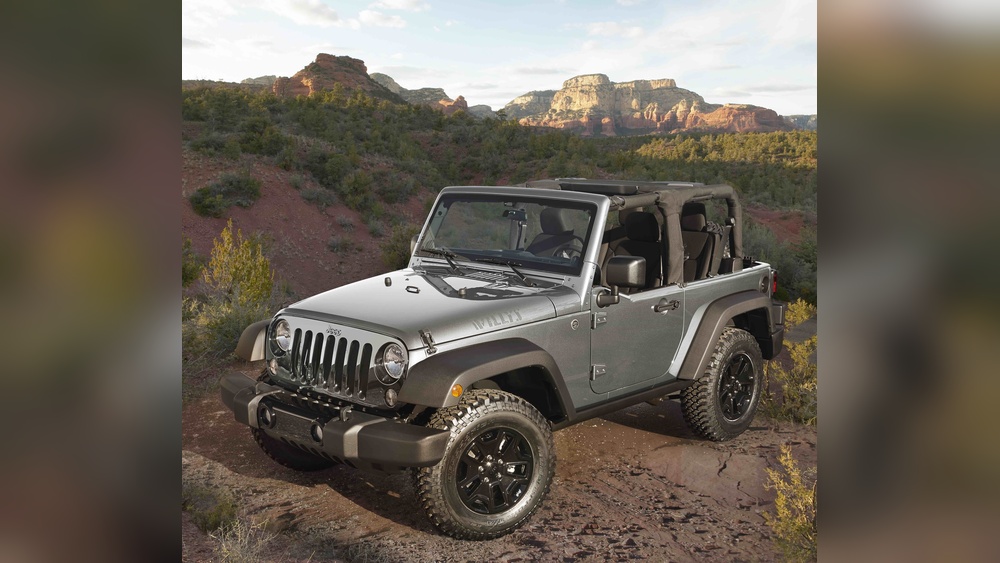
When people think of Jeep, they often imagine rugged vehicles climbing rocky trails or driving through mud. But few know the twists and turns behind Jeep’s corporate story.
One of the most important moments was when Jeep joined forces with Chrysler—a move that changed both companies and the American auto industry. This article explores when, why, and how Jeep became part of Chrysler, and what this meant for both brands.
Jeep Before Chrysler
The story of Jeep goes back to World War II. The U.S. military needed a reliable, off-road vehicle. Companies like Willys-Overland and Ford built the first Jeeps for soldiers. After the war, Willys kept making Jeeps for everyday drivers.
Over the decades, Jeep changed hands several times:
- 1953: Willys-Overland became Kaiser Motors
- 1970: Sold to American Motors Corporation (AMC)
- 1987: Jeep joined Chrysler
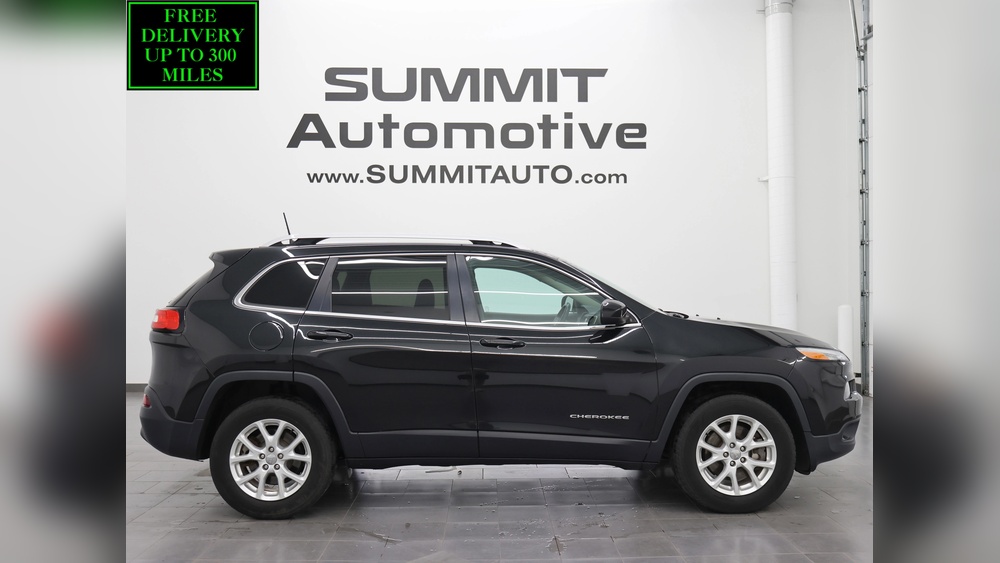
Each owner shaped Jeep’s identity. Under AMC, Jeep launched famous models like the Cherokee and Grand Wagoneer. Yet, AMC faced financial struggles in the 1980s, putting Jeep’s future at risk.
The Chrysler Acquisition: When And Why
Chrysler officially acquired Jeep in 1987. The story is more than just a date, though. Here’s why and how it happened.
The Deal
Chrysler bought American Motors Corporation for $1.5 billion in August 1987. The main reason? Jeep. AMC had other cars, but Jeep was its true prize.
Why Chrysler Wanted Jeep
In the 1980s, SUVs were becoming popular. Jeep had a strong reputation for off-road vehicles and growing sales. Chrysler, on the other hand, lacked a competitive SUV. By buying AMC, Chrysler got:
- The Jeep brand and all its models
- AMC’s engineering talent
- Access to the profitable SUV market
Chrysler’s CEO at the time, Lee Iacocca, saw Jeep as a way to boost Chrysler’s image and profits. This bold move helped Chrysler compete with giants like Ford and GM.
A Look At The Numbers
To see Jeep’s value, compare AMC’s Jeep sales to Chrysler’s SUV sales before the merger:
| Year | Jeep Sales (AMC) | Chrysler SUV Sales |
|---|---|---|
| 1986 | 220,000 | None |
| 1987 | 240,000 | None |
Chrysler had no real SUV presence, while Jeep sales kept growing.
What Changed After The Merger
The merger brought several key changes to both companies.
New Investments
Chrysler put money into modernizing Jeep factories, especially the plant in Toledo, Ohio. This meant better quality and more vehicles produced each year.
Expanded Model Range
With Chrysler’s resources, Jeep could launch new models. The Jeep Grand Cherokee (released in 1992) became one of the most popular SUVs in the 1990s. Other models, like the Jeep Liberty, also came after the merger.
Jeep’s Global Reach
Chrysler’s international connections helped Jeep sell vehicles worldwide. Before, Jeep was mostly known in the US.
After joining Chrysler, the brand expanded into new markets in Europe, Asia, and beyond.
Comparison: Jeep Before And After Chrysler
Here is a quick look at how Jeep changed after the merger:
| Period | Number of Models | Annual Production (Approx.) | Global Presence |
|---|---|---|---|
| Pre-Chrysler (1980s) | 2-3 | 200,000 | Mainly US |
| Post-Chrysler (1990s) | 4-5 | 400,000+ | Worldwide |
The numbers show how Chrysler helped Jeep grow.
Two Insights Most People Miss
- Engineering Talent: Many people think Chrysler only wanted Jeep’s brand. But AMC had some of the best engineers in the business. After the merger, these experts helped Chrysler develop new vehicles, not just Jeeps. For example, the Dodge Ram pickup got improvements from former AMC engineers.
- Platform Sharing: Chrysler used Jeep’s tough four-wheel-drive systems in other vehicles. This allowed Chrysler to launch new SUVs and crossovers more quickly and cheaply.

The Long-term Impact
Chrysler’s acquisition of Jeep was a turning point for both brands. Jeep gave Chrysler a strong position in the growing SUV market.
In return, Chrysler gave Jeep the money and network to become a global leader.
There were challenges, too. Chrysler later merged with Daimler-Benz in 1998, then went through bankruptcy in 2009. Even during tough times, Jeep remained the most valuable asset in the Chrysler group.
Today, Jeep is part of Stellantis, a huge auto company formed in 2026. But the 1987 deal with Chrysler set the stage for everything that followed.
Frequently Asked Questions