Understanding Wheel Wells For Your Jeep Wrangler
The Jeep Wrangler is an icon of off-road capability. Its rugged design and legendary performance are instantly recognizable.
But beyond the tough exterior and powerful engine, there are many specialized components that contribute to its off-road prowess. Among these, the wheel wells play a surprisingly critical role.
Often overlooked, these areas around the wheels are more than just empty spaces; they are carefully engineered to accommodate large tires, protect vital components, and even enhance performance.
Whether you're a seasoned off-roader or just starting to explore the capabilities of your Jeep, understanding wheel wells is key to maximizing your vehicle's potential and ensuring its longevity.
This article will explore everything you need to know about Jeep Wrangler wheel wells. We’ll discuss their function, the different types available, common modifications, maintenance tips, and why they are so important for any Wrangler owner looking to push their vehicle to its limits.
The Essential Role Of Jeep Wrangler Wheel Wells
At their core, wheel wells, also known as fender wells or wheel arches, are the curved housings that surround a vehicle’s wheels. For a Jeep Wrangler, their importance is amplified due to the nature of the vehicle. They are designed to provide clearance for the tires, especially when the suspension articulates during off-road driving. This clearance is crucial for several reasons:
- Tire Clearance for Articulation: Off-roading often involves uneven terrain. When a Jeep’s suspension moves up and down to keep the tires in contact with the ground, the wheels move through a significant range of motion. Wheel wells must be large enough to prevent the tires from rubbing against the body of the vehicle during this suspension articulation. Without adequate clearance, tires can tear away body panels, damage suspension components, or even cause a loss of control.
- Protection of Components: The wheel well area houses or protects several critical components. This includes parts of the suspension system (like shocks, springs, and control arms), brake lines, wiring harnesses, and sometimes even the vehicle’s frame. The wheel well acts as a shield, protecting these parts from debris, water, mud, rocks, and impacts encountered during driving, both on and off-road.
- Aerodynamics and Aesthetics: While less critical for extreme off-roading, wheel wells also contribute to a vehicle’s overall aerodynamics by managing airflow around the wheels. Aesthetically, they define the vehicle’s stance and contribute to its rugged appearance. For the Wrangler, their design is often a key part of its iconic look.
- Mud and Debris Management: When driving through mud, snow, or gravel, the tires can fling debris outwards. Wheel wells help to contain this material, preventing it from being thrown excessively onto the windshield, side windows, or other parts of the vehicle. This improves visibility and reduces wear and tear on paint and body panels.
Types Of Wheel Wells On Jeep Wranglers
Jeep Wranglers have evolved over the decades, and so have their wheel well designs. While the fundamental purpose remains the same, the specific construction and features can vary.
Factory (oem) Wheel Wells
Stock Jeep Wranglers come equipped with factory wheel wells. These are designed to accommodate the original equipment manufacturer (OEM) tire sizes and provide a balance between off-road capability, on-road comfort, and legal road requirements for tire coverage.
- Design: OEM wheel wells are typically made of sturdy plastic or composite materials, sometimes with metal fender flares integrated. They are shaped to provide just enough clearance for the stock tires under normal driving conditions.
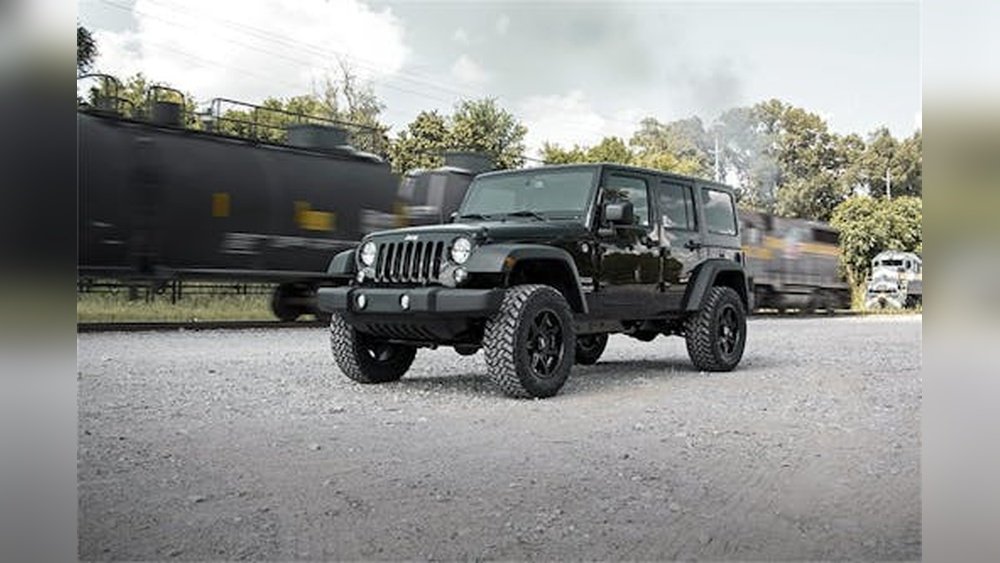
- Limitations: For owners who want to install larger, more aggressive off-road tires, the factory wheel wells often become a limiting factor. They can cause tire rub when turning or when the suspension is compressed, especially on models like the JK and JL Wranglers which tend to have less clearance than older models.
- Functionality: They effectively protect components and manage moderate amounts of mud and debris. They also meet legal requirements in most regions regarding how much of the tire must be covered by the fender.
Aftermarket Fender Flares And Extended Wheel Wells
To overcome the limitations of factory wheel wells, especially when fitting larger tires, many Wrangler owners opt for aftermarket solutions. These primarily involve replacing or augmenting the factory fender flares.
- Aftermarket Fender Flares: These are a popular upgrade. They can be made from various materials like ABS plastic, aluminum, or steel.
- Pocket-Style Flares: These often feature a bolt-on look, giving a more rugged aesthetic. They provide a few extra inches of tire clearance compared to stock.
- OE-Style Flares: These mimic the look of factory flares but are often made from more durable materials or offer slightly more clearance.
- High-Fender Flares: These are designed to provide significantly more tire clearance, allowing for larger tires without extensive body modification. They often extend higher up the fender line.
- Flat-Top Flares: These offer a wider stance and more room for tire travel.
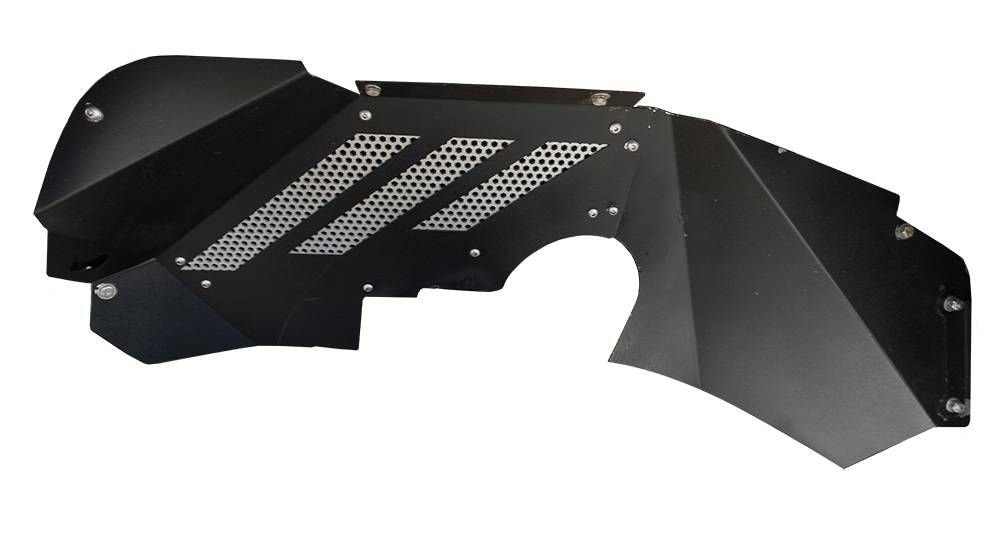
- Extended Wheel Wells (Fender Liners): Sometimes, even with aftermarket flares, the inner fender liners can restrict tire movement. Upgrading these liners can provide additional clearance. These are often made from more durable materials like polyethylene, which can better withstand impacts from rocks and debris. They are designed to be more robust than the stock plastic liners.
- Cutting/Trimming Factory Fenders: A more aggressive approach involves cutting or trimming the factory fender flares and sometimes the plastic inner fender liners to gain clearance. This is a cost-effective way to fit slightly larger tires but requires careful measurement to ensure a clean look and legal compliance.
High-clearance Fenders
For serious off-roaders, high-clearance fenders are a significant upgrade. These are not just flares; they are often complete fender replacements designed to maximize tire clearance and protect the body.
- Design: They typically extend much higher up the side of the Jeep and often have a more angled or cut-out design at the top. This allows for extremely large tires (e.g., 37 inches or larger) and significant suspension articulation without rubbing.
- Materials: High-clearance fenders are usually constructed from durable materials like steel or heavy-duty aluminum to withstand off-road abuse.
- Benefits: They offer the most tire clearance, improve approach angles in some cases, and provide robust protection.
- Considerations: They can be more expensive and may require some bodywork or modification to install. They can also alter the vehicle’s appearance significantly.
Modifying Jeep Wrangler Wheel Wells: What You Need To Know
Modifying your Jeep Wrangler’s wheel wells, primarily through fender flares or cutting, is one of the most common upgrades. The main goal is almost always to fit larger tires.
Why Fit Larger Tires?
Larger tires offer significant advantages off-road:
- Better Traction: Taller tires have a larger contact patch with the ground, providing more grip on various surfaces like rocks, mud, and sand.
- Improved Obstacle Traversal: Taller tires can roll over obstacles more easily, allowing you to maintain momentum and avoid getting stuck.
- Increased Ground Clearance: Taller tires lift the entire vehicle, increasing the ground clearance under the axles and the differential, which are often the lowest points on a Jeep.
Common Modifications And Their Impact
- Installing Aftermarket Fender Flares:
- Process: This usually involves removing the factory flares and installing the new ones. Installation can range from simple bolt-on procedures to more complex installations requiring drilling.
- Impact: Most aftermarket flares provide an additional 1-4 inches of tire clearance over stock. This is often enough to clear tires up to 33 or 35 inches in diameter without major issues, depending on the specific flare and tire size.
- Considerations: Ensure the flares are made from durable materials. Check local regulations regarding tire coverage.
- Cutting Factory Fenders:
- Process: This involves using a cutting tool (like a Sawzall or Dremel) to carefully remove sections of the factory fender flares and sometimes the plastic inner fender liners.
- Impact: This can provide a surprising amount of extra clearance for a minimal cost. It’s a popular choice for those who want to fit 33-inch or slightly larger tires without buying expensive aftermarket fenders.
- Considerations: This is a permanent modification. It requires careful measurement and execution to avoid an uneven or unprofessional look. You’ll also need to ensure that no vital components are exposed or damaged.
- Installing High-Clearance Fenders:
- Process: This is a more involved modification, often requiring the removal of the entire factory fender assembly. Installation can vary greatly depending on the manufacturer.
- Impact: These fenders offer the most clearance, often allowing for 37-inch tires or even larger with appropriate suspension modifications. They provide excellent protection and can improve approach angles.
- Considerations: These are a significant investment. They can also change the vehicle’s overall look and may require adjustments to other body components.
Important Considerations Before Modifying
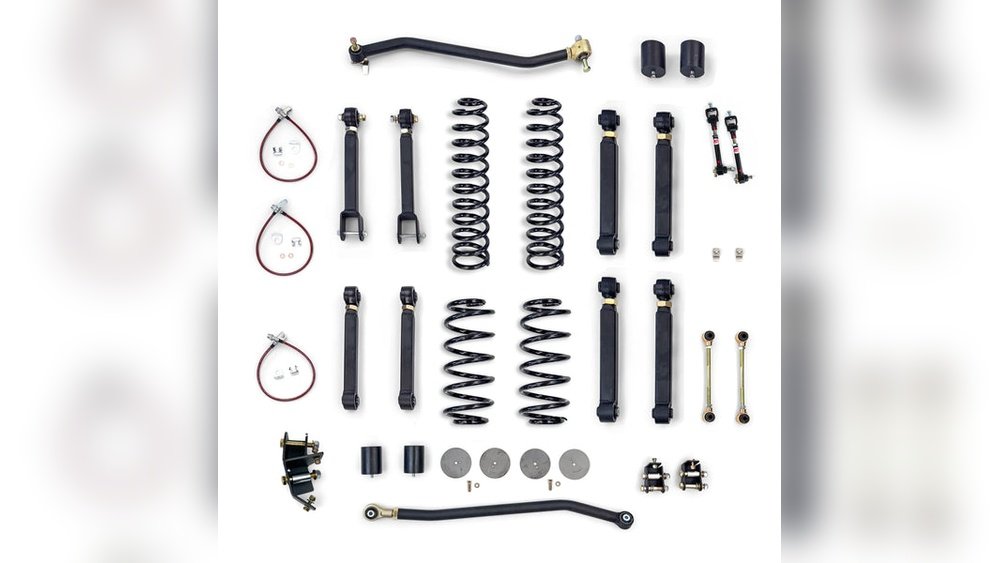
- Tire Size vs. Suspension: Fitting larger tires isn’t just about fender clearance. You also need to consider your suspension system. If you have a stock suspension, even with fender modifications, you might experience issues like excessive body roll, poor ride quality, or limited articulation. Many owners upgrade their suspension (lift kits) when fitting larger tires.
- Gearing: Larger tires have a greater diameter and rotational mass. This means your Jeep’s engine has to work harder to turn them. If you plan on significantly increasing tire size (e.g., going from 33 inches to 37 inches), you will likely need to re-gear your axles to restore proper performance and fuel economy.
- Re-gearing: This involves replacing the ring and pinion gears inside your Jeep’s differentials. It’s a specialized job that requires precision. For example, a common re-gear for 35-inch tires on a JK Wrangler might involve changing from a 3.73 gear ratio to a 4.56 or 4.88 ratio.
- Body Mount Chop (BMC): For some tire sizes and suspension setups, even with fender modifications, the body mount behind the front tire can interfere with steering and articulation. A BMC is a modification where a section of the body mount is cut out and re-welded to provide clearance.
- Legal Requirements: Many regions have laws about how much of the tire must be covered by fender flares. Always check your local laws before making modifications to ensure your Jeep remains street-legal.
- Aesthetics: Consider how the modifications will look. Some aftermarket flares have a distinct style, and cutting fenders requires precision to avoid an amateur look.

Maintenance And Care For Jeep Wrangler Wheel Wells
Proper maintenance of your wheel wells is crucial for preventing rust, protecting components, and ensuring the longevity of your Jeep, especially if you frequently drive off-road.
Cleaning After Off-roading
After a day of mudding, rock crawling, or trail riding, your wheel wells will likely be caked with mud, dirt, and debris. Thorough cleaning is essential.
- Initial Rinse: Use a high-pressure washer to remove the bulk of the mud and grime. Pay close attention to the inner surfaces of the wheel wells.
- Scrubbing: Use a stiff brush and an automotive-specific cleaner or degreaser to scrub away any stubborn dirt or tar. If you have aftermarket flares, clean them according to the manufacturer’s recommendations.
- Detailing: After cleaning, consider applying a protectant to plastic components like fender liners and flares. This can help prevent them from drying out, cracking, and fading over time. For metal fenders, a coat of wax can offer some protection against the elements.
- Inspect for Damage: While cleaning, take the opportunity to inspect the wheel wells for any signs of damage, such as cracks, dents, or loose components. Also, check the integrity of the inner fender liners and any protective coatings on the body.
Protecting Against Corrosion
The wheel well area, especially the inner fender and the edges of the body panels, can be susceptible to rust and corrosion, particularly in areas with salted roads or high humidity.
- Undercoating: Consider applying an undercoating or rustproofing treatment to the inside of the wheel wells. These products create a barrier that helps protect the metal from moisture and road salt.
- Rust Prevention Spray: For older Jeeps or those in harsh climates, periodically applying a rust prevention spray (like Fluid Film or Woolwax) can be very beneficial. These products creep into seams and crevices, displacing moisture and preventing rust formation.
- Repairing Damage Promptly: If you notice any chips in the paint or minor damage to the body panels within the wheel well area, address them promptly. Small areas of exposed metal can quickly turn into significant rust issues if left untreated.
Checking And Tightening Components
The vibrations and impacts of off-roading can cause bolts and fasteners to loosen over time.
- Regular Inspection: Periodically check that fender flares, inner fender liners, and any associated brackets are securely fastened.
- Torque Specifications: If you’ve installed aftermarket components, refer to the manufacturer’s instructions for proper torque specifications. Over-tightening can strip threads or damage components, while under-tightening can lead to rattling or parts coming loose.
Common Issues And Troubleshooting
Even with proper maintenance, issues can arise with Jeep Wrangler wheel wells.
Tire Rubbing
This is the most common problem, especially after installing larger tires.
- Cause: Insufficient clearance between the tire and the fender flare, inner fender liner, or body mount.
- Solution:
- Trim Fenders/Liners: Carefully cut back the offending parts.
- Install Larger Fender Flares: Upgrade to aftermarket flares that offer more clearance.
- Body Mount Chop (BMC): If the body mount is the issue, a BMC may be necessary.
- Adjust Steering Stops: For minor rubbing at full steering lock, adjusting the steering stops can help, but this will slightly reduce your turning radius.
- Suspension Lift: A suspension lift can provide additional clearance, though it doesn’t directly address fender rubbing unless it allows for larger tires that then need fender modification.
Damaged Fender Liners
Inner fender liners are often made of plastic and can be brittle, especially in cold weather. They can crack or break from impacts with rocks or debris.
- Cause: Rock impacts, freezing temperatures, or simply age and wear.
- Solution:
- Repair: Minor cracks can sometimes be repaired with plastic welding or strong adhesive.
- Replace: Damaged liners are relatively inexpensive to replace with OEM or aftermarket options. Aftermarket liners made from more