Illuminate Your Jeep Wrangler: A Comprehensive Guide To Wheel Lights
Your Jeep Wrangler is more than just a vehicle; it’s a statement. It’s built for adventure, for the open road, and for standing out.
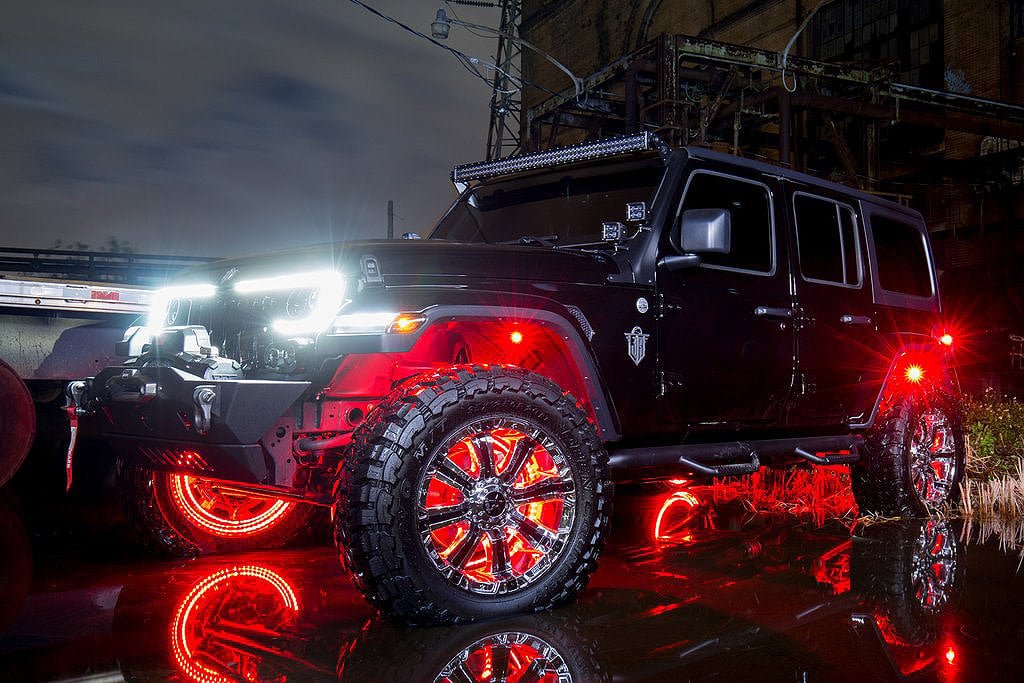
And what better way to enhance its already rugged and adventurous persona than with wheel lights? These vibrant additions can transform your Jeep from impressive to absolutely breathtaking, especially when the sun goes down.
Whether you’re cruising through the city, navigating off-road trails at dusk, or simply want to add a personal touch to your ride, wheel lights offer a unique and eye-catching customization option.
But choosing the right wheel lights can feel like navigating a maze. With so many options, styles, and technical details, it’s easy to get lost.
This guide is here to simplify that process. We’ll explore the different types of wheel lights available for your Jeep Wrangler, discuss what factors to consider before buying, guide you through the installation process, and offer tips to keep them looking their best.
Get ready to shine a new light on your Wrangler.
Understanding The Types Of Jeep Wrangler Wheel Lights
When you start looking for wheel lights, you’ll quickly find there isn’t just one kind. They vary in how they are powered, how they are mounted, and the effects they produce.
Knowing these differences will help you pick the perfect set for your needs and style.
Led Wheel Rings
These are perhaps the most popular type of wheel light for Wranglers. They consist of LED strips or modules mounted on a ring that fits around your brake rotor or wheel hub.
- How they work: The ring is typically powered by your Jeep’s 12V system, often wired to your headlights or an auxiliary switch. When activated, the LEDs illuminate outwards, casting a glow around your wheels.
- Pros: Very bright, wide variety of colors (including RGB options that can change colors), durable, and designed to withstand the elements. They offer a striking, uniform halo effect.
- Cons: Installation can be more involved, often requiring some wiring. They can also be more expensive than other options.
- Styles: You’ll find single-color rings (red, blue, white, etc.) And RGB wheel rings that allow you to change colors via a remote or smartphone app. Some advanced kits offer sequential or chasing light patterns.
Led Wheel Well Lights
Instead of encircling the wheel itself, these lights are mounted inside the wheel well, pointing downwards or outwards.
- How they work: These are typically LED pods or strips that are wired to your Jeep’s power. They illuminate the area around the wheel, under the fender flares.
- Pros: Can create a dramatic underglow effect that highlights your tires and suspension components. Installation might be simpler than wheel rings for some setups.
- Cons: The light might not be as evenly distributed as with wheel rings. They can be more susceptible to dirt and water spray from the road.
- Styles: Available in single colors or multi-color options, similar to wheel rings. Some kits come with different beam patterns for varied lighting effects.
Spoke Lights / Hub Lights
These lights are designed to attach directly to the spokes of your wheels or to the center hub.
- How they work: Each light unit is mounted individually onto the wheel. They are often powered by small, self-contained batteries or wired into the vehicle’s electrical system.
- Pros: Can offer a unique, dynamic look as the wheel spins. Some battery-powered options are very easy to install.
- Cons: Battery-powered versions require regular battery changes. Wired versions can be complex to install across multiple wheels. The light output might be less intense compared to wheel rings.
- Styles: Often come in sets for multiple spokes or a single unit for the center cap. Colors are usually fixed.
Underglow Kits With Wheel Accent
While not strictly wheel lights, some underglow kits include accent lights that can be strategically placed to illuminate the wheels.
- How they work: These are LED strips or pods mounted under the chassis of your Jeep. Some kits have extensions or additional pods designed to be mounted near the wheel wells.
- Pros: Provides a comprehensive lighting solution for the entire vehicle. Can be controlled together for a unified look.
- Cons: The wheel lighting effect might be secondary and less pronounced compared to dedicated wheel lights.
- Styles: Wide range of colors and effects available, often controlled by a central unit.
Key Factors To Consider Before Buying
Picking the right wheel lights involves more than just choosing a color. Several practical considerations will ensure you get a product that fits your Wrangler, your budget, and your expectations.
Durability And Weatherproofing
Your Jeep Wrangler is designed to go off-road and face the elements. Your wheel lights need to keep up. Look for products with a high IP rating (Ingress Protection). An IP67 or IP68 rating means the lights are dust-tight and protected against immersion in water, which is crucial for surviving mud, rain, and car washes. Materials like aircraft-grade aluminum for housings and shatterproof polycarbonate lenses add to the durability.
Brightness And Light Output
The intensity of the light is a major factor. LED technology has advanced significantly, offering very bright options. Consider the lumens output if available, but also look at how the light is diffused. Some lights have focused beams, while others are designed for a wider spread. For wheel rings, you want a light that wraps evenly around the wheel. For wheel well lights, you might prefer a broader, more ambient glow.
Color Options And Control
Do you want a classic, single color like cool white or a vibrant blue? Or are you looking for the versatility of RGB or RGBW (which adds a dedicated white LED for purer white light)? RGBW systems offer a wider spectrum of colors and better white light than standard RGB. Control methods also vary: some use simple wired switches, others come with wireless remotes, and the most advanced connect via Bluetooth to a smartphone app. App control often allows for custom color mixing, brightness adjustments, and dynamic lighting patterns.
Power Source And Installation
- Wiring: Most high-quality wheel lights require wiring into your Jeep’s 12V system. This can involve tapping into headlight circuits, running wires to the battery, or installing an auxiliary fuse box. Some DIYers find this straightforward, while others may prefer professional installation.
- Battery-Powered: Some simpler spoke or accent lights run on batteries. These are easier to install but require periodic battery replacement, which can be inconvenient and costly over time.
- Complexity: Wheel rings often require mounting directly to the hub or rotor assembly, which can be a more involved process. Wheel well lights might simply be stuck or screwed into place within the fender well.
Fitment And Size
Wheel lights need to fit your specific Jeep Wrangler model and wheel size.
- Wheel Size: For wheel rings, ensure the diameter matches your wheel size (e.g., 17-inch, 18-inch, 20-inch).
- Mounting Location: Some wheel rings mount behind the brake rotor, while others fit around the hub. Check compatibility with your brake system and suspension components.
- Tire Clearance: Ensure the lights won’t interfere with your tires, especially when turning or off-roading.
Legality
This is a crucial point often overlooked. In many states and countries, colored lights visible from the front or sides of the vehicle can be illegal, especially red and blue, which are often reserved for emergency vehicles. Check your local laws regarding auxiliary lighting colors and placement before purchasing. White and amber are generally safer bets for front-facing applications, while underbody and wheel lights might have more relaxed regulations, but it’s always best to verify.
Popular Brands And Product Examples
While specific product recommendations can change rapidly, understanding the types of offerings from reputable brands can guide your search. Many companies specialize in automotive LED lighting and offer kits specifically for Jeeps.
Here’s a look at some common product types you might encounter:
| Feature | Product Type 1: LED Wheel Rings (RGBW) | Product Type 2: LED Wheel Well Pods (Single Color) | Product Type 3: Spoke Lights (Battery) |
|---|---|---|---|
| **Mounting** | Around brake rotor/hub | Inside wheel well | On wheel spokes |
| **Power** | Vehicle 12V system | Vehicle 12V system | Replaceable batteries |
| **Brightness** | High | Medium to High | Low to Medium |
| **Color Options** | Full RGBW spectrum, patterns | Single color (e.g., blue, white) | Single color (e.g., red, green) |
| **Control** | App/Remote | Switch/Remote | On/Off switch |
| **Durability** | High (IP67/68) | Medium (IP67) | Low to Medium |
| **Installation** | Moderate to Complex | Simple to Moderate | Very Simple |
| **Typical Use** | Show, street | Off-road accents, street | Decorative accents |
When researching brands, look for those with a strong track record in automotive lighting, good customer reviews, and clear product specifications regarding durability and power consumption. Some well-regarded names in the aftermarket lighting space include Oracle Lighting, Rigid Industries, KC HiLiTES, and various specialized Jeep accessory manufacturers.
Installation Guide: Getting Your Wheel Lights On
Installing wheel lights can range from a simple afternoon project to a more involved electrical undertaking. The complexity largely depends on the type of light and how you choose to wire it.
General Steps For Led Wheel Rings
Warning: Working with your vehicle’s electrical system can be risky if not done correctly. If you are not comfortable with basic wiring, it’s best to seek professional installation. Incorrect wiring can damage your vehicle’s electronics or cause fire hazards.
- Preparation: Gather your tools. You’ll likely need socket wrenches, screwdrivers, wire strippers, crimpers, electrical tape, zip ties, and potentially a multimeter. Ensure your Jeep is parked on a level surface with the parking brake engaged. It’s often easier to work on one wheel at a time.
- Mounting the Rings:
- Wheel Removal: For most wheel ring installations, you’ll need to remove the wheel.
- Cleaning: Clean the mounting surface thoroughly (hub or rotor area).
- Positioning: Place the light ring around the hub or rotor as per the manufacturer’s instructions. Some rings secure with provided hardware, while others might use adhesive or friction fit. Ensure the ring is centered and sits flush.
- Wiring the Lights: This is the most critical step.
- Power Source: Decide where to draw power. Common options include:
- Headlights: Lights turn on with your headlights. Requires tapping into headlight wiring.
- Accessory Power: Connect to a switched accessory circuit so they only work when the ignition is on.
- Direct to Battery (with Fuse): For constant power or use with a separate switch. Always use an inline fuse to protect against short circuits.
- Running Wires: Route the wiring harness from the wheel well towards the engine bay or your chosen power source. Use zip ties to secure the wiring neatly along the chassis or brake lines, ensuring it won’t snag or get damaged. Keep wires away from moving parts like suspension components and steering linkages.
- Connecting: Use appropriate connectors (butt connectors, T-taps, or solder) to splice into the power source. Ensure all connections are secure and insulated with electrical tape or heat shrink tubing.
- Grounding: Connect the ground wire to a clean metal point on the chassis.
- Testing: Before reassembling everything, temporarily connect the lights and test them. Turn on your headlights or the switch you used to verify they illuminate correctly. Check all colors and functions if using RGB.
- Reassembly: Once tested, reattach the wheel securely. Torque the lug nuts to the manufacturer’s specifications.
- Final Touches: Tidy up any loose wiring. Secure any excess wire length. Ensure all components are safely tucked away and protected.
Installation For Wheel Well Pods
- Positioning: Place the LED pods inside the wheel well, deciding on the best angle for illumination. Many pods have adjustable brackets.
- Mounting: Secure the pods using the provided screws or strong automotive-grade adhesive tape. Ensure they are firmly attached.
- Wiring: Route the wires similarly to the wheel rings, connecting them to a power source (headlights, accessory, or switched power).
- Testing & Securing: Test the lights and secure all wiring before use.
Pro Tip: The Relay Advantage
For higher-powered LED setups, especially if you’re tapping into existing circuits, consider using a relay. A relay acts as an electronic switch. It allows a low-current signal (from your headlight switch, for example) to control a high-current circuit (powering the bright LEDs). This prevents overloading your original wiring and protects your Jeep’s sensitive electronics. Most comprehensive LED kits will include a relay in their wiring harness.
Maintenance And Care For Your Wheel Lights
To keep your wheel lights looking bright and functioning correctly for years to come, a little regular maintenance goes a long way.
Regular Cleaning
- After Off-Roading: Mud, dirt, and debris can accumulate quickly, especially on wheel lights. After any off-road excursions, give your wheels and lights a good rinse with a hose. Use a soft brush or cloth with mild soap to gently clean the lights if necessary.
- Car Washes: Be mindful when using high-pressure car washes. While most quality wheel lights are weatherproof, extremely high pressure directed at seals for extended periods could potentially compromise them over time. It’s often best to aim the pressure wand away from the lights or use a gentler wash method.
Inspecting Wiring And Connections
Periodically (every few months or after significant off-road use), check the wiring and connections:
- Loose Wires: Ensure all wires are securely fastened with zip ties and haven’t come loose.
- Abrasion: Look for any signs of rubbing or abrasion on the wiring insulation. If you find any, repair it immediately with electrical tape or heat shrink tubing.
- Corrosion: Check connection points for any signs of corrosion, especially if you live in an area with salted roads in winter. Clean and re-seal connections if necessary.
Checking Mountings
Ensure the light assemblies themselves are still securely mounted. Vibration and impacts can loosen



















