The Jeep Liberty is a compact SUV that holds a special place in Jeep’s history. Many people wonder when this model was available, what made it unique, and how it compares to other vehicles in its class.
If you’re considering buying a used Jeep Liberty or simply curious about its legacy, this article will give you clear answers and practical insights.
Jeep Liberty Production Years
The Jeep Liberty was produced in two main generations:
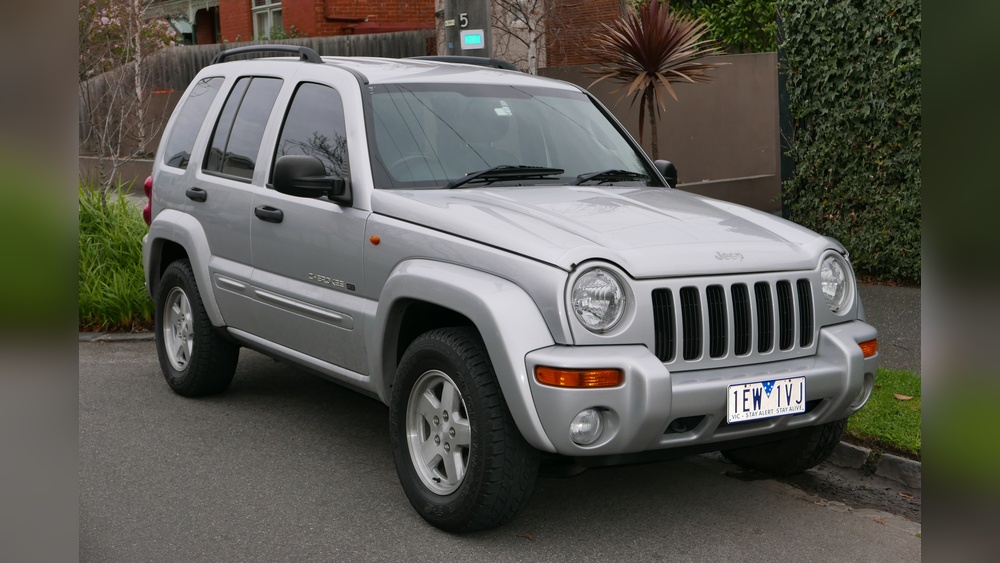
- First generation: 2002–2007
- Second generation: 2008–2012
That means the Jeep Liberty was made for a total of 11 model years. Chrysler launched the Liberty to replace the Jeep Cherokee (XJ) in North America. After 2012, Jeep stopped producing the Liberty and introduced the Cherokee (KL) as its successor.
Here’s a quick overview of the production timeline:
| Generation | Model Years | Main Changes |
|---|---|---|
| First Generation (KJ) | 2002–2007 | Round styling, first Jeep with rack-and-pinion steering |
| Second Generation (KK) | 2008–2012 | Boxier look, improved interior, new tech features |
Key Features And Updates By Year
Every model year brought some changes. Let’s break down what made certain years stand out.
First Generation (2002–2007)
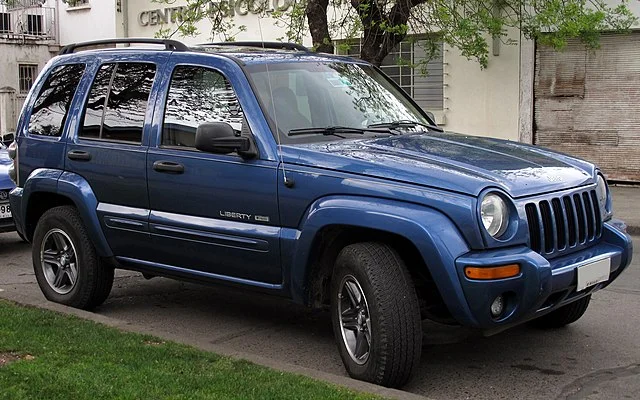
- 2002: Liberty debuts. Offered with 2.4L I4 or 3.7L V6 engine. First Jeep to use rack-and-pinion steering.
- 2005: Diesel engine (2.8L CRD) available for a short time. This was unusual for American SUVs.
- 2007: Last year for this body style. Some special editions released.
Second Generation (2008–2012)
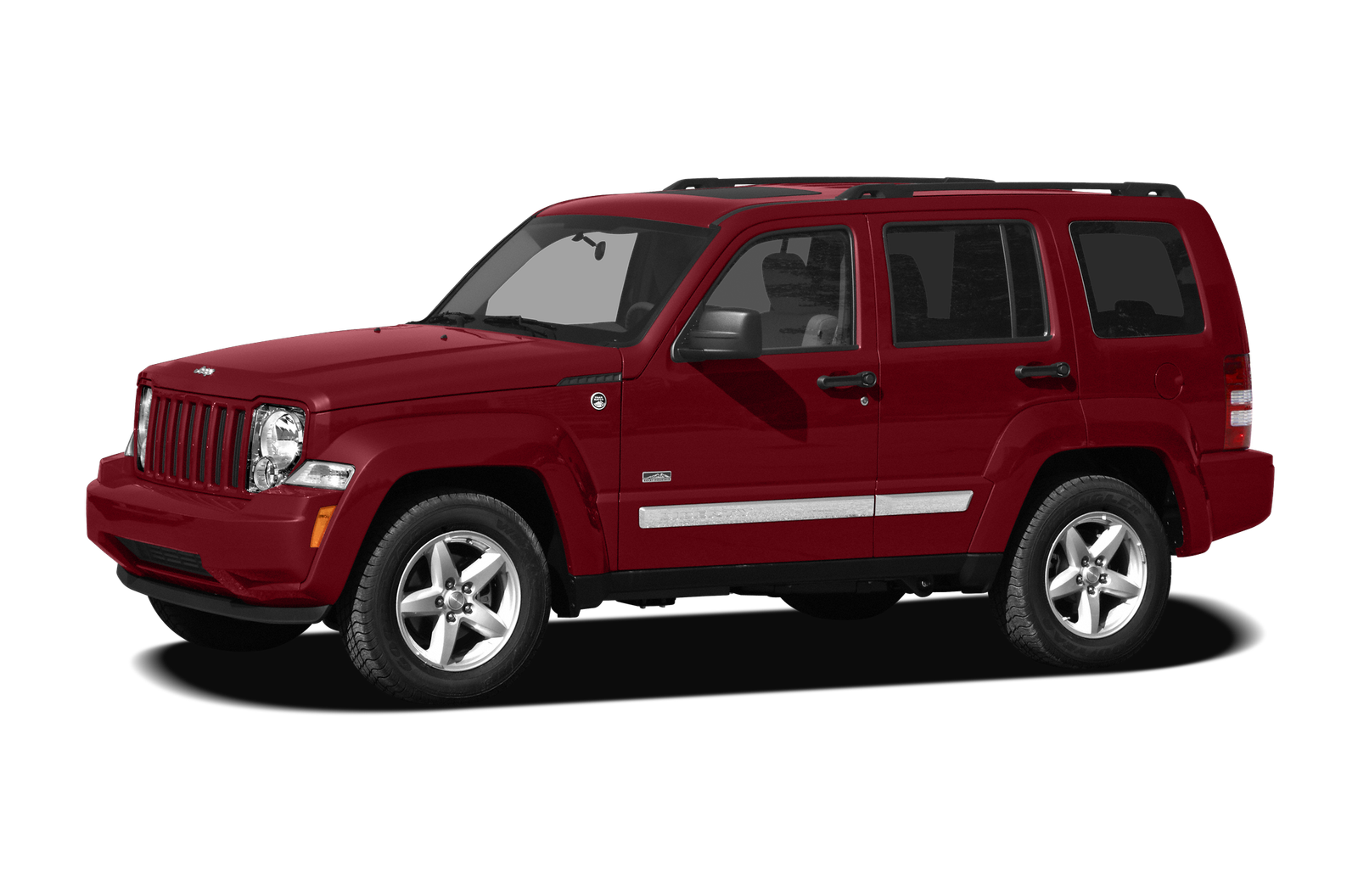
- 2008: Major redesign. New, boxy look. Only 3.7L V6 engine offered.
- 2010: Added more safety features like active head restraints and stability control.
- 2012: Final model year. The Liberty was discontinued after this year.
Some years are more popular among used buyers. For example, the 2005 diesel model is rare and often sought by enthusiasts. The 2012 Liberty comes with the most safety features and updated technology.
Jeep Liberty Vs. Other Jeep Models
How does the Liberty compare with other Jeeps from the same period? Let’s look at some key differences.
| Model | Production Years | Engine Options | Main Purpose |
|---|---|---|---|
| Liberty (KJ/KK) | 2002–2012 | 2.4L I4, 3.7L V6, 2.8L CRD Diesel | Compact SUV, urban and light off-road |
| Cherokee (XJ/KL) | 1984–2001, 2014–present | Varied, mostly I4 and V6 | Compact SUV, more rugged |
| Grand Cherokee | 1993–present | I4, V6, V8 | Midsize SUV, luxury and power |
The Liberty was designed to be more comfortable and easier to drive in the city compared to the Cherokee XJ. However, it still offered good off-road capabilities, especially in the “Renegade” trim.
Jeep Liberty Reliability And Common Issues
Many used Jeep Liberty models are still on the road today. Reliability depends on the year and how the car was maintained. Here are some facts to consider:
- According to Consumer Reports, the Liberty scored average reliability, with the 2002 and 2003 models having more issues than later years.
- Common problems include window regulators, suspension wear, and transmission issues in earlier models.
- The diesel version (2005–2006) is harder to find parts for in the US, but it’s valued by fans for its fuel economy.
If you’re buying a used Liberty, check for these issues and ask for maintenance records. Some owners report that the 2010–2012 models are more reliable due to improved components.
Jeep Liberty Sales Data And Popularity
The Liberty sold well in its early years, especially from 2002 to 2005. Sales dropped after 2008 as buyers moved toward crossovers and the market changed. Here’s a quick look at sales numbers:
| Year | US Sales (Approx.) | Notes |
|---|---|---|
| 2002 | 171,212 | Launch year, strong sales |
| 2005 | 166,948 | Diesel engine introduced |
| 2012 | 75,568 | Final year, sales decline |
Older Liberty models are still popular with budget buyers and off-road fans. The price for a used Liberty today ranges from $3,000 to $10,000, depending on condition and year.
Two Insights Most Beginners Miss
- The Jeep Liberty was the first Jeep to use rack-and-pinion steering. This made it easier to handle compared to older Jeeps, especially for city driving.
- The diesel Liberty (CRD) was only available for two years (2005–2006) in North America, making it a rare find. Many people don’t know this option existed, and it offers better fuel economy than the gas versions.
Practical Tips For Buying A Used Jeep Liberty
- Always check for rust under the body, especially in older models.
- Test the power windows and listen for any strange noises in the suspension.
- Look for the Renegade trim if you want extra off-road features like skid plates and tow hooks.
- Ask about timing belt changes if you’re considering the diesel version.
You’ll find more details and technical specs on the official Jeep site or trusted automotive resources, such as Wikipedia.
Frequently Asked Questions
What Years Was The Jeep Liberty Made?
The Jeep Liberty was produced from 2002 to 2012, covering two generations. After 2012, Jeep replaced the Liberty with the new Cherokee model.
What Engines Are Available In The Jeep Liberty?
The Liberty offered a 2.4L inline-4, 3.7L V6, and a rare 2.8L diesel (CRD) engine. The second generation (2008–2012) only used the 3.7L V6.
Is The Jeep Liberty Good For Off-road?
Yes, especially the Renegade trim and models with four-wheel drive. It’s not as rugged as the Wrangler, but it handles dirt roads and light trails well.
What Are Common Problems With The Jeep Liberty?
Some known issues are window regulator failures, suspension wear, and transmission problems. The diesel models can be harder to service.
How Much Does A Used Jeep Liberty Cost?
Prices range from $3,000 to $10,000 in the US, depending on the year, condition, and trim level.
The Jeep Liberty stands as a unique chapter in Jeep’s history. It offered comfort, off-road ability, and rare features like diesel power.
If you find a well-maintained Liberty, it can be a reliable and fun SUV. Always check its history, inspect for common issues, and pick a model year that fits your needs.