When people talk about Jeeps, they usually think of tough vehicles that handle any road. But when you hear “4 cylinder Jeep motor,” you might wonder: is it really good?
Some drivers love these engines, while others think they lack power. Understanding whether the 4 cylinder Jeep motor is the right choice depends on your needs, driving style, and what you expect from your vehicle.
This article explores the key features, strengths, and downsides of the 4 cylinder Jeep motor. We’ll look at important factors so you can decide if it’s a smart pick for you.
What Is The 4 Cylinder Jeep Motor?
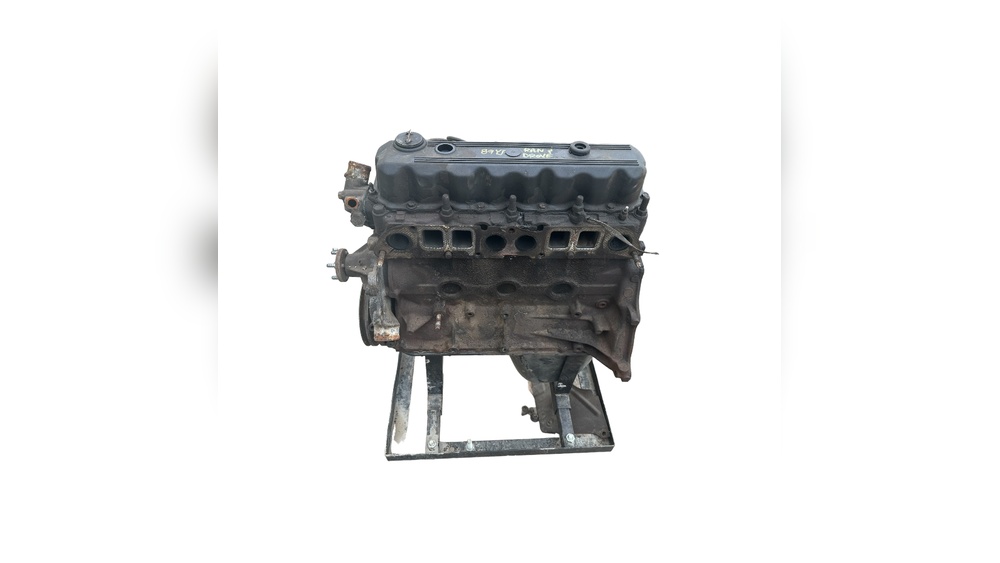
The 4 cylinder Jeep motor refers to any Jeep engine with four cylinders. Over the years, Jeep has used several types, but four main engines stand out:
- 2.5L AMC I4 – Found in Jeep Wranglers (YJ, early TJ) and Cherokees (XJ) from the 1980s to early 2000s.
- 2.4L PowerTech I4 – Used in Wranglers (early 2000s) and Jeep Liberty.
- 2.0L Turbo I4 – Introduced in recent Wrangler JL and Gladiator models.
- 2.4L Tigershark I4 – Powers vehicles like the Jeep Compass and Cherokee.
Each engine has a different reputation. Let’s look at all four individually.
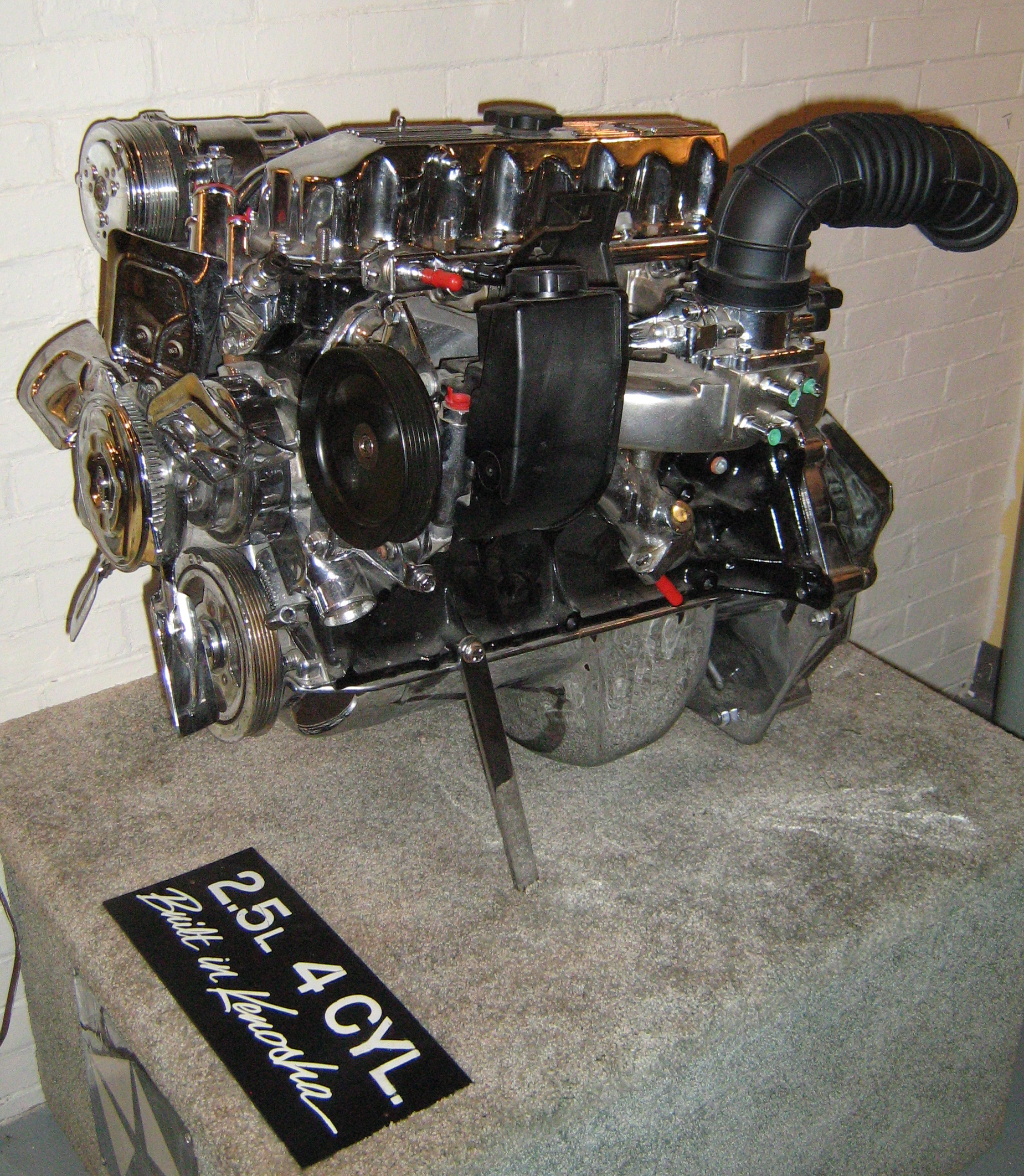
1. 2.5l Amc I4
This engine was the workhorse for Jeep through the 1980s and 1990s. It’s a naturally aspirated motor, simple in design.
- Horsepower: Around 120 hp
- Torque: About 140 lb-ft
- Fuel economy: 18-22 mpg (real world)
Pros:
- Very durable and easy to repair.
- Good for off-road trails at slow speed.
- Affordable to maintain.
Cons:
- Low power, especially when carrying heavy loads or driving on highways.
- Not ideal for towing or high-speed travel.
Non-obvious insight: Many owners keep these engines running past 200,000 miles with basic care. However, expect slow acceleration, especially if your Jeep has larger tires.
2. 2.4l Powertech I4
Used in the early 2000s, this engine aimed to improve on fuel economy and emissions.
- Horsepower: Around 150 hp
- Torque: About 165 lb-ft
- Fuel economy: 20-24 mpg
Pros:
- Slightly better power than the 2.5L AMC.
- Lower emissions and better fuel economy.
- Reliable for city and light off-road use.
Cons:
- Still struggles with power when the Jeep is loaded.
- Not as strong for towing or mountain driving.
Practical tip: If you mostly drive in cities or on flat highways, the 2.4L PowerTech can work well. But if you plan to off-road with gear or tow, you may feel limited.
3. 2.0l Turbo I4
Launched in the Jeep Wrangler JL, this turbocharged engine brings modern technology to the lineup.
- Horsepower: 270 hp
- Torque: 295 lb-ft
- Fuel economy: 21-24 mpg (combined)
Pros:
- Much stronger torque at low RPMs, great for off-road crawling.
- Faster acceleration compared to older 4 cylinders and even some V6 engines.
- Good fuel efficiency for its power level.
Cons:
- More complex, so repairs can be expensive.
- Needs premium fuel for best performance.
- Turbo lag can be noticed by some drivers.
Non-obvious insight: Many people are surprised that the 2.0L Turbo can tow nearly as much as the V6 option, thanks to its high torque.
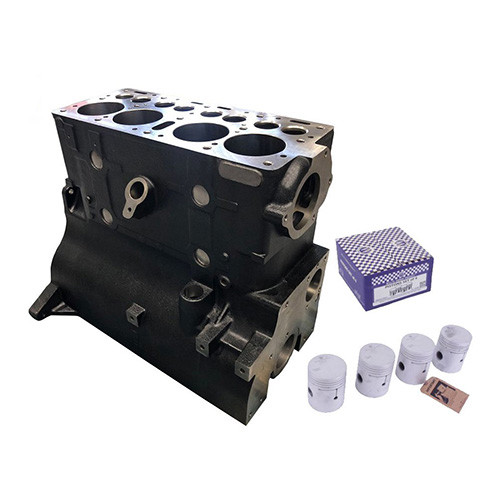
4. 2.4l Tigershark I4
This motor powers newer Jeep Compass and Cherokee models. It’s focused on daily driving and fuel economy.
- Horsepower: 180 hp
- Torque: 175 lb-ft
- Fuel economy: 22-31 mpg (highway)
Pros:
- Very smooth and quiet for a Jeep engine.
- Excellent gas mileage.
- Good enough for most city and highway needs.
Cons:
- Feels underpowered on steep hills or with a full load.
- Not ideal for heavy off-roading or towing.
Extra tip: The Tigershark pairs best with automatic transmissions. Manual versions are rare and less refined.
How Do They Compare?
Here’s a quick look at the four engines side by side:
| Engine | Horsepower | Torque (lb-ft) | Fuel Economy (mpg) | Best For |
|---|---|---|---|---|
| 2.5L AMC I4 | 120 | 140 | 18-22 | Classic off-road, budget builds |
| 2.4L PowerTech I4 | 150 | 165 | 20-24 | City, light off-road |
| 2.0L Turbo I4 | 270 | 295 | 21-24 | Modern off-road, towing |
| 2.4L Tigershark I4 | 180 | 175 | 22-31 | Commuting, light off-road |
Real-world Performance
What matters most is how these engines feel on the road. The older 2.
5L and 2. 4L PowerTech motors give the Jeep a classic, rugged feel but can struggle with hills and passing.
The 2. 0L Turbo surprises many with its punchy acceleration, even when loaded with passengers or gear.
For example, the 2.0L Turbo Wrangler can go 0-60 mph in about 6.5 seconds—a full second faster than the V6. The Tigershark is best for drivers who value quiet rides and good fuel economy.
Here’s a simple comparison for towing:
| Engine | Max Towing (lbs) |
|---|---|
| 2.5L AMC I4 | 2,000 |
| 2.4L PowerTech I4 | 2,000 |
| 2.0L Turbo I4 | 3,500 |
| 2.4L Tigershark I4 | 2,000 |
Reliability And Maintenance
Jeep’s 4 cylinder engines have a mixed reputation. The older AMC 2.
5L is known for lasting decades with regular oil changes. The newer 2.
0L Turbo is more sensitive using the right oil and fuel is important. Some owners have reported minor issues with sensors or electronics in the Tigershark, but major problems are rare.
Common mistake: Many people ignore maintenance because they think 4 cylinder engines are simple. In reality, modern turbo engines need more careful attention than the old AMC motors.
Who Should Choose A 4 Cylinder Jeep?
Consider a 4 cylinder Jeep motor if:
- You want better gas mileage.
- You do most of your driving in the city or on highways.
- You don’t need to tow heavy trailers or climb steep mountains often.
- You prefer lower maintenance costs (especially with older engines).
If you want maximum towing, heavy off-road, or mountain driving, a V6 or diesel might suit you better.
Frequently Asked Questions
Is The 4 Cylinder Jeep Motor Underpowered?
Most older 4 cylinder Jeeps feel less powerful, especially when loaded or driving fast. Newer turbo models offer strong power, often matching or beating V6 engines for acceleration.
How Long Does A 4 Cylinder Jeep Engine Last?
With basic care, the AMC 2. 5L can last over 200,000 miles. The 2. 0L Turbo and Tigershark can also last long, but need regular, high-quality maintenance.
Is The 4 Cylinder Jeep Good For Off-roading?
For light to moderate off-roading, yes. The 2. 0L Turbo excels at crawling and tough trails. Older 4 cylinders are durable but may struggle with big tires or steep climbs.
Does The 4 Cylinder Jeep Engine Save Gas?
Yes, especially the Tigershark and PowerTech versions. The 2. 0L Turbo gives a good balance of power and economy, but using premium fuel can raise costs.
Where Can I Find More Technical Specs?
For deeper technical details, visit the official Jeep website.
A 4 cylinder Jeep motor can be a smart, practical choice, especially for drivers who value fuel efficiency and lower costs. But for demanding driving or heavy towing, it’s worth considering your options carefully.