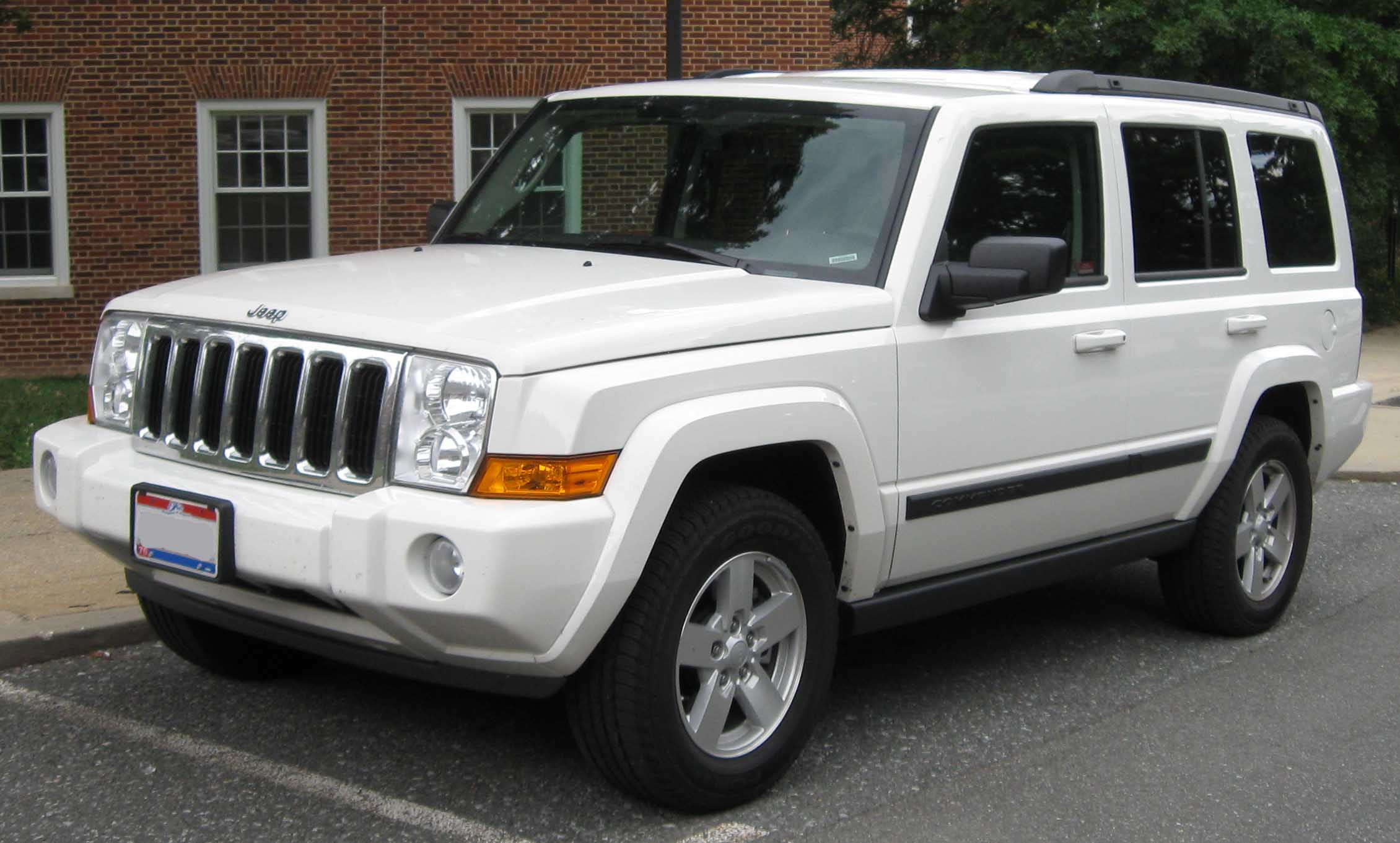
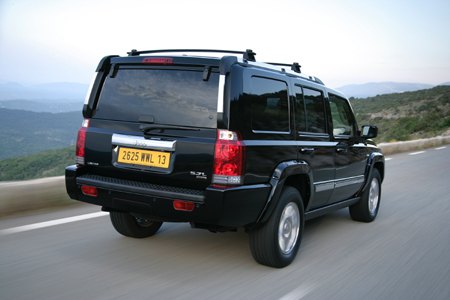
The Jeep Commander is a name that sparks interest among SUV lovers and Jeep fans alike. When it first arrived, it stood out with its boxy design, three-row seating, and true off-road capability.
Over the years, the Commander has become a unique chapter in Jeep’s long history.
But what years did Jeep make the Commander, and why did it leave the market? Understanding these details will help buyers, owners, and enthusiasts appreciate this sometimes-overlooked SUV.

The Jeep Commander Production Years
Jeep produced the Commander for the North American market from 2006 to 2010. This means the vehicle was available for five model years: 2006, 2007, 2008, 2009, and 2010. After 2010, the Commander was discontinued in the United States and Canada. However, the story does not end there—Jeep later revived the nameplate in other regions.
Quick Reference Table: Jeep Commander Model Years
| Model Year | Production Start | Production End | Region |
|---|---|---|---|
| 2006 | 2005 | 2006 | North America |
| 2007 | 2006 | 2007 | North America |
| 2008 | 2007 | 2008 | North America |
| 2009 | 2008 | 2009 | North America |
| 2010 | 2009 | 2010 | North America |
The Commander was part of Jeep’s lineup during a time when large SUVs were very popular, but rising gas prices and changing tastes led to its end.
Why Jeep Made The Commander
The early 2000s saw strong demand for mid-size and full-size SUVs. Jeep wanted to offer a family-friendly vehicle that could seat up to seven people, unlike the Grand Cherokee, which only had five seats. The Commander was designed to fill this gap.
Jeep gave the Commander a boxy, rugged look to recall classic Jeep styling. It was built on the same platform as the Grand Cherokee (the WK platform), but stretched to allow for a third row of seating. The Commander was also meant to attract buyers who needed more space but did not want to lose off-road ability.
Key Features By Model Year
Each Commander model year had small updates and changes. Here are some highlights:
2006 Jeep Commander
- First model year
- Three available engines, including a 3.7L V6 and two V8 options
- Seating for seven
- Quadra-Drive II advanced 4×4 system (on select trims)
2007–2008 Updates
- Improved technology, such as navigation options
- Enhanced safety features (side-curtain airbags became standard)
- Flex-Fuel V8 engine option added
2009–2010 Final Years
- Fewer trim levels (the Overland trim was dropped)
- Some engines were discontinued (the 4.7L V8 removed in 2010)
- Small interior updates
The Commander remained a capable off-roader throughout its run, and many owners used them for camping and family road trips.
Jeep Commander In Other Markets
After 2010, Jeep stopped selling the Commander in North America. However, the Commander name returned in other parts of the world. In 2018, Jeep launched the Commander in China and South America, but these versions are quite different from the original.
Table: Original Vs. Modern Jeep Commander
| Feature | 2006–2010 Commander | 2018+ Commander (China/South America) |
|---|---|---|
| Platform | Grand Cherokee-based (WK) | Compact crossover (based on Jeep Compass) |
| Seating | 7 passengers | 5 or 7 passengers (varies by region) |
| Target Market | North America | China, South America |
| Engine Options | V6 and V8 gasoline | 4-cylinder and small turbo engines |
The modern Commander is more car-like, with better fuel economy, but less focus on off-road use.

Why Was The Commander Discontinued?
Jeep decided to stop producing the Commander after 2010 for several reasons:
- Sales declined: The Commander sold well at first, with over 88,000 units in 2006. But by 2010, sales dropped to around 12,000.
- Gas prices rose: The large engines and heavy weight made the Commander less efficient. As fuel prices increased, buyers moved to smaller SUVs.
- Competition increased: Other brands offered more modern, efficient three-row SUVs.
- Platform limits: The Commander was built on a platform not designed for a third row, making the rear seats cramped.
These factors combined made the Commander less attractive in the market.
Jeep Commander Legacy And Used Market
Today, the original Commander has a small but loyal fan base. Some buyers like its boxy design and real off-road ability. Used models are often more affordable than a similar Grand Cherokee, but buyers should check for:
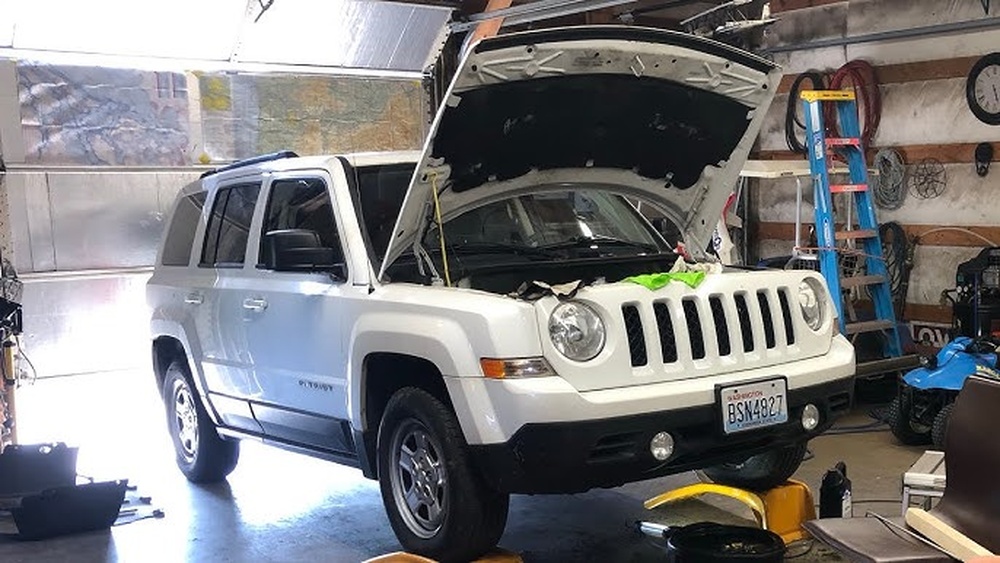
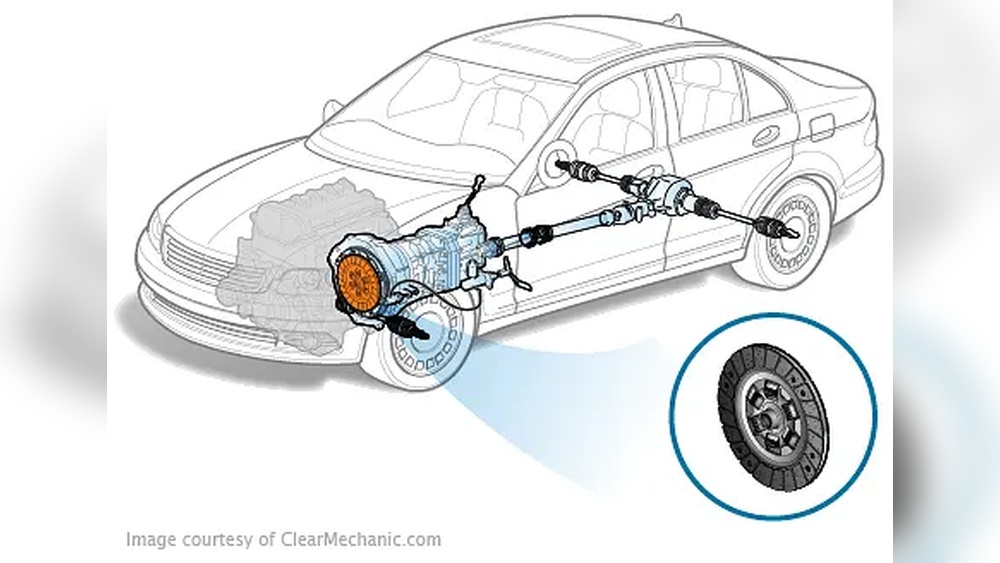
- Engine and transmission condition (especially V8 models)
- Rust in older vehicles
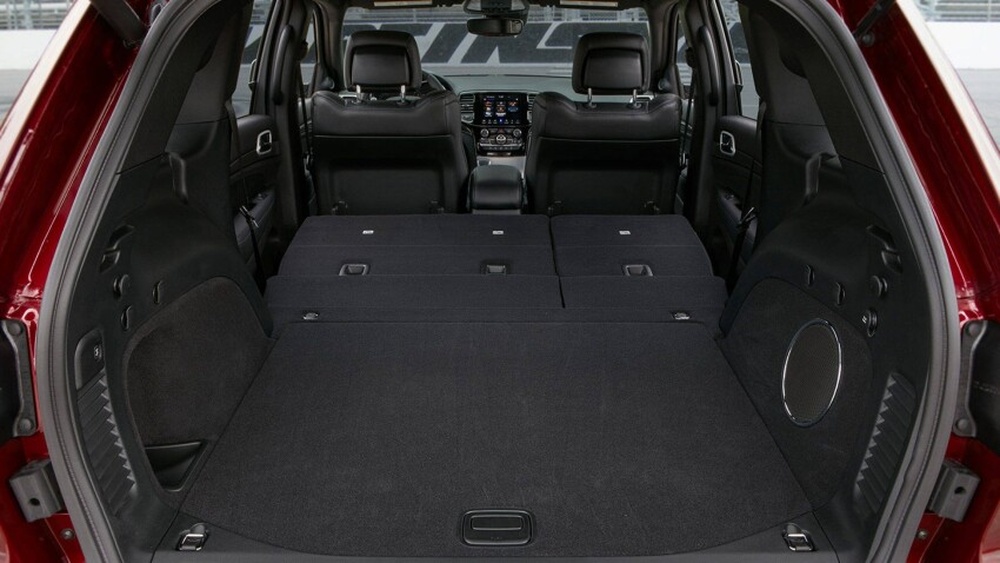
- Third-row space (it is tight for adults)
- Fuel economy (the V8 models are thirsty)
One non-obvious insight: The Commander’s advanced 4×4 systems are highly respected by off-road enthusiasts, making it a good choice for those who want to modify a budget-friendly Jeep.
Another tip: The Commander shares many parts with the Grand Cherokee, which makes repairs and maintenance easier and sometimes cheaper.
Comparison: Commander Vs. Grand Cherokee (2006–2010)
| Feature | Commander | Grand Cherokee |
|---|---|---|
| Seating Capacity | 7 | 5 |
| Length | Around 188.5 in | 186.6 in |
| Weight | 4,700–5,200 lbs | 4,400–4,900 lbs |
| Off-Road Capability | Excellent | Excellent |
If you need three rows, the Commander is the better choice. If not, the Grand Cherokee offers more space per row and better fuel economy.
Frequently Asked Questions
What Years Was The Jeep Commander Made?
Jeep produced the original Commander for the North American market from 2006 to 2010.
Is The Jeep Commander Coming Back To The Us?
As of now, there are no official plans to bring back the Commander to the United States market. The name is used for a different SUV in China and South America.
Was The Commander Reliable?
The Commander is known for its strong engines and off-road ability, but some owners report issues with electrical systems and transmissions in high-mileage models.
How Many Seats Does The Jeep Commander Have?
All North American Commanders have seven seats. The third row is best for children or short trips.
Where Can I Find More Information About The Jeep Commander?
You can read more detailed history and specifications on the Jeep Commander Wikipedia page.
The Jeep Commander’s time was short, but it left a mark as one of the last true, boxy, three-row Jeeps. For buyers who want something unique with real Jeep DNA, the Commander is still worth a look.