The Jeep Gladiator is a name that stands out in the world of trucks and SUVs. For many people, it’s known as a modern pickup with strong off-road abilities.
But the story of the Gladiator begins much earlier. When was the first Jeep Gladiator released?
Let’s explore the history, key features, and how it compares to other models.
The Origin Of The Jeep Gladiator
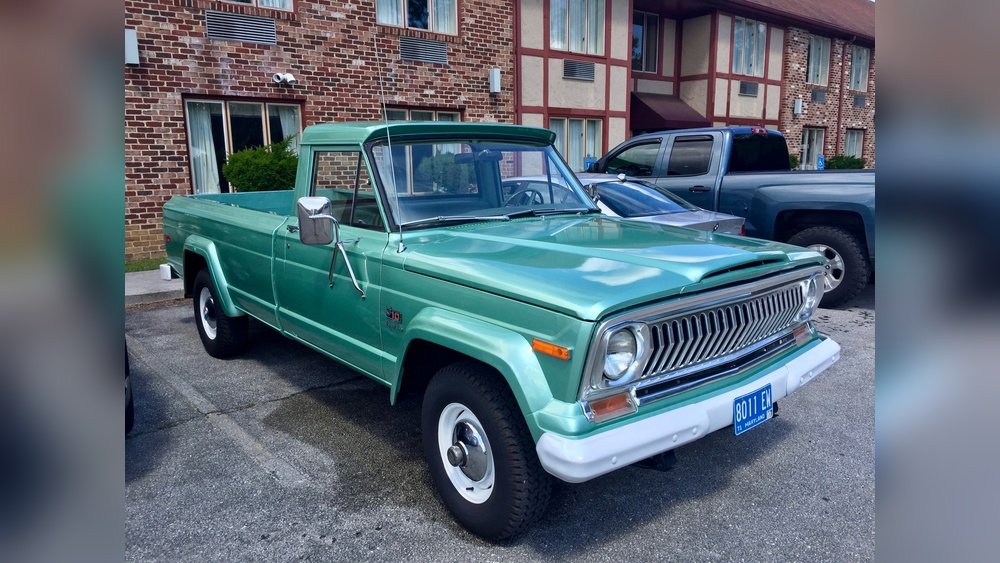
The first Jeep Gladiator was released in 1962. At that time, Jeep was owned by Kaiser Motors. The Gladiator was designed as a tough pickup truck, built on the Jeep Wagoneer’s platform. It was not just a work vehicle; it became popular with families and outdoor lovers. Jeep wanted to offer a pickup that could handle tough jobs, rough roads, and still be comfortable.
The Gladiator was unique because it had four-wheel drive, a strong frame, and a variety of body styles. Buyers could choose from different bed lengths and configurations, which made the truck very flexible for different uses.
Some people used it for daily work on farms, while others used it for long camping trips and exploring the outdoors.
By 1971, Jeep changed the Gladiator’s name to the “J-Series. ” But the Gladiator name had already made its mark and stayed in the memories of Jeep fans.
Another detail that made the original Gladiator special was its design. The front end had a bold, classic Jeep look with horizontal grille slots.
This was not just about style it helped the truck stand out from other pickups at the time.
Even today, the Gladiator’s look is seen as both practical and iconic.
Key Features Of The 1962 Jeep Gladiator
Let’s look at what made the 1962 Gladiator special:
| Feature | Details |
|---|---|
| Engine | 230 cu in Tornado I6 (straight-six) |
| Transmission | 3-speed manual |
| Drive Type | 4-wheel drive (optional), rear-wheel drive (standard) |
| Body Styles | Cab and chassis, pickup, stake bed |
| Payload | Over 1,500 lbs |
The Gladiator’s Tornado engine was advanced for its time. It was more powerful and smoother than most competitors. The truck was reliable, and its four-wheel drive made it popular with farmers, contractors, and adventurers.
Another feature worth noting was the truck’s independent front suspension, which was rare on pickups back then. This made the ride smoother, especially on rough roads or off-road trails.
Owners could drive the Gladiator comfortably even when carrying heavy loads, which was a big advantage over other trucks of the era.
The Gladiator also came with a sturdy steel bed, designed to handle heavy cargo. For people who needed to haul equipment, firewood, or even small building materials, this was a major selling point.
The truck’s cab was simple but included enough comfort for long days behind the wheel something not all 1960s pickups offered.

Gladiator’s Role In Jeep History
The Gladiator was Jeep’s first attempt at a full-size pickup. Before 1962, Jeep mostly made military vehicles and smaller SUVs.
The Gladiator helped Jeep enter the mainstream truck market. It competed with Ford and Chevrolet trucks but had better off-road abilities.
One thing beginners often miss is how the Gladiator influenced later Jeep models. Many ideas from the Gladiator, like solid axles and four-wheel drive systems, were used in future vehicles.
Jeep’s reputation for durability comes from models like the Gladiator.
The Gladiator also helped Jeep grow its reputation among outdoor enthusiasts. Because of its rugged build and off-road talent, the truck became a favorite for people who liked to hunt, fish, or take road trips deep into the wilderness.
This connection to adventure became a key part of Jeep’s brand.
Another detail: Jeep’s decision to offer both two-wheel and four-wheel drive versions made the Gladiator attractive to a wider group of buyers. Some chose the two-wheel drive for city or highway use, while others picked four-wheel drive for jobs in fields, forests, or construction sites.
Comparing Gladiator To Other Pickups
How did the Gladiator stack up against other trucks in the 1960s? Here’s a quick comparison:
| Model | Engine Size | Drive Type | Unique Feature |
|---|---|---|---|
| Jeep Gladiator | 230 cu in I6 | 4WD (optional) | Wagoneer platform |
| Ford F-100 | 223 cu in I6 | 2WD | Popular as a work truck |
| Chevrolet C10 | 230 cu in I6 | 2WD | Comfortable ride |
The Gladiator’s available four-wheel drive made it stand out. Most competitors only had two-wheel drive.
This made the Gladiator a favorite for those who needed to drive in mud, snow, or rough terrain.
While Ford and Chevrolet trucks were known for their strong engines and smooth rides, they didn’t match the Gladiator’s go-anywhere attitude. The Gladiator’s high ground clearance and tough axles meant it could cross streams, climb rocky paths, and handle winter roads better than most other pickups.
Even today, classic truck fans often look for these qualities when shopping for vintage vehicles.
A beginner might not realize that the Gladiator’s frame was also heavier and more robust than many rivals. This gave it a longer life, especially in harsh working conditions.
Many original Gladiators are still found on farms and ranches today, a sign of their lasting quality.

Gladiator’s Legacy And Revival
The original Gladiator was produced until 1971. After that, the truck was renamed the J-Series. Jeep continued making pickups, but the Gladiator name disappeared. For decades, fans wanted Jeep to bring back a pickup.
In 2019, Jeep finally revived the Gladiator name with a brand-new model. The new Gladiator shares many features with the Wrangler, including removable doors and a convertible top. It’s modern, but keeps the spirit of the original.
| Year | Model | Main Feature |
|---|---|---|
| 1962 | Jeep Gladiator | First full-size Jeep pickup |
| 1971 | J-Series | Name changed, similar design |
| 2019 | Jeep Gladiator (modern) | Wrangler-based, advanced tech |
The new Gladiator is more comfortable and advanced. It has features like touchscreen displays, backup cameras, and strong towing capacity. But it still follows the original Gladiator’s idea: a pickup that can go anywhere.
One interesting point is that the modern Gladiator is the only pickup truck in America with a removable roof and doors, just like the Wrangler. This unique design makes it popular with people who want open-air driving, which is rare in the pickup world.
The new Gladiator also offers strong engines, like the 3. 6L V6, and options for diesel power, giving buyers more choices than ever before.
Interesting Insights For Jeep Fans
- Many people believe the Gladiator was always a “Wrangler with a truck bed.” In truth, the first Gladiator was based on the Wagoneer, not the Wrangler.
- The original Gladiator was one of the first trucks in America to offer automatic transmissions as an option. This was rare in pickups during the 1960s.
- The Gladiator’s solid axles and tough suspension inspired modern Jeep designs, making today’s Gladiator one of the most capable off-road trucks.
- Another detail often missed: The Gladiator was available with a special “Thriftside” bed, which had unique styling and helped set it apart from other pickups.
- Some versions of the original Gladiator were even used by the U.S. military and forest services, showing the truck’s toughness and versatility.

Frequently Asked Questions
When Was The First Jeep Gladiator Released?
The first Jeep Gladiator was released in 1962 by Kaiser Motors.
Was The Original Gladiator Based On The Wrangler?
No. The 1962 Gladiator used the Wagoneer platform, not the Wrangler.
How Long Was The Original Gladiator Produced?
The Gladiator was made from 1962 until 1971, then renamed the J-Series.
What Engine Did The 1962 Gladiator Have?
It featured a 230 cu in Tornado I6 engine, known for its power and reliability.
Is The Modern Gladiator Similar To The Original?
The modern Gladiator (launched in 2019) uses many ideas from the original, but it’s built on the Wrangler platform and offers more technology.
What Makes The Modern Gladiator Different From Other Pickups?
It’s the only mid-size truck with removable doors and roof, and it’s designed for both serious off-roading and daily comfort.
The Jeep Gladiator’s story shows how a strong idea can last for decades. Whether you love classic trucks or new technology, the Gladiator offers both. For more details on Jeep’s history, visit Wikipedia.
If you’re thinking about buying a Jeep Gladiator, remember its roots. It’s more than just a pickup it’s part of American automotive history.
The Gladiator is proof that Jeep knows how to build vehicles that people trust, whether on highways or rugged trails.
Even after many years, the Gladiator stands as a symbol of strength, adventure, and reliability in the world of trucks.