Many people love Jeeps for their rugged look and adventure-ready style. But not every Jeep model year is a good choice. Some years have more problems, higher repair costs, or lower reliability. If you want to buy a used Jeep, knowing which years to avoid can save you money and stress.
This guide will help you understand which Jeep years are risky, why they are problematic, and what you should check before buying. You’ll also get practical advice and real data, so you can make a smart decision.
Jeep Model Years You Should Avoid
Jeep has several models, but the most popular are the Wrangler, Cherokee, and Grand Cherokee. Each has its own history of good and bad years. Here are some years that often cause trouble:
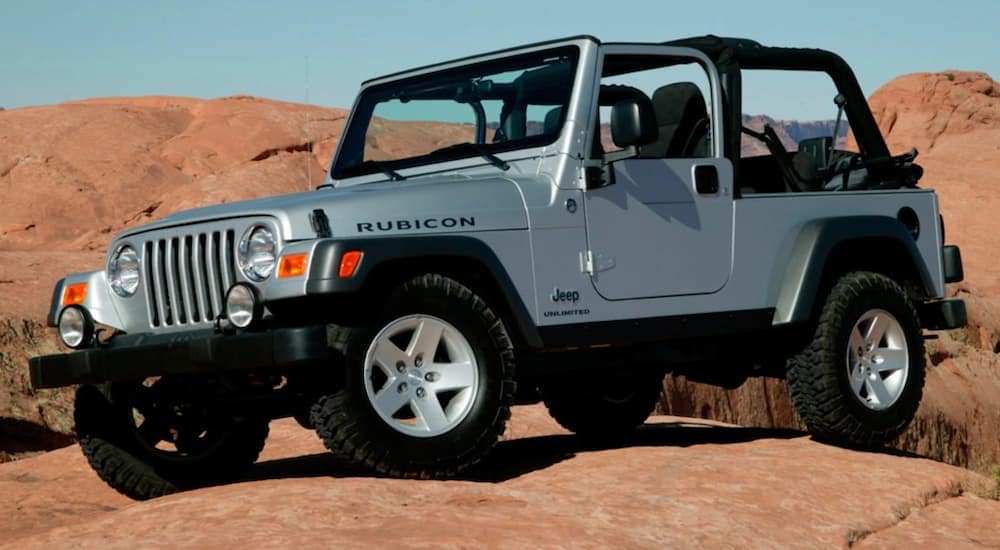
Jeep Wrangler (2007–2008, 2012)
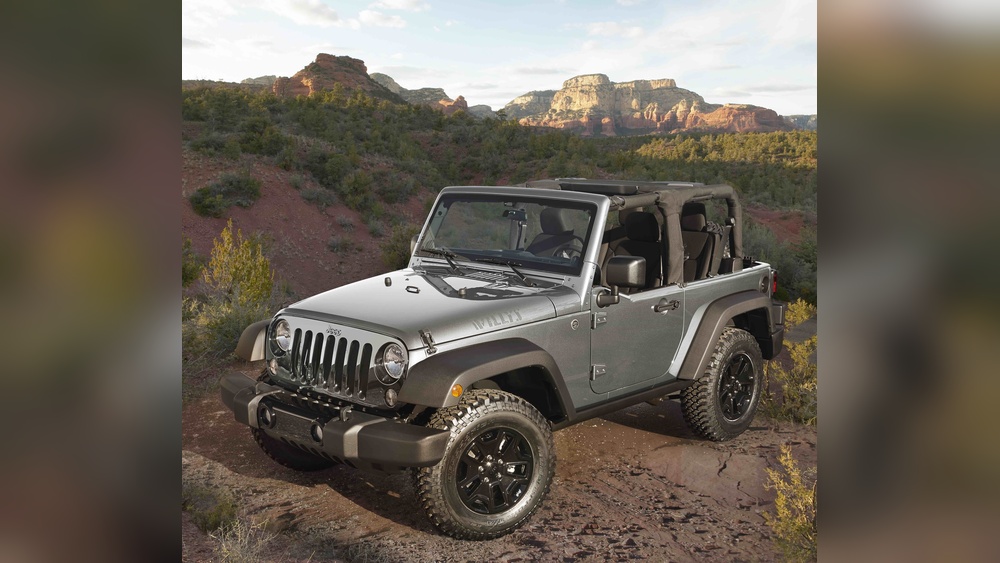
The Wrangler is famous for off-road fun. However, some years have major issues:
1. 2007–2008 Wrangler
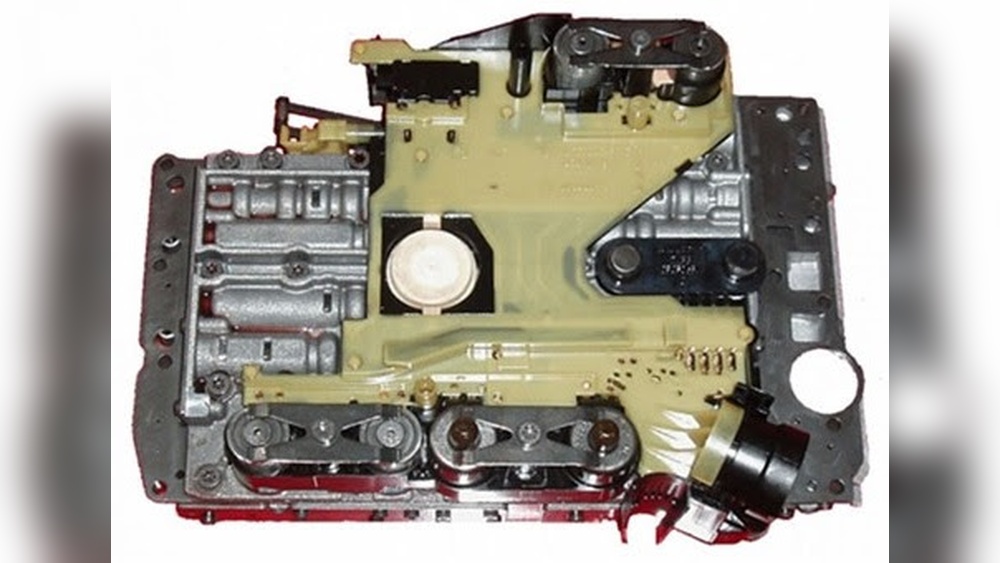
These models have many complaints about transmission failure and leaking roofs. The automatic transmission often fails before 100,000 miles, and repairs can cost over $2,500. The soft top also leaks, leading to water damage inside.
2. 2012 Wrangler
Owners report engine problems, especially the Pentastar V6. The engine might overheat or even shut down while driving. Airbag and electrical issues also show up.
Jeep Grand Cherokee (2011–2014)
The Grand Cherokee looks stylish, but some years are known for expensive repairs:
1. 2011 Grand Cherokee
This model has electrical issues that cause random stalling. The TIPM (Totally Integrated Power Module) often fails, affecting fuel pump, lights, and windows. Replacing the TIPM can cost over $1,200.
2. 2014 Grand Cherokee
Many owners report transmission shifting problems. The vehicle may lurch or hesitate, and dealers often replace the entire transmission.
Jeep Cherokee (2014–2015)
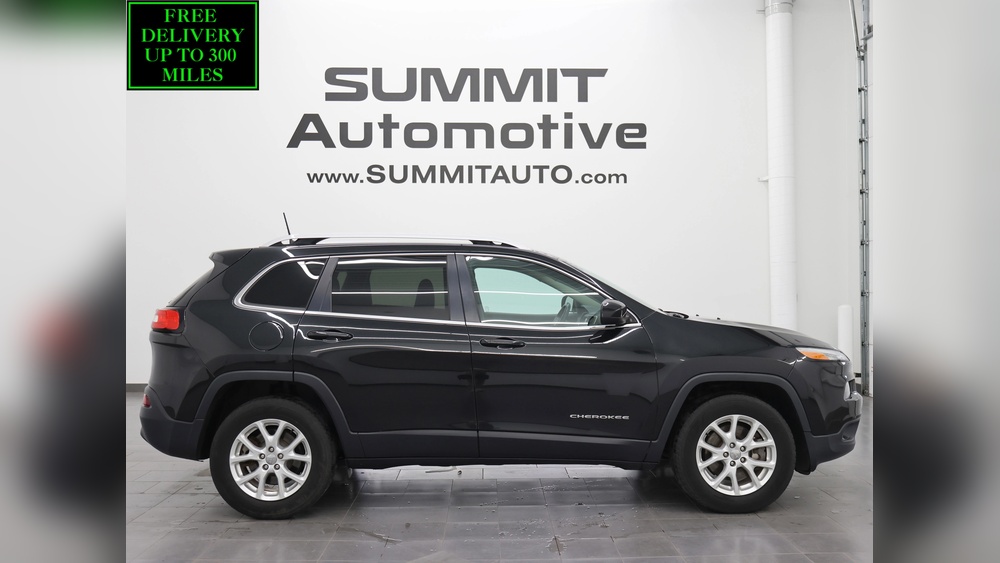
The Cherokee is good for families, but these years have serious transmission and engine issues:
1. 2014 Cherokee
The nine-speed automatic transmission is unreliable. It may jerk, stall, or not shift properly.
Owners also report water leaks and electrical faults.
2. 2015 Cherokee
Similar problems to 2014. Transmission and engine complaints are common.
Some cars experience complete engine failure before 70,000 miles.
Quick Data Comparison
Here’s a clear look at common Jeep issues by model year:
| Model Year | Main Problem | Avg Repair Cost | Owner Complaints |
|---|---|---|---|
| 2007–2008 Wrangler | Transmission Failure | $2,500+ | High |
| 2012 Wrangler | Engine Overheating | $1,800 | High |
| 2011 Grand Cherokee | Electrical (TIPM) | $1,200 | Very High |
| 2014 Grand Cherokee | Transmission Shift | $3,000+ | High |
| 2014–2015 Cherokee | Transmission Issues | $2,400 | High |
Why These Years Are Risky
Some Jeep years have more complaints because of bad design, factory recalls, or poor-quality parts. For example, the 2011 Grand Cherokee had a new electronic system that failed often. The 2014 Cherokee introduced a new transmission that did not work well.
Another problem is the use of the Pentastar V6 engine in some Wranglers and Cherokees. It had early issues with cylinder heads and overheating, leading to costly repairs.
A less obvious insight: Many problematic Jeep years were the first for new features. New transmissions, engines, or electronics often bring unexpected problems. Buying the first year of a new model is riskier than later years.

How To Avoid Buying A Bad Jeep Year
If you want a used Jeep, follow these steps to reduce your risk:
1. Check Vehicle History
Use the VIN to get a full history report. Look for accidents, recalls, and repair records.
2. Ask About Recalls
Some Jeeps have been fixed under recall, but not all owners complete the repairs. Ask for proof.
3. Test Drive Carefully
Listen for strange noises, check for leaks, and test all electronics. Test the transmission in both city and highway driving.
4. Inspect By A Mechanic
Always have a trusted mechanic check the Jeep before buying. They can spot hidden problems.
5. Avoid First-year Models
If a Jeep model has a new engine or transmission, wait for later years. Manufacturers often fix early issues.
Jeep Model Year Reliability Table
To help you compare, here is a table showing Jeep reliability scores by year (based on consumer reports and owner reviews):
| Model Year | Reliability Score (out of 5) | Recommended? |
|---|---|---|
| 2007–2008 Wrangler | 2.1 | No |
| 2012 Wrangler | 2.5 | No |
| 2011 Grand Cherokee | 1.9 | No |
| 2014 Grand Cherokee | 2.3 | No |
| 2014–2015 Cherokee | 2.2 | No |
| 2016–2020 Wrangler | 4.1 | Yes |
| 2017–2020 Grand Cherokee | 3.9 | Yes |
| 2018–2020 Cherokee | 3.8 | Yes |
What Most Buyers Miss
Most buyers focus only on price and mileage. But maintenance history and recall status are more important. A cheap Jeep with poor service history can cost you more later. Also, many buyers forget to check for water leaks, especially in Wranglers. These can damage electronics and lead to mold.
Another overlooked tip: Check owner forums. Real owners share honest experiences and advice. This can warn you about hidden issues that dealers may not mention.
Where To Find Reliable Jeep Data
You can use trusted sources like the Consumer Reports for reliability ratings, recall info, and owner reviews. These help you compare Jeep years and models easily.
Frequently Asked Questions
Which Jeep Year Has The Most Complaints?
The 2011 Grand Cherokee is one of the most complained-about models, mostly for electrical and stalling issues.
Are Newer Jeep Models More Reliable?
Yes, Jeep models from 2016 and newer usually have fewer problems and better reliability ratings.
Can I Fix Jeep Transmission Problems Cheaply?
Usually, transmission repairs are expensive. Some issues need full replacement, costing over $2,000.
Is It Safe To Buy A Jeep With High Mileage?
Only if it has a complete service history and no signs of major repairs or neglect.
What Jeep Models Are Best For Families?
The Jeep Grand Cherokee (2017–2020) and Cherokee (2018–2020) are good choices for families, offering safety and comfort.
Choosing the right Jeep means more than picking a nice color or low price. Avoiding risky model years can save you thousands and prevent unwanted headaches.
Take your time, check data, and always get a trusted mechanic’s opinion. With careful research, you can enjoy your Jeep for years without worries.