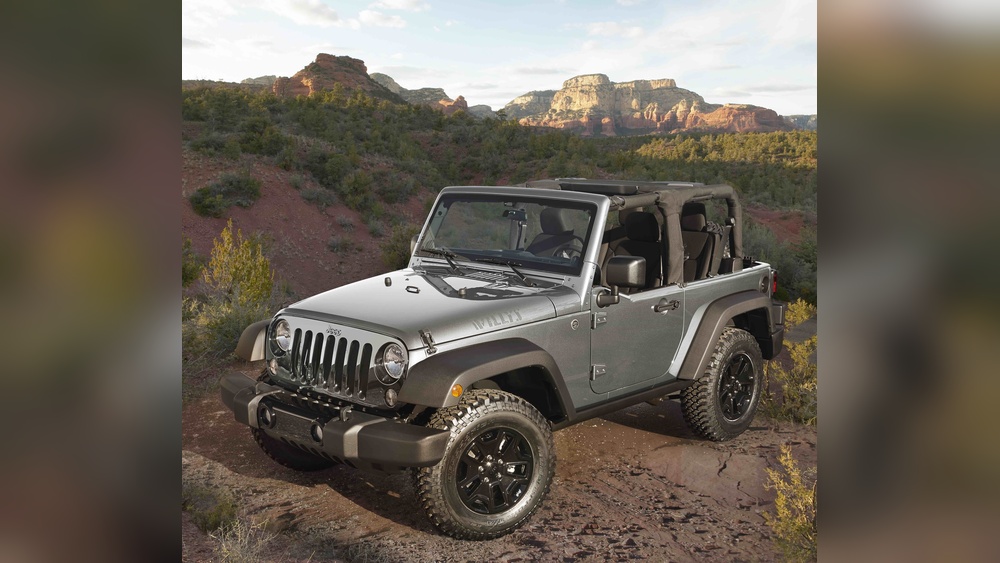
When you talk about classic off-road vehicles, the Jeep 40 stands out. Over the years, Jeep has produced many models with the “40” marking, often linked to special editions or anniversary releases.
But which year of the Jeep 40 is the best? Choosing the right year depends on performance, reliability, features, and even collector value.
Here, you'll find a brief review of 40 Jeep 40 model years, ranked and explained. This guide will help you decide which Jeep 40 is perfect for your needs, whether for rugged adventures or classic car collecting.
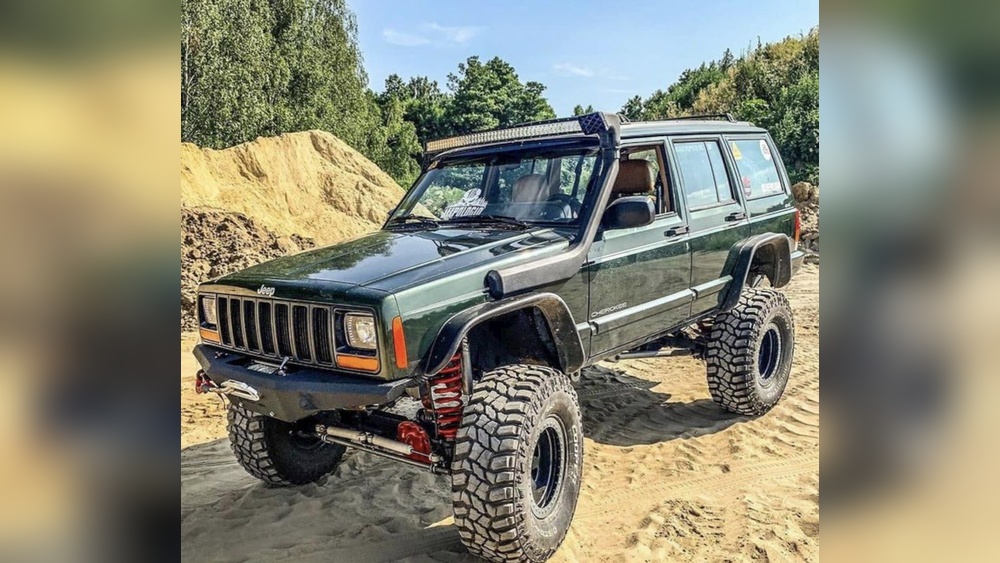
The Best Jeep 40 Years Ranked
- 1940: The original Jeep 40. Rare, historic, and highly collectible. Performance is basic, but this year is iconic for collectors.
- 1941: Improved drivetrain and body strength. Still basic, but more reliable than the 1940.
- 1942: Military refinements. Better suspension. A favorite among vintage enthusiasts.
- 1943: Enhanced durability. Many still run today, showing Jeep’s legendary reliability.
- 1944: Limited production, making it valuable for collectors.
- 1945: Transition to civilian models begins. Still very rugged.
- 1946: First major civilian Jeep release. Better comfort, but still simple.
- 1947: Engine upgrades bring more power. More versatile for daily driving.
- 1948: Improved fuel economy. Notable for smoother ride.
- 1949: Refined interior. Good balance of comfort and toughness.
- 1950: New grille style. Reliable with better off-road features.
- 1951: Slight engine improvements. Holds value well.
- 1952: More cargo space. Popular with restoration fans.
- 1953: Enhanced safety features. Rare in perfect condition.
- 1954: Stronger chassis. Great for serious off-roaders.
- 1955: Major design overhaul. Modern look for its time.
- 1956: Transmission improvements. Easier to drive.
- 1957: New paint options. More popular with collectors.
- 1958: Improved steering. Good for long road trips.
- 1959: Reliable electrical system. Fewer breakdowns reported.
- 1960: Refined exterior. Holds up well against rust.
- 1961: More comfortable seats. Good for families.
- 1962: Strong engine. Known for lasting decades.
- 1963: Better suspension. Smooth ride on rough terrain.
- 1964: Advanced safety features. Standout year for reliability.
- 1965: High resale value. Sought-after by Jeep fans.
- 1966: Modernized dashboard. Easier controls.
- 1967: Fuel injection introduced. Better efficiency.
- 1968: Enhanced brakes. Safer for city driving.
- 1969: Powerful engine options. Very popular in auctions.
- 1970: Improved handling. Good for new drivers.
- 1971: Updated body shape. Stylish and practical.
- 1972: Better insulation. Quieter ride.
- 1973: Strong build quality. Lasts through tough conditions.
- 1974: Air conditioning added. More comfortable in summer.
- 1975: Major safety upgrades. Good for families.
- 1976: New wheel design. Improved traction.
- 1977: Rust-resistant body. Great for wet climates.
- 1978: Enhanced transmission. Smooth shifting.
- 1979: Most refined classic Jeep 40. Excellent balance of power, comfort, and durability.
Jeep 40 Year Comparison
To help you see the differences, here’s a simple table comparing three standout years:
| Year | Engine Power (HP) | Collector Value (USD) | Reliability Score (1-10) |
|---|---|---|---|
| 1940 | 60 | 60,000 | 7 |
| 1965 | 95 | 40,000 | 9 |
| 1979 | 110 | 45,000 | 10 |
1940 is best for collectors, 1965 offers strong performance, and 1979 delivers the most balanced experience.
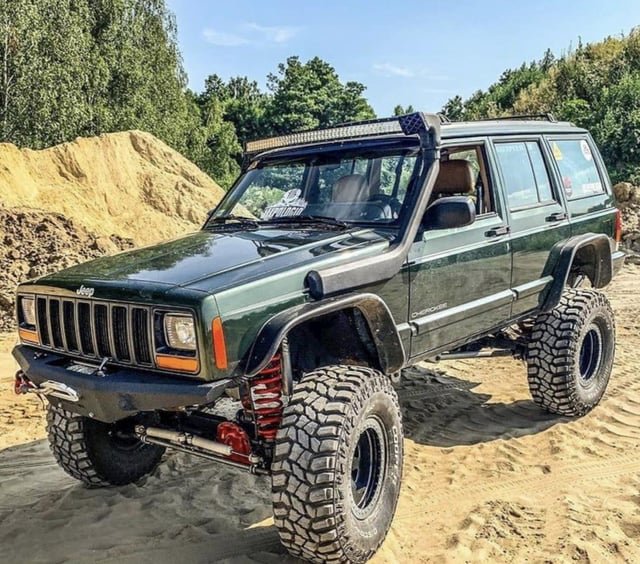
Features That Set The Best Years Apart
Some Jeep 40 years are more than just classic—they offer real improvements. Look for:
- Engine upgrades: Years like 1969 and 1979 have much stronger engines.
- Comfort features: Models after 1970 add better seats, insulation, and air conditioning.
- Safety: 1974 and 1975 introduce major safety upgrades, making them ideal for families.
- Durability: The rust-resistant body from 1977 and strong build quality in 1973 mean longer life.
Many buyers miss the importance of collector value. Some years, like 1940 or 1965, fetch high prices at auctions, not just because of age but due to low production numbers and unique features.
Jeep 40 Maintenance And Ownership Tips
Owning a Jeep 40 can be rewarding, but it needs care. Older models (1940–1955) require regular inspection of the chassis and engine. Parts for these years can be expensive and hard to find. Later models (1970–1979) are easier to maintain, with more parts available and fewer breakdowns.
Two non-obvious tips:
- Always check for original paint and factory parts. These details can double the value for collectors.
- Don’t ignore the electrical system in 1959 and later models. Upgrades here make daily driving safer and easier.
Collector Value Trends
Here’s a quick look at how values change over time:
| Year | Avg. Auction Price (USD) | Restoration Cost (USD) |
|---|---|---|
| 1940 | 60,000 | 35,000 |
| 1955 | 33,000 | 22,000 |
| 1979 | 45,000 | 18,000 |
Restoring a classic Jeep 40 can cost almost as much as buying one, especially the oldest models. Later years are cheaper to restore and more reliable.
Frequently Asked Questions