The Jeep brand is known worldwide for its rugged vehicles and adventurous spirit. But where did it all begin?
The story of Jeep stretches back to a time before most SUVs existed, and its roots are deeply connected to history, innovation, and even war.
Understanding when Jeep started reveals how this iconic vehicle became a legend on and off the road.
The True Beginning: Jeep’s Origin Year
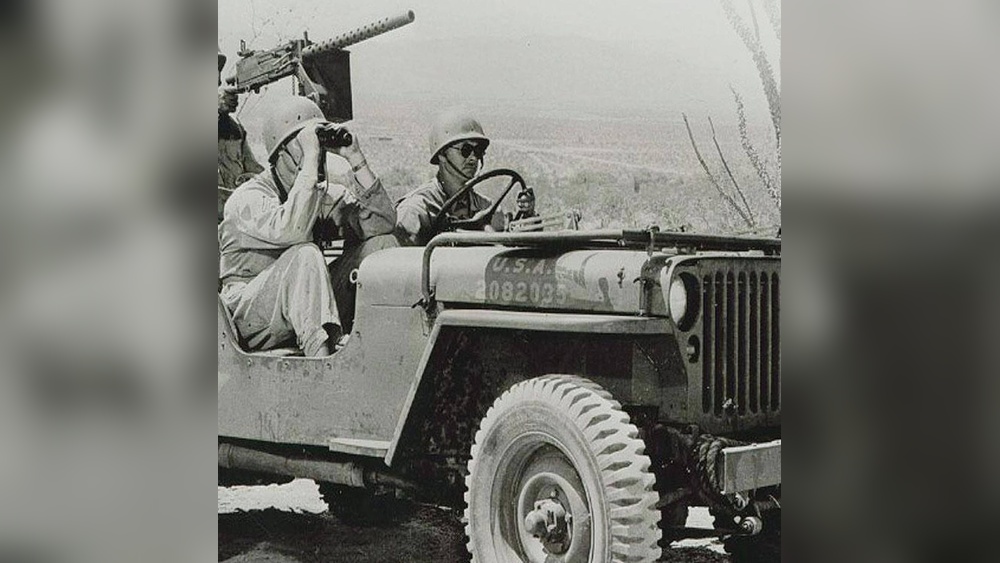
The year 1941 marks the official start of Jeep. During World War II, the U.S. military needed a tough, reliable vehicle that could handle any terrain. The Army put out a call for automakers to design something new. Several companies responded, but it was Willys-Overland and Ford that built the vehicles which would become the original Jeep.
By late 1941, these vehicles were in active use. The first mass-produced Jeep was the Willys MB, quickly followed by the Ford GPW. These vehicles earned a reputation for their durability and versatility, helping soldiers move across rough ground, carry supplies, and even tow equipment. The year 1941 is now celebrated as the birth of Jeep, and modern Jeeps often carry a “Since 1941” badge to honor this milestone.
Why Was Jeep Created?
Jeep was born out of necessity. The U.S. Army needed a vehicle that was:
- Lightweight and easy to transport
- Four-wheel drive for off-road capability
- Simple to repair in tough conditions
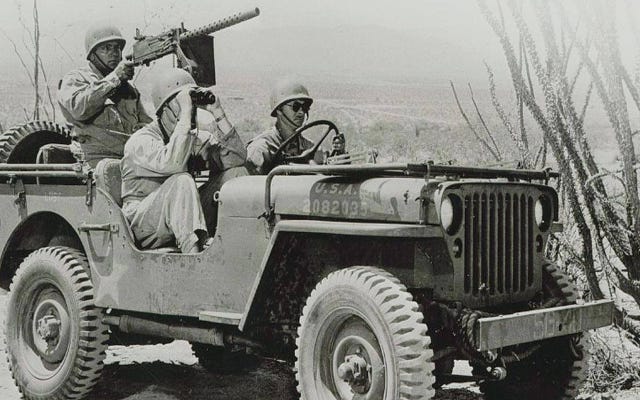
The original Willys MB had a 60-horsepower engine, could carry 1,200 pounds, and weighed just over 2,000 pounds. It was so useful that General Dwight D.
Eisenhower called it “one of three decisive weapons” of World War II.
The Name “jeep”: Where Did It Come From?
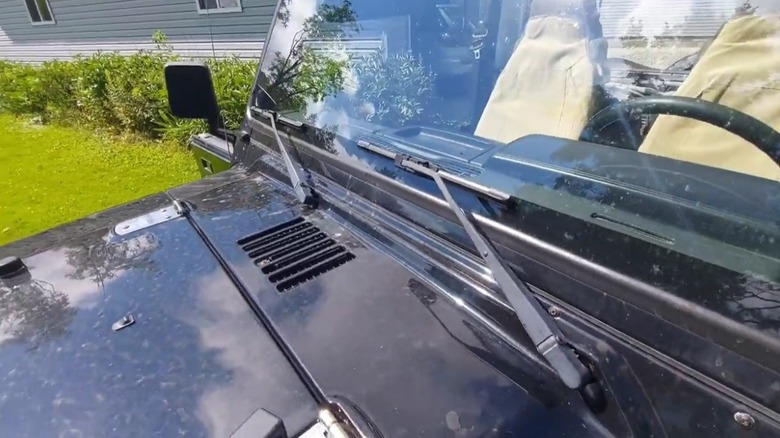
The name Jeep has a mysterious history. Some believe it came from the letters “G.P.” for “General Purpose” vehicle, which soldiers pronounced as “jeep.” Others say it was inspired by a cartoon character named Eugene the Jeep, who could go anywhere. Whatever the origin, the name stuck, and it quickly became the official brand.
Jeep’s Development After 1941
After the war, Jeep did not disappear. Instead, it became even more popular. Willys-Overland saw the potential for a civilian market and introduced the CJ-2A in 1945. “CJ” stood for Civilian Jeep. This was the first Jeep people could buy for work or pleasure, not just for military use.
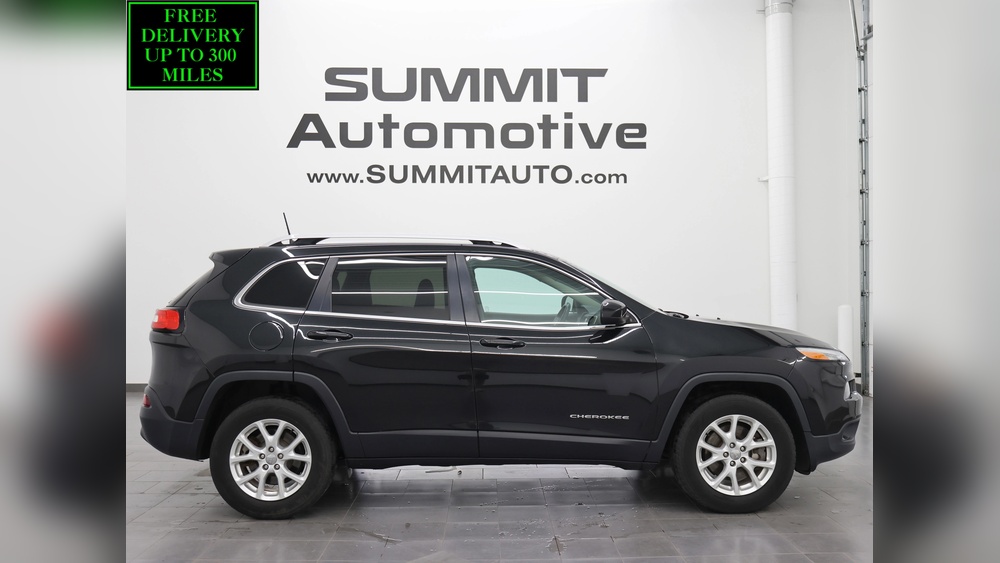
Jeep kept evolving, introducing new models for farming, business, and recreation. The brand continued to innovate with vehicles like the Wagoneer in 1963 (one of the first luxury SUVs) and the Cherokee in 1974.
Let’s compare a few important Jeep models and their launch years:
| Model | Year Launched | Main Purpose |
|---|---|---|
| Willys MB | 1941 | Military utility |
| CJ-2A | 1945 | Civilian use |
| Wagoneer | 1963 | Family SUV |
| Cherokee | 1974 | Sport utility |
| Wrangler | 1986 | Off-road/recreation |
Key Events In Jeep’s History
A few dates stand out in Jeep’s timeline after its 1941 debut:
- 1950: Willys trademarks the “Jeep” name.
- 1953: Kaiser Motors buys Willys-Overland.
- 1987: Chrysler acquires Jeep, bringing it into a major auto group.
- 2021: Jeep celebrates 80 years with special edition models.
Changes in ownership brought new investment and technology, but the brand’s identity stayed the same: rugged, reliable, and ready for adventure.
Jeep’s Role In Popular Culture
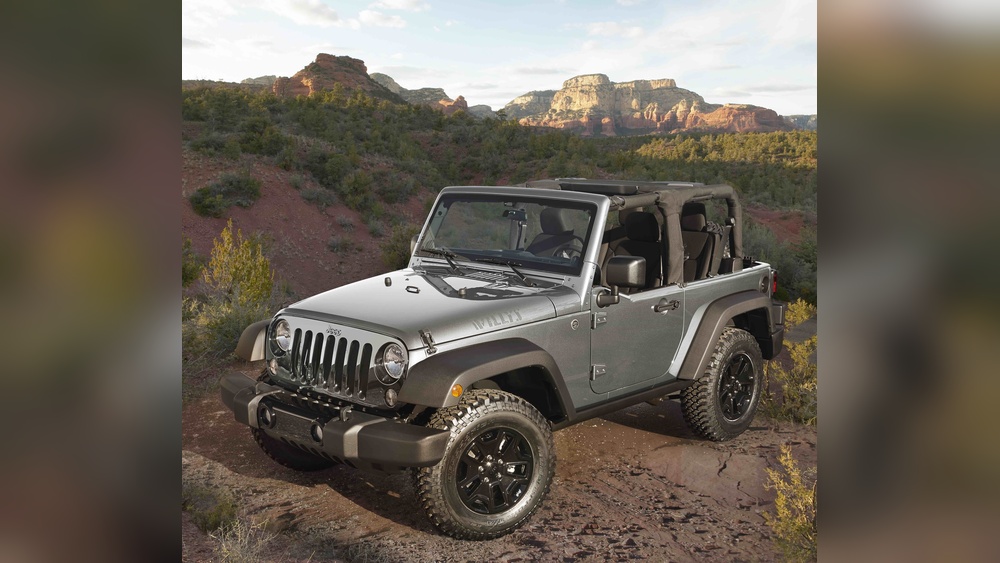
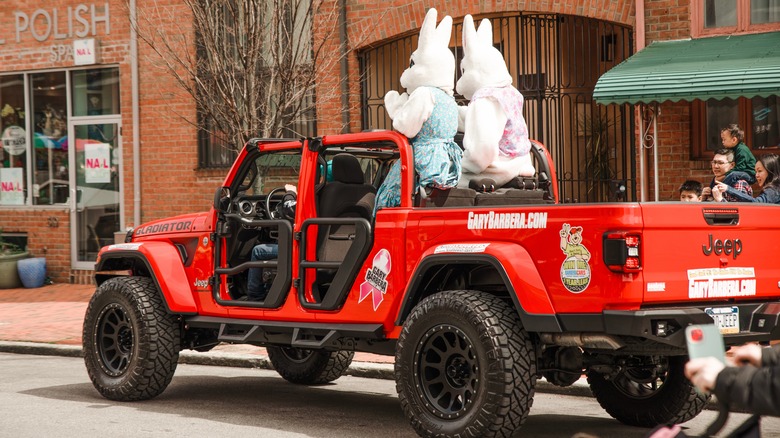
Jeep is more than a vehicle; it’s a symbol of freedom and exploration. It shows up in movies, TV shows, and even video games. The Jeep Wrangler is especially famous for its boxy shape and open-air driving. From African safaris to American road trips, Jeep stands for getting off the beaten path.
Enthusiasts form clubs, organize events like “Jeep Jamboree,” and share a sense of community. The Jeep Wave—a simple hand sign between drivers—shows the spirit of friendship among owners.
How Jeep Models Have Changed Over Time
The first Jeeps were simple, with flat fenders and basic interiors. Today, Jeep offers advanced features like:
- Touchscreen navigation
- Heated seats
- Hybrid engines
- Modern safety systems
Still, many design cues from 1941 remain, like the seven-slot grille and round headlights.
Here’s a quick comparison of a classic Willys MB and a modern Jeep Wrangler:
| Feature | Willys MB (1941) | Jeep Wrangler (2024) |
|---|---|---|
| Engine | 60 hp, 2.2L | 270+ hp, 2.0L turbo |
| Transmission | 3-speed manual | 8-speed automatic |
| Safety | Basic seat belts | Airbags, ABS, cameras |
| Comfort | Minimal | Modern amenities |
Non-obvious Insights About Jeep’s Start
- Prototype Speed: The first prototype was designed in just 49 days. The U.S. military’s urgent request led companies to work around the clock.
- Multiple Makers: Both Willys-Overland and Ford built nearly identical Jeeps during the war. This ensured enough vehicles for the war effort and is why many old Jeeps have either “Willys” or “F” marks on their parts.
- Global Impact: After the war, surplus Jeeps were sold worldwide. This helped spread the Jeep’s reputation and inspired off-road vehicles in other countries, like the British Land Rover.
Jeep Today: Still Going Strong
Jeep has survived wars, company changes, and market shifts. Today, it is part of Stellantis, a global automaker. Jeep sells vehicles in more than 100 countries and continues to launch new models, including electric and hybrid options.
The brand’s popularity is easy to see. For example, in 2022, Jeep sold over 684,000 vehicles in the U.S. alone. The Wrangler remains a top choice for those who want real off-road ability.
For a deeper look into Jeep’s full history, visit Wikipedia.
The journey that started in 1941 continues to inspire people everywhere to go further, explore, and enjoy the ride.
Frequently Asked Questions
When Did Jeep First Start?
Jeep officially started in 1941 when the Willys MB was built for the U.S. military. This year is recognized as the true beginning of the Jeep brand.
Who Made The First Jeep?
The first Jeep was developed by Willys-Overland, with help from the American Bantam Car Company and Ford. Willys and Ford produced most of the Jeeps used during World War II.
Was Jeep Always A Civilian Vehicle?
No, Jeep was originally made for the military. It became a civilian vehicle in 1945 with the launch of the CJ-2A model.
What Does “jeep” Mean?
The name “Jeep” likely comes from the sound of the letters “G. P.
” (meaning “General Purpose”), but some say it was inspired by a cartoon character. The true origin is still debated.
Is Jeep Still An American Brand?
Jeep’s headquarters are in the United States, but the brand is now part of Stellantis, a global company. Jeeps are made in several countries, but the brand’s identity remains American.