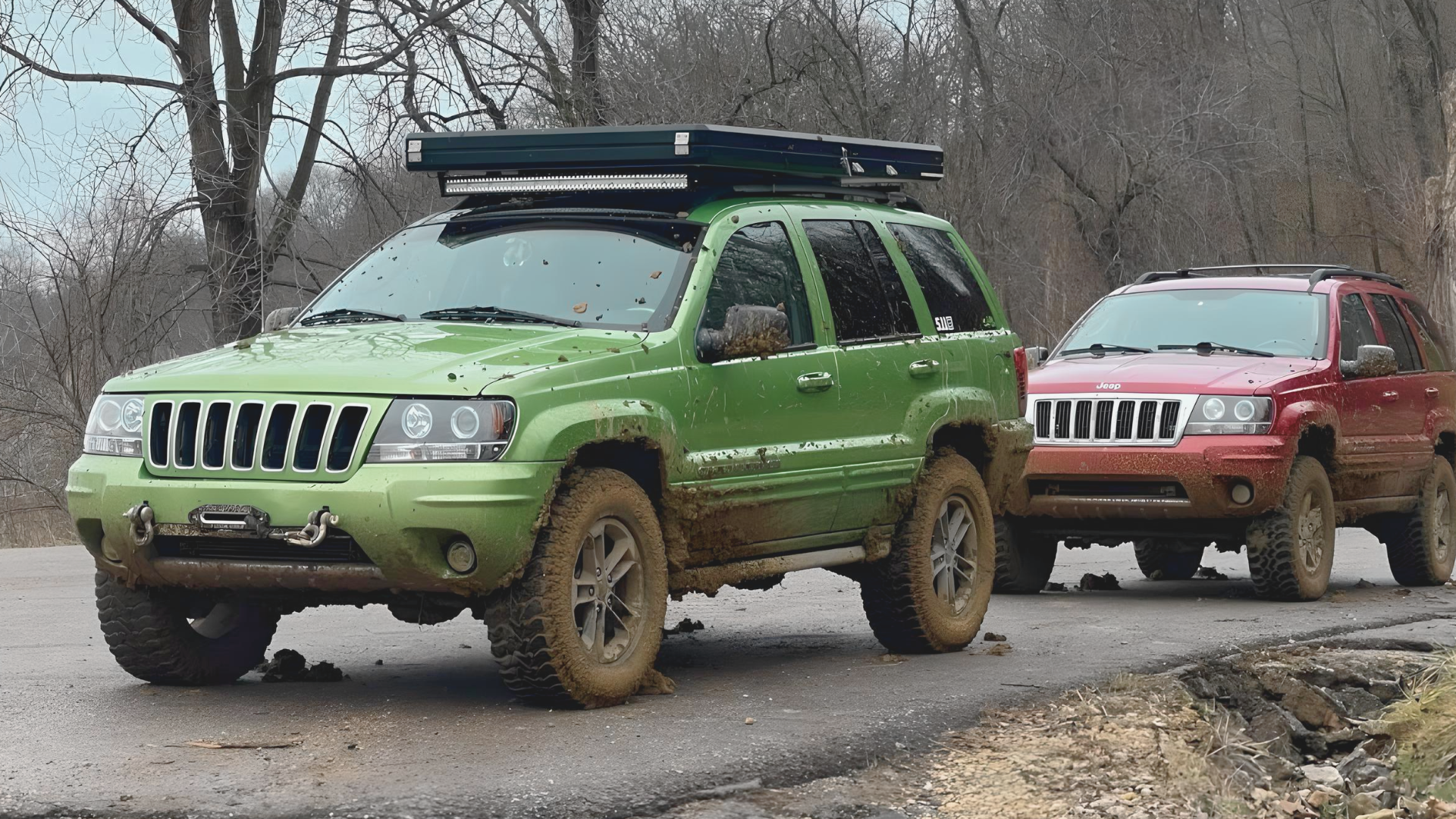
The Jeep Cherokee has a long history, marked by several big changes in design and engineering. If you are a fan of SUVs or thinking about buying a used Cherokee, it’s important to know when these major body style changes happened.
This article breaks down each key year the Jeep Cherokee changed its look, explains why these changes mattered, and helps you spot the right model for your needs.
First Generation (sj): The Beginning (1974–1983)
The original Jeep Cherokee SJ was launched in 1974 as a two-door version of the Jeep Wagoneer. It stood out with its boxy, rugged body, built for off-road adventure. For nearly a decade, this style remained the same, with only minor updates like trim and grille changes.
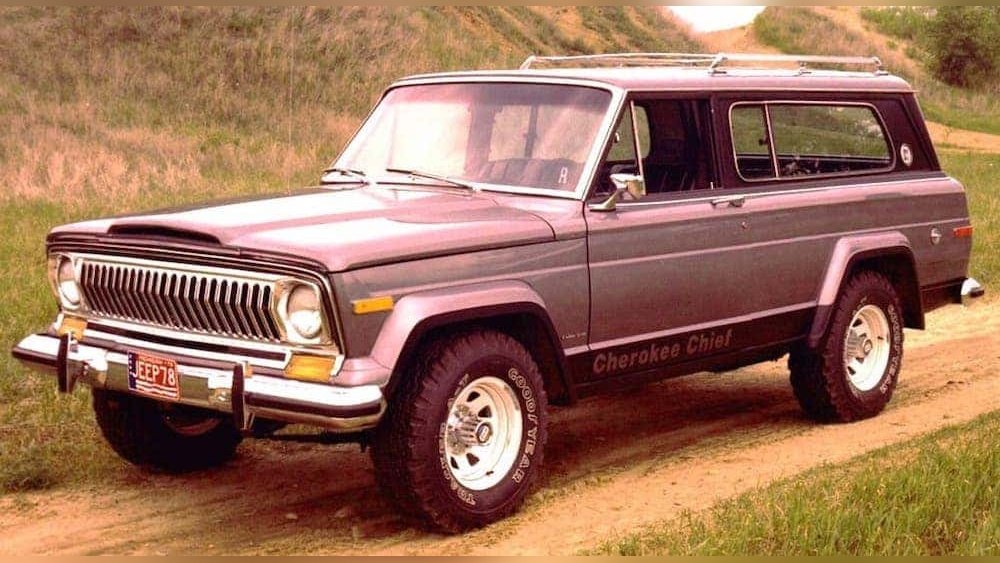
What made the SJ unique:
- Full-size SUV platform
- Solid axles for better off-road performance
- Simple, tough design
You’ll still see some of these classics at car shows or on rugged trails. They look much larger and more square compared to later models.
Second Generation (xj): A Game Changer In 1984
The year 1984 is legendary for Jeep Cherokee fans. This was when Jeep released the XJ Cherokee, a total redesign that set the tone for modern SUVs. The XJ switched to a unibody frame instead of a heavy full frame, making it much lighter and more fuel-efficient.
Key changes in 1984:
- Unibody construction (lighter, stronger)
- Smaller, more aerodynamic body
- Four-door option added
This change made the Cherokee easier to drive in the city while still performing well off-road. The XJ’s blend of comfort and utility made it a best-seller and is still loved by off-road enthusiasts today.
| Generation | Years | Main Body Style Change |
|---|---|---|
| SJ | 1974–1983 | Full-size, body-on-frame |
| XJ | 1984–2001 | Compact, unibody |

Third Generation (kj): Modern Curves In 2002
The next big body style change came in 2002 with the KJ Cherokee (sold as the Liberty in the US). The new design looked rounder and more modern, a big shift from the boxy XJ. Jeep made these changes to attract more families and city drivers.
What changed in 2002:
- Rounded body shape
- Independent front suspension (improved comfort)
- Larger windows for better visibility
The KJ was also the first Cherokee to use rack-and-pinion steering, which made handling smoother on the road. However, some fans missed the rugged look and off-road focus of the XJ.
Fourth Generation (kk): Subtle Updates In 2008
In 2008, Jeep launched the KK Cherokee. The basic body shape remained similar to the KJ, but the lines became a bit more squared-off and aggressive. This generation aimed to blend comfort with a tougher appearance.
Highlights for 2008:
- Slightly boxier shape
- Updated grille and headlights
- Improved interior technology
The KK generation was not as revolutionary, but it did help the Cherokee keep up with growing competition from other SUVs.

Fifth Generation (kl): Return To The Us And Major Redesign In 2014
The KL Cherokee arrived in 2014 and marked a dramatic body style change. Jeep brought back the Cherokee name to the US (it was called Liberty before) and gave it a futuristic look with sleek, narrow headlights and a rounded body.
What changed in 2014:
- Crossover design (shared platform with Fiat)
- Curvier, modern exterior
- Advanced tech like adaptive cruise control
This generation focused on comfort, fuel efficiency, and city driving, while still offering off-road options. The KL also introduced more luxury features, making it a popular family SUV.
| Model Year | Main Body Features | Notable Changes |
|---|---|---|
| 2002 (KJ) | Rounded, modern design | Independent front suspension |
| 2014 (KL) | Sleek, curvy shape | New crossover platform |
Why These Changes Matter
Every body style change for the Jeep Cherokee reflected new technology, changing consumer tastes, and tougher competition. Here’s why these design shifts are important:
- Safety: Newer body styles usually mean better crash protection and more airbags.
- Comfort: Each redesign brought smoother rides, quieter cabins, and more tech features.
- Capability: Some generations focus more on off-road power, while others shift toward comfort and style.
For example, the XJ is still famous for off-roading, while the KL is preferred for daily city driving and family trips.
How To Spot Each Generation
If you’re shopping for a used Cherokee, knowing the visual differences can help you choose the right one:
- SJ (1974–1983): Large, boxy, and classic SUV shape.
- XJ (1984–2001): Compact, angular, and iconic “box” look.
- KJ (2002–2007): Rounded corners, big headlights.
- KK (2008–2013): Slightly boxier than KJ, but still modern.
- KL (2014–present): Sleek lines, narrow headlights, sporty style.
One non-obvious tip: Look at the wheel arches. XJ models have squared arches, while KJ and newer models use more rounded shapes.
Popularity And Influence Of Each Change
Each major redesign brought new fans to the Cherokee brand. The XJ (1984–2001) created the modern compact SUV market and is still highly valued by off-roaders. The KL (2014–present) boosted sales by appealing to young families and people who want advanced technology.
It’s also interesting that some older body styles, especially the XJ, have a strong following for restoration and customization. These models often hold their value, especially if they are in good condition.
| Generation | Years Produced | Key Audience |
|---|---|---|
| XJ | 1984–2001 | Off-roaders, collectors |
| KL | 2014–present | Families, tech users |
Choosing The Right Cherokee For You
When picking a Cherokee, focus on your top needs:
- For off-road adventures: XJ and SJ models are best, but can be hard to find in good shape.
- For comfort and technology: KL models after 2014 offer more features.
- For a balance: KJ and KK models provide a mix of both worlds.
A key insight: Many buyers overlook how different the driving feel is between generations. Try to test drive both older and newer models before making a decision.
If you want more details about all the Jeep Cherokee generations, check the official Jeep page on Wikipedia.
Frequently Asked Questions
What Year Did The Jeep Cherokee First Change Its Body Style?
The first major body style change happened in 1984, when Jeep switched from the SJ (full-size) to the XJ (compact, unibody) design.
When Was The Most Recent Major Body Style Change For The Cherokee?
The latest big redesign was in 2014 with the KL generation, which introduced a modern crossover look and advanced technology.
Which Jeep Cherokee Body Style Is Best For Off-roading?
The XJ (1984–2001) is most popular for off-roading because of its strong unibody design, light weight, and easy modifications.
What Is The Main Difference Between The Kj And Kk Generations?
The KJ (2002–2007) has a more rounded shape, while the KK (2008–2013) is boxier and adds more modern features, but both focus on comfort.
Are Older Or Newer Cherokees More Reliable?
Reliability depends on maintenance, but XJ models are known for their simple, rugged build, while newer models offer more tech but can be more complex to repair.
The Jeep Cherokee has changed a lot over the years. Each new body style reflects the needs and tastes of drivers at that time.
Whether you love the classic boxy look or prefer modern comfort, knowing these changes helps you find the right Cherokee for your adventure.