Jeep is a brand known for its strong off-road vehicles and classic designs. Over the years, Jeep has changed the body style of its vehicles several times, making each generation unique.
For car enthusiasts and buyers, understanding these changes can help when choosing a model or learning about Jeep’s history.
This article explores the key years when Jeep changed body styles, focusing on the most popular models and what made each transformation special.
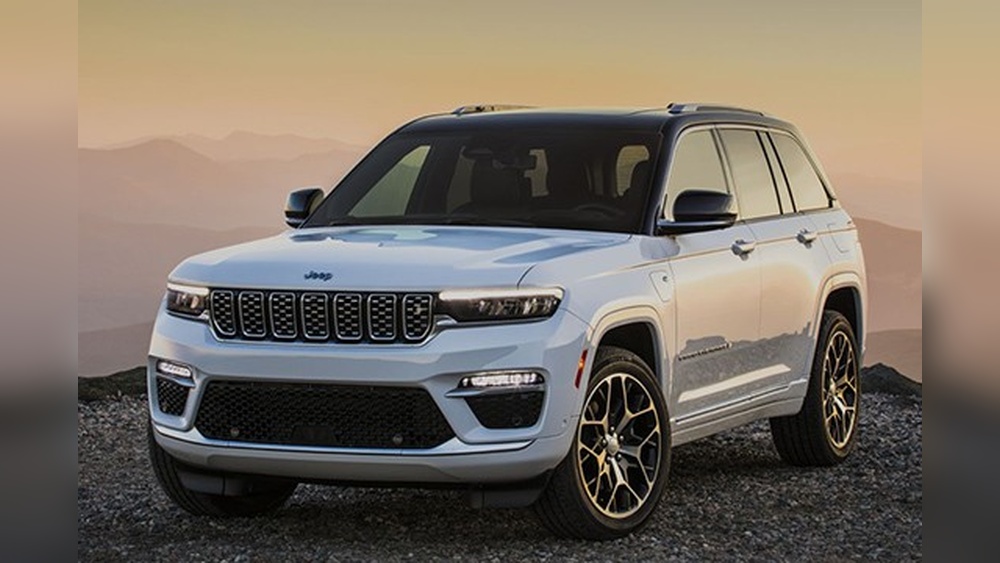
Understanding Jeep Body Style Changes
A body style change means more than a new look. It often includes a new frame, different materials, and changes inside the vehicle. Automakers call these big changes “generations.” Sometimes, small updates happen between generations, but a true body style change is usually easy to see.
Jeep’s two most famous models, the Wrangler and the Cherokee, show how body styles have evolved. The Wrangler is loved for its rugged, open-air style, while the Cherokee is known for its comfort and versatility.
Key Years Jeep Changed Body Styles
Here are the most important years Jeep made big changes to its body styles. This section covers the Wrangler and Cherokee, as well as a few other popular models.
Jeep Wrangler (cj, Yj, Tj, Jk, Jl)
The Wrangler replaced the original military Jeep, known as the CJ (Civilian Jeep). Each new generation brought a big body style change.
| Generation | Year Introduced | Main Body Style Changes |
|---|---|---|
| CJ | 1945 | Military look, flat fenders |
| YJ | 1987 | Square headlights, wider track |
| TJ | 1997 | Round headlights, coil suspension |
| JK | 2007 | Wider body, 4-door Unlimited model |
| JL | 2018 | Aluminum doors/hood, modern look |
1987 was a major year: Jeep switched from the CJ to the YJ, giving the Wrangler a new frame and square headlights. This was a big change and some fans did not like it at first. The 1997 TJ returned to round headlights and added a more comfortable ride with new suspension. In 2007, the JK generation brought a bigger body and, for the first time, a 4-door model. The latest big change was in 2018 with the JL, which is lighter and more modern.
Jeep Cherokee
The Cherokee has also seen big body style changes. It started as a full-size SUV and later became a smaller, more family-friendly vehicle.
| Generation | Year Introduced | Body Style Highlights |
|---|---|---|
| Wagoneer/Cherokee SJ | 1963 | Full-size, boxy design |
| Cherokee XJ | 1984 | Compact, unibody construction |
| Cherokee KL | 2014 | Sleek, modern crossover look |
The 1984 Cherokee XJ is one of the most famous Jeeps ever. It used a lighter, unibody construction instead of the old, heavy frame. This made it more efficient and easier to drive in cities. In 2014, the KL generation changed the Cherokee again, giving it a softer, modern look as a crossover instead of a boxy SUV.
Jeep Grand Cherokee
The Grand Cherokee started in 1993. Its biggest body style changes happened with each new generation:
- 1999 (WJ): Smoother body, improved interior.
- 2005 (WK): More rounded shape.
- 2011 (WK2): Larger, luxury SUV design.
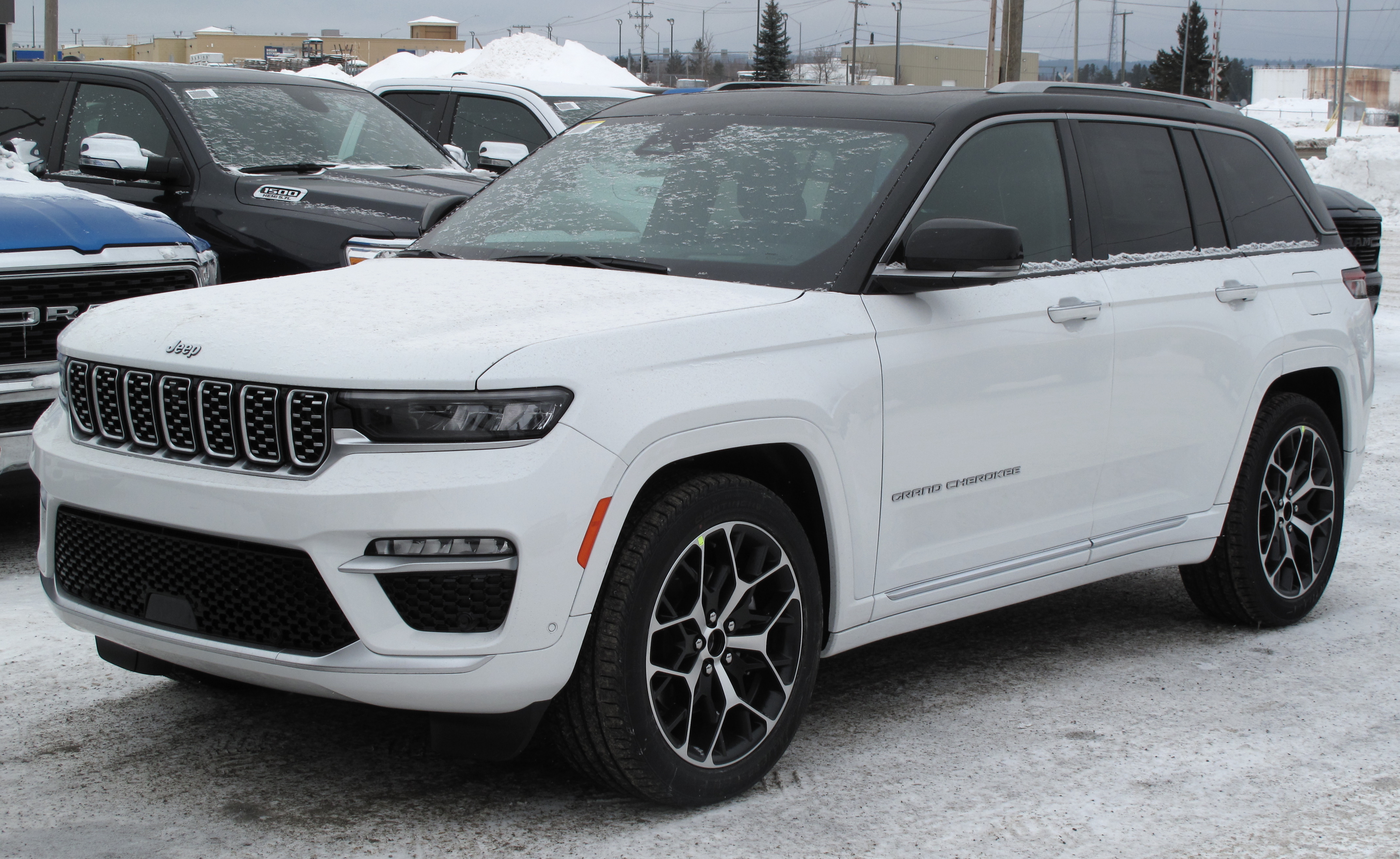
- 2021 (WL): Longer, more upscale, 3-row option.
Each new Grand Cherokee feels different, with big changes in style and comfort.
Other Jeep Models
Jeep Compass and Jeep Renegade are newer models. For example, the Compass had a big style update in 2017, moving from a boxy shape to a modern, city-friendly look. The Renegade debuted in 2015 with a unique, playful design.

Why Do These Body Style Changes Matter?
Body style changes are not just about looks. They change how the car drives, how safe it is, and even how much it costs. For Jeep, each new generation tries to balance off-road ability with comfort for daily driving.
Many Jeep fans care about the year and generation because:
- Off-road performance: Some bodies are better for tough trails.
- Maintenance: Older models may be easier (or harder) to repair.
- Resale value: Certain generations hold value better.
- Personal style: Some like the classic boxy look, others want a modern SUV.
Surprisingly, not all changes are improvements for every person. For example, the 2014 Cherokee’s new look was controversial because it moved away from traditional Jeep styling.
Common Mistakes When Reading Jeep Model Years
When people ask, “What year did Jeep change body style?” they often mean the Wrangler, but each model has its own timeline. A common mistake is mixing up a facelift (small changes to lights or bumpers) with a true new generation (complete body style change).
Another thing many miss: Sometimes, Jeep sells older and newer generations at the same time for a year or two. For example, in 2007, both the Wrangler TJ (old body) and JK (new body) were available at dealerships.
Quick Comparison: Wrangler Vs. Cherokee Body Style Changes
Here’s a side-by-side look at when the two top Jeep models changed body style:
| Model | Key Change Year | Notable Change |
|---|---|---|
| Wrangler | 1987 | CJ to YJ (military to modern) |
| Wrangler | 2007 | JK (4-door added) |
| Cherokee | 1984 | SJ to XJ (full-size to compact) |
| Cherokee | 2014 | KL (SUV to crossover) |
Non-obvious Insights For Jeep Buyers
- Parts Compatibility: Sometimes, small body style changes mean big changes for parts. For example, a 1997 Wrangler TJ shares very few body panels with a 1995 YJ, even if they look similar from a distance.
- Collectibility: Rare body styles, like the 2004-2006 Wrangler Unlimited (TJ “LJ” model), can become collector’s items because they were only made for a short time.
- Insurance Costs: Newer body styles with more safety features can lower insurance costs compared to older designs.

Frequently Asked Questions
What Was The First Big Jeep Body Style Change?
The first major change was in 1987, when Jeep replaced the CJ series with the Wrangler YJ, introducing square headlights and a new frame.
When Did Jeep Wrangler Add A 4-door Model?
Jeep added the 4-door Wrangler Unlimited in 2007 with the JK generation. This made the Wrangler much more popular for families.
Did The Cherokee Always Look Like A Small Suv?
No. The original Cherokee (SJ) was a full-size SUV. In 1984, the XJ made it a compact, boxy SUV. In 2014, the KL became a modern crossover.
Are Body Style Changes The Same As Facelifts?
No. A body style change means a whole new shape and frame. A facelift is just a small update, like new headlights or a grille.
Where Can I Find More Detailed Jeep History?
You can find more on the official Jeep Wikipedia page, which has timelines and photos of each model.
Jeep’s history is full of interesting changes, and understanding body style years can help buyers, collectors, and fans pick the right model for their needs. Whether you love the old boxy look or the new, sleek Jeeps, there’s a generation that fits your style.



















