The Jeep Wrangler is famous for its rugged design and off-road abilities. But even tough vehicles need proper care, especially when it comes to the cooling system.
Using the right coolant is not just about preventing overheating; it also protects your engine from corrosion, freezing, and long-term damage. Many Jeep owners, especially beginners, often feel confused about which coolant to use and why.
This guide will help you understand everything you need to know about coolant types for the Jeep Wrangler, so you can keep your ride safe and reliable.
Why Coolant Matters For Jeep Wrangler
Coolant, also known as antifreeze, plays a crucial role in your engine’s health. The Jeep Wrangler faces extreme conditions—hot summers, cold winters, dusty trails. Good coolant keeps the temperature stable, prevents rust, and protects metal and plastic parts inside the engine.
A surprising fact: Using the wrong coolant can void your warranty and cause expensive repairs. Jeep engines are designed to work with specific coolant formulas. Mixing different types or ignoring these requirements can lead to leaks, clogs, or even engine failure.
Types Of Coolant For Jeep Wrangler
Several coolant types are available. Jeep Wranglers, depending on their year and engine model, need different formulas. Here are the main types you’ll encounter:
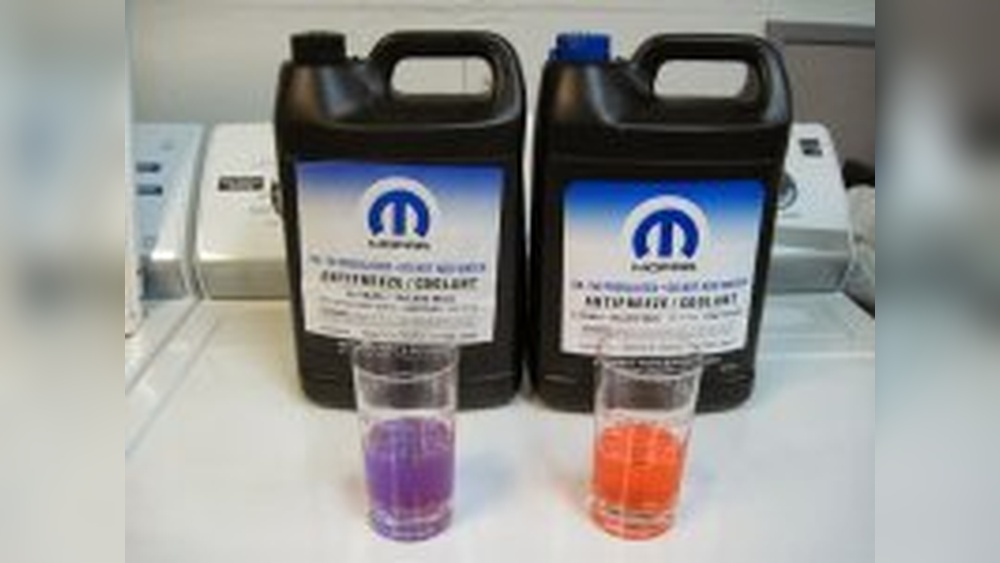
- HOAT (Hybrid Organic Acid Technology): Most Jeep Wranglers from 2001 to 2012 use HOAT coolant, which is often purple or orange. It protects both aluminum and iron parts. Chrysler’s preferred HOAT coolant is Mopar Antifreeze/Coolant.
- OAT (Organic Acid Technology): Models from 2013 onward (especially with the Pentastar engine) use OAT coolant, usually bright orange. OAT lasts longer, up to 10 years or 150,000 miles.
- IAT (Inorganic Additive Technology): Older Jeep Wranglers (pre-2001) may require IAT coolant, which is green and needs to be changed every 2 years or 30,000 miles.
Quick Reference Table: Coolant Types By Year
| Model Year | Engine | Coolant Type | Color | Change Interval |
|---|---|---|---|---|
| 1997-2000 | 4.0L, 2.5L | IAT | Green | 2 years / 30,000 miles |
| 2001-2012 | 3.8L, 4.0L | HOAT | Purple/Orange | 5 years / 100,000 miles |
| 2013+ | 3.6L Pentastar | OAT | Orange | 10 years / 150,000 miles |
Choosing The Right Coolant: What Really Matters
When picking coolant for your Jeep Wrangler, focus on these key points:
- Compatibility: Always match the coolant type to your model year and engine. Mixing OAT and HOAT can cause sludge and blockages.
- Brand Quality: Use Mopar or other Jeep-approved brands. Cheap coolants may lack necessary additives.
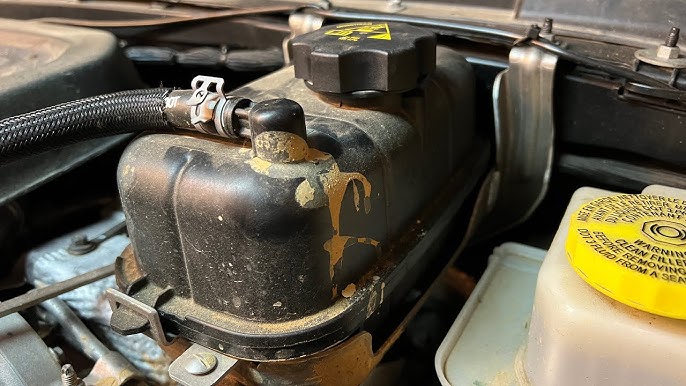
- Color Is a Clue: Coolant color helps identify the type, but always check the label. Some brands may use similar colors for different formulas.
- Concentration: Coolant usually comes as 50/50 pre-mixed or full-strength. Pre-mixed is easier for beginners.
Comparison Table: Mopar Vs. Aftermarket Coolants
| Brand | Type | Jeep Approved | Longevity | Price Range |
|---|---|---|---|---|
| Mopar | HOAT/OAT | Yes | 5–10 years | $22–$28/gal |
| Prestone | OAT | Some Models | 5 years | $18–$22/gal |
| Peak | HOAT | No | 3–5 years | $15–$20/gal |
How To Change Coolant In Jeep Wrangler
Changing coolant is not too hard, but you must follow proper steps:
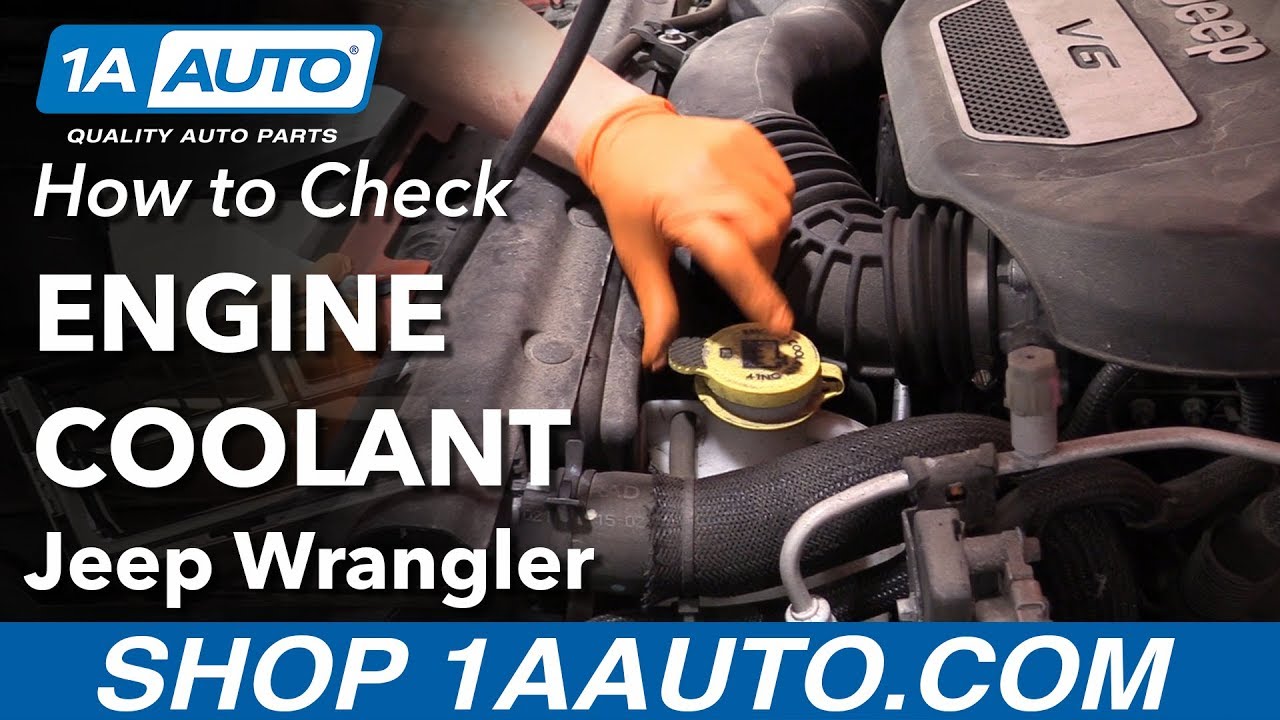
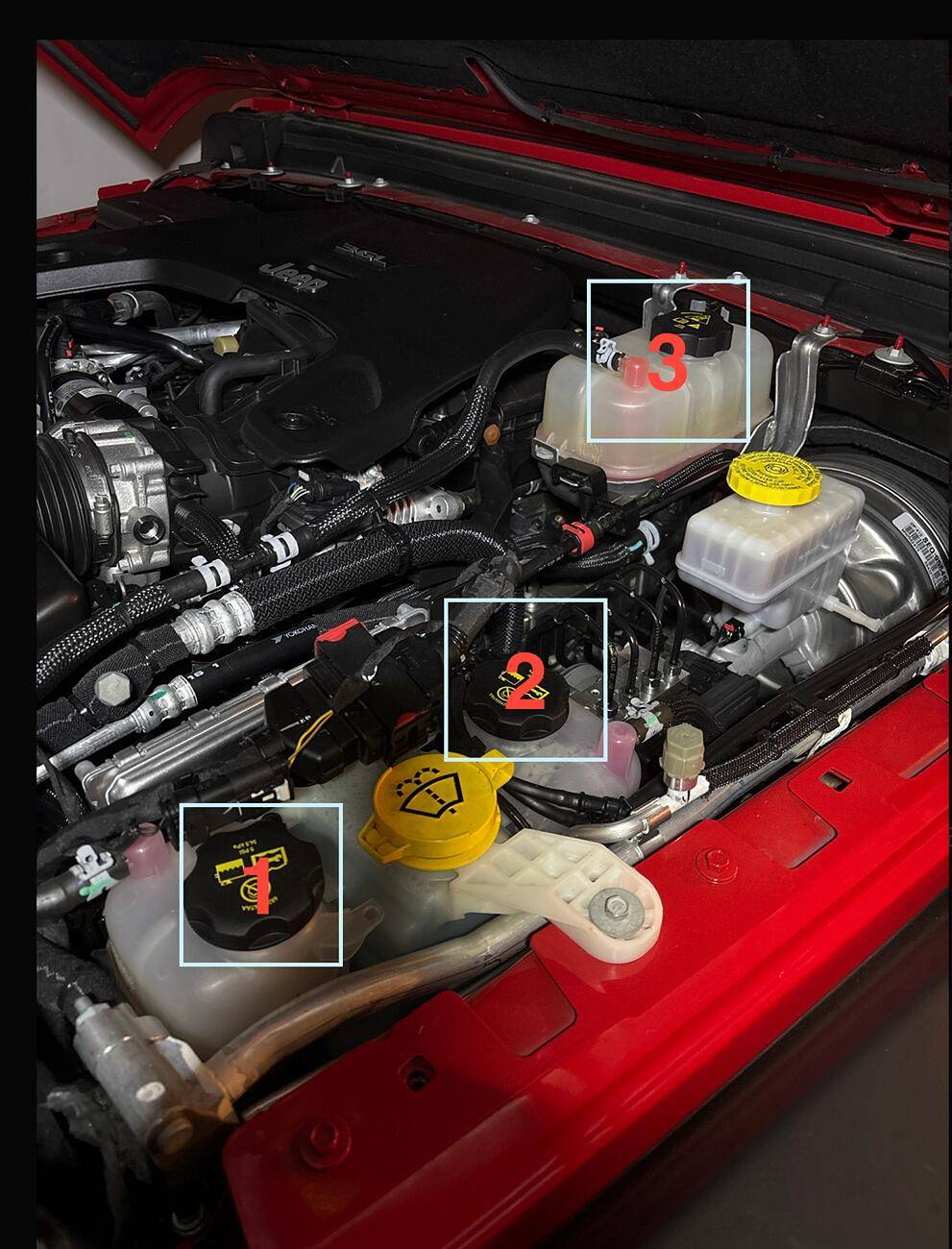
- Let Engine Cool: Never open the radiator cap on a hot engine. Wait at least 30 minutes.
- Drain Old Coolant: Place a drain pan under the radiator, open the drain valve, and let all coolant flow out.
- Flush System: Fill with distilled water, run the engine for a few minutes, then drain again.
- Add New Coolant: Pour in the correct type and amount (usually 2 gallons for Wranglers).
- Bleed Air: Start the engine, let it run with the radiator cap off, and watch for bubbles. Top off if needed.
Example: 2014 Jeep Wrangler Coolant Change
- Use Mopar OAT coolant (orange).
- System capacity: About 2 gallons.
- Change interval: Every 10 years or 150,000 miles.
Many Jeep owners make these errors:
- Mixing Coolants: Never mix OAT and HOAT. It leads to sludge and cooling system failure.
- Ignoring Change Intervals: Coolant breaks down over time, even if it looks clean. Follow Jeep’s schedule.
- Using Tap Water: Always use distilled water to avoid mineral buildup.
A non-obvious tip: Check your owner’s manual for hidden details. Some models require special coolant additives for extreme climates.
Another insight: When buying used Jeeps, ask about the coolant type used. Switching between formulas without flushing can damage the engine.
Jeep Wrangler Coolant Capacity And Temperature Data
Here’s a quick look at coolant capacity and normal operating temperature:
| Model | Coolant Capacity | Normal Temp Range |
|---|---|---|
| 2007-2011 Wrangler | 2.2 gallons | 195–220°F |
| 2012-2022 Wrangler | 2.3 gallons | 200–225°F |
Frequently Asked Questions
What Happens If I Use The Wrong Coolant In My Jeep Wrangler?
Using the wrong coolant can cause corrosion, overheating, and even engine failure. Always use the type recommended for your model year.
How Often Should I Change Coolant In A Jeep Wrangler?
It depends on the coolant type:
- OAT: Every 10 years or 150,000 miles.
- HOAT: Every 5 years or 100,000 miles.
- IAT: Every 2 years or 30,000 miles.
Can I Mix Different Coolant Colors?
No. Mixing coolants (even if the color seems similar) can cause sludge and block passages. Always flush the system before switching types.
Is Mopar Coolant Necessary, Or Can I Use Aftermarket Brands?
For best results, use Mopar coolant. Some aftermarket brands work, but check for Jeep approval. Quality matters more than price.
Where Can I Find More Information About Jeep Coolant Specifications?
You can check the official Jeep website or your owner’s manual. For technical details, visit Jeep Official Manuals.
Choosing the right coolant helps your Jeep Wrangler stay strong for years. Take care of your cooling system, and you’ll enjoy every adventure without worry.