Owning a Jeep Grand Cherokee means enjoying strong performance and flexibility, but choosing the right octane gas can be confusing. Many drivers wonder if premium fuel is really necessary, or if regular gas works just as well.
The answer depends on your engine, driving habits, and how much you value long-term reliability. Let’s make sense of octane ratings and find the best gas for your Grand Cherokee.
What Does Octane Mean?
Octane rating measures a fuel’s ability to resist “knocking” or engine pinging. Knocking happens when fuel combusts too early, causing rough engine noise and possible damage. Higher octane fuels (like 91 or 93) resist knocking better than lower octane (87).
Most gas stations offer:
- Regular: 87 octane
- Mid-grade: 89 octane
- Premium: 91–93 octane
Higher octane fuels cost more, but aren’t always required by every engine. For example, in some engines, knocking is rare unless you drive aggressively or under heavy loads.
If you drive mostly in cities, with light acceleration and low speeds, your engine is much less likely to knock.
But if you climb steep hills, tow a trailer, or drive in very hot weather, knocking risk goes up. That’s when octane matters more.
Some drivers worry about “bad gas” causing engine issues. But octane is not about fuel purity or quality it’s only about how the fuel burns.
All gasoline sold in the U. S.
meets strict standards for quality and additives, so focus on octane, not brand, when choosing fuel for your Jeep.
Jeep Grand Cherokee Engine Types And Their Fuel Needs
The Grand Cherokee has offered several engines over the years. Each engine has its own fuel recommendation. Below is a clear summary:
| Model Year | Engine | Recommended Octane |
|---|---|---|
| 2011–2024 | 3.6L V6 | 87 (Regular) |
| 2011–2021 | 5.7L V8 | 89 (Mid-grade) |
| 2017–2021 | 6.4L SRT V8 | 91 (Premium) |
| 2018–2021 | 6.2L Trackhawk V8 | 91 (Premium) |
| 2022–2024 | Plug-in Hybrid 4xe | 87 (Regular) |
Most Grand Cherokees use 87 octane. Only the performance models (SRT, Trackhawk) require premium. If you have a 5.7L V8, Jeep suggests 89 mid-grade to ensure smooth operation, but using 87 won’t cause damage; it may just reduce power a little, especially when towing.
Some owners customize their Jeeps with aftermarket parts, like turbochargers or superchargers. If you’ve modified your engine, check with your mechanic these upgrades often need higher octane for safe running.

Why Engine Needs Matter
Your owner’s manual gives the best advice. Using the recommended octane keeps your engine healthy and avoids problems. If your engine is designed for regular gas, using premium will not improve power or efficiency.
Exception: If you notice knocking (pinging) when using regular, try switching to a higher octane. This can happen in hot climates or with older engines. Knocking sounds like a metallic tapping or rattling. If ignored, it can lead to expensive repairs. Sometimes, carbon buildup in the engine can make it sensitive to knocking, so older Grand Cherokees may benefit from mid-grade, even if they originally used regular.
Another overlooked factor is altitude. At higher elevations, air is thinner, so engines are less likely to knock.
If you live in the mountains, your Jeep may run fine on regular gas even if the manual suggests mid-grade. But always start with the recommended octane and test for knocking before changing.
Many drivers believe premium fuel is “better.” But for most Grand Cherokee models, premium offers no benefit unless your engine requires it. Here’s a quick comparison:
| Octane | Performance Impact | Cost per Gallon (US Avg.) | When to Use |
|---|---|---|---|
| 87 | Standard | $3.50 | V6, Hybrid |
| 89 | Smoother in V8 | $3.70 | 5.7L V8 |
| 91–93 | Needed for SRT/Trackhawk | $4.00 | High-performance |
Insight: Using premium in engines designed for regular is a waste of money. Your Jeep will not run better, and you won’t see improved mileage. Many owners report zero difference after switching to premium, except a higher fuel bill. Even advanced fuel injection systems only adjust to knock, not to higher octane in regular engines.
Another detail: premium gas may not be available at every station, especially in rural areas. If your performance Jeep needs premium, plan ahead for long road trips to avoid running low. If you must use lower octane, drive gently and refill with premium as soon as possible.
Effects Of Using Wrong Octane Gas
Using lower octane than recommended can cause:
- Engine knocking: This can damage pistons and valves.
- Reduced power: The engine may adjust timing, lowering performance.
- Poor fuel economy: Knock sensors may cause less efficient running.
If your engine asks for premium, don’t risk cheaper fuel. If your engine runs on regular, premium won’t help. Some drivers think “just once” won’t hurt, but even a single tank of low-octane can cause knocking, especially in high-performance engines.
Modern Jeeps have sensors to protect the engine, but you may notice sluggish acceleration or rough running.
An often-missed point: using too high octane can sometimes cause the engine to run less efficiently, because it’s designed to ignite fuel at lower pressure. This is rare, but worth knowing—more octane isn’t always better.
Real World Example
A 2022 Grand Cherokee owner with a 3. 6L V6 filled their tank with 91 octane for a road trip.
They noticed no difference in acceleration or mileage, just a higher bill. Another owner with a Trackhawk used 87 octane by mistake and experienced loud knocking and reduced speed until they switched back to 91.
Another practical case: A Jeep owner in Arizona, where summer temperatures reach 110°F, found their older Grand Cherokee started knocking on regular gas. Switching to 89 mid-grade solved the problem and avoided costly repairs. This shows how climate and engine age can influence octane needs.
Common Misconceptions
- Premium gas cleans the engine: Not true. All fuels have cleaning additives.
- Higher octane improves mileage: Only if your engine is tuned for it.
- Octane equals quality: Octane is just resistance to knocking, not overall quality.
Another myth: “Mixing octane makes the engine run smoother.” Actually, mixing different octanes only averages the rating; it doesn’t create a special blend. Stick to what your engine needs.
How To Check Your Jeep’s Fuel Recommendation
- Owner’s manual: Always the best source.
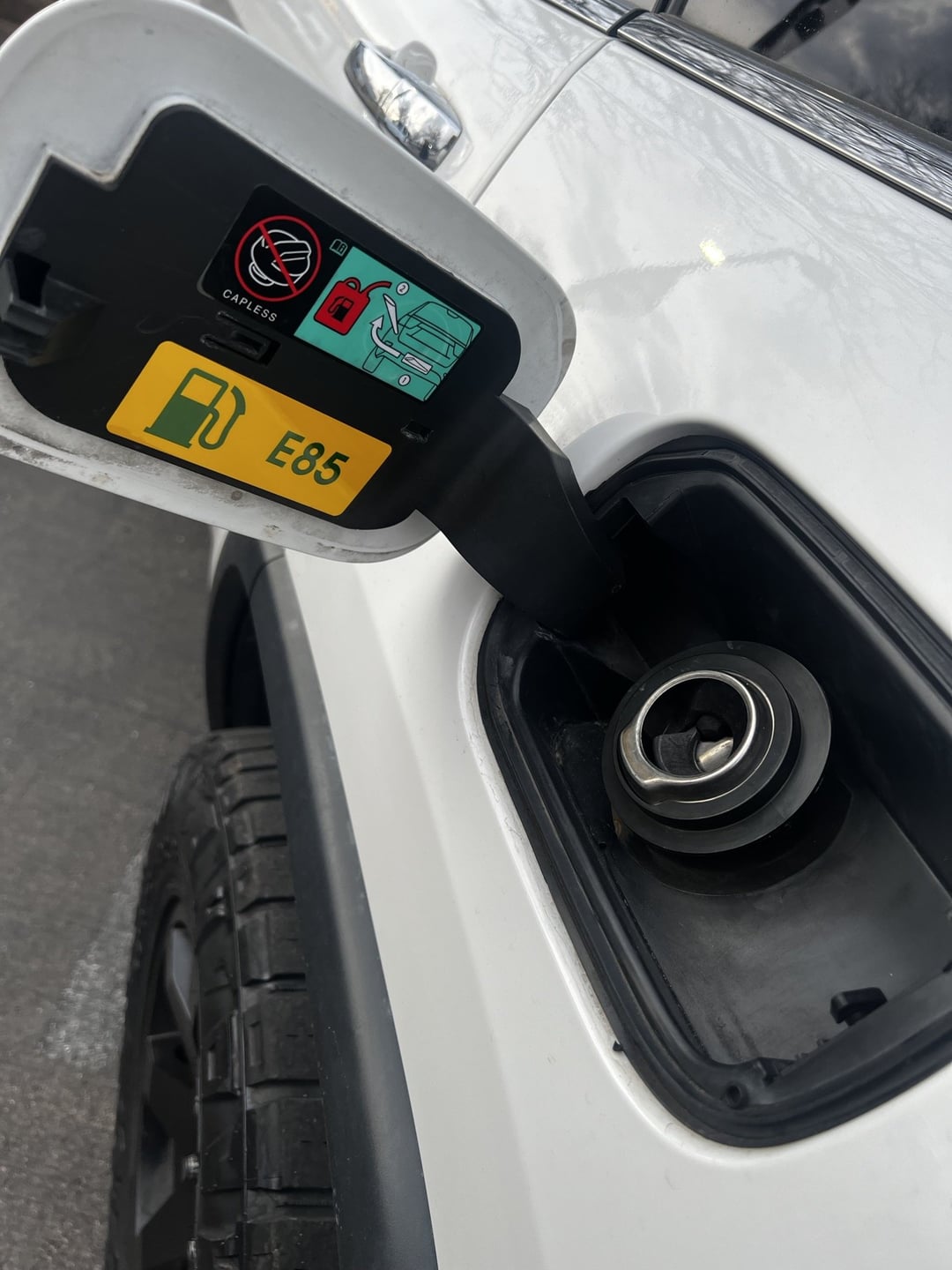
- Fuel cap label: Many Jeeps have octane listed here.
- Dealership or official site: Confirm specifics for your model.
For official guidance, check the Jeep Owner’s Manuals.
If you buy a used Grand Cherokee and aren’t sure about previous fuel habits, start with the recommended octane and listen for knocking. If you hear any, try mid-grade and see if it stops.
If you still have trouble, ask a trusted mechanic to check for engine issues.
Extra Tips For Jeep Grand Cherokee Owners
- If you tow heavy loads or drive in mountain areas, a higher octane may help prevent knocking.
- If your Jeep is older and knocks on regular gas, try mid-grade.
- Avoid mixing different octane fuels unless necessary.
- For winter driving, octane needs may drop, but always use what’s recommended.
- If you switch between fuels, reset your trip computer to track changes in mileage or performance.
Many owners skip checking the fuel cap or manual, but these simple steps can save you money and protect your engine. If you hear knocking or feel a loss of power, change octane before visiting a mechanic it’s often a quick fix.
Frequently Asked Questions
Which Octane Gas Should I Use For A 3.6l V6 Grand Cherokee?
Use 87 octane regular gas. Higher octane does not improve performance.
Can I Use 89 Or 91 Octane In My Regular Grand Cherokee?
You can, but it’s unnecessary. The engine won’t run better and it costs more.
What Happens If I Use Lower Octane Than Recommended?
You may hear knocking or pinging, lose power, and risk engine damage, especially in performance models.
No. Using the correct octane is what matters for engine life. Premium doesn’t offer extra protection in engines designed for regular.
Check the owner’s manual, your fuel cap, or the official Jeep website for your exact model and year.
Finding the right octane gas for your Jeep Grand Cherokee is simple if you follow the manufacturer’s advice. Most models use regular 87 octane, while high-performance versions need premium. Don’t waste money on higher octane unless your engine asks for it.
The right fuel keeps your Jeep running strong for years to come.