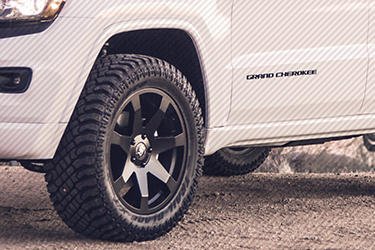
If you own a 2004 Jeep Grand Cherokee, choosing the right tire size is more important than many people realize. The wrong tires can impact your SUV’s safety, performance, and even fuel economy.
With so many options available, it’s easy to feel confused—especially if you’re not sure what actually fits your Grand Cherokee or which size is best for your driving needs.
This guide will clear up the details and help you make a confident tire choice.
Factory Tire Sizes For The 2004 Jeep Grand Cherokee
Jeep offered several tire sizes for the 2004 Grand Cherokee, depending on trim and wheel package. The most common factory tire sizes were:
- 225/75R16
- 245/70R16
- 235/65R17
The base Laredo model usually came with 225/75R16 tires on 16-inch wheels. The Limited trim and special editions often used 245/70R16 or 235/65R17 on larger wheels.
It’s important to check your vehicle’s door jamb sticker or owner’s manual for the original tire size.
Understanding Tire Size Codes
Tire size numbers might look confusing at first, but they give you key information:
- 225/75R16 means:
- 225 mm width (tread width)
- 75 = aspect ratio (sidewall height is 75% of width)
- R = radial construction
- 16 = rim diameter in inches
The higher the aspect ratio, the taller the sidewall. A wider tire gives more grip, while a taller sidewall can be more comfortable on rough roads.

Can You Use Different Tire Sizes?
Many Jeep owners ask if they can install tires that are slightly bigger or smaller than the factory size. The answer is yes, but with limits.
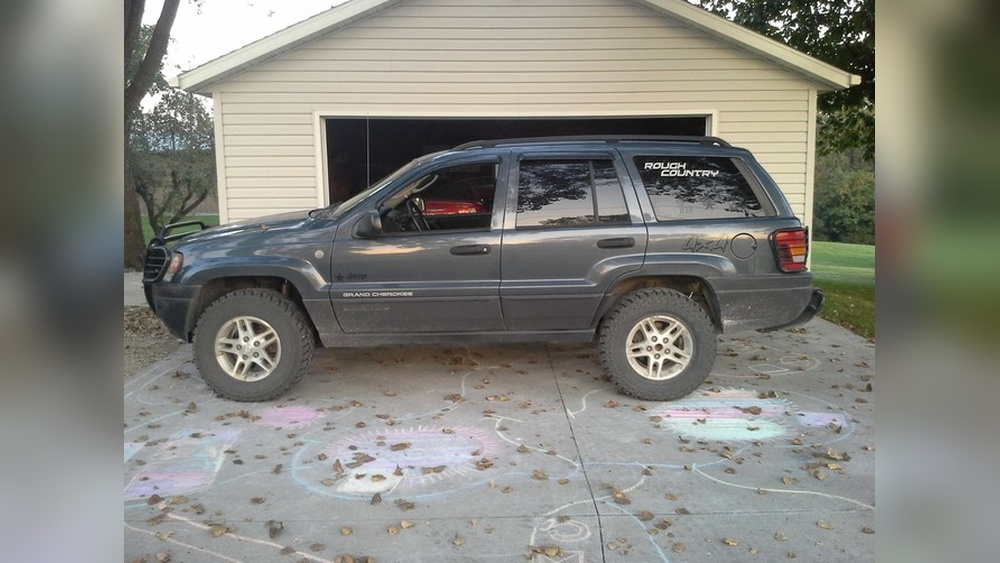
- Plus Sizing: Some drivers fit 245/75R16 or 265/70R16 for a more rugged look or better off-road traction. These sizes fit with minimal rubbing but may require a small lift for larger tires.
- Minus Sizing: Using a smaller size, like 225/70R16, can increase fuel economy but may affect ground clearance.
Always keep the overall tire diameter within 3% of the stock size to avoid problems with speedometer accuracy and ABS.
Popular Aftermarket Tire Choices
Jeep Grand Cherokee owners often switch to these popular tire sizes for all-terrain or highway driving:
| Tire Size | Use Case | Notes |
|---|---|---|
| 245/70R16 | All-purpose | Common OEM replacement |
| 255/70R16 | Off-road | Requires slight lift |
| 265/70R16 | Off-road/Lifted | Possible rubbing without lift |
| 235/65R17 | Highway | Standard for 17″ wheels |
How To Choose The Right Tire Size
When picking tires for your 2004 Jeep Grand Cherokee, consider:
- Driving Style: Mostly highway driving? Stick with factory sizes for comfort and efficiency. Off-road often? A wider, taller tire can help.
- Wheel Size: Check your current wheel diameter—16″ and 17″ are most common.
- Clearance: Bigger tires can rub on the fenders or suspension if your Jeep isn’t lifted.
- Speedometer Accuracy: Changing tire size can throw off your speedometer reading.
Here’s a quick comparison of how different tire sizes affect your Jeep:
| Tire Size | Diameter (inches) | Ground Clearance | Speedometer Error |
|---|---|---|---|
| 225/75R16 | 29.3 | Standard | None |
| 245/70R16 | 29.5 | Slightly higher | Minimal |
| 265/70R16 | 30.6 | Noticeable boost | ~4% slow |
Common Mistakes When Choosing Tires
- Going Too Big: Oversized tires can rub, reduce turning radius, or cause transmission stress.
- Ignoring Load Rating: Choose a tire with a load index that matches or exceeds the factory spec.
- Mixing Sizes: Never use different sizes on the front and rear axles—this can confuse your 4WD system.
- Neglecting Recalibration: Bigger tires need the speedometer recalibrated for accurate readings.
Real-world Example
A Grand Cherokee owner who switched from 225/75R16 to 245/75R16 noticed a softer ride and better off-road grip. However, the speedometer read slightly slower than actual speed, and there was a small drop in fuel economy.
This is a typical tradeoff when moving up in size.
Tire Size And Fuel Economy
Larger, wider tires have more rolling resistance. This can reduce fuel economy by 1 2 miles per gallon.
Stick to factory sizes if gas mileage matters most to you.

Where To Check Your Tire Size
To confirm the correct size for your 2004 Jeep Grand Cherokee:
- Look at the driver’s door jamb (there’s a sticker with size info)
- Check the owner’s manual
- Read the sidewall of your current tires
You can also use online resources like the official Jeep vehicle specs page for reference.
Frequently Asked Questions
What Is The Stock Tire Size For A 2004 Jeep Grand Cherokee?
The most common stock size is 225/75R16 for Laredo models. Some trims use 245/70R16 or 235/65R17. Always check your door sticker for the original size.
Can I Put 265/70r16 Tires On My 2004 Grand Cherokee?
Yes, but these are larger than stock. You may need a small lift to prevent rubbing, especially off-road or with full steering lock.
Will Bigger Tires Affect My Speedometer?
Yes. Larger tires make your speedometer read lower than your actual speed.
For example, with 265/70R16, your speedometer could be about 4% slow.
Are 17-inch Wheels Better Than 16-inch For The Grand Cherokee?
17-inch wheels can offer a sportier look and fit wider tires, but 16-inch wheels provide more sidewall for comfort and off-road use. Choose based on your driving needs.
How Do I Know If A Tire Will Fit Without Rubbing?
Keep the overall tire diameter within 3% of stock, and check Jeep forums or with a tire shop. Lift kits or wheel spacers may be needed for larger sizes.
Choosing the right tire size for your 2004 Jeep Grand Cherokee doesn’t have to be stressful. Focus on your driving needs, stick close to factory specs, and double-check fitment before buying.
The right tires will keep your Jeep safe, comfortable, and ready for the road wherever it leads.