Jeep JK owners know that the right lighting can transform their adventures. Whether you’re off-roading at night, camping in remote spots, or just want your Jeep to stand out, a light bar offers both function and style.
But with so many sizes and options available, picking the best light bar size for your Jeep JK can feel overwhelming. This guide breaks down everything you need to know, so you can make a confident choice.
Why Light Bar Size Matters For Jeep Jk
The light bar size affects both visibility and how your Jeep looks. A bar that’s too small may not light up the trail enough. Too large, and it can block airflow or look out of place. The right size balances powerful lighting, proper fit, and a clean design.
Most Jeep JK owners want to:
- Improve night driving safety
- Avoid blocking the windshield or hood
- Add a tough, rugged appearance
But there’s no “one size fits all. ” Your driving habits, mounting location, and local laws all play a role.
Common Light Bar Sizes For Jeep Jk
Let’s look at the most popular options and where they fit best.
| Light Bar Size | Typical Mount Location | Best For |
|---|---|---|
| 10-12 inch | Bumper, lower grille | Spot lighting, subtle look |
| 20-22 inch | Hood, bumper | Balanced output, everyday off-roading |
| 30-32 inch | Above windshield, roof | Wide beam, serious night driving |
| 50-52 inch | Windshield/top | Maximum coverage, extreme off-road |
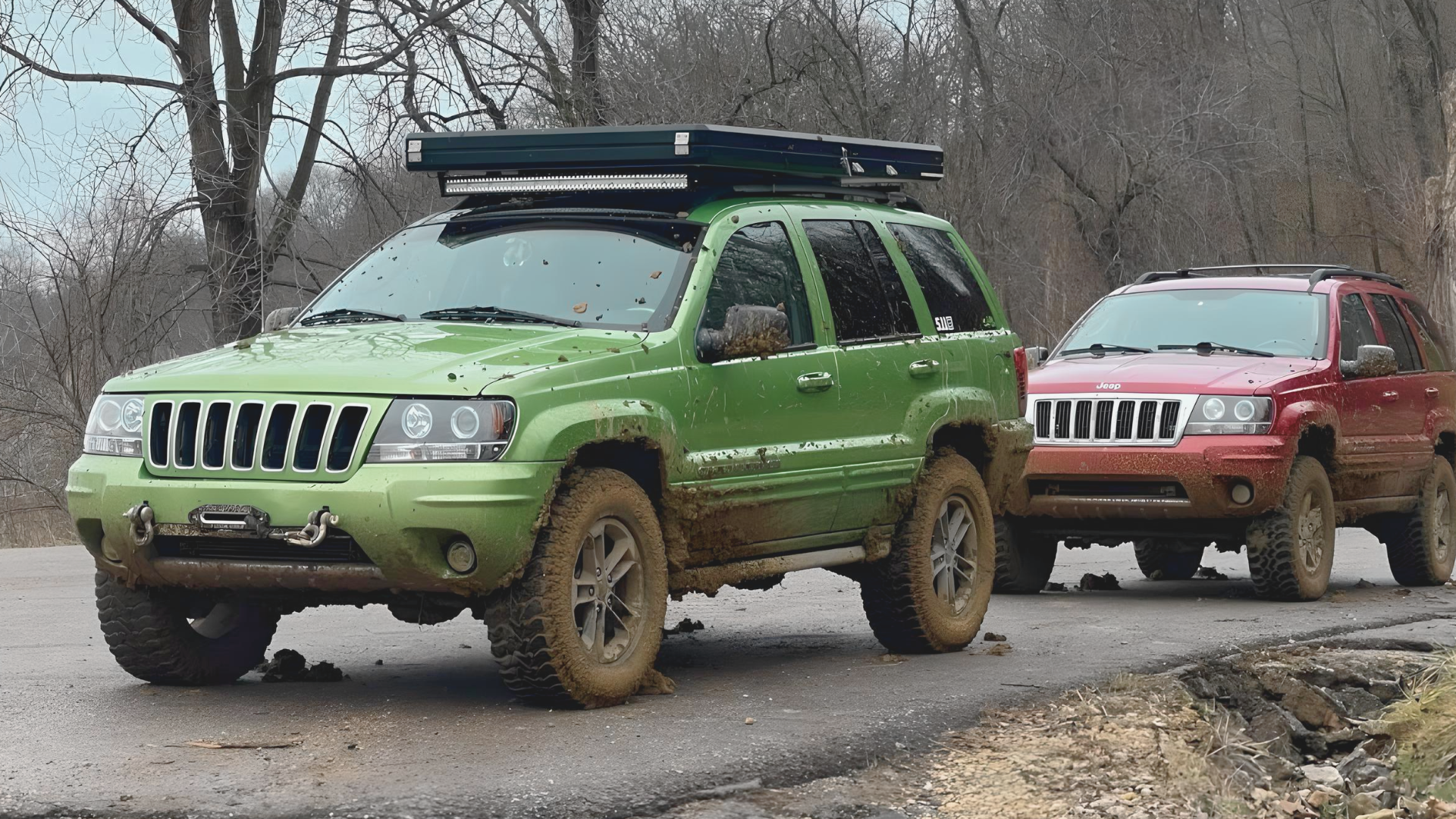
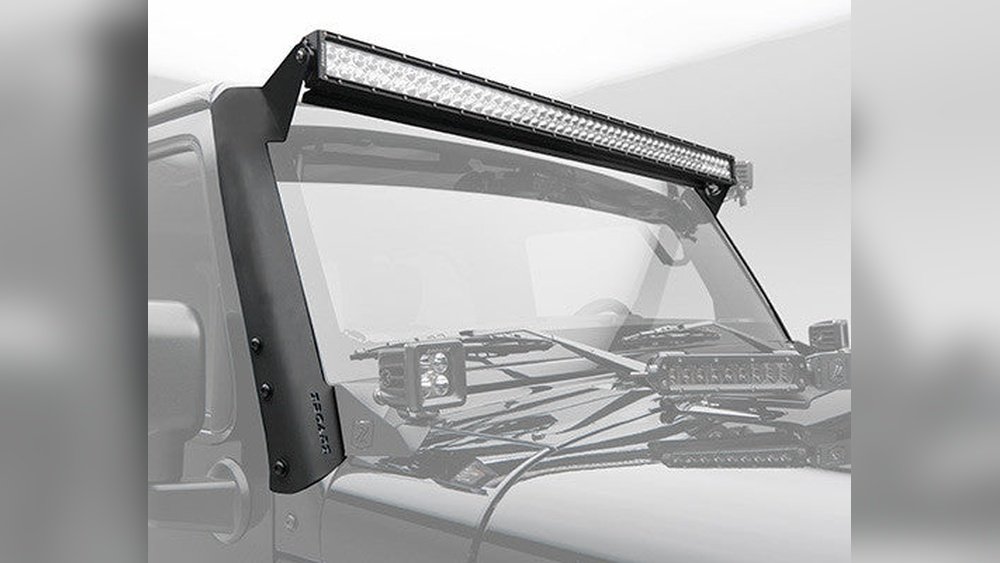
A 50-inch light bar is the most common full-width choice for the Jeep JK windshield. A 20-inch bar is popular for hood or bumper mounting. Smaller bars suit fog or reverse light use.

How To Choose The Right Light Bar Size
Choosing a light bar isn’t just about size. Here’s what you need to consider:
1. Mounting Location
- Windshield/roof: Large bars (50-52 inch) give wide coverage but may cause wind noise.
- Bumper or grille: Medium (20-22 inch) bars are less noticeable and easy to install.
- A-pillars or hood: Small bars (10-12 inch) add focused light and style.
2. Lighting Needs
Think about your main use:
- Trail driving: Wide, bright bars help see obstacles.
- Commuting: Smaller bars are less distracting for oncoming drivers.
- Camping/utility: Medium bars provide enough area lighting.
3. Jeep Jk Compatibility
Measure your Jeep before buying. The windshield on a JK is about 50 inches wide, but brackets and bar design affect fit. Always check manufacturer specs.
4. Legal Restrictions
Some states limit light bar size or require covers on public roads. Check local laws to avoid fines.
5. Power And Wiring
Large bars need more amps. Make sure your Jeep’s electrical system can handle the upgrade, or use a relay harness for safety.
Comparing Light Bar Sizes: Pros And Cons
Here’s a quick side-by-side look to help you decide:
| Size | Pros | Cons |
|---|---|---|
| 10-12 inch | Easy to mount, low profile, legal everywhere | Limited coverage, less dramatic look |
| 20-22 inch | Good balance, easy wiring, flexible mounting | May not cover entire trail width |
| 50-52 inch | Maximum brightness, wide beam, great for night trails | Wind noise, harder install, higher cost |
Most Jeep JK owners start with a 20-inch or a 50-inch bar, based on their main use.
Real-world Examples
- Daily Driver: A 20-inch bar on the bumper blends in and helps with foggy roads.
- Weekend Off-Roader: A 50-inch bar above the windshield lights up the whole trail.
- Overlander: Two 12-inch bars on the hood corners give focused light for technical trails.
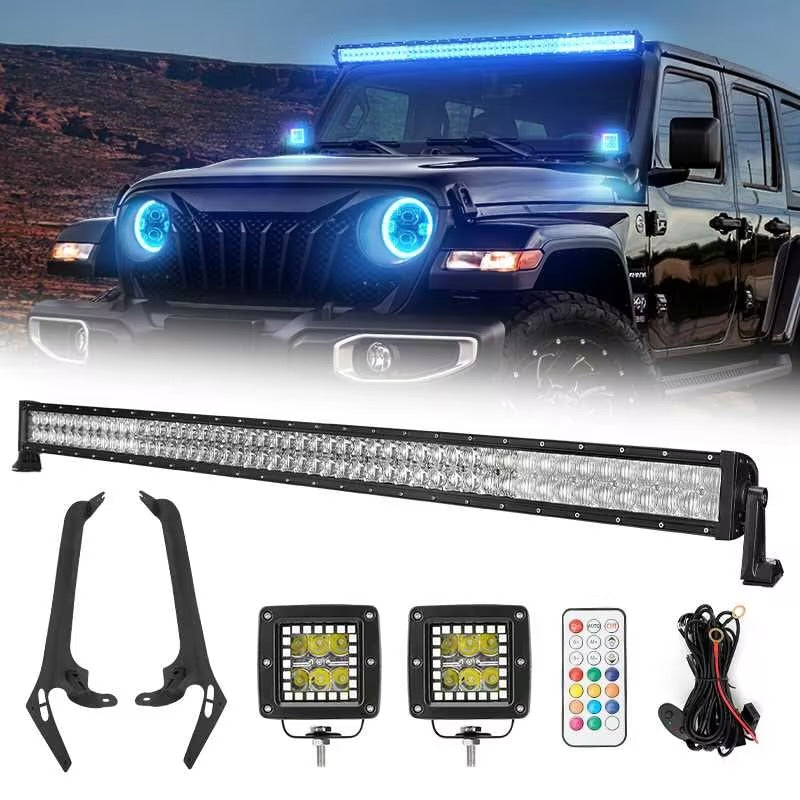
Many owners combine a large main bar with smaller pods for spot or flood effects. This offers flexibility and backups if one bar fails.
Key Mistakes To Avoid
- Ignoring mounting brackets: Not all bars fit all brackets. Double-check compatibility.
- Overpowering your wiring: Adding a large bar without a relay risks electrical issues.
- Forgetting the law: Uncovered bars on public roads can lead to tickets.
- Choosing style over function: Pick a size that matches how you actually use your Jeep.
A common beginner mistake is buying the biggest bar possible, then struggling with noise, fit, or legal trouble. Start with your needs, not just looks.

Expert Tips For A Better Light Bar Setup
- Use high-quality waterproof connectors for reliability in mud and rain.
- Add a switch panel inside your Jeep for easy control.
- Aim your bar slightly down to avoid blinding other drivers.
- If you want a quiet ride, look for bars with aero covers to reduce wind noise.
Some brands also offer curved light bars that match the Jeep JK windshield’s shape. These can look cleaner and offer a wider beam pattern.
Cost Vs Value
Light bars range from $50 to over $500. Price depends on:
- LED quality
- Beam pattern (spot, flood, combo)
- Brand reputation
A cheap bar may look bright at first but fade or fail quickly. Investing in a trusted brand can save you money long term. For more details, check out this Wikipedia LED lighting guide.
Frequently Asked Questions
What Is The Most Popular Light Bar Size For A Jeep Jk?
The 50-inch light bar is the most popular for mounting above the windshield. It provides wide, bright coverage and matches the Jeep JK’s width.
Can I Install A Light Bar Myself?
Yes, if you’re comfortable with basic wiring and using brackets. Most kits include instructions.
For large bars, having a friend help makes the job easier.
Will A Light Bar Drain My Jeep’s Battery?
A single high-quality LED bar uses less power than old halogen lights, but large bars (over 200 watts) can drain the battery if left on. Always turn off lights when not needed.
Are Light Bars Street Legal?
Rules vary by state. Most places allow light bars if they are covered on public roads.
Check local laws before installing or using a light bar.
Is A Curved Or Straight Light Bar Better For A Jeep Jk?
A curved bar matches the windshield’s shape, looks cleaner, and spreads light wider. A straight bar is easier to find and often cheaper. Both work well; it’s mostly personal preference.
Finding the right light bar size for your Jeep JK is all about matching your needs, style, and local rules. Measure carefully, plan your wiring, and pick a quality product for years of safe, bright driving on or off the road.