If you own a Jeep or are considering buying one, understanding the lug nut size is important for safety and maintenance. Many Jeep drivers want to change wheels, upgrade tires, or simply need to tighten the lug nuts after a tire rotation.
But not all Jeeps use the same lug nut size. Some models have unique requirements, and using the wrong size can lead to stripped threads, damaged wheels, or even wheel loss while driving.
Here’s a clear guide to help you find the right lug nut size for your Jeep, avoid mistakes, and keep your ride safe.
Why Lug Nut Size Matters
Lug nuts are the small but vital parts that hold your Jeep’s wheels to the hub. If you use the wrong size, you can damage your vehicle or put yourself at risk.
Lug nuts that are too small can come loose.
Ones that are too big may not fit at all or can strip the threads on the wheel studs. For anyone who likes to work on their Jeep or wants to upgrade wheels, knowing the correct size is key.
Common Jeep Lug Nut Sizes
Jeep has produced many models over the years, each with different wheel setups. However, some lug nut sizes are more common than others. Here are the main sizes you’ll find on modern Jeeps:
| Jeep Model | Years | Lug Nut Size | Thread Pitch |
|---|---|---|---|
| Wrangler (JK, JL) | 2007–present | 1/2″-20 | 20 threads/inch |
| Grand Cherokee (WK2) | 2011–2021 | 14mm x 1.50 | 1.50mm thread pitch |
| Cherokee (KL) | 2014–present | 12mm x 1.50 | 1.50mm thread pitch |
| Gladiator (JT) | 2020–present | 14mm x 1.50 | 1.50mm thread pitch |
The 1/2″-20 lug nut size is traditional for older Jeeps like Wranglers from 1987 to 2018. Newer models, especially after 2018, often use metric sizes like 14mm x 1.50. Always check your manual before buying new lug nuts.

How To Find Your Jeep’s Lug Nut Size
If you’re unsure which size your Jeep uses, there are several reliable ways to check:
- Owner’s Manual: The manual that comes with your Jeep lists the correct lug nut size and torque specification.
- Sticker in Door Jamb: Some Jeeps have a sticker near the driver’s door with wheel and tire info.
- Online Forums and Manufacturer Sites: Forums such as Wrangler Forum or the official Jeep website can be helpful, but always double-check.
- Physical Measurement: Use a thread gauge or take a lug nut to an auto parts store for matching.
Types Of Jeep Lug Nuts
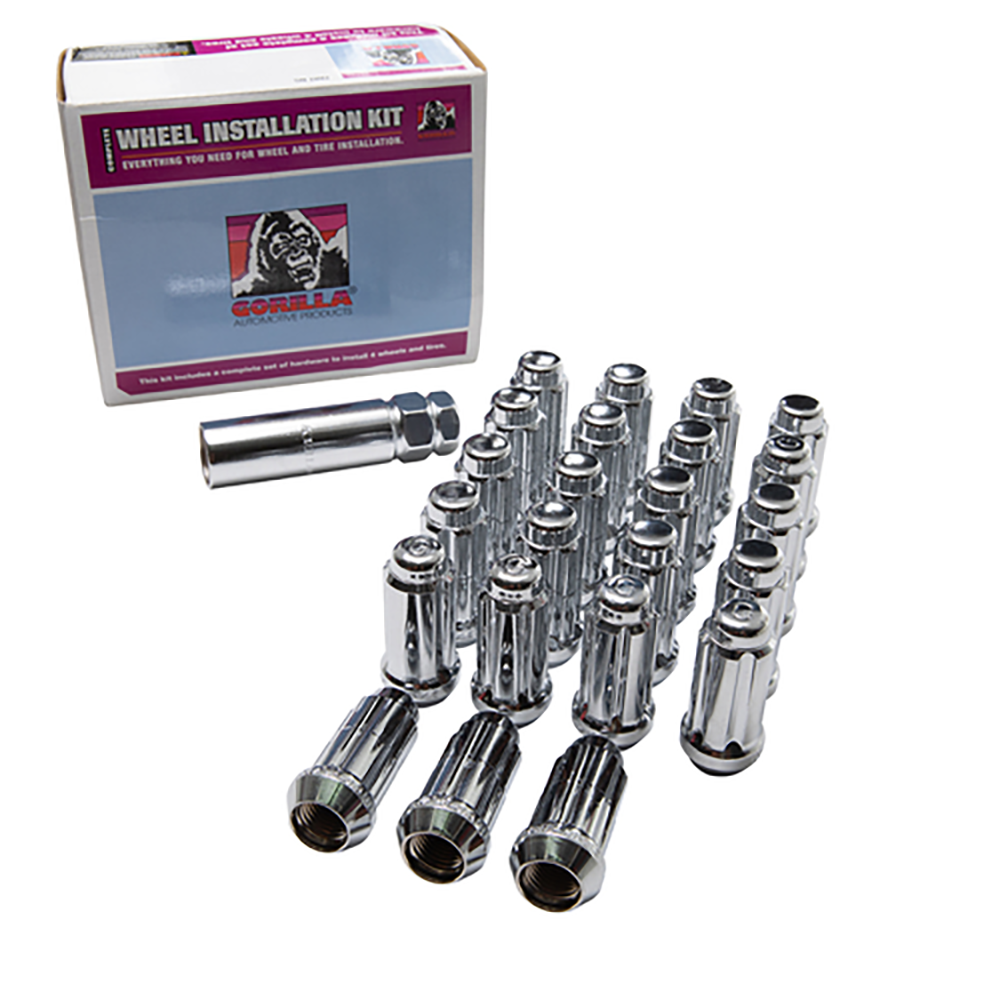
The size is not the only thing that matters. The shape and seat type are also important. Most Jeeps use a conical (acorn) seat, but some use a mag or flat seat, especially on aftermarket wheels. Here’s a quick comparison:
| Seat Type | Shape | Used On |
|---|---|---|
| Conical (Acorn) | 60° taper | Most Jeep factory wheels |
| Mag Seat | Flat with washer | Some aftermarket wheels |
| Ball Seat | Rounded | Rare on Jeeps, more common in European cars |
Using the wrong seat type can damage your wheels. Always match the seat type to your wheels.
Lug Nut Torque Specifications
Tightening your lug nuts to the correct torque is as important as using the right size. Over-tightening can strip threads or crack the wheel.
Under-tightening may allow the wheel to come loose.
Here are the most common Jeep lug nut torque specs:
| Model | Lug Nut Size | Recommended Torque |
|---|---|---|
| Wrangler (JK, JL) | 1/2″-20 | 95–115 ft-lbs |
| Grand Cherokee (WK2) | 14mm x 1.50 | 110 ft-lbs |
| Cherokee (KL) | 12mm x 1.50 | 100 ft-lbs |
| Gladiator (JT) | 14mm x 1.50 | 130 ft-lbs |
Always use a torque wrench when tightening lug nuts. Recheck torque after driving 50 100 miles on new wheels.
Non-obvious Details Jeep Owners Miss
Many first-time Jeep owners focus only on the diameter or thread pitch. But a few extra details can make a big difference:
- Socket Size: The outer diameter of the lug nut head can vary. Some Jeeps use 19mm sockets, others 21mm. This affects which tools you need for tire changes.
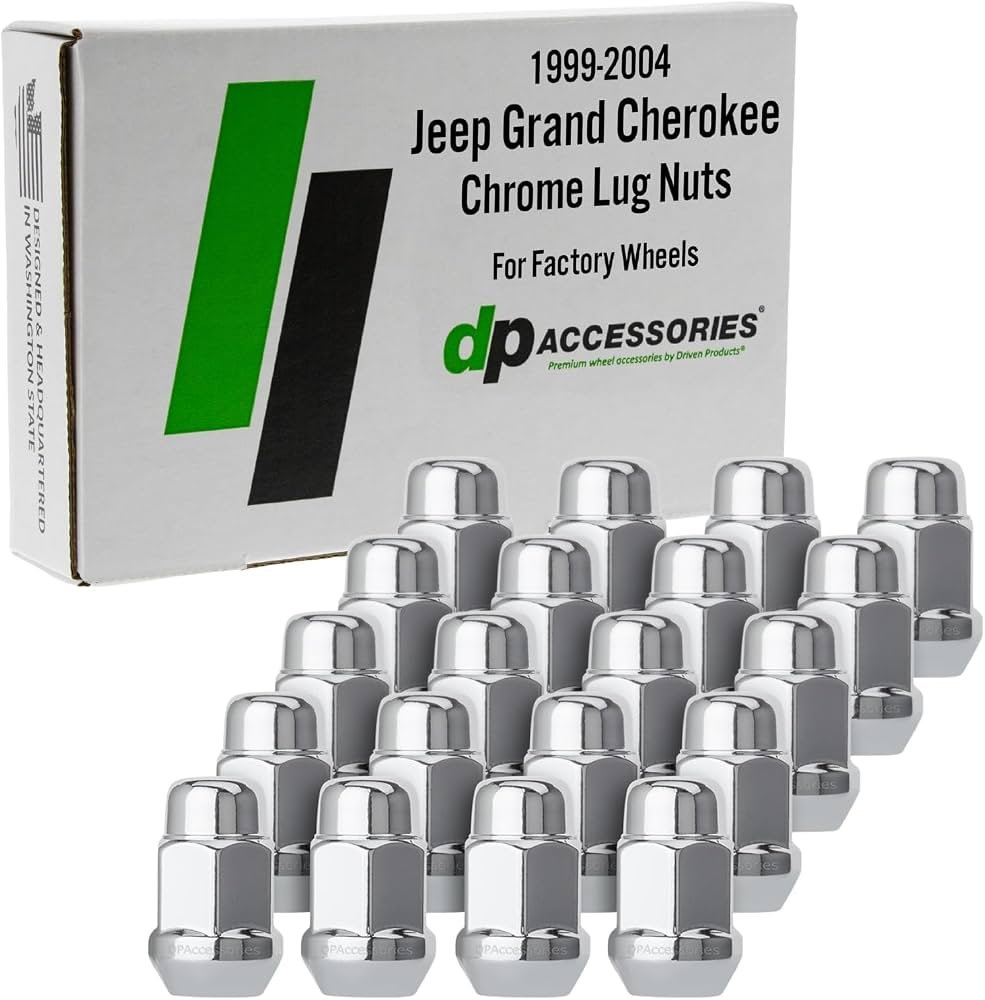
- Chrome Cap Lug Nuts: Some Jeeps use lug nuts with thin chrome caps. These can become damaged or deformed over time, making them hard to remove with standard sockets. Consider replacing them with solid one-piece lug nuts for reliability.
- Stud Length: If you upgrade to aftermarket wheels or use wheel spacers, you might need longer wheel studs and corresponding lug nuts.
When Should You Replace Your Lug Nuts?
Lug nuts wear out or get damaged over time. Replace them if you notice:
- Rust or corrosion
- Stripped threads
- Rounded or damaged corners
- Chrome caps peeling or spinning
It’s smart to check your lug nuts every time you rotate your tires or do a brake job.
What To Know When Upgrading Wheels
If you switch to aftermarket wheels, double-check:
- The lug nut size and seat type required by your new wheels
- If you need special tuner lug nuts for small holes
- Whether your existing wheel studs are long enough for safe engagement
A common mistake is using factory lug nuts on aftermarket wheels with a different seat type, which can lead to unsafe conditions.
For more technical details, you can read about wheel fasteners on the Wikipedia page.

Frequently Asked Questions
What Size Are Jeep Wrangler Lug Nuts?
Most Jeep Wranglers from 1987 to 2018 use 1/2″-20 lug nuts. Newer JL Wranglers (2018+) often use the same, but always check your manual.
Can I Use Aftermarket Lug Nuts On My Jeep?
Yes, but make sure they match the thread size and seat type of both your Jeep’s studs and your wheels.
Do All Jeep Models Use The Same Lug Nut Size?
No. Lug nut sizes vary between models like the Grand Cherokee, Cherokee, and Wrangler. Always verify the size before buying.
How Tight Should I Make My Jeep’s Lug Nuts?
Use a torque wrench and follow the torque specs for your model. Overtightening or undertightening can cause damage.
Are Locking Lug Nuts Recommended For Jeeps?
Locking lug nuts add security against wheel theft, especially if you have expensive wheels. Just remember to keep the key in your Jeep.
Whether you drive a rugged Wrangler or a daily Grand Cherokee, knowing your lug nut size keeps your Jeep safe and ready for adventure. Take a minute to check your specs now it could save you trouble on your next road trip or off-road run.