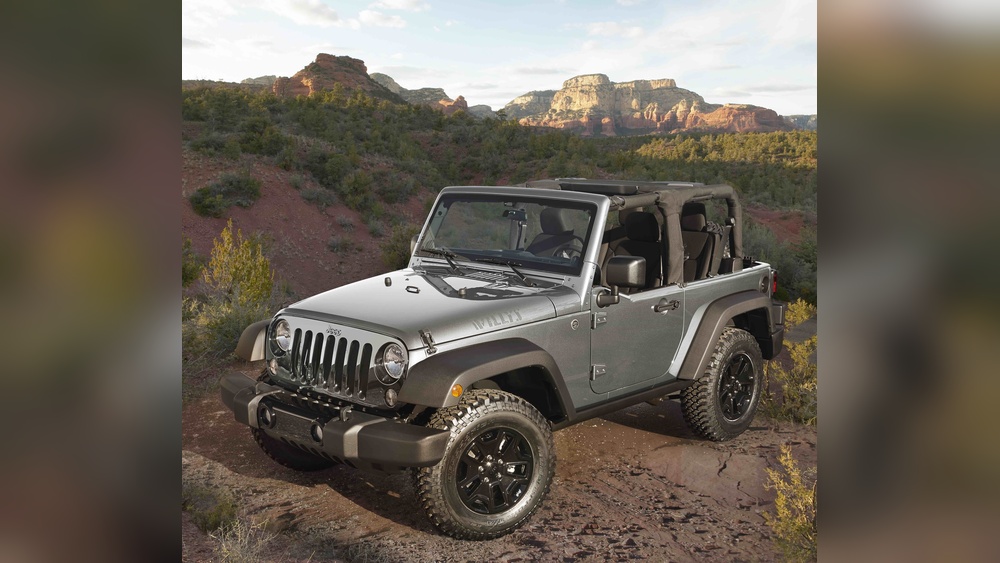
Many people love Jeep vehicles for their tough look and off-road skills. But not every Jeep is a smart buy.
Some models have had more problems than others. If you are thinking of buying a Jeep, it is important to know which models have a bad track record.
This guide will help you understand which Jeep models to stay away from, why they cause trouble, and what to watch out for when you shop.

Why Some Jeep Models Are Risky
Not all Jeeps are created equal. Some years and models have serious issues that can cost you a lot in repairs.
Most problems come from unreliable engines, faulty transmissions, or bad electrical systems. Models with these problems often get low scores in reliability studies and customer satisfaction surveys.
For many buyers, these issues can turn the dream of owning a Jeep into a headache.
Jeep Models With Most Complaints
Let’s look at the models that have the worst reputation, based on real owner reports and industry data.
1. Jeep Wrangler (2012, 2013, 2014)
The Jeep Wrangler is famous for adventure, but certain years have big issues. Models from 2012 to 2014 often suffer from engine stalling, water leaks, and bad transmission performance. Many owners report death wobble, where the front wheels shake violently at highway speeds.
2. Jeep Grand Cherokee (2011, 2014, 2015)
The Grand Cherokee is known for comfort, but some years are best avoided. The 2011 model has more than 2,000 complaints about electrical problems, like the car not starting or dashboard lights failing. The 2014 and 2015 models have many issues with the 9-speed transmission, which shifts roughly or fails completely.
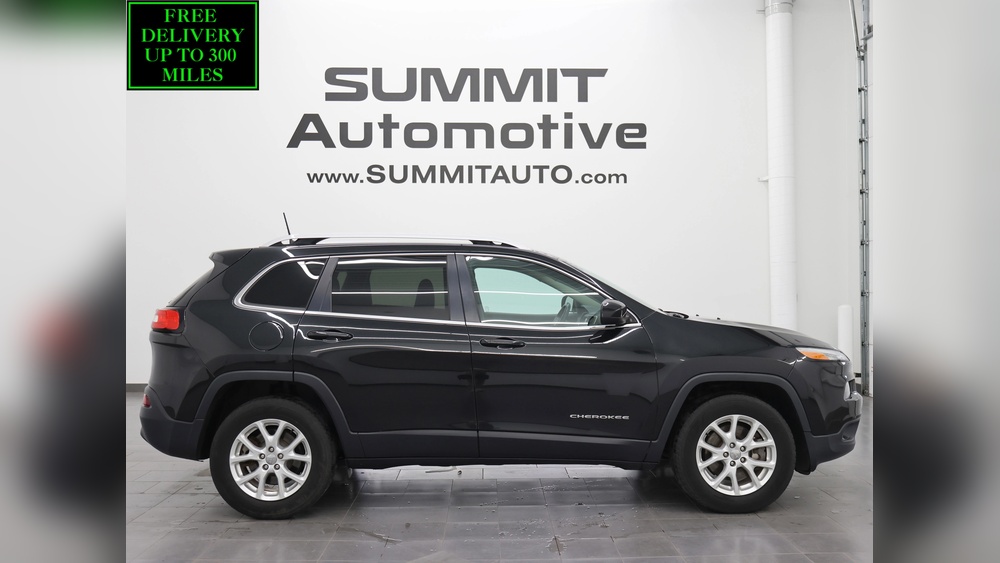
3. Jeep Cherokee (2014, 2015)
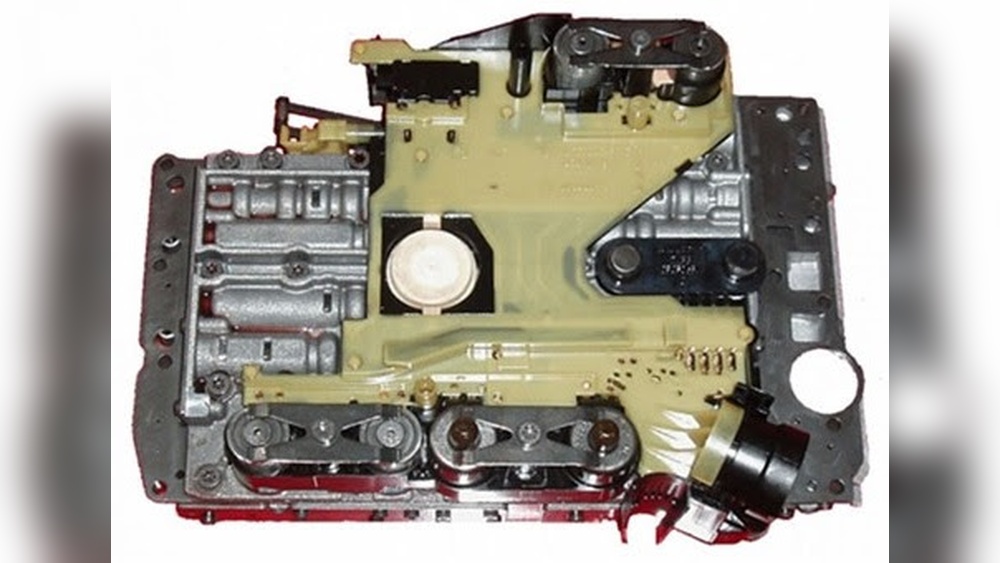
The Cherokee returned in 2014 with a new design and engine. Unfortunately, the new 9-speed automatic transmission is a major problem. Drivers face hard shifting, sudden stalling, and expensive repairs. Even after recalls and software updates, many owners still have problems.
4. Jeep Compass (2007–2009)
The early Compass models have poor reliability. Main complaints include CVT transmission failure, noisy engines, and weak interiors. Repair costs for transmission problems can be higher than the value of the car.
5. Jeep Patriot (2007–2011)
The Patriot shares parts with the Compass and has similar problems. Owners report water leaks into the cabin, engine stalling, and electrical failures. The 2011 model, in particular, has many complaints about the engine shutting off while driving.
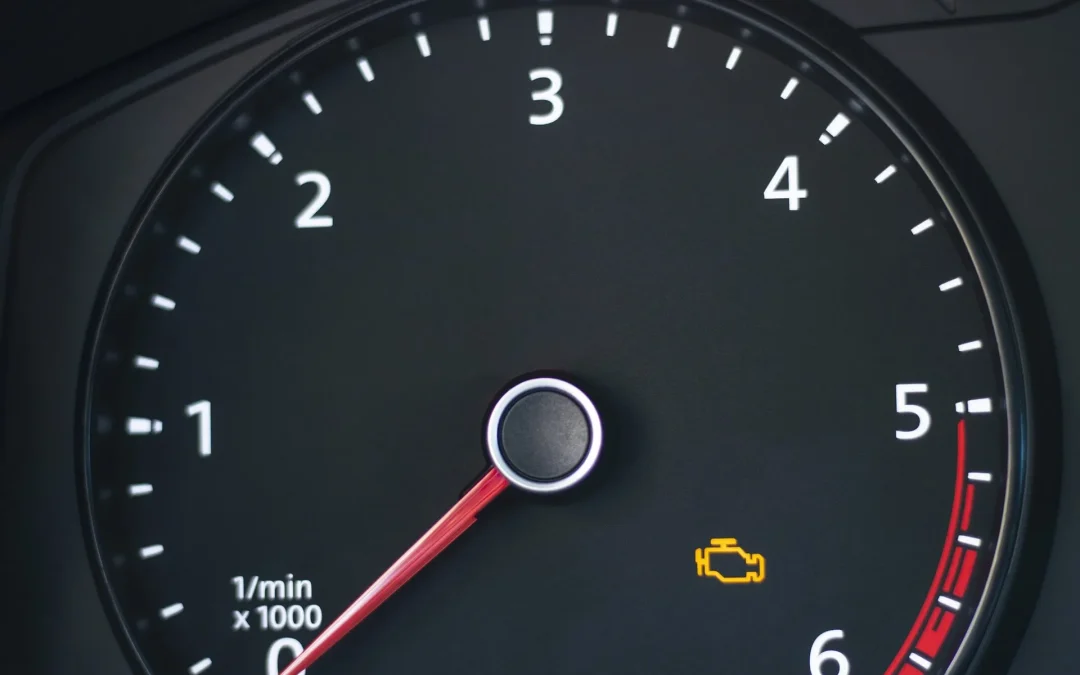
Common Issues In Problematic Jeeps
Why do these models have a bad reputation? Here are the most common problems:
- Transmission failure: Many Jeeps, especially those with CVT or 9-speed automatics, have costly transmission problems.
- Electrical system faults: Dashboard lights may flicker or fail, and some Jeeps will not start due to wiring issues.
- Engine stalling: Some models are known for sudden engine shutdown, even at high speeds.
- Water leaks: Bad door and window seals lead to leaks in the cabin, causing mold and electrical damage.
- Suspension troubles: The famous “death wobble” is both scary and expensive to fix.
Data Comparison: Jeep Models And Reliability
To help you see which Jeep models are most risky, here is a comparison of average reliability ratings and common repair costs.
| Model & Year | Reliability Score (1-5) | Avg. Major Repair Cost |
|---|---|---|
| Wrangler (2012-2014) | 2.5 | $1,900 |
| Grand Cherokee (2011, 2014, 2015) | 2.0 | $2,300 |
| Cherokee (2014-2015) | 2.0 | $1,800 |
| Compass (2007-2009) | 1.8 | $1,700 |
| Patriot (2007-2011) | 1.9 | $1,600 |
Reliability scores are based on owner surveys and expert reviews.
How Problem Years Compare
Which years are most risky? The table below shows how often owners report problems for each model year.
| Model | Year | Owner Complaints (NHTSA) |
|---|---|---|
| Wrangler | 2012 | 1,350 |
| Grand Cherokee | 2011 | 2,100 |
| Cherokee | 2014 | 1,200 |
| Compass | 2007 | 950 |
| Patriot | 2011 | 820 |
High complaint numbers signal models to avoid.
Non-obvious Insights For Buyers
Many people focus only on model year and price. But here are two things most beginners miss:
- Transmission type matters a lot. A Jeep with a manual transmission often has fewer problems than the same model with a CVT or 9-speed automatic. Always check the transmission before you buy.
- Recall history is important. Some Jeeps have had many recalls, but not all repairs are done. Ask for proof that recall work is completed, or you could face the same problems as past owners.
What To Do Before You Buy
If you still want a Jeep, take these steps:
- Check the VIN history for accidents and recalls.
- Get a trusted mechanic to inspect the car.
- Test-drive the Jeep at highway speeds and on rough roads.
- Avoid models from the years listed above, unless you have full service records.
If you want more data on complaints and recalls, visit the NHTSA website.
Frequently Asked Questions
Which Jeep Model Is The Most Reliable?
The Jeep Wrangler (2018 and newer) is often seen as more reliable due to improved engines and transmissions.
Is It Safe To Buy A Used Jeep Grand Cherokee?
Only newer models (2016 or later) with full service records are recommended. Older models, especially from 2011 or 2014, have known issues.
Do All Jeep Models Have “death Wobble”?
No, but it is most common in older Wrangler models. It is usually caused by worn suspension parts.
How Can I Check For Recalls On A Used Jeep?
Visit the NHTSA website and enter your Jeep’s VIN to see recall history and repair status.
Are Jeep Repair Costs Higher Than Other Brands?
Yes, repair costs for major issues like transmission or engine failure can be higher than average for SUVs.
Choosing the right Jeep takes research and care. Avoiding problem models can save you thousands and give you a better driving experience.
Always ask questions, get an inspection, and check recall history before you buy.