If you love adventure, road trips, or camping, cargo space is a big deal. When you drive a Jeep, you expect rugged performance.
But you also want enough room for gear, luggage, or even pets. Choosing the right Jeep for storage can make travel easier and more comfortable.
Let’s look closely at which Jeep has the most cargo space, and what you should know before buying.
Jeep Models Ranked By Cargo Space
Jeep offers many models, from compact SUVs to large family vehicles. Each model has a different cargo capacity, so picking the right one depends on your needs.
Here’s how the main Jeep models compare for maximum cargo space (with rear seats folded):
| Model | Max Cargo Space (cu. ft.) | Seats Up (cu. ft.) |
|---|---|---|
| Jeep Grand Cherokee L | 84.6 | 17.2 |
| Jeep Wagoneer | 116.7 | 27.4 |
| Jeep Grand Wagoneer | 94.2 | 28.4 |
| Jeep Cherokee | 54.7 | 25.8 |
| Jeep Wrangler 4-Door | 72.4 | 31.7 |
| Jeep Compass | 59.8 | 27.2 |
| Jeep Renegade | 50.8 | 18.5 |
The numbers show a clear winner. The Jeep Wagoneer offers the largest cargo space of any Jeep model.
Jeep Wagoneer: The Cargo King
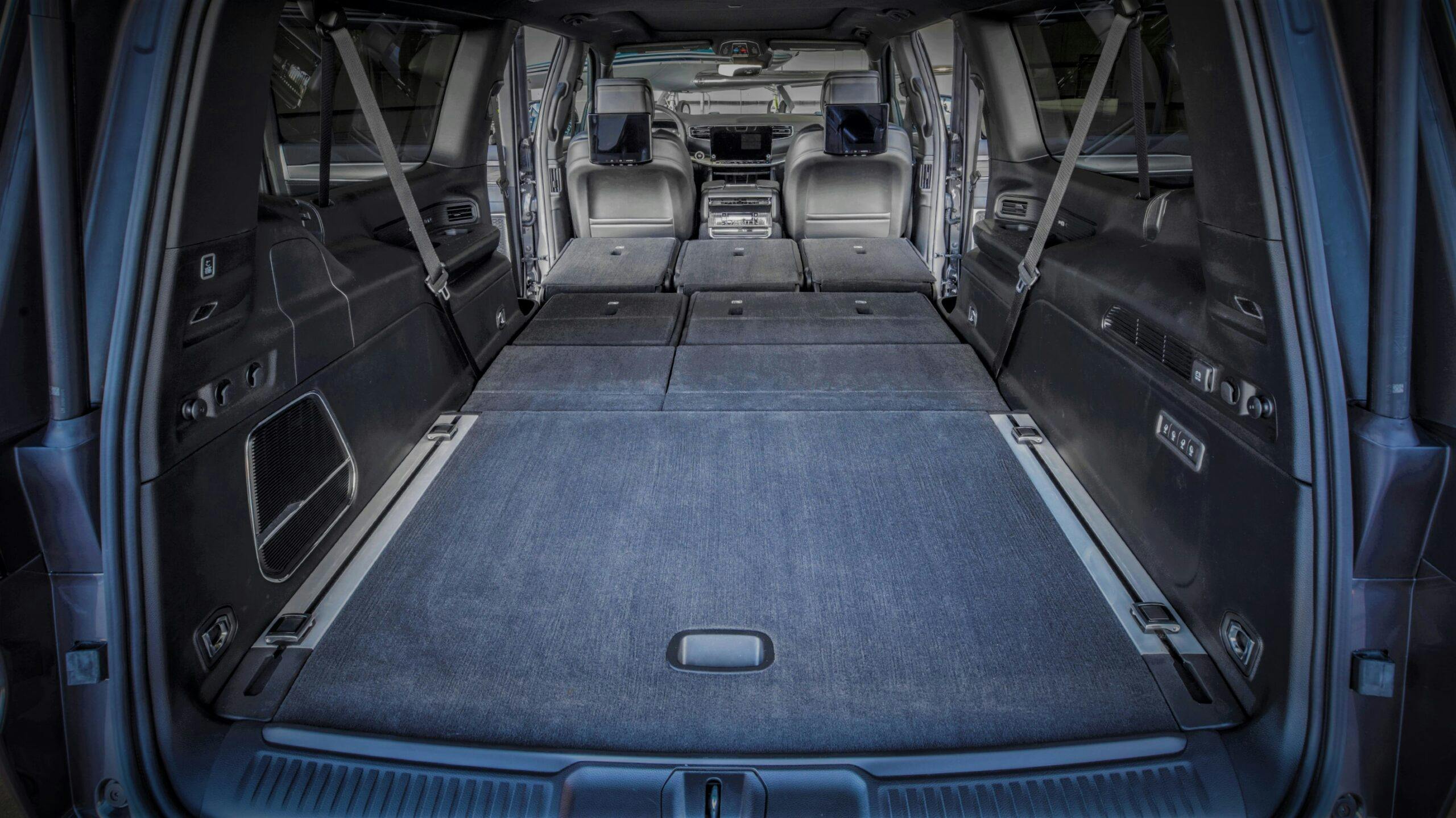
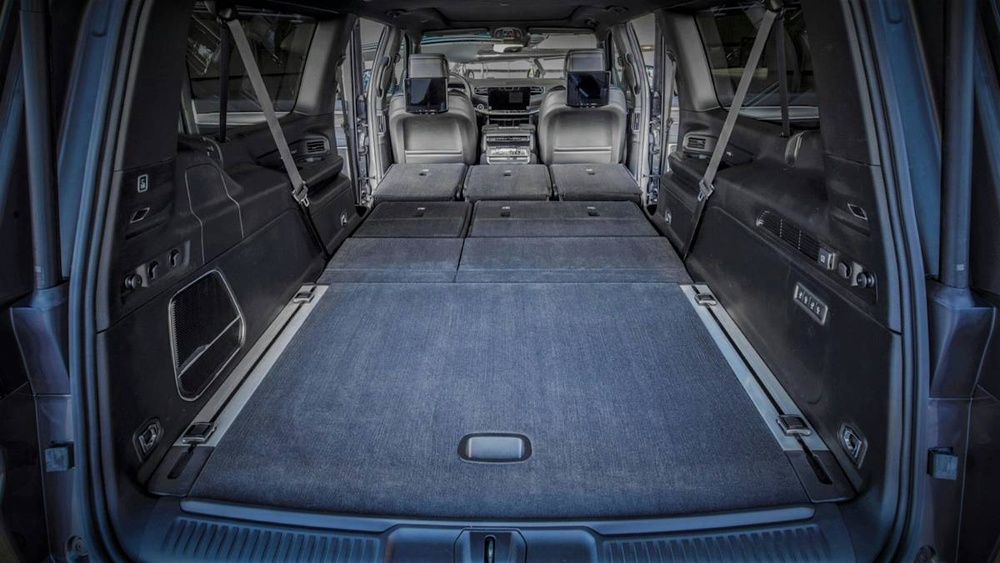
The Jeep Wagoneer is a full-size SUV designed for families and those who need extra room. With the rear seats down, you get a massive 116.7 cubic feet of cargo space. Even with all seats up, it gives you 27.4 cubic feet behind the third row—enough for several suitcases or camping gear.
Key Features
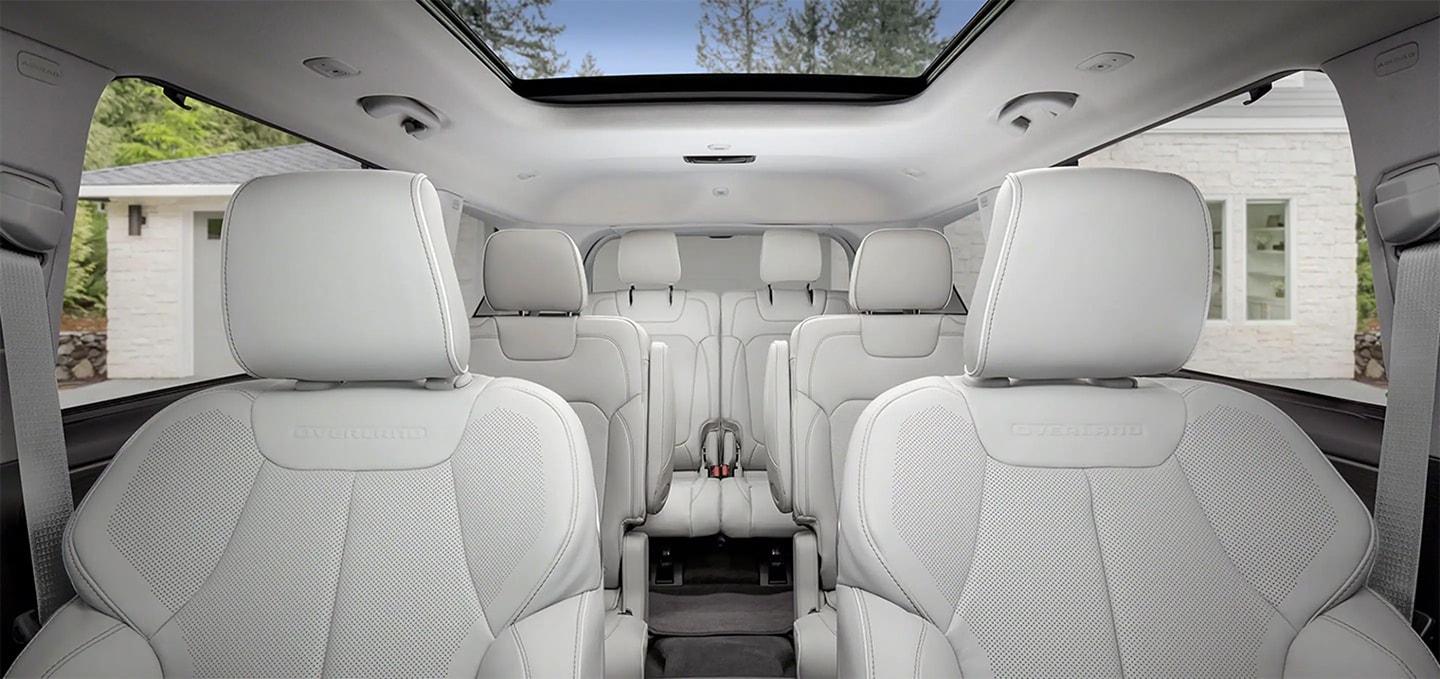
- Three rows of seats (seats up to eight people)
- Flat-folding rear seats for flexible storage
- Wide rear opening for easy loading
- Hidden compartments under the floor
Practical Uses
- Long road trips: Carry coolers, tents, and bags without stress.
- Moving furniture: Fit larger items thanks to the flat cargo floor.
- Family vacations: Keep sports equipment, strollers, and luggage organized.
Many buyers miss that the Wagoneer’s cargo area is not just big it’s well designed. The floor is lower than in most rivals, making loading heavy items easier.
Its square shape also helps you fit boxes and gear without wasted space.
Grand Wagoneer Vs. Wagoneer: Cargo Showdown
Some people confuse the Grand Wagoneer with the Wagoneer. Both are big SUVs, but their cargo capacities are different.
Here’s a quick comparison:
| Feature | Wagoneer | Grand Wagoneer |
|---|---|---|
| Max Cargo Space | 116.7 cu. ft. | 94.2 cu. ft. |
| Seats Up | 27.4 cu. ft. | 28.4 cu. ft. |
| Third Row | Standard | Standard |
| Luxury Features | Basic | Premium |
The Grand Wagoneer offers more luxury like leather seats and advanced tech but less cargo space compared to the Wagoneer.
Other Jeep Models: How They Compare
If you don’t need a huge SUV, smaller Jeeps may suit you. The Jeep Grand Cherokee L is good for mid-size needs, with 84.6 cubic feet. The Jeep Wrangler is popular for off-roading, but its cargo space is less, at 72.4 cubic feet.
Some buyers think the Wrangler is spacious because it looks big. But the cargo area is actually smaller, and the rear opening is not as wide.
The Grand Cherokee L offers more flexibility, especially if you need space for groceries or sports gear.
For urban driving, the Jeep Compass and Renegade are easy to park but offer less room. If you often carry bulky items, these models may feel cramped.
Cargo Space: What Really Matters
Cargo space isn’t just about numbers. How you use the space is important. Here are non-obvious insights:
- Shape matters: A square cargo area fits large boxes better than a curved one.
- Height clearance: Some Jeeps have high floors, making loading heavy items harder.
- Rear seat folding: Flat-folding seats create more usable space. Some models have seats that leave bumps or gaps.
Most buyers focus only on maximum cubic feet. But check if the cargo floor is flat, and how easy it is to fold seats.
For example, the Wagoneer’s low, flat floor makes it more practical than just the raw numbers suggest.
Tips For Maximizing Your Jeep’s Cargo Space
If you already own a Jeep, or plan to buy one, here are practical ways to get the most from your cargo area:
- Remove unused seats when possible
- Use storage nets or organizers to prevent items rolling
- Install roof racks for extra gear
- Fold the seats completely for a flat floor
- Clean out unnecessary items to free up space
It’s also smart to measure the space before packing for a trip. Many buyers overestimate what fits, so bring a tape measure and check dimensions.

Jeep Cargo Space And Safety
Cargo space isn’t just about storage. If you pack heavy items, keep them low and close to the seat backs to avoid injury during sudden stops.
Don’t block your rear view with luggage, and use tie-down hooks when available. The Wagoneer and Grand Wagoneer have built-in hooks and hidden compartments for safer storage.
Frequently Asked Questions
Which Jeep Has The Largest Cargo Space?
The Jeep Wagoneer has the largest cargo space, with 116.7 cubic feet when the rear seats are folded down.
How Does The Jeep Grand Cherokee Compare For Cargo?
The Grand Cherokee L offers up to 84.6 cubic feet, which is less than the Wagoneer but more than most mid-size SUVs.
Can I Increase My Jeep’s Cargo Space?
You can add roof racks or use trailer hitches for extra gear. Folding down rear seats also helps.
But the basic size depends on your model.
Is Cargo Space Different Between 2-door And 4-door Wranglers?
Yes. The 4-door Wrangler offers more cargo room (72.4 cubic feet) than the 2-door version (31.7 cubic feet).
Where Can I Find Official Jeep Cargo Specs?
You can check the official Jeep website or trusted sources like Jeep Wagoneer Specs for detailed cargo measurements.
Choosing the right Jeep for cargo space can save you stress and money. The Wagoneer stands out for storage, but all Jeep models offer unique strengths.
Compare your needs and look beyond just the numbers shape, seat design, and loading ease matter just as much.
If you want a Jeep with the most cargo space, the Wagoneer is the clear winner.