The Jeep Wrangler is known for its rugged performance and off-road abilities. But under all that muscle and adventure spirit, there’s a smart system working quietly to keep drivers safe—the TPM system.
Many Wrangler owners see the TPM light on their dashboard but don’t always know what it does or why it matters. Learning about this system can help you avoid tire problems, improve fuel efficiency, and drive with more confidence.
What Is The Tpm System?
The TPM system stands for Tire Pressure Monitoring System. It’s an electronic safety feature in your Jeep Wrangler that checks the air pressure in each tire. If any tire drops below the recommended level, the system warns you with a yellow light on your dashboard—usually a horseshoe-shaped symbol with an exclamation point.

This system became standard in most vehicles sold in the US after 2007, following new federal safety rules. For Jeep Wranglers, TPM has been included for many years and continues to improve with each new model.
How Does The Tpm System Work?
The TPM system uses sensors located inside the tires, attached to the valve stems. These sensors measure the air pressure and send data to the Jeep’s computer. If the pressure is too low or sometimes too high, the system triggers a warning.
There are two main types of TPM systems:
| Type | How It Works | Jeep Wrangler Application |
|---|---|---|
| Direct TPM | Sensors inside each tire send real-time pressure data. | Used in most modern Wranglers |
| Indirect TPM | Uses ABS wheel speed sensors to estimate pressure. | Rarely used in Wranglers |
Jeep Wranglers almost always use the direct TPM system for more accurate readings, especially important for off-roading.
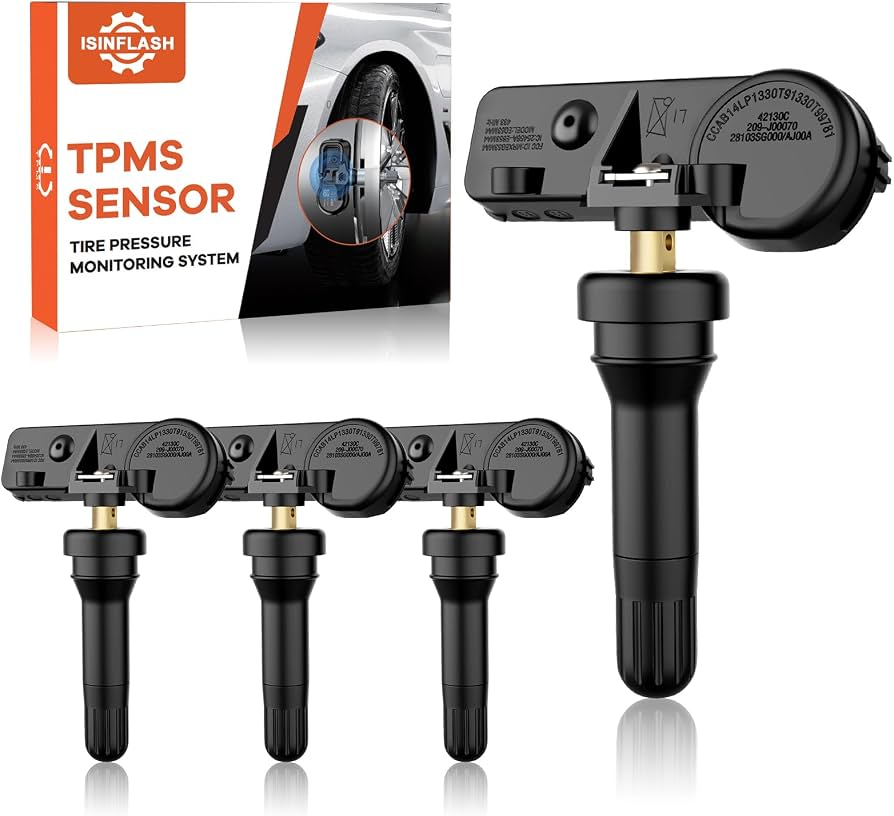
Why The Tpm System Matters For Jeep Wrangler Owners
Many Wrangler owners enjoy changing tire sizes or airing down for off-roading. Here’s why the TPM system is extra important:
- Safety: Low tire pressure can cause tires to overheat, blow out, or lose grip, especially on rough terrain.
- Fuel Efficiency: Under-inflated tires make your engine work harder, wasting fuel.
- Tire Life: Proper pressure helps tires wear evenly and last longer.
- Off-Roading: Knowing your pressure helps you avoid getting stuck or damaging tires on rocks or mud.
Common Problems And Solutions
Sometimes, the TPM system can be confusing or seem to malfunction. Here are some common issues Wrangler owners face:
| Problem | Possible Cause | What To Do |
|---|---|---|
| Warning light stays on | Low tire pressure or faulty sensor | Check and fill tires, then reset system |
| Warning after tire change | New wheels without sensors | Install correct TPM sensors |
| False warnings off-road | Lowered pressure for trails | Expect warnings, re-inflate before highway driving |
Non-obvious tip: If you use aftermarket wheels, make sure the TPM sensors fit. Many owners forget this, which can lead to constant warning lights and failed inspections.
Resetting And Maintaining The Tpm System
When you fix a tire or add air, sometimes the warning light doesn’t go off right away. Here’s how to reset it:
- Fill all tires (including the spare) to the recommended pressure listed on the door sticker.
- Drive above 15 mph for at least 10 minutes. Most systems reset automatically.
- If the light stays on, check for a faulty sensor or visit a mechanic.
Pro tip: The spare tire on a Wrangler often has a TPM sensor too. Don’t forget to check its pressure, especially after a tire rotation.
Regular maintenance is simple:
- Check tire pressure at least once a month.
- Replace sensor batteries every 5-7 years (or when a sensor fails).
- Use only compatible TPM sensors for your Jeep.
Comparing Tpm System Features In Jeep Wranglers
Over the years, the TPM system in Jeep Wranglers has evolved. Here’s how it compares across popular model years:
| Model Year | TPM System Type | Display Method | Sensor Compatibility |
|---|---|---|---|
| 2007–2011 | Direct | Warning light only | Basic sensors |
| 2012–2017 | Direct | Dashboard warning & individual tire display | Advanced sensors |
| 2018–present (JL) | Direct | Full digital readout for each tire | Smart sensors, better battery life |
Newer Wranglers show the exact pressure for each tire, making it easier to spot problems early.

The Cost Of Ignoring The Tpm System
Some drivers ignore the TPM light, thinking it’s not important. This can be risky and expensive:
- Driving with low pressure can reduce tire life by up to 25%.
- Fuel economy drops by about 0.2% for every 1 psi under the recommended level.
- Tire blowouts or accidents can cost much more than a simple sensor fix.
Most US states require the TPM system to work for vehicle inspections, so ignoring it could make your Jeep illegal to drive.
Can You Disable The Tpm System?
Some Jeep owners ask if it’s possible to turn off the TPM system, especially for off-roading. Technically, you can disable it with special electronic tools, but it’s not recommended.
You may fail safety inspections, lose insurance coverage in an accident, or even face legal issues.
Instead, learn to manage the warnings when off-roading, and reset the system once you return to normal driving. This keeps you legal and safe.

Frequently Asked Questions
What Does The Tpm Light Look Like On A Jeep Wrangler?
The TPM warning light is a yellow horseshoe-shaped symbol with an exclamation point in the middle. It appears on the dashboard when tire pressure drops too low.
Will Bigger Tires Affect The Tpm System?
Yes, installing larger or aftermarket tires can affect sensor readings. Always use TPM sensors compatible with your new wheels to avoid false warnings.
How Often Should I Check My Tire Pressure?
Check your tire pressure at least once a month and before long trips or off-roading. Remember, temperature changes can also affect tire pressure.
Do I Need To Replace Tpm Sensors When I Get New Tires?
Not always. If the sensors are still working and batteries are good, you can reuse them.
If they’re old or damaged, replace them when changing tires.
Where Can I Learn More About Tpm Systems?
For more details about tire pressure monitoring systems, visit the Wikipedia page on TPM systems.
The TPM system on your Jeep Wrangler is more than just a warning light. It’s a smart tool that protects your investment, your safety, and your driving fun. Understanding how it works and how to keep it in good shape will help you get the most out of your Wrangler for years to come.



















