If you love off-roading or simply admire rugged vehicles, you’ve probably noticed the term “Trail Rated” on Jeep models. This badge isn’t just for looks it tells you that a Jeep has passed tough tests on real trails.
But what does trail rating really mean, and why should you care?
Let’s explore the true purpose of the trail rating for Jeep vehicles, how it works, and why it matters for both adventure seekers and everyday drivers.
What Does Trail Rated Mean?
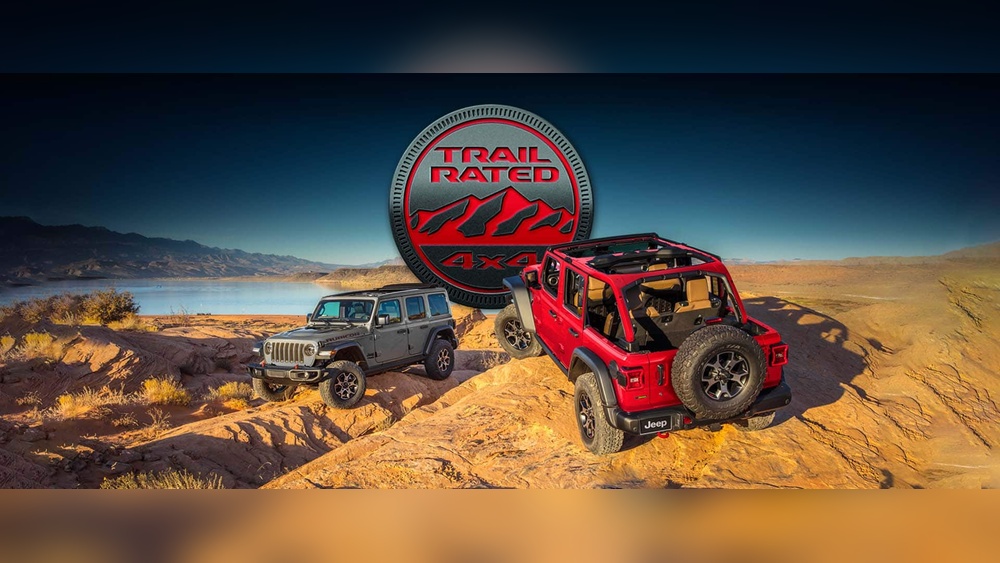
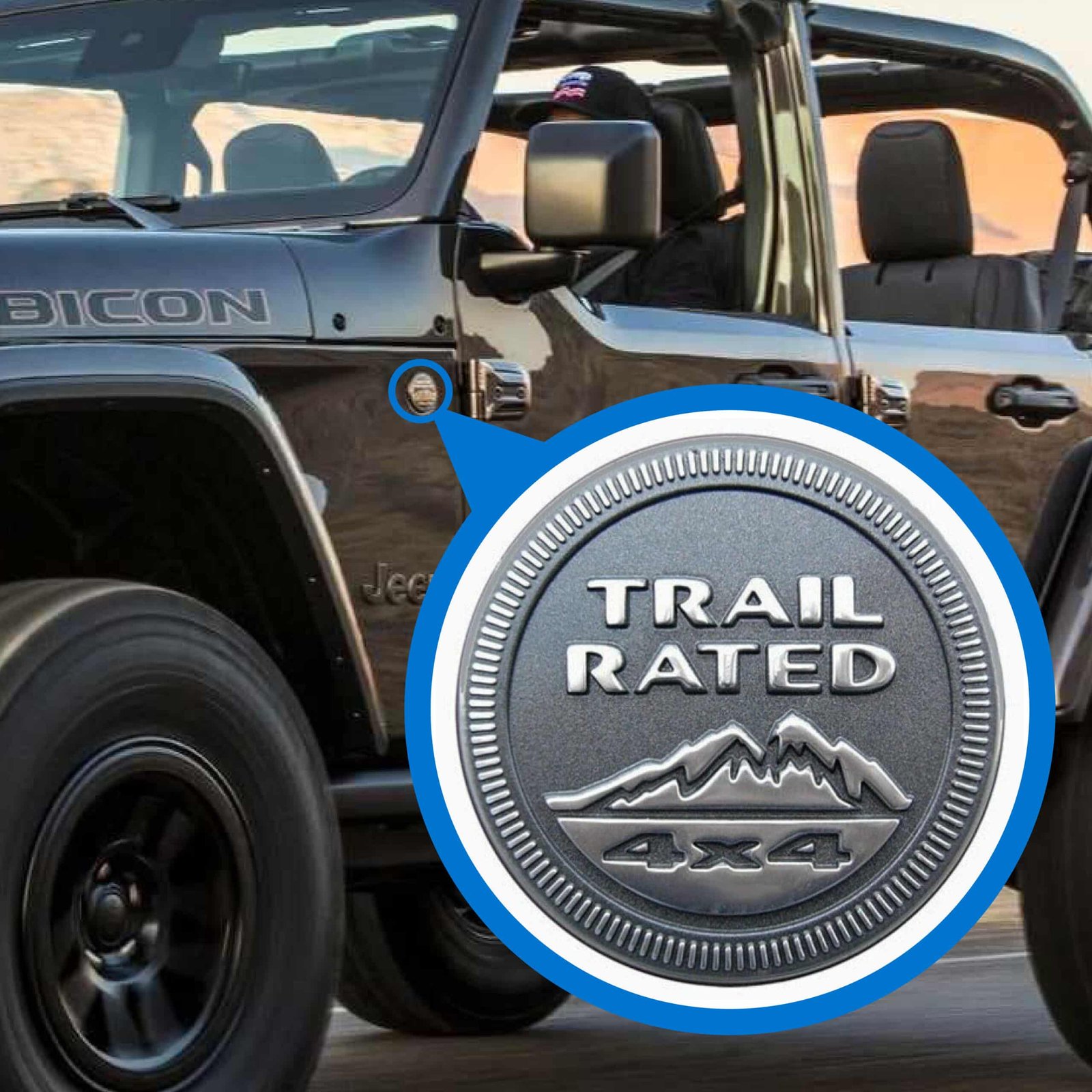
The Trail Rated badge is a special mark given by Jeep to certain vehicles in their lineup. It means the model has been tested and proven in five main areas: traction, water fording, maneuverability, articulation, and ground clearance. These tests ensure the Jeep can handle tough off-road conditions that most cars can’t survive.
Trail rating is not just about marketing. It’s a sign that the Jeep can tackle real-world obstacles, like steep hills, muddy trails, or rocky paths.
For buyers, it’s a quick way to know the vehicle is built for adventure, not just city streets.
The Purpose Behind Trail Rating
Why does Jeep put so much effort into this system? The main reasons are:
- Confidence for Buyers: When you see the Trail Rated badge, you know the Jeep can perform off-road. It’s more than just a promise—it’s been tested.
- Standardized Testing: The rating uses strict, repeatable tests. This makes it easy to compare different Jeep models.
- Brand Identity: Jeep’s reputation is built on ruggedness. Trail rating helps protect that identity.
- Improved Engineering: The tests push Jeep to improve technology and design every year.
Most importantly, the trail rating helps buyers avoid disappointment. No one wants to get stuck on a trail because their “off-road” car can’t really handle the terrain.
Key Trail Rated Criteria Explained
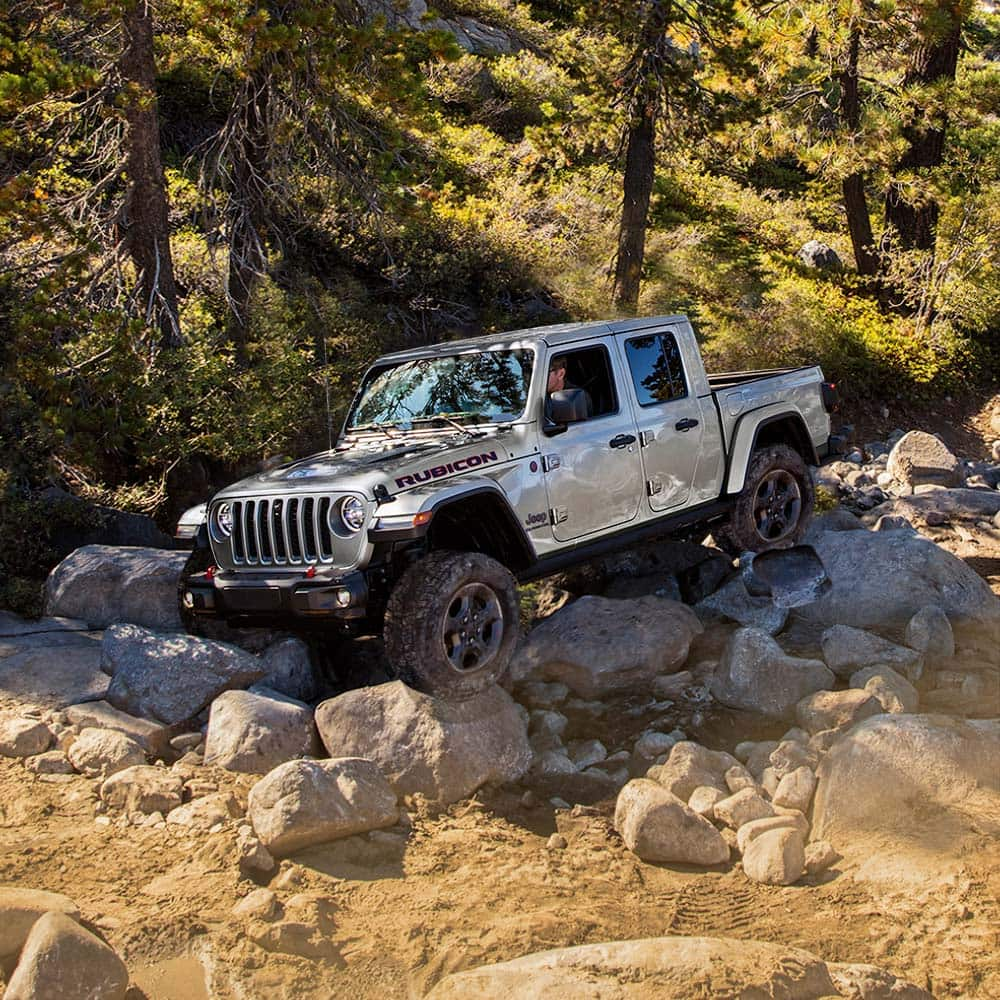
Let’s break down the five main criteria Jeep uses for trail rating. Each one makes a difference in real off-road situations.
Traction
Traction is how well a vehicle’s tires grip the ground. Jeep tests this on different surfaces, including mud, snow, and rocks. Trail Rated Jeeps often have advanced four-wheel drive systems and all-terrain tires. This allows them to keep moving even when only one or two wheels have grip.
Water Fording
Water fording means driving through water without getting stuck or damaging the vehicle. Jeep tests how deep a Trail Rated model can safely go. For example, some Trail Rated Wranglers can drive through water up to 30 inches deep. This is possible thanks to sealed electrical systems and air intakes mounted high on the vehicle.
Maneuverability
Maneuverability is about steering around obstacles. Jeep checks the turning radius and how easily the vehicle can dodge rocks or trees. A tight turning circle is a big advantage on narrow forest trails.
Articulation
Articulation refers to how much a vehicle’s wheels can move up and down. High articulation means one wheel can go over a rock while the others stay on the ground. This keeps all tires touching the surface for better traction.
Ground Clearance
Ground clearance is the space between the ground and the lowest part of the vehicle. Higher clearance lets a Jeep go over rocks, logs, or deep ruts without scraping the underside.
Here’s a quick comparison of Trail Rated features for two popular Jeep models:
| Feature | Jeep Wrangler (Trail Rated) | Jeep Cherokee (Trail Rated) |
|---|---|---|
| Ground Clearance | 10.8 inches | 8.7 inches |
| Water Fording Depth | 30 inches | 20 inches |
| Approach Angle | 44 degrees | 29.9 degrees |
| Articulation | High | Moderate |
How Trail Rated Jeeps Are Tested
Trail Rated vehicles go through both lab and real-world tests. Some tests use advanced equipment to measure angles, water resistance, and traction. Others happen on famous off-road trails like the Rubicon Trail in California.
For example, Jeep engineers take prototypes over rocks, through water, and up steep hills. If the vehicle fails, it goes back to the drawing board.
Only after passing all five criteria does it earn the Trail Rated badge.
Here’s another quick look at what’s involved:
| Test Area | What’s Measured | Why It Matters |
|---|---|---|
| Traction | Wheel slip on mud, snow, rock | Prevents getting stuck |
| Water Fording | Max safe depth (inches) | Cross streams safely |
| Articulation | Suspension flex | Keeps tires on ground |
Why Trail Rating Matters To You
You might wonder if trail rating is useful if you don’t drive on dirt roads. The answer is yes, for several reasons:
- Better Safety: The same features that help on trails also help in bad weather, like snow or heavy rain.
- Durability: Trail Rated Jeeps are built tougher. This means they often last longer, even if you only drive in the city.
- Resale Value: People trust the Trail Rated badge. These vehicles usually hold their value better.
- Peace of Mind: If you ever want to explore, your Jeep is ready.
One insight many beginners miss is that trail rating is not just for extreme off-roaders. Families who camp, people in rural areas, or anyone who faces tough weather can benefit.
Also, not every Jeep is Trail Rated so always check before buying if off-road capability is important to you.
Common Myths About Trail Rated Jeeps
Some believe every Jeep is Trail Rated. In fact, only models that pass all five tests get the badge.
Another myth is that all Trail Rated Jeeps are the same. In reality, the level of capability can vary by model and options.
For example, a Trail Rated Wrangler is more capable than a Trail Rated Renegade.
Frequently Asked Questions
What Vehicles Get The Trail Rated Badge?
Only Jeep models that pass strict tests for traction, water fording, maneuverability, articulation, and ground clearance can display the Trail Rated badge. Not all Jeeps are Trail Rated.
Does Trail Rating Make A Jeep Safer On Regular Roads?
Yes. Features like better traction and ground clearance help in rain, snow, and poor road conditions not just off-road.
Can I Add Trail Rated Parts To Make My Jeep Trail Rated?
No. The Trail Rated badge is given to the whole vehicle after testing.
Adding parts can help, but it won’t earn the official badge.
Is Trail Rated Only For Serious Off-roading?
No. While it’s designed for tough trails, the benefits help in many daily situations, like driving through floods or over rough city streets.
Where Can I Learn More About Trail Rated Testing?
You can find more details on the official Jeep website or visit the Jeep Trail Rated page for official information.
Whether you’re planning a mountain adventure or just want a reliable vehicle for any weather, understanding the purpose of Jeep’s trail rating system helps you make a smarter choice.
The Trail Rated badge is a sign of real-world strength, not just a sticker on the hood.
If you value capability and confidence, it’s worth looking for the badge on your next Jeep.



















