Every Jeep owner knows that color is more than just a style choice—it’s part of the adventure. From the rugged mountains to city streets, the color of your Jeep says a lot about you.
But with so many shades on the market, one question comes up again and again: What is the most popular Jeep color? Whether you’re buying your first Wrangler or thinking about a new paint job, understanding the top Jeep colors can help you make a choice you’ll love for years.
Why Jeep Color Matters
Color is not just about looks. For many, it’s a way to express personality and lifestyle.
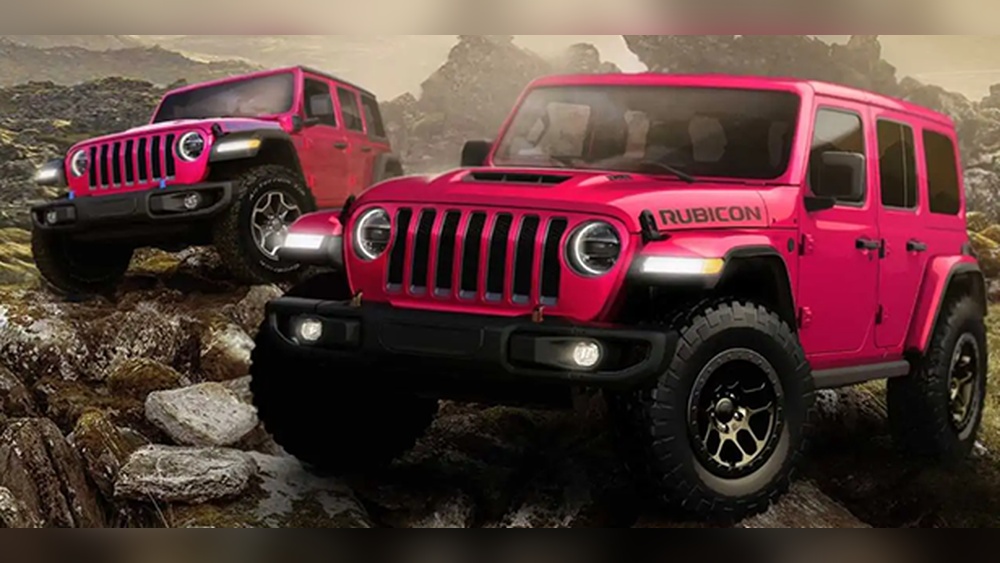
A bright orange Jeep might stand out on the trail, while a classic black blends into the city. Some owners even believe that certain colors hide dirt better, making them practical for off-roading.
Resale value is also tied to color. Some shades sell faster and for more money.
For example, rare or limited-edition colors can sometimes increase a Jeep’s value, while less popular ones might be harder to sell.
The Most Popular Jeep Color: A Data-driven Look
Across the Jeep lineup, black has remained the most popular color for many years. According to industry reports, black is chosen by about 22% of Jeep buyers, making it the top choice in the United States. It’s followed closely by other classic colors like white and silver.
Here’s a quick look at Jeep color popularity based on recent sales data:
| Rank | Color | Popularity (%) |
|---|---|---|
| 1 | Black | 22 |
| 2 | White | 19 |
| 3 | Silver | 15 |
| 4 | Gray | 13 |
| 5 | Red | 10 |
Black remains a favorite because it looks sleek, hides scratches, and never goes out of style. It’s also easy to match with custom accessories and wheels.

How Jeep Models Affect Color Choices
Not every Jeep model has the same color trends. The iconic Jeep Wrangler tends to attract buyers who prefer bold, adventurous colors like yellow or green. On the other hand, the Jeep Grand Cherokee usually appears in neutral shades like black, white, or silver.
Here’s a side-by-side comparison of top colors for two popular models:
| Wrangler Top Colors | Grand Cherokee Top Colors |
|---|---|
| Black | Black |
| White | White |
| Red | Silver |
| Green | Gray |
| Yellow | Red |
This shows that while black is popular everywhere, more adventurous shades are often found on Wranglers.
Why Black Is So Popular
There are several reasons why black tops the list for Jeep buyers:
- Timeless appeal: Black looks modern and classic at the same time.
- Easy customization: Accessories, decals, and wheels usually match well with black.
- Resale value: Black cars are easier to sell and appeal to more buyers.
- Dirt and scratch camouflage: While not perfect, black often hides light scratches better than lighter colors.
However, owners should know that black can get hot in the sun and may show dust more than other colors.
Other Popular Jeep Colors And Their Appeal
While black is the most popular, other colors have strong followings:
- White: Clean, simple, and reflects heat well. Popular in warmer climates.
- Silver and Gray: Great for hiding dirt and scratches. Look modern and blend well in urban settings.
- Red: Sporty, bold, and stands out in a crowd. Often chosen by those who want their Jeep to get noticed.
- Green and Yellow: Chosen by adventure seekers. These colors are rarer and often come in limited editions.
Some unique colors, like Jeep’s “Snazzberry” or “Hydro Blue,” attract owners who want something different. These limited colors can also boost resale value if kept in good condition.
How Color Trends Change Over Time
Jeep color trends don’t stay the same forever. For example, in the 1990s, bold colors like teal and purple were popular.
Today, most buyers prefer neutral shades. However, Jeep often releases special editions in rare colors, sparking temporary trends and collector interest.
Here’s how Jeep color popularity shifted over the past three decades:
| Year | Most Popular Color | Trend |
|---|---|---|
| 1990s | Teal/Purple | Bright, bold |
| 2000s | Silver | Metallic, neutral |
| 2010s | Black | Classic, sleek |
| 2020s | Black/White | Neutral, high resale |
This shows that while some colors come and go, black and white are always a safe bet.
Two Insights Jeep Buyers Often Miss
Many first-time buyers focus only on the look, not considering:
- Insurance impact: Some insurance companies may charge more for certain colors, seeing them as higher risk for theft or accidents.
- Maintenance needs: Dark colors like black can show water spots and swirl marks after washing, while lighter shades like silver or white are more forgiving.
A good tip: Ask your dealer how easy it is to match your chosen color if you need body repairs. Some unique colors cost more to repaint.
Should You Choose The Most Popular Jeep Color?
Picking a popular color like black can make life easier. It’s easier to resell, match accessories, and keep your Jeep looking timeless.
But choosing a unique color sets your Jeep apart, which many owners love.
Think about your lifestyle, where you drive, and how often you plan to clean your Jeep. If you want to know about current color trends or see rare Jeep colors, you can check the Jeep official website.

Frequently Asked Questions
What Is The Most Popular Jeep Color In 2024?
Black remains the top choice for Jeep buyers in 2024, followed by white and silver. These colors offer high resale value and wide appeal.
Does Jeep Offer Limited Edition Colors?
Yes, Jeep often releases limited edition colors for special models like the Wrangler. These colors can become collector’s items and may increase resale value if well maintained.
Which Jeep Color Is Best For Resale Value?
Black and white usually offer the best resale value. They appeal to more buyers and are easier to match if touch-ups are needed.
Are There Jeep Colors That Hide Dirt Better?
Silver and gray are considered the best colors for hiding dirt and scratches. They require less frequent cleaning compared to black or red.
Can I Custom Order A Jeep In Any Color?
You can order some Jeep models in custom colors, but not all shades are available every year. Special or rare colors may cost extra and have longer wait times.



















