A Jeep Wrangler is more than just a vehicle; it's a symbol of adventure, freedom, and capability. For many owners, the desire to explore off the beaten path or simply enhance their rig’s aggressive look leads to one common modification: a light bar.
But with so many options available, what truly makes a light bar the "best" for a Jeep Wrangler? It’s not just about brightness; it’s about durability, beam pattern, power draw, legal compliance, and how it integrates with your specific Wrangler model.
Choosing the right light bar can transform your night driving experience, offering superior visibility on trails, dusty roads, or even during late-night work sessions. However, a poorly chosen light bar can lead to glare, inefficient power usage, or even legal trouble.
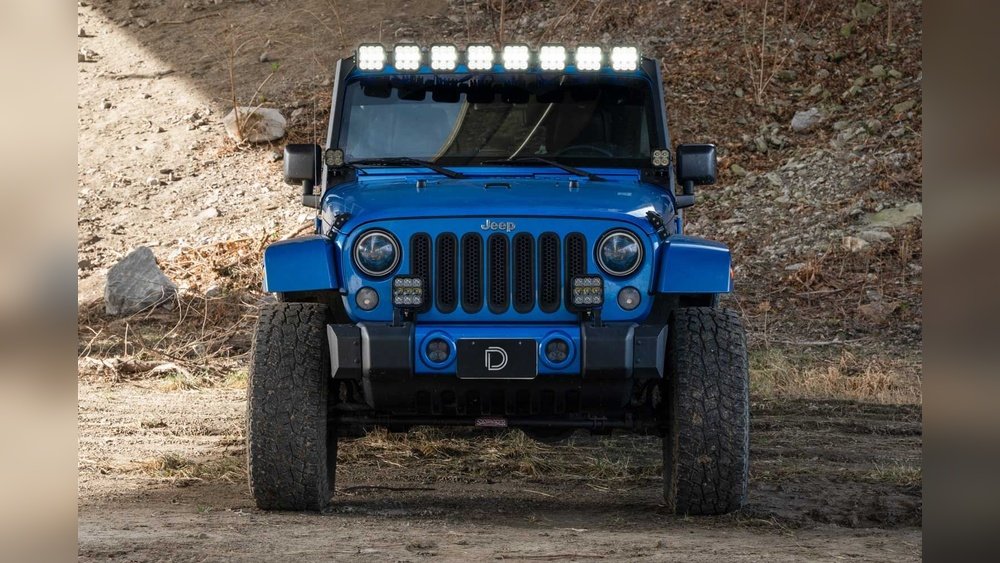
This guide will help you understand the key factors to consider, explore different types of light bars, and identify top contenders that fit the rugged spirit of a Jeep Wrangler. We’ll break down the technical jargon, explain what really matters, and guide you toward a lighting solution that enhances your off-road adventures and daily drives.
Understanding Light Bar Technology
Before diving into specific recommendations, it’s crucial to understand the core technologies and specifications that define a light bar’s performance. This knowledge will empower you to make an informed decision rather than just picking the brightest-sounding option.
Led Vs. Halogen Vs. Hid
The vast majority of modern light bars use Light Emitting Diodes (LEDs). Here’s why:
- LEDs: These are semiconductor devices that emit light when an electric current passes through them. They are incredibly energy-efficient, producing more light per watt than other technologies. LEDs also have a very long lifespan, often lasting tens of thousands of hours. They are also durable and resistant to shock and vibration, making them ideal for off-road vehicles. Their instant-on capability means no warm-up time.
- Halogen: These are traditional incandescent bulbs that use a tungsten filament. They are less efficient, generate more heat, and have a shorter lifespan compared to LEDs. While historically common, they are rarely found in high-performance light bars today.
- HID (High-Intensity Discharge): These bulbs produce light by creating an electric arc through a gas. They offer a very bright, white light but require a ballast to start and can have a warm-up period. HIDs are more fragile and consume more power than LEDs, and their use in light bars has largely been superseded by LED technology.
For a Jeep Wrangler, LED light bars are overwhelmingly the best choice due to their efficiency, durability, and performance.
Lumens, Lux, And Beam Patterns
When comparing light bars, you’ll encounter several terms related to brightness and light distribution:
- Lumens: This measures the total amount of visible light emitted by a source. A higher lumen count generally means a brighter light bar. However, lumens alone don’t tell the whole story about how well the light illuminates the road ahead.
- Lux: This measures the intensity of light at a specific point. While lumens measure total output, lux measures how much of that light actually reaches and illuminates a surface. A light bar with a high lux rating in the distance will provide better forward throw.
- Beam Patterns: This is arguably the most critical factor for practical use. Light bars come in various patterns designed for different purposes:
- Spot Beam: This is a very narrow, focused beam that projects light a long distance. It’s excellent for seeing far down a straight road or trail but offers little peripheral vision. Often measured in degrees, a spot beam might be 5-10 degrees.
- Flood Beam: This is a wide, diffused beam that spreads light over a large area close to the vehicle. It’s great for illuminating the immediate surroundings, such as campsites or tight trails, but doesn’t project far. Flood beams are typically wider than they are tall.
- Combo Beam: This is the most popular pattern for Jeep Wranglers. It combines a central spot beam with wider flood beams on the sides. This provides both long-distance visibility and good peripheral illumination, offering a balanced solution for various driving conditions. Combo beams often have a spot angle of around 30 degrees and flood angles of 60 degrees, though specific designs vary.
Pro Tip: For most Jeep Wrangler applications, a combo beam offers the best versatility. If you primarily do high-speed desert running, a pure spot beam might be considered, but it sacrifices close-up visibility. For slow crawling, a flood beam could be useful, but again, it limits forward reach.
Color Temperature (kelvin)
Light bars are rated in Kelvin (K), which describes the color of the light.
- Cool White (6000K-7500K): This is the most common color temperature for LED light bars. It provides a bright, crisp white light that closely mimics daylight, offering excellent contrast and visibility.
- Natural/Pure White (4000K-5000K): This offers a slightly warmer white light, which some drivers find less fatiguing on the eyes during long drives.
- Amber/Yellow: Some light bars offer amber or yellow light. This color is less prone to backscattering (light bouncing off dust, fog, or rain), making it useful in adverse weather conditions. However, it’s generally less bright overall.
For general off-road use and night driving, a 6000K cool white is the standard and provides the best visibility.
Key Features To Look For In A Jeep Wrangler Light Bar
Beyond the basic technology, several features contribute to a light bar’s overall quality, durability, and suitability for a Jeep Wrangler.
Durability And Construction
A Jeep Wrangler is often subjected to harsh conditions, mud, rocks, water, and vibrations. Your light bar needs to withstand this.
- Housing Material: Look for light bars with heavy-duty aluminum housings. This material is strong, lightweight, and helps dissipate heat generated by the LEDs, prolonging their life. Cast aluminum is generally more robust than extruded aluminum.
- Lens Material: The lens protects the LEDs. Polycarbonate is the preferred material. It’s impact-resistant and less likely to shatter than glass. Many high-quality polycarbonate lenses also feature a hard-coat finish to resist scratches and UV damage, preventing yellowing over time.
- IP Rating (Ingress Protection): This is a crucial indicator of a light bar’s resistance to dust and water. Look for ratings like IP67 or IP68.
- IP67: Protected from dust and can withstand immersion in water up to 1 meter for 30 minutes.
- IP68: Protected from dust and can withstand continuous immersion in water under conditions specified by the manufacturer (often deeper than 1 meter).
For off-roading, where your Jeep might encounter deep water crossings or heavy mud, an IP68 rating is highly recommended.
- Sealing and Gaskets: Ensure the light bar has high-quality rubber gaskets around the lens and housing to prevent water and dust ingress.
Mounting And Fitment
How the light bar mounts to your Jeep Wrangler is vital for both security and aesthetics.
- Mounting Brackets: Most light bars come with mounting brackets. For Wranglers, these often attach to the windshield frame (A-pillars) or the roof rack. Ensure the brackets are made of strong steel and are powder-coated or otherwise treated to resist rust.
- Specific Wrangler Fitment: Some manufacturers offer light bars specifically designed or recommended for certain Wrangler generations (JK, JL, TJ, etc.). These might come with pre-drilled mounting holes or specific bracket designs that ensure a clean, secure fit without requiring extensive modifications.
- Size and Placement: Light bars come in various lengths, from 6 inches to 50 inches or more. Common placements for Wranglers include:
- Windshield Mount (A-pillar): Typically 10-20 inch bars. These offer good forward visibility but can create glare on the hood in certain conditions.
- Grille Mount: Smaller bars (6-12 inches) can fit within the grille openings.
- Bumper Mount: Larger bars (20-30 inches) can be mounted on aftermarket bumpers.
- Roof Mount: The most common location for larger bars (40-50 inches), offering maximum light spread. However, roof-mounted bars can cause significant wind noise and may be subject to local regulations.
Power Draw And Wiring
A powerful light bar needs a robust electrical system.
- Amperage Draw: Check the wattage and amperage draw of the light bar. High-wattage bars consume more power. Ensure your Jeep’s alternator and battery can handle the additional load, especially if you plan to run multiple accessories.
- Wiring Harness: A quality light bar should come with a heavy-gauge wiring harness. This includes a relay, fuse, and a waterproof switch. The relay ensures the light bar draws power directly from the battery (through a fuse) rather than overloading the Jeep’s factory wiring. A waterproof switch allows for safe operation inside the cabin.
- Connectors: Look for waterproof connectors (like Deutsch connectors) on the harness to ensure reliable connections even in wet environments.
Certifications And Legality
It’s essential to be aware of local laws regarding auxiliary lighting.
- SAE/DOT Compliance: Some light bars are SAE (Society of Automotive Engineers) or DOT (Department of Transportation) compliant. This means they are designed to meet specific standards for road use, typically focusing on beam pattern to avoid blinding other drivers. However, most off-road light bars are *not* DOT compliant and are intended for off-road use only.
- Local Regulations: Laws vary significantly by state and country regarding the number, type, and placement of auxiliary lights. Always check your local regulations before installing a light bar, especially if you plan to use it on public roads. Many jurisdictions restrict bright, forward-facing auxiliary lights.
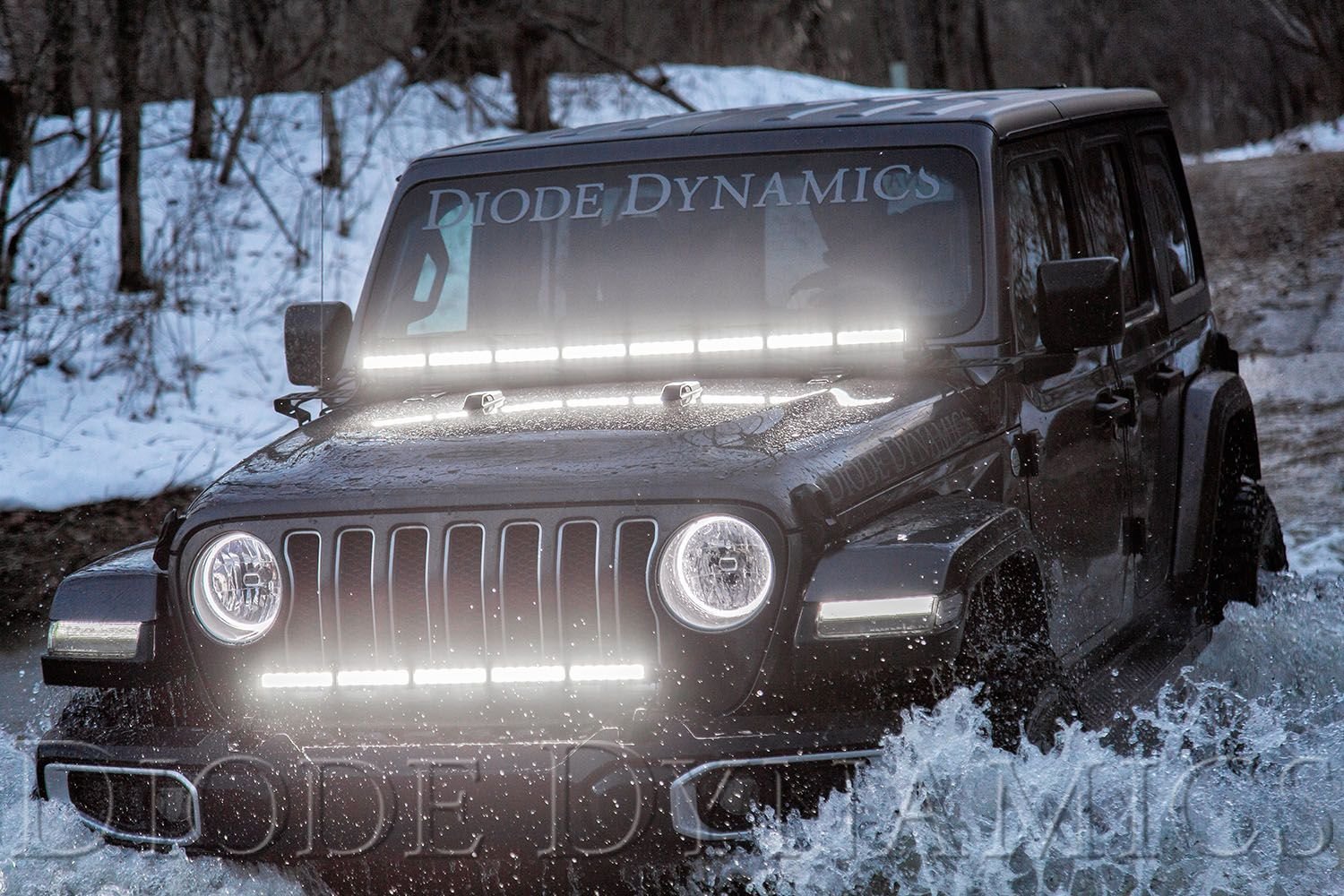
Top Light Bar Brands And Models For Jeep Wranglers
While “best” is subjective and depends on your specific needs and budget, several brands consistently deliver high-quality, reliable light bars suitable for Jeep Wranglers. These brands are known for their robust construction, excellent performance, and good customer support.
Here are some highly regarded brands and considerations:
Rigid Industries
Rigid Industries is often considered the gold standard in the off-road lighting industry. They are known for their premium quality, extreme durability, and intense brightness.
- Key Features: High-intensity LEDs, robust aluminum construction, excellent sealing (IP68), advanced optics for superior beam patterns, and a limited lifetime warranty.
- Popular Models:
- E-Series PRO: A classic, durable option available in various lengths (6″ to 50″). Known for its strong spot beams.
- D-Series PRO: Smaller, often used as fog lights or ditch lights, but available in pods that can be mounted in rows.
- Adapt Series: These innovative light bars can change their beam pattern on the fly using a mobile app, offering incredible versatility.
- Considerations: Rigid light bars are among the most expensive options. Their intense brightness and focused beams are ideal for serious off-roading.
Baja Designs
Another top-tier brand, Baja Designs, focuses on engineering lighting solutions that offer exceptional performance and durability, often favored by professional racers.
- Key Features: High-quality components, excellent thermal management, durable construction, often feature advanced reflector or lens designs for superior beam control, and a limited lifetime warranty.
- Popular Models:
- OnX6 Series: Available in various lengths and beam patterns (Driving/Combo, Wide Driving/Cornering, Spot). Known for their smooth, wide light output.
- S8 Series: Similar to the OnX6 but often with a sleeker, more integrated look, suitable for modern vehicles like the JL Wrangler.
- Squadron Series: Pod lights, but their performance is legendary and can be used in multiples.
- Considerations: Like Rigid, Baja Designs products come with a premium price tag. They offer some of the best beam clarity and distance in the market.
Kc Hilites
KC HiLiTES has a long history in off-road lighting, offering a blend of performance, durability, and classic styling.
- Key Features: High-quality LEDs, durable housings, often feature a distinctive amber backlight option for added style, and good warranties.
- Popular Models:
- C-Series: Available in various lengths and beam patterns, offering a good balance of performance and value.
- Gravity LED Pro: Utilizes advanced reflector technology for a very precise and powerful beam.
- Flex Era: Modular lighting system allowing for customization.
- Considerations: KC offers a range of products from mid-tier to high-end. Their aesthetic is often favored by those looking for a classic off-road look.
Auxbeam / Nilight / Similar Budget Brands
These brands offer significantly more affordable options. They can be a good entry point for those on a tighter budget or who don’t require the extreme performance of premium brands.
- Key Features: Vary widely, but generally offer basic LED functionality, aluminum housings, and often come with wiring harnesses.
- Popular Models: Available in countless configurations (e.g., 20-inch LED light bar with combo beam).
- Considerations:
- Durability: These lights may not hold up as well to extreme abuse, vibration, or water ingress over the long term. Sealing can be less reliable.
- Performance: Beam patterns might be less refined, potentially causing more glare or less effective light projection compared to premium brands.
- Lifespan: LEDs might not last as long, and heat dissipation can be less efficient.
- Warranty: Warranties are often shorter or less comprehensive.
- Recommendation: If choosing a budget option, pay close attention to IP ratings and user reviews regarding water intrusion and durability. They can be great for occasional use or cosmetic enhancement but might not be ideal for hardcore, frequent off-roading.
Factors Influencing Your Choice
- Budget: This is often the primary deciding factor. Premium brands (Rigid, Baja Designs) can cost $300-$1000+, while budget brands can be found for $50-$150.
- Intended Use: Are you a weekend warrior hitting moderate trails, or are you tackling extreme terrain and long-distance night expeditions



















