Axle gearing is a complete-build decision. Tire diameter, transmission, engine, highway speed and trail plans all belong in the calculation.
Quick Answer
The best Wrangler gear ratio depends on tire diameter, transmission, axle, engine, highway use and trail goals. Larger tires often change the gearing decision, but one ratio does not suit every build.
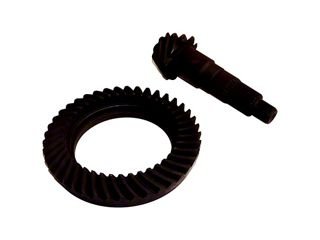
Protect Daily Drivability
An upgrade should work during normal commuting, rain, highway travel and maintenance.
Test After Installation
Inspect clearance, warning lights, aim, ride behavior or fastener torque as appropriate.
Start With Tire Diameter and Transmission
Axle-gearing choices depend on tire size, engine, transmission, axle and road use. One popular ratio cannot be the answer for every Wrangler.
Use a Specialist for the Final Choice
A reputable axle shop can review the full build, highway speed, trail use and towing needs before parts are ordered.
Plan for the Speedometer and Calibration Work
A gearing or tire-size change may require calibration and a careful post-installation drive. Confirm the shop will check drivability, shift behavior and the final setup instead of treating the axle parts as the only task.
Calculate Before Choosing a Ratio
Start with tire diameter, transmission, engine, axle and typical highway speed. A popular forum ratio may not suit your build.
Plan for Calibration
Tire and gearing changes can affect speedometer readings and shift behavior. Include calibration and a post-installation drive in the quote.
Use an Experienced Axle Shop
Ask the shop to explain the recommendation, parts list, break-in guidance and follow-up inspection. A clear plan matters more than a single ratio number.
Start With the Actual Tire Diameter
A nominal tire label is only the beginning. Measure the fitted tire and note the vehicle weight, engine and transmission.
The same ratio may feel different across two Wrangler builds.
Separate Trail Control From Highway Comfort
Lower gearing may help low-speed response while raising engine speed on the highway. Decide how much commuting, towing and trail driving the Jeep actually does before choosing a ratio.
Review Axle Strength and Differential Plans
A regear job is a good time to inspect bearings, seals and differential choices. Discuss the complete axle plan with a reputable shop rather than ordering one part from a chart.
Plan Calibration and Break-In
Tire size or gearing changes may require calibration. Ask the installer for break-in and fluid-check instructions.
Watch shift behavior and temperature after the work.
Key Details to Check
| Item | What to verify | Why it matters |
|---|---|---|
| Check | Model year and current setup | Avoids ordering for the wrong configuration |
| Check | Fitment measurements | Confirms physical compatibility |
| Check | Installation needs | Shows whether wiring, alignment or extra hardware is required |
| Check | Road and trail use | Matches the upgrade to the Jeep |
Use a Specialist Quote
Request a written quote for both axles where required, labor, bearings, seals, fluid, calibration and follow-up inspection. This makes shop comparisons clearer.
Ask the Shop About Both Axles
Four-wheel-drive regearing commonly requires a coordinated plan. Confirm which axles receive work, the parts used and whether bearings and seals are included in the quote.
Discuss Highway Speed Honestly
Tell the shop how fast and how far the Wrangler travels on normal roads. A trail-focused ratio may feel different during commuting. Balance both uses before ordering parts.
Schedule a Follow-Up Inspection
Ask when fluid, noise and leak checks should occur after break-in. A follow-up visit helps catch an installation issue early and preserves the service record.
Price the Whole Regear Job
A quote should show gears, install kits, bearings where needed, fluid, labor, calibration and follow-up work. Compare complete scopes instead of choosing the cheapest headline.
Check for Noise After Installation
Follow the shop instructions and listen during acceleration, coasting and turns. Report unusual whine, vibration or leaks promptly. Early feedback helps protect the axle work.
Document the Final Setup
Save tire size, axle ratio, calibration details and service receipts. The next owner or technician needs the same information when diagnosing drivability or ordering parts.
Review Tire Wear After the Change
A gearing project may accompany larger tires or suspension work. Watch for uneven wear, rubbing and steering changes during the first weeks.
Correct fitment issues before they damage a new tire set.
Keep the Build Sheet With the Jeep
Record ratio, tire diameter, calibration and installer details. This document helps future troubleshooting and prevents the next owner from guessing which axle parts were fitted.
Confirm the Installer Warranty
Ask which parts and labor are covered, how follow-up concerns are handled and what records to keep. A written warranty adds clarity to a major axle project.
Ask for the Old Parts Policy
Confirm whether replaced parts will be returned or documented. This adds transparency to the final invoice and service file.
Define the Build
Start with model year, trim, current parts and the problem the upgrade should solve.
Measure and Verify
Check fitment, connector type, dimensions and any compatibility notes before ordering.
Step-by-Step Review
- Document the current setup.
- Confirm specifications.
- Test-fit when possible.
- Install with the correct procedure.
- Inspect after the first use.
Common Mistakes to Avoid
- Buying from photos alone
- Checking only one specification
- Ignoring legal or safety requirements
- Skipping the final inspection
Will any part labeled for a Wrangler fit?
No. Confirm year, trim and current modifications.
Should I test-fit before final installation?
Yes, whenever practical.
Can an upgrade affect daily driving?
Yes. Ride, noise, visibility, maintenance and legal compliance may change.
- How To Change Gear Ratio In Jeep Wrangler A Step By Step Guide
- How To Find Gear Ratio On Jeep Wrangler 2
- Best Bikini Top For Jeep Wrangler
Final Takeaway
Wrangler axle gearing should match the tire size, transmission, engine and road use. Confirm the recommendation with an experienced shop and include calibration in the plan.