Driving a Jeep is often about adventure, power, and control. One feature that many drivers notice, but may not fully understand, is speed control.
While it sounds simple, speed control on a Jeep offers more than just keeping a steady pace on the highway. It’s a smart system designed for comfort, safety, and even off-road performance.
If you’ve ever wondered what speed control does, how it works, and why it matters, this guide is for you.
What Does Speed Control Mean On A Jeep?
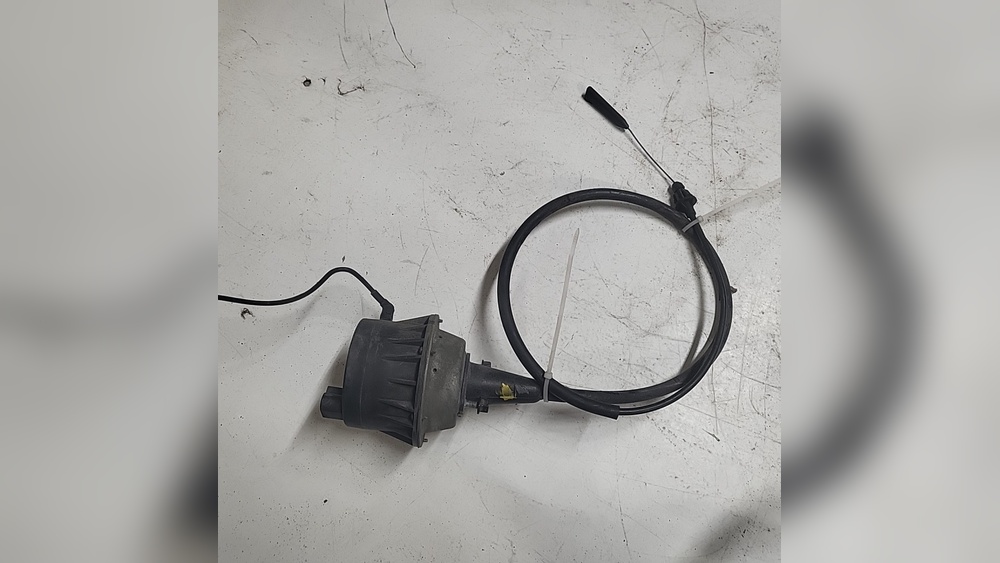
Speed control is Jeep’s name for the cruise control system. This feature helps maintain a selected speed without pressing the accelerator pedal. Most modern Jeeps come with speed control as a standard or optional feature. The system is especially useful for long drives, highway cruising, and keeping a consistent speed in certain off-road scenarios.
When you activate speed control, the Jeep’s computer takes over the throttle. It adjusts the engine power automatically to keep the vehicle at your chosen speed, even if the road goes up or down.
In most Jeeps, you can set, adjust, or cancel speed control with buttons on the steering wheel.
How Speed Control Works
Speed control in a Jeep uses sensors, actuators, and the vehicle’s computer network. Here’s a simplified breakdown:
- Set Your Speed: Press the “SET” button at your desired speed.
- System Takes Over: The Jeep’s computer controls the throttle to keep that speed.
- Adjust as Needed: You can increase or decrease speed in small steps with the “+” or “-” buttons.
- Automatic Release: If you press the brake or clutch, speed control turns off for safety.
Some newer Jeep models offer adaptive cruise control. This advanced version uses radar and cameras to automatically slow down or speed up, keeping a safe distance from the car ahead.
Key Parts Involved
- Control buttons: Usually on the steering wheel for easy access.
- Throttle actuator: Adjusts the engine power.
- Speed sensors: Monitor how fast the Jeep is moving.
- ECU (Engine Control Unit): The brain that calculates and sends commands.
Benefits Of Speed Control On A Jeep
Using speed control can make driving easier and safer. Here’s how:
- Less Fatigue: On long trips, you don’t have to keep your foot on the gas pedal.
- Better Fuel Efficiency: Holding a steady speed can save gas compared to manual speed changes.
- Consistent Speed: Helps you avoid accidental speeding, which can reduce the risk of tickets.
- Comfort: Keeps driving smooth, especially on highways.
Here’s a quick comparison of driving with and without speed control:
| Feature | With Speed Control | Without Speed Control |
|---|---|---|
| Fatigue | Lower | Higher |
| Fuel Efficiency | Usually better | Varies |
| Speed Consistency | High | Low |
| Risk of Speeding | Reduced | Increased |
Common Uses Of Speed Control In Jeeps
Highway Driving
Speed control shines on highways, letting you relax your foot and focus on steering. It’s useful for long drives across states or countries.
Off-road Trails
While less common, some Jeep owners use speed control on flat off-road trails. It helps maintain steady speed on easy terrain.
However, it’s not recommended for rough or technical trails where quick speed changes are needed.
Towing
Jeeps often tow boats, trailers, or campers. Speed control can help keep a stable pace, reducing strain on the engine and making towing safer.
Different Types Of Speed Control In Jeeps
Jeeps offer more than one type of speed control. Here’s a look at the main options:
| Type | Main Feature | Common Models |
|---|---|---|
| Standard Cruise Control | Holds set speed | Wrangler, Cherokee |
| Adaptive Cruise Control | Adjusts speed for traffic | Grand Cherokee, Wagoneer |
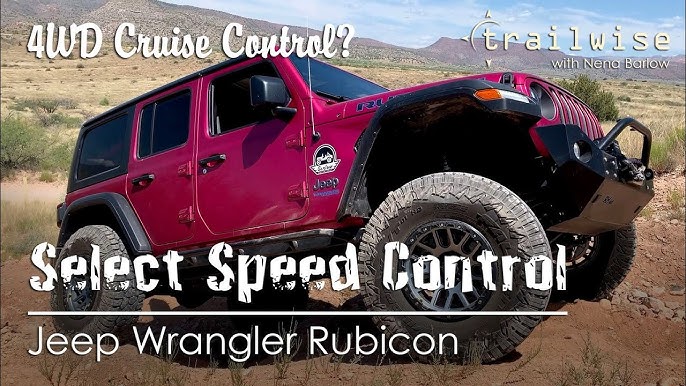
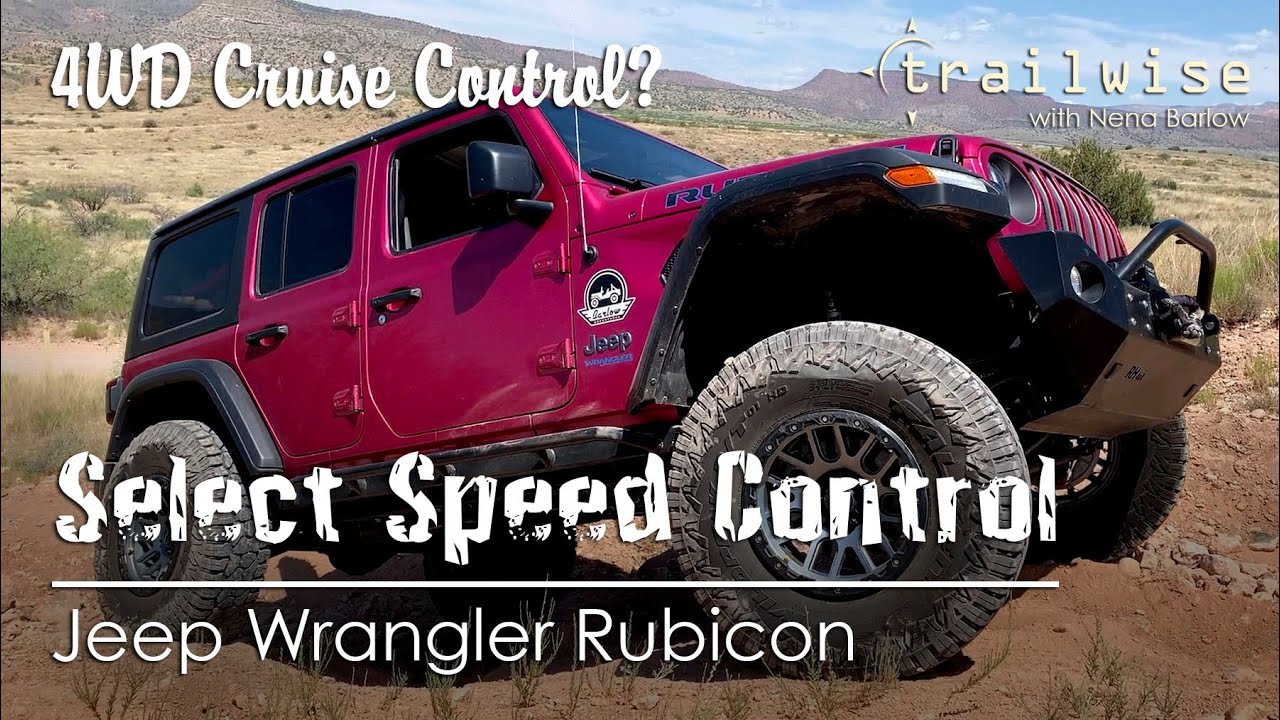
| Trail Speed Control | Low-speed off-road cruise | Wrangler Rubicon |
Trail Speed Control is a special feature for off-road driving at low speeds. It helps you crawl over rocks and rough ground without constant pedal control.
Two Insights Most Jeep Owners Miss
- Speed control can help prevent leg cramps on long drives. By letting your right leg rest, it can reduce fatigue and discomfort, especially on road trips.
- Using speed control on hilly terrain can sometimes cause more fuel use. The system tries hard to keep your set speed, even up steep hills, which can make the engine work harder than if you eased off the gas manually.
Safety Tips For Using Speed Control
- Don’t use speed control on wet, icy, or slippery roads. It may reduce your control and increase accident risk.
- Always be ready to brake. Speed control is not autopilot—it won’t steer or stop for sudden hazards.
- If you feel tired, pull over. Speed control can reduce fatigue but can’t replace full driver attention.
Troubleshooting Speed Control Problems
Sometimes the system might not work as expected. Common reasons include:
- Blown fuse (check your owner’s manual)
- Faulty brake switch (speed control turns off when brakes are pressed)
- Speed sensor failure
- Software issues (may need dealer reset)
If you see a warning light or the system won’t activate, check these basics first. For serious problems, visit a certified Jeep mechanic.
Frequently Asked Questions
What Is The Difference Between Speed Control And Cruise Control?
There’s no difference—speed control is Jeep’s term for cruise control. Both mean the same thing: a system that holds a steady speed.
Can I Use Speed Control While Towing A Trailer?
Yes, but only on flat, straight roads. Avoid using speed control when towing on hills or in heavy traffic.
Does Speed Control Work In All Weather Conditions?
No. Avoid using it on slippery roads (ice, snow, heavy rain) because it may reduce your control.
How Do I Turn Off Speed Control Quickly?
Press the brake pedal, clutch (if manual), or the “CANCEL” button on your steering wheel to deactivate speed control.
Is Adaptive Cruise Control Available On All Jeep Models?
No, adaptive cruise control is available only on newer or higher-end Jeep models like the Grand Cherokee. For more details, visit the official Jeep website.
Driving a Jeep is about more than power it’s about smart features like speed control that make every trip smoother and safer.
With a clear understanding of how speed control works and when to use it, you can get the most out of your Jeep on any road.