When you drive a Jeep on rough trails or even regular roads, you might hear people talk about "pitch" and "roll. " These two words are important for understanding how your Jeep moves and stays safe.
Some drivers check them on their dashboard screens, while others feel them when going over hills or turning fast.
But what do pitch and roll really mean in your Jeep? Let’s explore these terms, see why they matter, and learn how to use this knowledge for safer, more confident driving.
What Are Pitch And Roll In A Jeep?
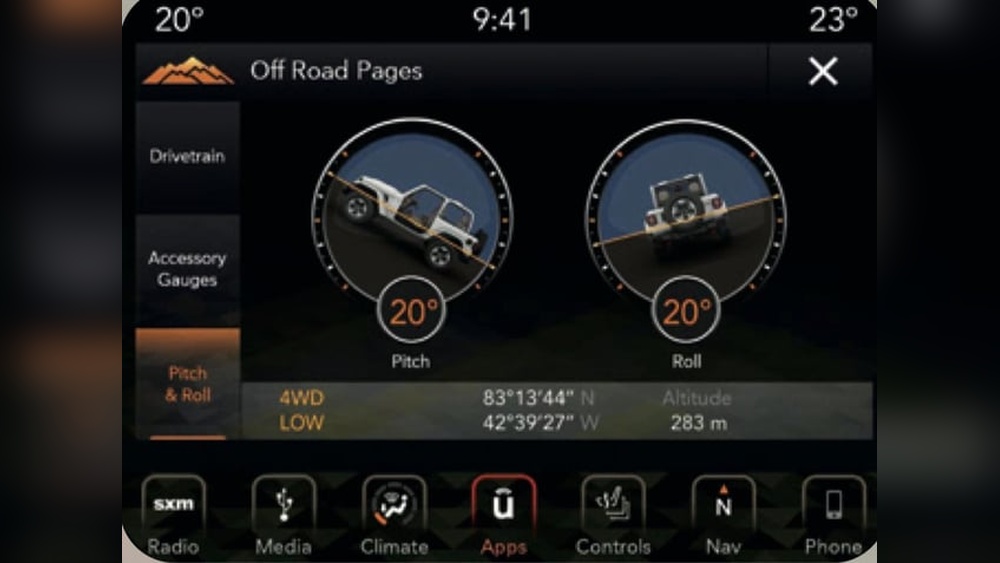
Pitch and roll are two types of movement your Jeep makes as it reacts to the ground. They measure how your vehicle tilts forward, backward, or to the sides.
- Pitch is the up-and-down tilt. Imagine driving up a steep hill—your Jeep’s front lifts, and the back goes down. That’s pitch. Going downhill, the front dips, and the back rises.
- Roll is the side-to-side tilt. If you drive across a slope or turn sharply, your Jeep leans to one side. That’s roll.
Both pitch and roll are measured in degrees, showing how far your Jeep is tilting from a flat position.
Why Pitch And Roll Matter
Understanding pitch and roll is more than just technical talk. These angles affect your safety, your Jeep’s performance, and your comfort.
- Preventing Rollovers: Too much roll can tip your Jeep over, especially on uneven ground. Knowing the limits helps you avoid dangerous angles.
- Driving Comfort: High pitch or roll makes passengers uncomfortable and can even cause motion sickness.
- Off-Road Performance: When off-roading, you need to control pitch and roll to avoid getting stuck or damaging your Jeep.
- Towing and Loading: Extra weight changes pitch and roll, so you need to adjust your driving.
Many modern Jeeps display pitch and roll angles on their infotainment screens, letting drivers keep track while driving.
How Pitch And Roll Are Measured
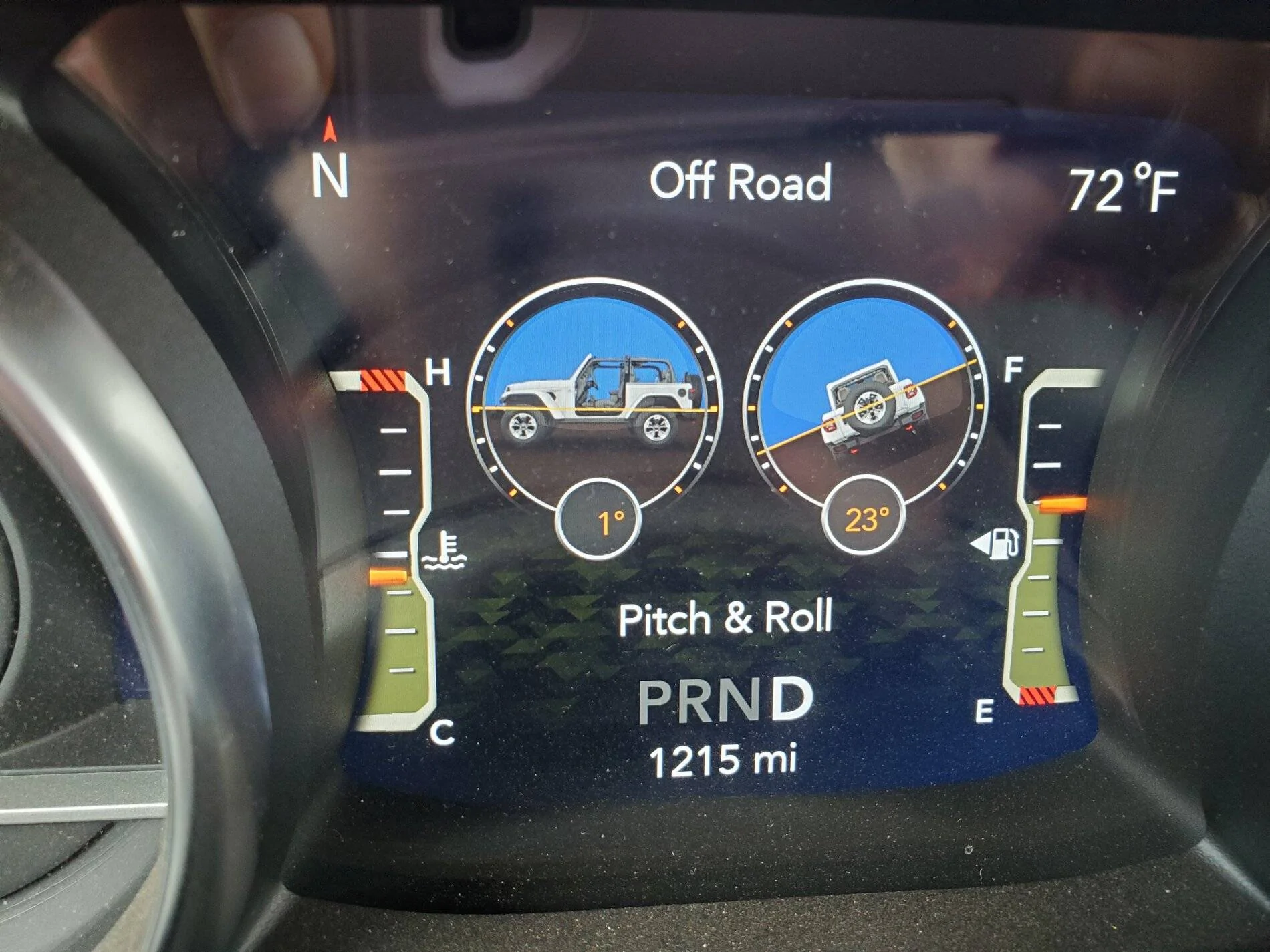
Jeep vehicles often use inclinometers to measure pitch and roll. An inclinometer is a sensor that detects the angle of tilt. Some Jeeps show these readings on the dashboard. Others use smartphone apps or aftermarket devices for real-time data.
Here’s a simple comparison of how pitch and roll are measured in different Jeep models:
| Jeep Model | Pitch/Roll Display | Sensor Type |
|---|---|---|
| Wrangler JL (2018+) | Uconnect Off-Road Pages | Built-in Inclinometer |
| Grand Cherokee | Digital Cluster | Built-in Inclinometer |
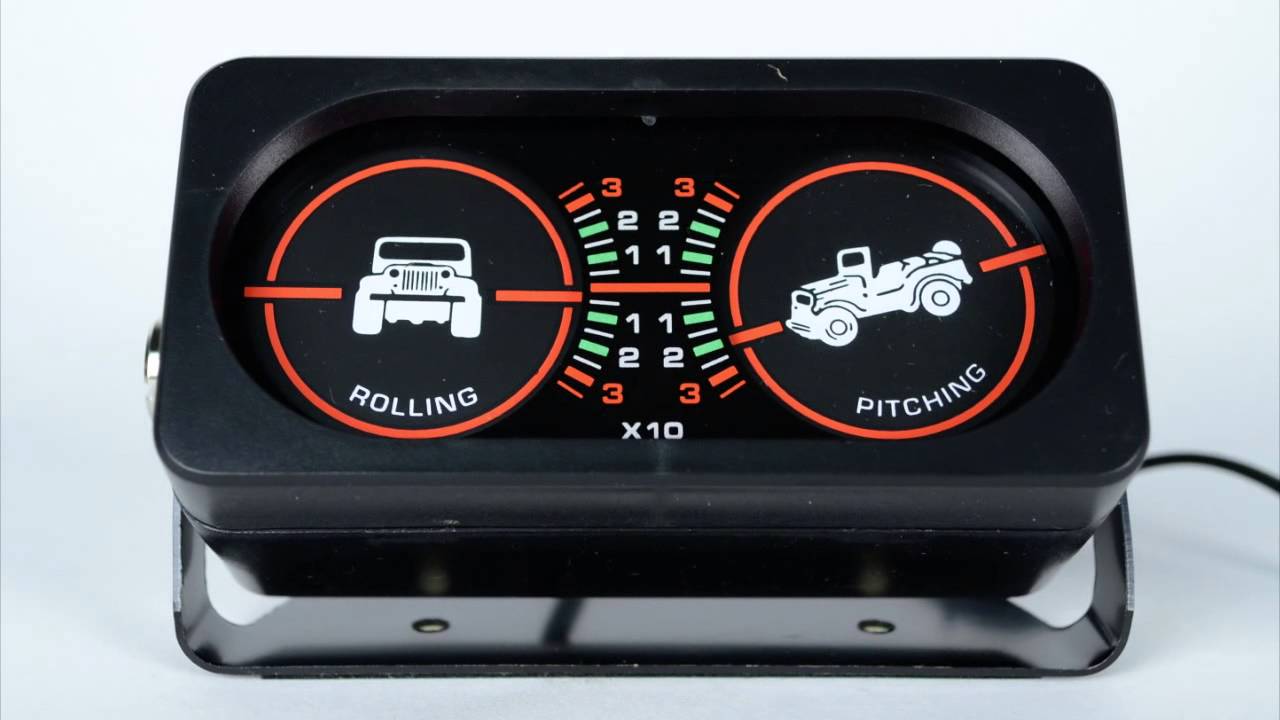
| Older Wranglers | Manual Gauge/Aftermarket | Bubble Inclinometer |
Some drivers add aftermarket inclinometer displays for older Jeeps. These show angles using simple dials or digital screens.
Safe Pitch And Roll Angles
Every Jeep has limits before it becomes unsafe. Most Jeeps can handle up to about 30 degrees of roll before risking a rollover. Pitch angles are usually safer—many Jeeps can go up or down hills at up to 40 degrees. But these numbers depend on the model, tires, and modifications.
Here’s a quick look at typical safe limits:
| Angle Type | Safe Limit (Degrees) | Danger Zone (Degrees) |
|---|---|---|
| Pitch (Up/Down) | 0–30 | 30–40+ |
| Roll (Side-to-Side) | 0–20 | 20–30+ |
Important: These are general numbers. Always check your Jeep’s manual. Modifications like lifts, larger tires, or roof racks can lower your safe limits.
Real-life Examples
Let’s see how pitch and roll work in real situations:
- Steep Hill Climb: You drive up a 25-degree hill. Your pitch increases, but roll stays low if you go straight.
- Side Slope: You cross a hill sideways. Your roll angle rises. If it hits 25 degrees, your Jeep may feel like it’s tipping.
- Sharp Turn: On pavement, a fast turn makes your Jeep roll toward the outside of the curve.
Sometimes, beginners focus only on pitch when climbing hills but ignore roll. But many Jeep rollovers happen on side slopes, not just steep climbs.
Practical Tips For Managing Pitch And Roll
Knowing the theory is good, but using it helps you drive smarter.
- Go Slow on Slopes: Take your time. Fast moves increase roll risk.
- Approach Hills Straight On: This keeps roll low and lets you focus on pitch.
- Avoid Sudden Turns: Quick steering on a slope can mix high pitch and roll, making things risky.
- Watch Your Load: Heavy gear or roof racks raise your Jeep’s center of gravity, reducing safe roll angles.
- Use Technology: If your Jeep has pitch and roll displays, check them often off-road. For older Jeeps, consider adding a simple inclinometer.
A common mistake is trusting only your feeling. Sometimes, what feels safe is actually close to the limit especially with a lifted Jeep. Use tools, not just instincts.
How Modifications Affect Pitch And Roll
Many Jeep owners lift their vehicles for better ground clearance. Bigger tires, suspension lifts, and roof racks are popular.
But these changes can increase the risk of high pitch and roll.
- Higher Center of Gravity: Lifting your Jeep makes it more likely to tip.
- Wider Tires: These can help lower roll risk, but only if installed correctly.
- Added Weight Up High: Roof racks, tents, and gear make rollovers more likely.
If you modify your Jeep, test it on gentle slopes first. Learn the new limits before tackling tough trails.
Common Myths About Pitch And Roll
Some drivers believe myths that can be dangerous:
- “My Jeep can’t roll over. It’s built for anything.” Even off-road vehicles have limits.
- “Only steep hills are risky.” Side slopes are often more dangerous than steep climbs.
- “Lifts always make Jeeps safer.” High lifts can actually lower your safe pitch and roll angles.
Understanding the real facts helps you drive safer and avoid costly mistakes.
Frequently Asked Questions
What Is The Difference Between Pitch And Roll In A Jeep?
Pitch is the front-to-back tilt—like driving up or down a hill. Roll is the side-to-side tilt, such as when crossing a slope or turning sharply.
How Can I Check My Jeep’s Pitch And Roll Angles?
Many modern Jeeps display these angles on the dashboard or infotainment screen. You can also buy aftermarket inclinometers or use smartphone apps for older models.
What Are Safe Pitch And Roll Angles For Off-roading?
Most Jeeps are safe up to about 20–25 degrees of roll and 30–35 degrees of pitch. But always check your model’s manual, as modifications can change these numbers.
Does Lifting My Jeep Change The Pitch And Roll Limits?
Yes. Lifting raises the center of gravity, making it easier to tip over at lower angles.
Test your Jeep after modifications to learn the new limits.
Where Can I Learn More About Pitch, Roll, And Off-road Driving?
A good resource is the Vehicle Dynamics Wikipedia page, which explains how vehicles move and handle different forces.
Understanding pitch and roll is key for every Jeep driver, especially off-road. These angles affect safety, control, and fun. Use tools to track them, respect your Jeep’s limits, and always drive within your comfort zone. This knowledge keeps adventures exciting—and safe.



















