Jeep is a name known worldwide for tough, reliable vehicles that can handle almost any terrain. When people hear “Jeep,” they think of rugged SUVs and adventure.
But who actually owns Jeep? The answer is more complex than many realize.
In this article, you’ll discover the history of Jeep’s ownership, who controls it today, and how ownership changes have affected the brand. We’ll use simple words, clear explanations, and give practical insights that help you understand Jeep’s story.
Who Owns Jeep Today?
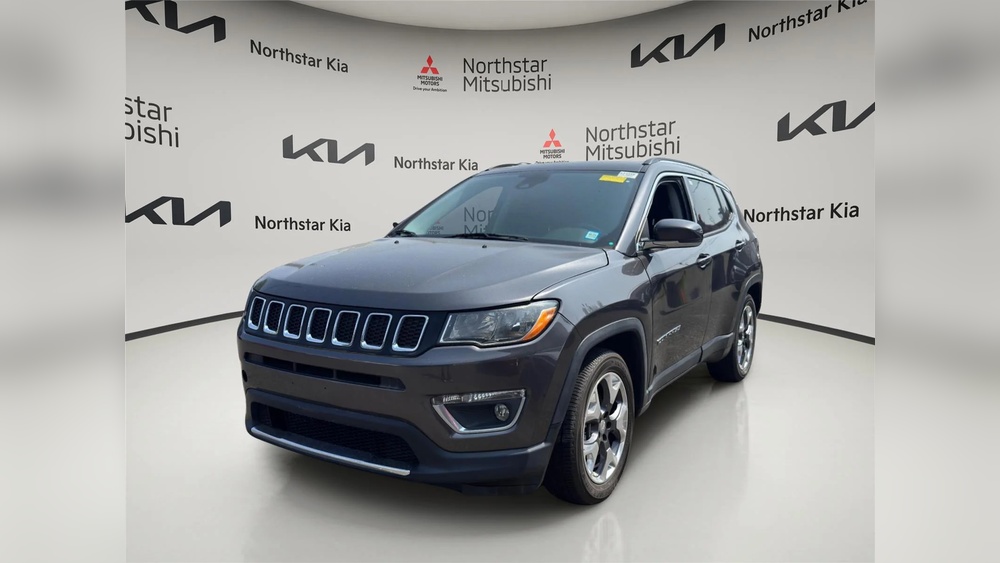
The company behind Jeep is Stellantis. Stellantis is a large automotive group formed in 2021, combining Fiat Chrysler Automobiles (FCA) and PSA Group. Stellantis owns many famous car brands, including Jeep, Ram, Dodge, Chrysler, Peugeot, Citroën, and Opel.
Jeep is not its own company. It is a brand within Stellantis, which is based in the Netherlands but operates factories and offices worldwide.
Stellantis is one of the world’s biggest car makers. In 2023, Stellantis sold over 6 million vehicles globally.
Jeep is one of its top-performing brands, especially in the United States.
Here’s a quick comparison showing some key Stellantis brands:
| Brand | Main Market | Key Products |
|---|---|---|
| Jeep | USA, Global | SUVs, Off-road vehicles |
| Chrysler | USA | Sedans, Minivans |
| Peugeot | Europe | Compact cars, SUVs |
| Ram | USA | Pickup trucks |
Jeep’s Ownership History
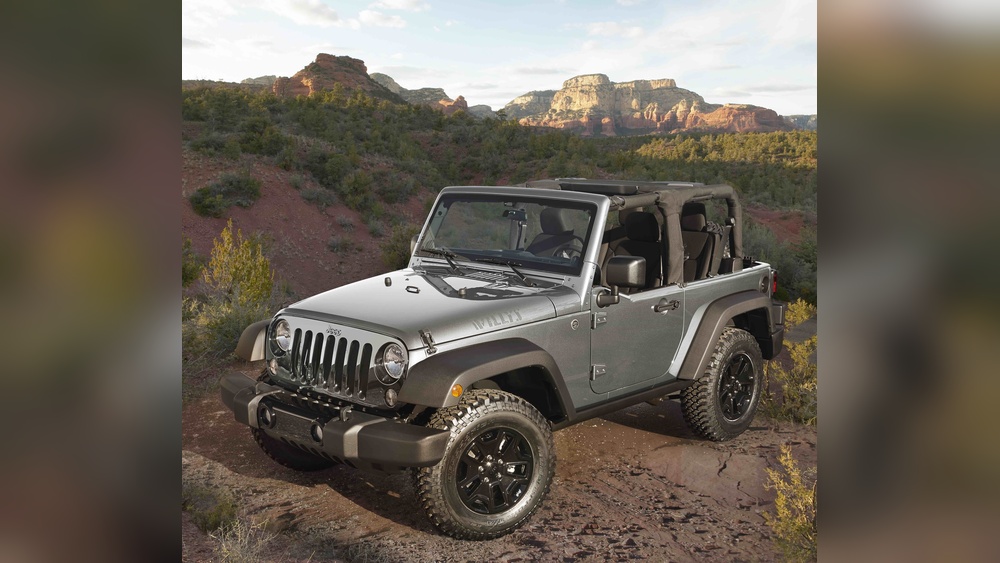
Jeep’s story began during World War II. It was created for the US Army. The original Jeep was built by Willys-Overland, but other companies like Ford also made Jeeps for the military.
Over the years, Jeep changed owners several times:
- Willys-Overland (1941–1953): Willys made the first civilian Jeeps after the war.
- Kaiser Motors (1953–1970): Kaiser bought Willys and continued Jeep production.
- American Motors Corporation (AMC) (1970–1987): AMC modernized Jeep, introducing popular models like the Cherokee.
- Chrysler Corporation (1987–1998): Chrysler bought AMC, focusing on Jeep’s SUV market.
- DaimlerChrysler (1998–2007): Chrysler merged with Daimler (Mercedes-Benz) but separated later.
- Fiat Chrysler Automobiles (FCA) (2009–2021): After economic troubles, Fiat took over Chrysler.
- Stellantis (2021–present): FCA merged with PSA Group to create Stellantis.
This long history shows how Jeep survived many changes. Each owner helped shape Jeep’s style, technology, and reputation.

Why Stellantis Owns Jeep
Stellantis formed to compete in the global car market. By combining FCA’s American brands (like Jeep and Dodge) with PSA’s European brands (like Peugeot and Citroën), Stellantis became stronger.
Jeep was a big reason for this merger.
Jeep is valuable because:
- It is known for off-road capability and reliability.
- It sells well in the USA and has growing sales in China, Europe, and South America.
- Its vehicles, like the Jeep Wrangler and Jeep Grand Cherokee, have loyal fans.
Stellantis uses Jeep’s strong image to lead in the SUV market. Jeep also helps Stellantis develop new electric and hybrid SUVs for the future.
How Ownership Affects Jeep’s Products
Ownership changes have influenced Jeep’s designs, engines, and features. For example:
- When Chrysler owned Jeep, the brand shifted to more family SUVs.
- Under FCA, Jeep began building cars in new countries like China and Brazil.
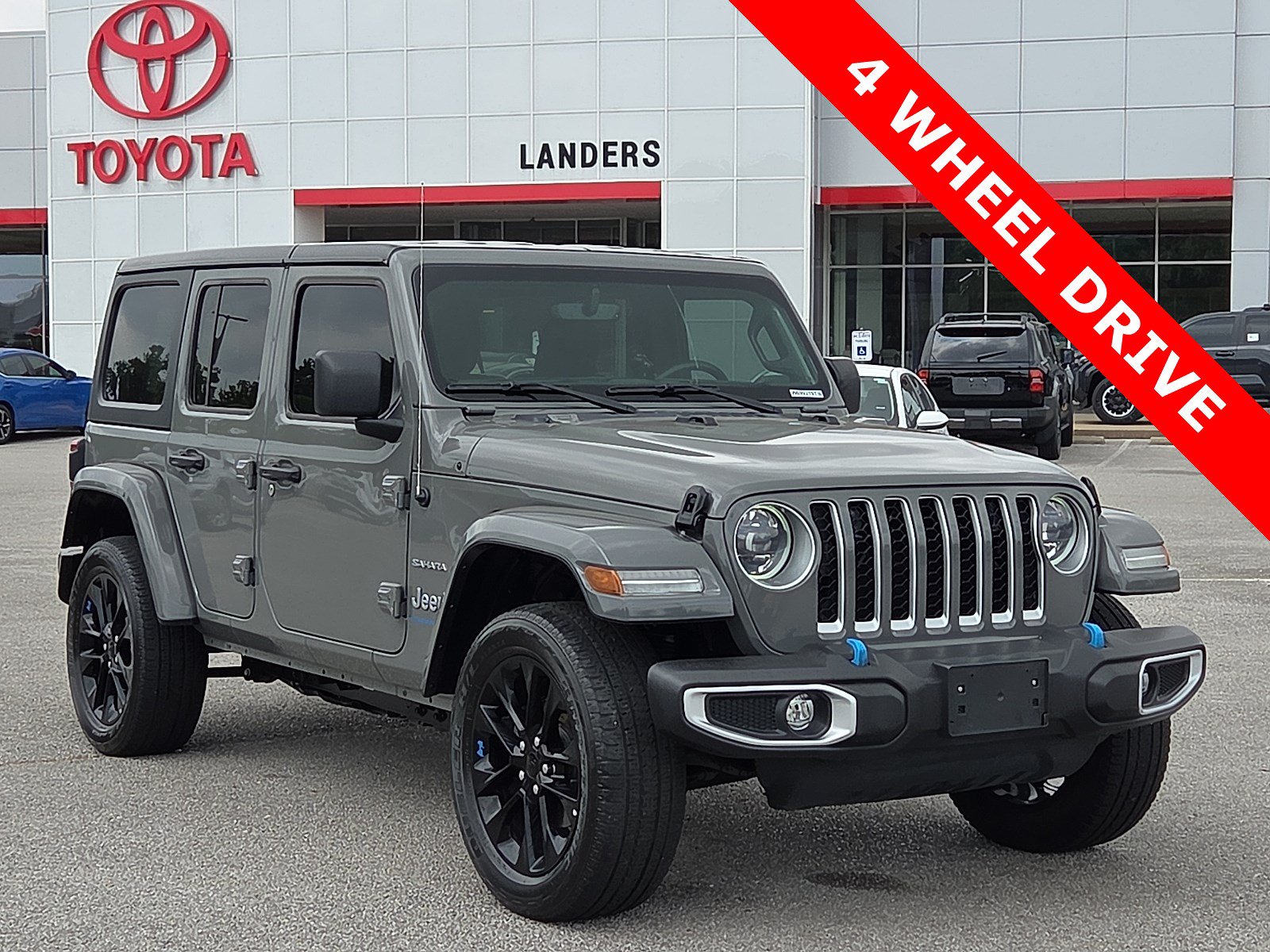
- Stellantis is pushing Jeep toward electric vehicles, like the Jeep Wrangler 4xe.
Let’s compare Jeep models before and after the Stellantis merger:
| Model | Year Introduced | Fuel Type | Main Feature |
|---|---|---|---|
| Jeep Cherokee | 1974 | Gasoline | Family SUV |
| Jeep Grand Cherokee | 1992 | Gasoline | Luxury SUV |
| Jeep Wrangler 4xe | 2021 | Plug-in Hybrid | Electric Off-road |
Ownership brings both risk and opportunity. Stellantis invests in technology, safety, and global expansion. But big groups sometimes face slow decision-making or quality problems. For Jeep, being part of Stellantis means more resources and access to new markets.
Non-obvious Insights About Jeep’s Ownership
- Brand Independence: Although Jeep is owned by Stellantis, it operates with a high degree of independence. Stellantis allows Jeep to keep its unique style and marketing. This is rare among car groups, where brands often lose their identity.
- Global Strategy: Jeep’s production now includes factories in China, India, and Brazil. Stellantis uses Jeep’s name to attract buyers in new regions, adapting designs for local needs.
- Electric Future: Stellantis is investing billions in electric vehicles. Jeep will launch several fully electric SUVs by 2025, aiming to become a leader in green off-road cars.
Jeep’s Role In The Stellantis Group
Jeep is not just a brand; it is a symbol of adventure and freedom. Within Stellantis, Jeep is the main driver for SUV sales, especially in North America. Stellantis relies on Jeep to compete with rivals like Ford (maker of the Bronco) and Toyota (maker of the Land Cruiser).
Here’s a comparison of SUV sales in the United States (2023):
| Brand | US SUV Sales | Main Model |
|---|---|---|
| Jeep | Over 750,000 | Wrangler, Grand Cherokee |
| Ford | Over 800,000 | Explorer, Bronco |
| Toyota | Over 700,000 | RAV4, Highlander |
Jeep’s performance is key to Stellantis’s profits and market position.