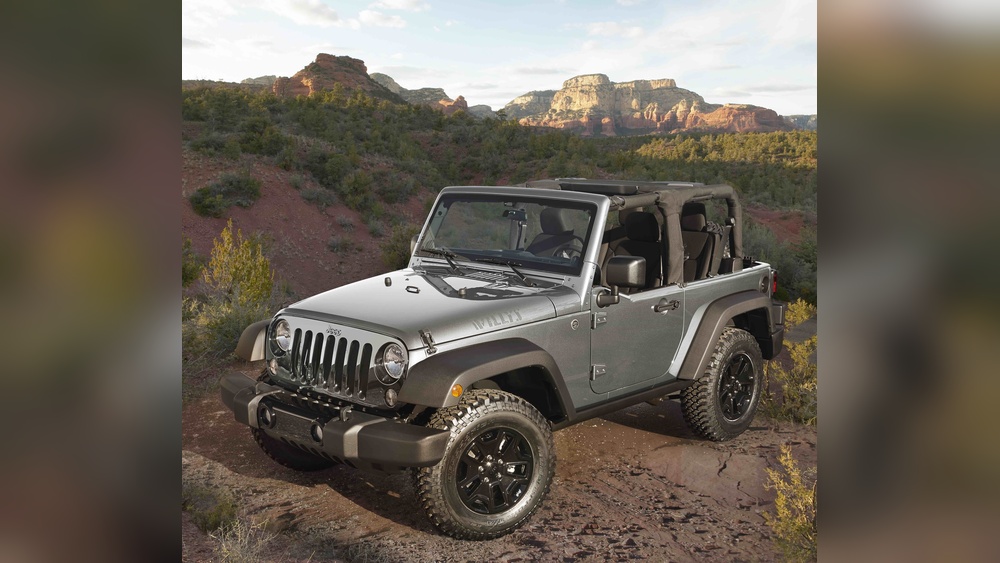
Many people in the Philippines use the word “jeep” almost every day. But what exactly is a jeep in the Philippines?
To visitors, the term may sound like the American vehicle brand. In the Philippines, however, a “jeep” usually means something very different—one of the most iconic forms of public transportation in the country.
Let’s explore why this vehicle is so special, how it started, and how it shapes life in the Philippines.
The Origin Of Jeep In The Philippines
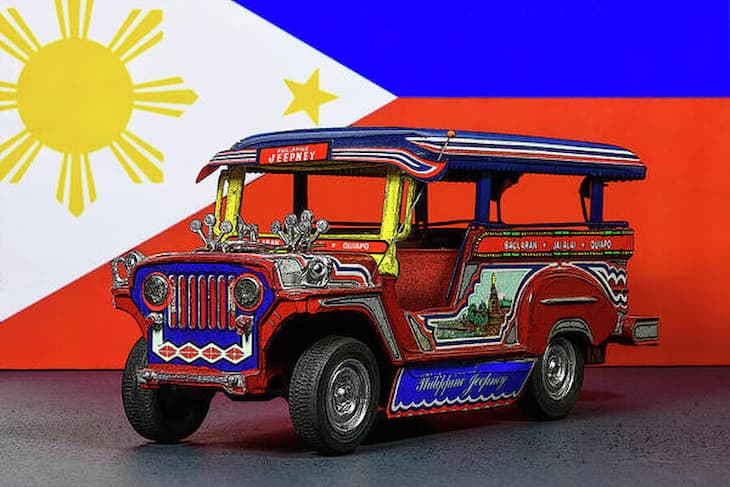
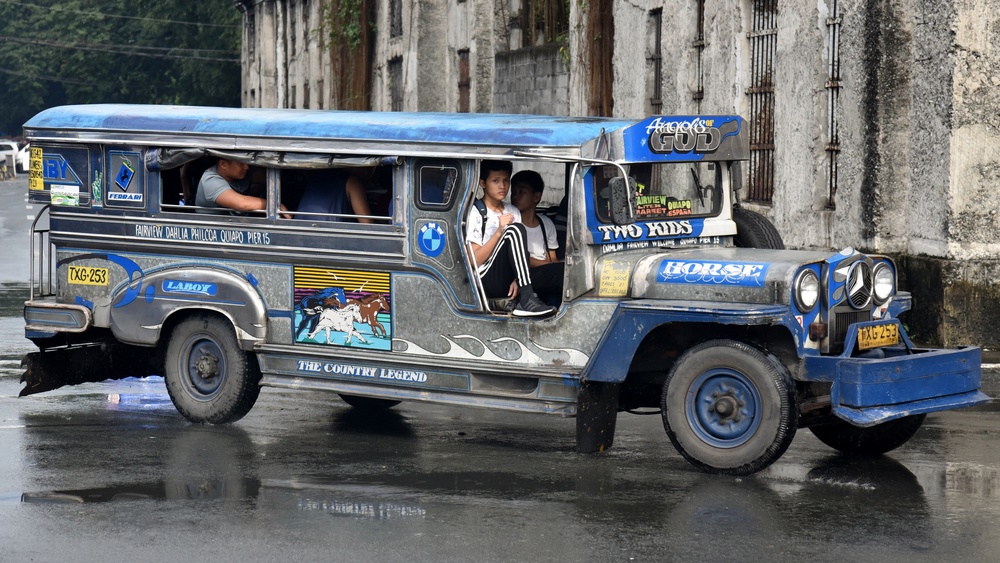
The Philippine jeepney has a unique history. After World War II, the US military left thousands of surplus jeeps in the country. Filipinos, known for being resourceful, took these vehicles, extended their bodies, added roofs, and decorated them with bright colors and designs. These new vehicles could carry more people and became the first jeepneys.
At first, jeepneys were just a cheap way to get around. Over time, they became a symbol of Filipino creativity and adaptability. Today, jeepneys are still built using old jeep parts, but many are now made from scratch in small workshops.
What Makes A Jeepney Unique?
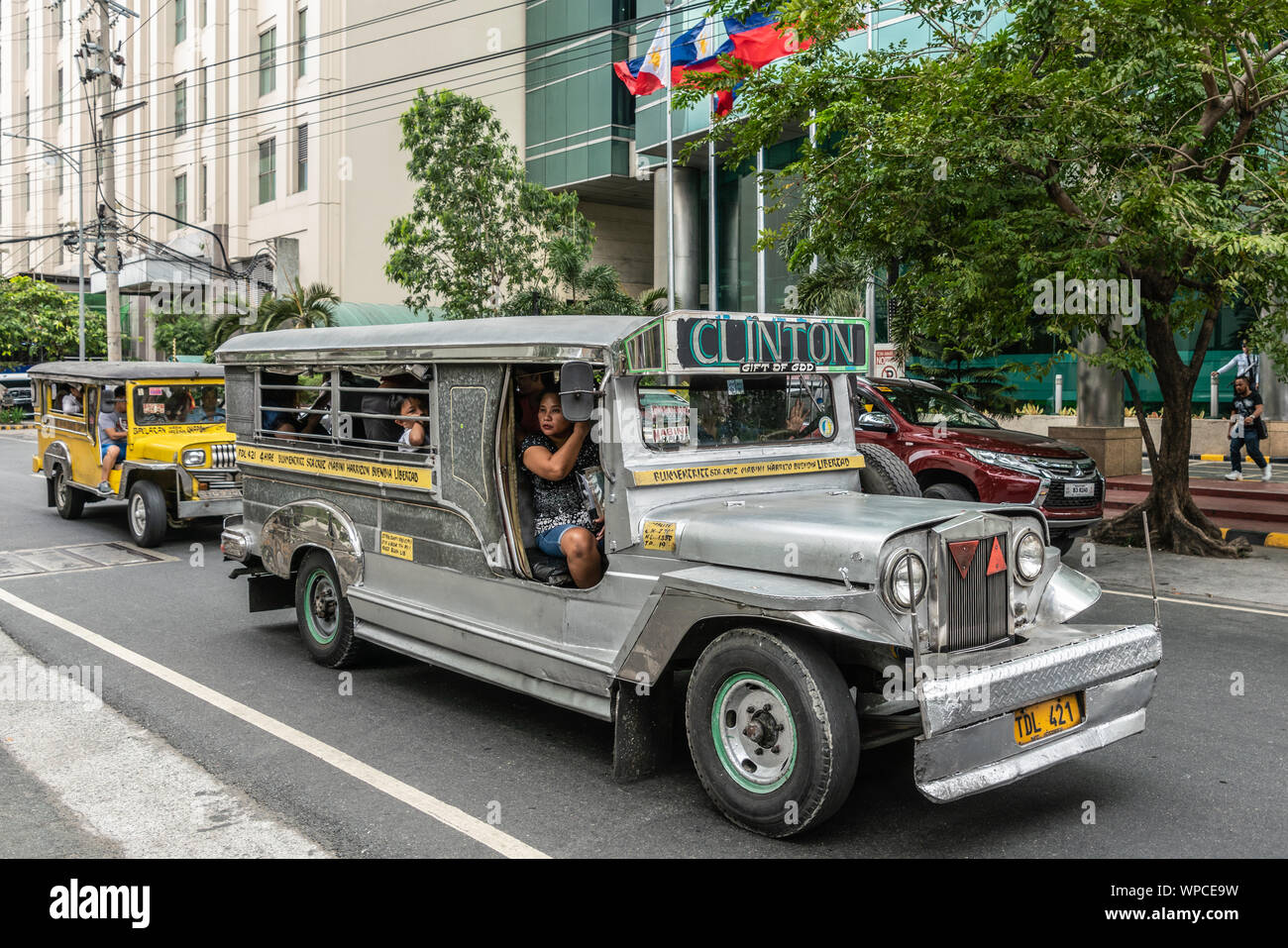
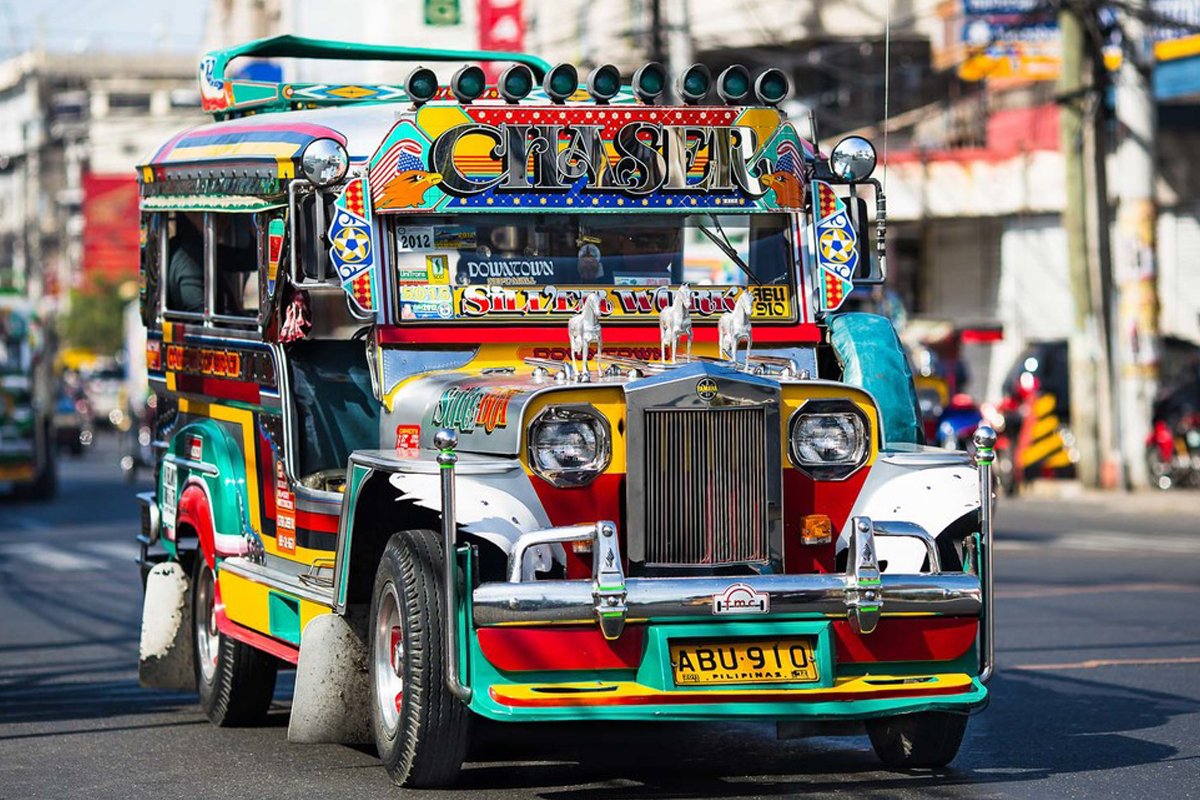
Jeepneys are easy to spot. They have long, open benches along the sides and a roof that protects passengers from the sun or rain. The front often features a loud, powerful engine, while the exterior is covered with colorful art, religious symbols, and even pop culture images.
A typical jeepney can carry 14 to 20 passengers. The driver usually sits at the front, sometimes with a conductor who collects fares. Passengers pass their money forward to the driver or conductor, creating a sense of community.
Here’s a quick comparison of a traditional jeepney and a modern jeepney:
| Feature | Traditional Jeepney | Modern Jeepney |
|---|---|---|
| Engine Type | Diesel, often secondhand | Euro 4 or electric |
| Capacity | 14–20 passengers | 20–30 passengers |
| Design | Hand-painted, custom art | Standardized, less artwork |
| Emission Standard | Old, high emissions | Low emissions |
How Jeepneys Are Used
Jeepneys follow set routes, which are marked on their sides or windshields. Common routes connect residential areas to key city locations like markets, schools, and offices. People wave down a jeepney from the street, climb in, and tell the driver where they want to get off.
Fares are usually very low. As of 2024, the minimum fare is around ₱13.00 (about $0.23 USD) for the first 4 kilometers, with a small additional charge per kilometer after that.
A typical jeepney ride looks like this:
- Flag down a jeepney with the right route.
- Climb in at the back.
- Sit on the bench, pass your fare forward.
- Tell the driver when you want to stop (“Para po!”).
- Exit from the rear.
Jeepneys And Filipino Culture
Jeepneys are more than just vehicles. They are a daily part of life and a symbol of Filipino identity. Many jeepneys are decorated with family names, saints, cartoon characters, and even patriotic themes.
Riding a jeepney is often a shared experience. Passengers help each other pass fares and sometimes chat about the day.
In busy cities like Manila, riding a jeepney is a common way to meet all kinds of people.
The Push For Modernization
For many years, traditional jeepneys have been criticized for being polluting and unsafe. The government started the Jeepney Modernization Program to replace old jeepneys with cleaner, safer, and more comfortable versions. These modern jeepneys have features like air conditioning, CCTV cameras, and even Wi-Fi.
However, modernization is a big challenge. Many drivers worry about the cost of new vehicles and the loss of tradition.
Still, cities are slowly adding more modern jeepneys to their fleets.
Here’s a look at how modern and traditional jeepneys compare in key areas:
| Aspect | Traditional Jeepney | Modern Jeepney |
|---|---|---|
| Cost to Driver | Lower (₱200,000–₱400,000) | Higher (₱1.2M–₱2.5M) |
| Accessibility | High steps, not wheelchair-friendly | Lower steps, wheelchair access |
| Passenger Comfort | Basic, no A/C | Air conditioning, more space |
Why Jeepneys Still Matter
Even with challenges, jeepneys remain a lifeline for millions of Filipinos. They are often the cheapest way to get around and connect people to jobs, education, and family. For visitors, riding a jeepney is a way to experience local life and see the creativity of Filipino drivers and artists.
Two insights that newcomers often miss:
- Routes are not always simple. Jeepney routes may change over time or overlap, making navigation tricky for new riders. Asking locals is often the best way to find the right jeepney.
- Paying fare is a social act. Passing money forward is not just about payment; it’s a sign of trust and cooperation among strangers.
Jeepneys In The Future
The future of jeepneys is a big topic in the Philippines. Some people want to keep the traditional style alive, while others push for safer and greener transport.
Electric jeepneys are already running in some cities, but the shift is slow.
Experts believe that a mix of tradition and innovation is possible. Keeping the spirit of the jeepney, while improving its technology, could help the Philippines keep this unique part of its culture for years to come.
Frequently Asked Questions