If you own a Jeep Patriot or are planning to buy a used one, you might wonder how many miles is considered “high mileage” for this vehicle. The answer can help you decide if a Patriot is still a smart buy or if it’s close to the end of its life.
Let’s break down what high mileage really means for the Jeep Patriot, what to expect as the miles add up, and how you can get the most life out of this popular SUV.
What Counts As High Mileage For A Jeep Patriot?
High mileage is a bit different for every car, but for the Jeep Patriot, it usually means anything over 100,000 miles. Many owners report their Patriots running well at 120,000 to 150,000 miles, while others start seeing big repairs after 100,000. Still, some make it past 200,000 miles with good care.
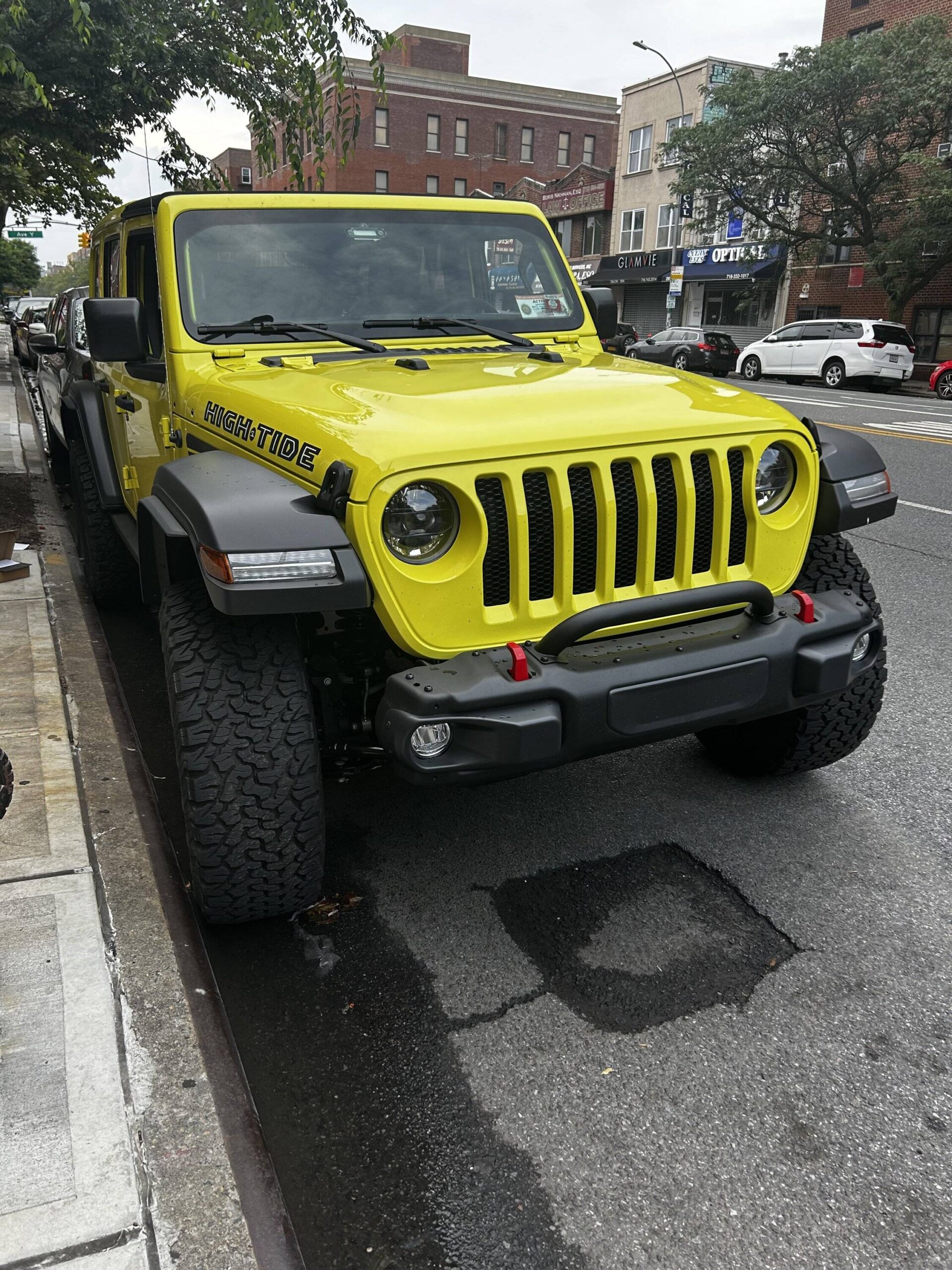
Why is there such a range? It depends on how the Jeep was driven, maintained, and the driving conditions it faced. For the Patriot, these mile markers are a good guide:
| Mileage | Condition | Typical Issues |
|---|---|---|
| Under 60,000 | Low mileage | Few problems |
| 60,000–100,000 | Average mileage | Minor repairs, wear and tear |
| 100,000–150,000 | High mileage | Major components may need replacement |
| 150,000+ | Very high mileage | Frequent repairs, risk of breakdowns |
So, 100,000 miles is often seen as the start of “high mileage” for a Jeep Patriot. But with good maintenance, some go much further.
Typical Lifespan Of A Jeep Patriot
Most Jeep Patriots last between 120,000 and 200,000 miles. This can mean about 8 to 15 years of driving, depending on how much you use it each year. Some owners have even reported reaching over 220,000 miles, but this is less common.
Driving habits make a difference. City driving with lots of stops and starts wears out parts faster than steady highway driving.
Regular service, like oil changes and fluid checks, also helps a Patriot last longer.

Common High Mileage Issues
After a Jeep Patriot passes the 100,000-mile mark, certain problems are more likely to appear. Here are some of the most common ones:
- Transmission troubles: Some Patriots use a CVT (continuously variable transmission), which can be less reliable as miles climb. Replacing or repairing a CVT can be expensive.
- Suspension wear: Parts like ball joints, control arms, and bushings may start to fail, leading to noises or rough rides.
- Engine oil leaks: Older Patriots can develop leaks from seals or gaskets.
- Electrical issues: Sensors, switches, and the alternator may fail after years of use.
- Rust: Road salt and moisture can cause rust, especially in northern states.
It’s also common to see worn-out brakes, exhaust problems, or air conditioning issues as the vehicle ages.
How Jeep Patriot Compares To Similar Suvs
When deciding if high mileage is a concern, it helps to compare the Patriot with other compact SUVs. Here’s a quick look at typical lifespans:
| Model | Average Lifespan (Miles) | Known Weak Spots |
|---|---|---|
| Jeep Patriot | 120,000–200,000 | Transmission, suspension |
| Honda CR-V | 200,000–300,000 | AC, rear differential |
| Ford Escape | 150,000–200,000 | Transmission, ignition coils |
| Toyota RAV4 | 200,000–250,000 | Water pump, suspension |
The Patriot’s lifespan is a bit shorter than some rivals, especially Honda and Toyota, which are known for reliability. However, the Patriot often costs less to buy used.

Factors That Affect Jeep Patriot Longevity
The number of miles is important, but other factors matter too. Here are some things that can affect how long a Jeep Patriot lasts:
- Maintenance history: Regular oil changes, fluid flushes, and timely repairs make a big difference.
- Driving environment: Cars in dry, mild climates usually last longer than those in areas with lots of snow and road salt.
- Previous accidents: A history of crashes or flood damage can shorten the life of any car.
- Driving style: Aggressive driving wears out parts faster. Gentle highway driving is easier on the vehicle.
One non-obvious tip: Pay attention to service records when buying a high-mileage Jeep Patriot. A well-documented maintenance history often means fewer surprises.
Tips For Buying Or Owning A High Mileage Jeep Patriot
If you’re thinking about buying a Patriot with over 100,000 miles, or already own one, these tips can help you avoid problems and get more miles:
- Get a pre-purchase inspection: Have a trusted mechanic check for hidden issues before buying.
- Check the transmission: Listen for odd noises or slipping gears, especially with CVT models.
- Review service records: Make sure regular maintenance was done.
- Look for rust: Inspect the underside, wheel wells, and doors.
- Budget for repairs: High-mileage vehicles often need new brakes, tires, or suspension parts.
- Follow a strict maintenance schedule: Regular oil changes, coolant flushes, and brake service help prevent bigger problems.
- Drive gently: Avoid hard acceleration and heavy towing, especially as the vehicle ages.
An extra insight: Many owners overlook replacing the timing belt or chain on schedule. This is a critical part and can cause engine failure if ignored.