If you’re looking at Jeep SUVs, it’s easy to wonder: Is the Jeep Compass bigger or is the Cherokee larger? Many shoppers confuse these two popular models because they look similar and share some features.
But size matters when you want more space, comfort, or capability. This article will help you understand the differences, using real numbers, clear comparisons, and practical advice.
Jeep Compass Vs Cherokee: Size Breakdown
Both the Jeep Compass and Jeep Cherokee are compact SUVs, but their size sets them apart. Let’s start with the most important measurements: exterior dimensions.
| Model | Length (inches) | Width (inches) | Height (inches) | Wheelbase (inches) |
|---|---|---|---|---|
| Jeep Compass | 173 | 73.8 | 64.8 | 103.8 |
| Jeep Cherokee | 182 | 73.2 | 66.2 | 106.6 |
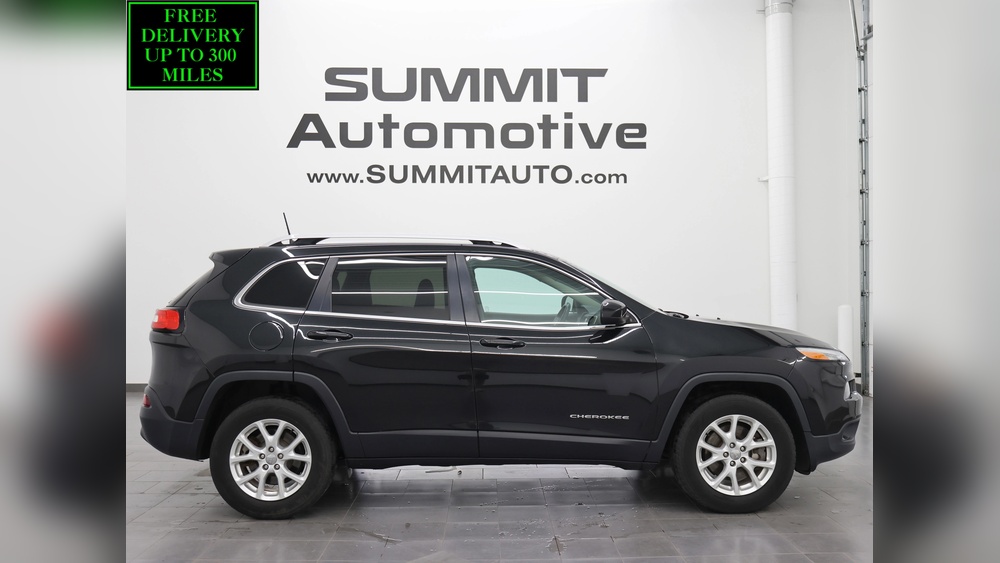
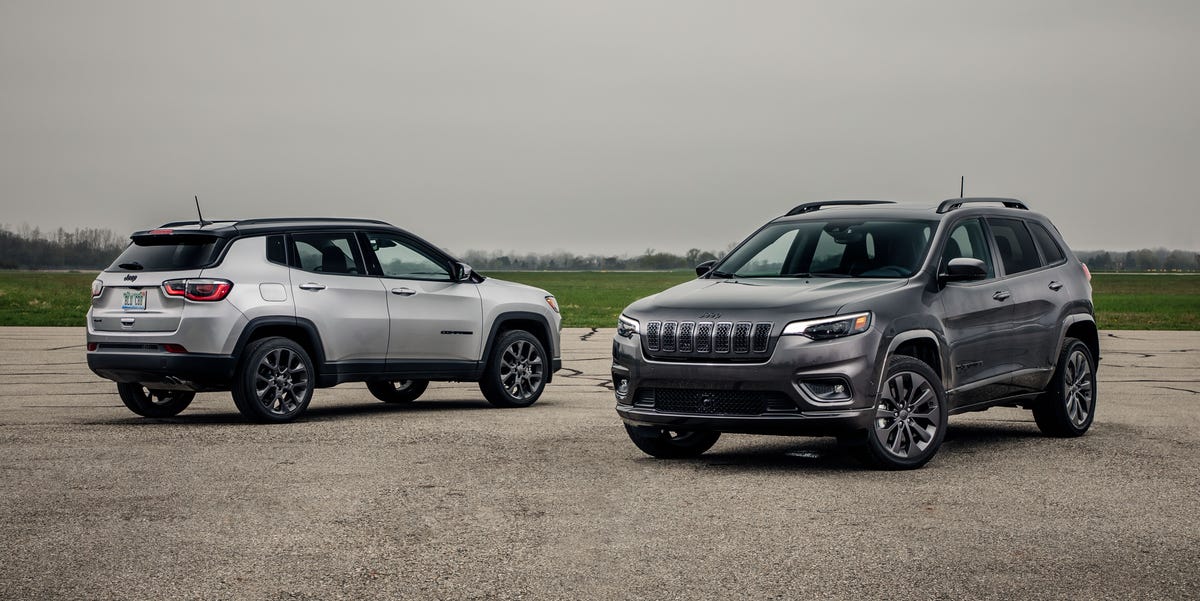
Cherokee is bigger in almost every way. It’s longer by nearly 9 inches, taller, and has a longer wheelbase. Even though Compass is slightly wider, that difference is so small you won’t notice.
Interior Space And Comfort
Exterior size tells only part of the story. You want to know which SUV feels roomier inside.
Let’s compare interior space for passengers and cargo.
| Model | Passenger Volume (cu ft) | Cargo Volume (cu ft, behind rear seats) | Cargo Volume (cu ft, max) |
|---|---|---|---|
| Jeep Compass | 99.6 | 27.2 | 59.8 |
| Jeep Cherokee | 104 | 25.8 | 54.7 |
The Cherokee offers more passenger space, so adults will feel less cramped. But surprisingly, the Compass has more cargo room with the seats folded down. This is a detail many buyers overlook.

Practical Differences: Which Feels Bigger?
It’s easy to focus on numbers, but size affects how you use the car. Here’s what you should know:
- Parking and Maneuvering: The Compass is easier to park, thanks to its shorter length.
- Rear Seat Comfort: The Cherokee’s taller roof and longer wheelbase give passengers more headroom and legroom.
- Cargo Flexibility: If you often carry large items, the Compass’s bigger maximum cargo space may be useful.
- Family Use: For families with growing kids, the Cherokee’s larger cabin is more comfortable for longer trips.
Many buyers miss the fact that the Compass’s cargo area is slightly deeper, which helps with bulky groceries or sports gear.
Driving Experience: Size Impacts Handling
Bigger vehicles often feel heavier. The Cherokee’s larger size and weight mean it’s more stable at high speeds, but the Compass feels lighter and easier to handle in city traffic.
If you drive in tight spaces or crowded areas, the Compass is less stressful.
Another point: turning radius. The Compass has a slightly tighter turning circle, making U-turns and parking simpler. But the Cherokee’s extra length helps it ride smoother over bumps, especially on highways.
Which Is Right For You?
Choosing between the Compass and Cherokee depends on your needs. Ask yourself:
- Do you need more passenger space? Pick the Cherokee.
- Want easier parking and city driving? Go with Compass.
- Carry large cargo often? Compass’s rear space is helpful.
- Drive long distances with family? Cherokee’s comfort shines.
For most buyers, the Cherokee is the bigger, more comfortable SUV. But the Compass surprises with its cargo space and agility.
Expert Comparison: What Most Reviews Don’t Mention
Most car reviews focus on looks and features, but overlook how small size differences change daily life. For example:
- The Cherokee’s taller ride height gives you a better view of the road.
- The Compass’s lower roof makes loading bikes or boxes easier.
- With the Cherokee, rear passengers get more knee room, which matters on long trips.
Here’s another insight: The Compass and Cherokee both fit into standard garage spaces, but the Cherokee’s extra length can make tight garages a challenge. Always measure your home parking before buying.
Real-world Example
Imagine two families: One lives in a busy city, the other in the suburbs. The city family chooses the Compass for easy street parking, while the suburban family picks the Cherokee for road trips and comfort. Both made the right choice for their daily needs.
Price And Value: Does Size Affect Cost?
Usually, the bigger SUV costs more. The Cherokee’s starting price is higher, but you get extra space and features.
The Compass is more affordable, making it attractive to first-time SUV buyers.
If you want more details, check the official Jeep website for up-to-date pricing and specs: Jeep Cherokee Official Site.
Frequently Asked Questions
Is The Jeep Cherokee Bigger Than The Compass?
Yes, the Jeep Cherokee is bigger in length, height, and passenger space. It’s designed to offer more comfort and room for families.
Does The Compass Have More Cargo Space Than The Cherokee?
With seats folded, the Jeep Compass has slightly more maximum cargo space. But with all seats up, the difference is small.
Which Jeep Is Easier To Park?
The Jeep Compass is easier to park because it’s shorter and has a tighter turning circle. It’s better for city driving and small parking spots.
Are Both Suvs Good For Families?
Both are good, but the Cherokee offers more passenger room and comfort. For families with older kids or frequent road trips, it’s a better choice.
Do The Compass And Cherokee Have The Same Features?
They share many features, like safety tech and infotainment. But the Cherokee usually has more advanced options and higher-end trims.
Finding the right SUV depends on your lifestyle. The Compass is agile and affordable, while the Cherokee is bigger and more comfortable.
Knowing these size differences can help you make a smart choice.