A stock Jeep is a term that comes up often in car forums and off-road communities. But what does it really mean?
If you’re new to Jeeps or thinking about buying one, understanding “stock” is important. This article explains what a stock Jeep is, how it compares to modified Jeeps, and why it matters for driving, maintenance, and resale value.
Let’s dive in and clear up the confusion, so you know exactly what you’re getting with a stock Jeep.

What Does “stock Jeep” Mean?
A stock Jeep is a Jeep vehicle that remains in its original, factory condition. This means all parts, features, and settings are just as they were when the Jeep left the manufacturer. No aftermarket modifications, upgrades, or changes have been made. You get exactly what the makers intended, with no extras added or parts swapped.
This matters because Jeeps are some of the most commonly modified vehicles. Owners often change tires, suspension, bumpers, or add lights and winches.
A stock Jeep, however, has none of these changes. It keeps factory specs for performance, safety, and reliability.
Factory Features Of A Stock Jeep
Stock Jeeps come with features decided by the manufacturer. These include:
- Standard tires and wheels: Usually all-terrain, but not oversized.
- Original suspension: No lift kits or extra shocks.
- Factory bumpers: No steel bumpers or winches.
- Stock engine and exhaust: No turbochargers, cold air intakes, or loud exhausts.
- Interior and electronics: Standard seats, infotainment system, and wiring.
Here’s a comparison of typical stock vs modified Jeep features:
| Feature | Stock Jeep | Modified Jeep |
|---|---|---|
| Tires | All-terrain, factory size | Oversized, mud-terrain |
| Suspension | Factory height | Lifted (2-4 inches+) |
| Bumpers | Plastic, factory style | Steel, aftermarket |
| Engine | Standard output | Performance upgrades |
Stock Jeeps are built to meet safety and emission standards. Modified Jeeps may lose some of these guarantees, which can affect insurance or legal requirements.

Why Do People Keep Jeeps Stock?
Not every Jeep owner wants heavy modifications. There are good reasons to keep a Jeep stock:
- Reliability: Factory parts are tested for durability. Changes can cause problems or extra maintenance.
- Warranty protection: Most Jeep warranties cover stock vehicles. Aftermarket parts can void coverage.
- Resale value: Stock Jeeps are easier to sell and often get higher prices. Buyers trust factory condition.
- Cost: Modifying a Jeep can be expensive. Keeping it stock saves money.
Here’s some data: According to the National Automobile Dealers Association, stock vehicles lose value slower than heavily modified ones. For example, a stock Jeep Wrangler keeps about 70% of its value after three years, while a modified one may keep only 50-60%.
Stock Jeep Performance And Limitations
A stock Jeep can handle many types of roads and light off-roading. Jeep engineers design them for versatility, but they aren’t ready for extreme trails. Here’s a quick look:
| Driving Condition | Stock Jeep | Modified Jeep |
|---|---|---|
| City streets | Excellent | Good |
| Highway | Excellent | Varies |
| Light off-road | Good | Excellent |
| Rock crawling | Poor | Excellent |
| Mud/deep snow | Fair | Excellent |
A stock Jeep is ideal for daily driving, road trips, and moderate outdoor adventures. But for deep mud, rocks, or steep hills, many drivers upgrade tires, suspension, and body armor.
Common Misunderstandings About Stock Jeeps
Many beginners think stock Jeeps are boring or weak. This isn’t true.
Stock Jeeps still have strong off-road capabilities compared to most cars. For example, a stock Jeep Wrangler can ford water up to 19 inches deep and climb steep slopes.
It’s built for adventure, even without upgrades.
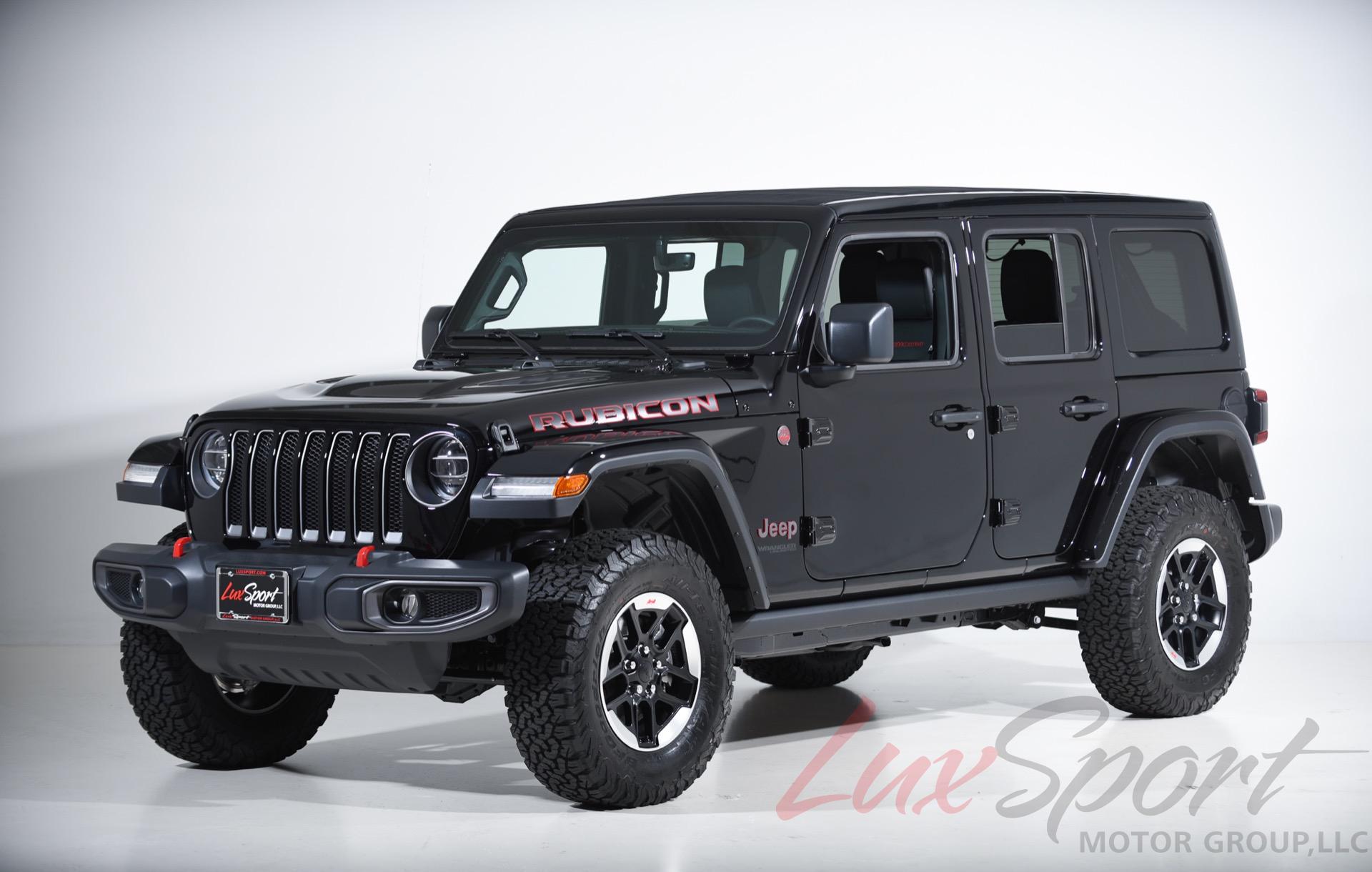
Another insight: Some people believe a stock Jeep is “not ready” for trails. Actually, Jeep models like the Rubicon are designed for tough conditions straight from the factory. Always check the model and trim—some stock Jeeps have advanced features.
Should You Buy A Stock Jeep?
If you want a Jeep for daily driving, road trips, or light outdoor activities, a stock Jeep is a smart choice. It’s reliable, safe, and holds its value well.
If you plan to join off-road clubs or tackle extreme terrain, you might need modifications later.
But starting with a stock Jeep gives you a clean slate.
When buying, check the vehicle history to be sure it’s truly stock. Some sellers may call a Jeep “stock” even if minor changes were made.
Look for original tires, bumpers, and underbody parts. Ask for maintenance records if possible.
Stock Jeep Models And Examples
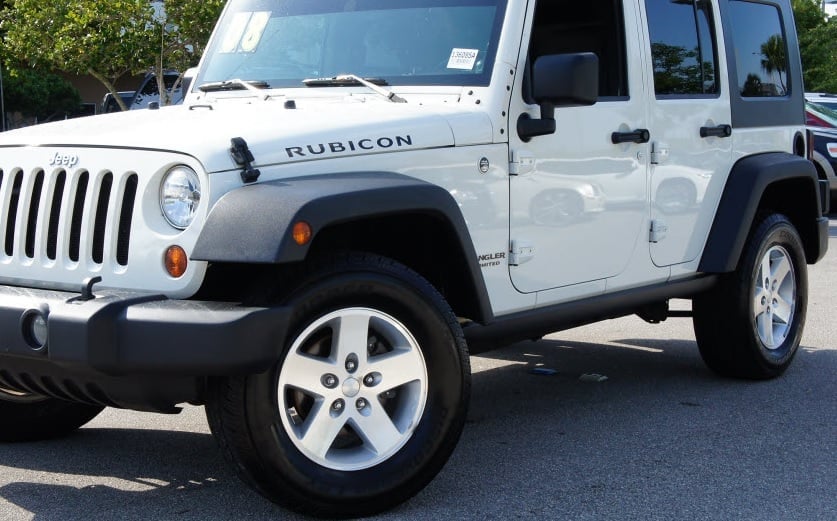
Some Jeep models are more popular in stock form. The Jeep Wrangler, Jeep Cherokee, and Jeep Grand Cherokee are common choices. The Wrangler, especially, is famous for its versatility and strong factory build.
Data from Jeep’s official website shows that over 60% of buyers keep their new Jeeps stock for at least the first year. This suggests most owners value factory reliability and style.
If you want more details about Jeep models and specs, check the official Jeep site: Jeep Official Website.
Frequently Asked Questions
What Is The Main Difference Between A Stock And Modified Jeep?
A stock Jeep has only factory parts and settings, while a modified Jeep has aftermarket upgrades like bigger tires, lifted suspension, or custom bumpers.
Can I Take A Stock Jeep Off-road?
Yes. Most stock Jeeps are designed for light to moderate off-roading. For extreme trails, you may need upgrades.
Does Modifying A Jeep Void The Warranty?
Usually, yes. Many modifications especially to the engine or suspension can void the manufacturer’s warranty.
Are Stock Jeeps Cheaper To Maintain?
Yes. Stock Jeeps use standard parts and are easier for mechanics to work on. Modified Jeeps may need special maintenance.
Is It Easy To Convert A Stock Jeep Into A Modified Jeep?
It depends on the model and your budget. Wranglers are the easiest, but upgrades can be costly and time-consuming.
A stock Jeep offers reliability, strong performance, and value. For most drivers, it’s a smart place to start. If you want to personalize your ride later, you’ll have a solid foundation. Whether you keep it stock or go wild with mods, knowing the basics helps you make better choices and enjoy your Jeep to the fullest.



















