What Is A 4×8 Jeep
If you’re curious about off-road vehicles, you may have heard the term “4×8 Jeep.” This phrase sounds technical, but it has a specific meaning in the world of Jeeps and four-wheel drive vehicles.
Understanding what a 4×8 Jeep is can help you choose the right vehicle for your adventures, repairs, or even custom builds. In this guide, you'll learn exactly what a 4×8 Jeep is, how it compares to other vehicles, and what makes it unique.
What Does “4×8” Mean?
The “4×8” in 4×8 Jeep describes the drivetrain and the number of wheels. The first number, “4,” means the vehicle has four powered wheels. The “8” refers to the total number of wheels on the vehicle. So, a 4×8 Jeep is a Jeep with eight wheels, but only four of them are powered by the engine.
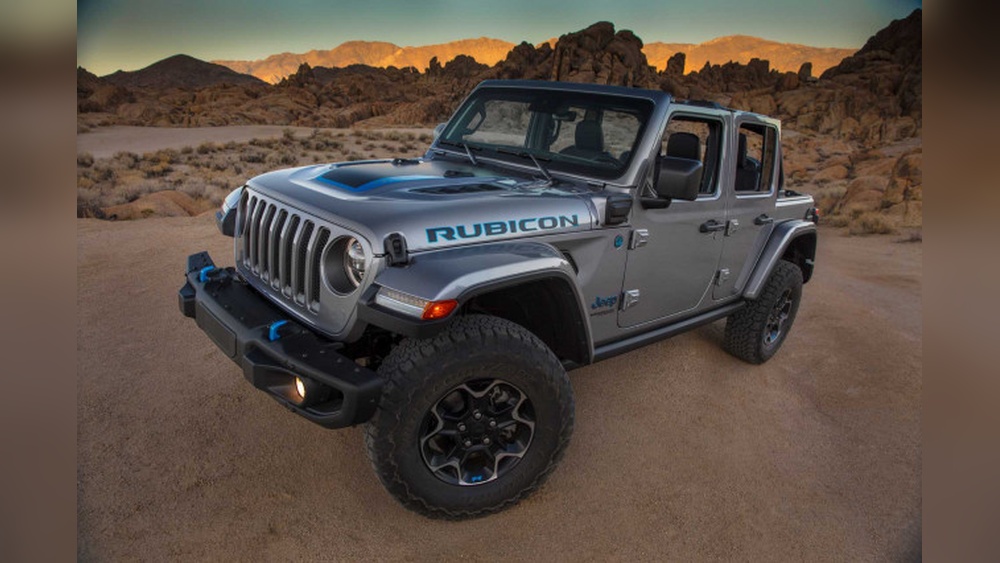
This setup is rare. Most Jeeps are 4×4 (four powered wheels, four total wheels).
The 4×8 configuration is usually found in specialized vehicles, often for military or off-road use, where extra wheels help carry heavy loads or travel over soft ground.
The 8 Key Features Of A 4×8 Jeep
To fully understand a 4×8 Jeep, let’s break down its eight main features. Each feature plays a key role in how the vehicle works and performs.
1. Eight-wheel Chassis
A true 4×8 Jeep uses an eight-wheel chassis. This means the body is specially designed to support eight wheels—four on each side. This provides better weight distribution, making it easier to carry heavy cargo or people.
2. Four-wheel Drive System
Despite having eight wheels, only four wheels receive power from the engine. The other four wheels turn freely, helping with stability but not with propulsion. This makes the vehicle more efficient than powering all eight wheels, but still offers better traction than a standard two-wheel drive.
3. Enhanced Load Capacity
A major advantage of this setup is increased load capacity. More wheels spread the vehicle’s weight, so a 4×8 Jeep can safely carry much heavier loads than a standard Jeep. This is especially useful for carrying equipment, supplies, or passengers in tough conditions.
4. Improved Off-road Performance
The extra wheels also help with off-road performance. A 4×8 Jeep can move more easily over mud, sand, or snow because the weight is spread out. This lowers the risk of getting stuck, a common problem for traditional 4×4 Jeeps.
5. Custom Suspension System
To handle the extra wheels, 4×8 Jeeps use a custom suspension system. This system is built to keep all eight wheels in contact with the ground, even on uneven terrain. This gives a smoother ride and helps protect the vehicle from damage.
6. Longer Wheelbase
A 4×8 Jeep has a longer wheelbase than most standard Jeeps. This extra length gives the vehicle more stability at high speeds and makes it less likely to tip over on sharp turns or steep hills. However, it also makes the Jeep harder to maneuver in tight spaces.
7. Special Tire Configuration
The tires on a 4×8 Jeep are often matched in size and type to handle the extra weight. Special tire configurations—such as low-pressure tires—help the vehicle travel over soft or unstable surfaces without sinking.
8. Limited Production And Use
Most 4×8 Jeeps are custom builds or military vehicles. You won’t see them at regular car dealerships. Some were built for the military during World War II and later adapted for logging, rescue, or exploration. Today, only a few companies or enthusiasts create these vehicles for special purposes.
Comparing 4×8 Jeeps To Other Drivetrain Setups
Understanding how a 4×8 Jeep compares to other vehicles helps you see its strengths and weaknesses.
| Configuration | Wheels Powered | Total Wheels | Main Use |
|---|---|---|---|
| 4×4 | 4 | 4 | Everyday off-road |
| 6×6 | 6 | 6 | Heavy-duty, military |
| 4×8 | 4 | 8 | Specialized, heavy load |
Compared to 4×4 and 6×6 setups, the 4×8 balances load capacity and off-road ability without the complexity or cost of powering all eight wheels.
Real-world Examples Of 4×8 Jeeps
You won’t find many factory-made 4×8 Jeeps, but some notable examples exist:
- GPA Jeep “Seep”: An amphibious Jeep with extra wheels for water and mud in WWII.
- Custom Expedition Vehicles: Some explorers modify Jeeps with extra axles to cross deserts or snowfields.
- Rescue Vehicles: In remote areas, rescue teams may use 4×8 Jeeps to carry gear and people over rough terrain.
These examples show that the 4×8 Jeep is not just a fantasy it’s a tool for extreme environments.
Advantages And Disadvantages
A 4×8 Jeep comes with unique benefits and some trade-offs.
Advantages
- High load capacity: Carry more weight safely.
- Better traction: More wheels mean less chance of getting stuck.
- Stable ride: Longer wheelbase is safer at speed.
Disadvantages
- Harder to maneuver: Larger size limits use in cities or tight trails.
- Costly to build and maintain: More wheels and custom parts mean higher expenses.
- Rare: Hard to buy, find parts, or repair.
When Would You Need A 4×8 Jeep?
These vehicles are best for:
- Expeditions: Crossing deserts, ice, or deep mud.
- Heavy transport: Moving supplies in remote areas.
- Military or rescue: Where standard Jeeps can’t handle the load or terrain.
For most people, a 4×4 is enough. But if you need to carry heavy loads where roads don’t exist, a 4×8 Jeep could be the right solution.
Common Myths About 4×8 Jeeps
Some believe more wheels always mean better off-road power. In truth, not all eight wheels are powered, so drivetrain design is more important than wheel count. Also, a 4×8 Jeep isn’t just a stretched Jeep—it requires new engineering for the chassis and suspension.
Another myth is that 4×8 Jeeps are only for the military. While many started in the military, custom builders and explorers use them too.
Cost And Availability
If you want a 4×8 Jeep, expect to pay much more than for a standard Jeep. Building one often means custom work, specialized parts, and expert mechanics. Most buyers start with a used Jeep and work with a custom fabrication shop.
For more details on Jeep history and models, you can check the official Jeep Wikipedia page.
Comparison: 4×4 Vs 4×8 Jeep
To help decide which is right for you, here’s a side-by-side look:
| Feature | 4×4 Jeep | 4×8 Jeep |
|---|---|---|
| Load Capacity | Medium | Very High |
| Off-Road Ability | Good | Excellent (heavy loads) |
| Cost | Affordable | Expensive |
| Turning Radius | Tight | Wide |
Frequently Asked Questions
What Is The Main Use Of A 4×8 Jeep?
A 4×8 Jeep is mainly used for carrying heavy loads over rough terrain where standard vehicles would struggle.
Are 4×8 Jeeps Street Legal?
Most 4×8 Jeeps are not street legal due to their size and custom design. Always check local laws before using one on public roads.
Can I Buy A 4×8 Jeep From A Dealership?
You cannot buy a true 4×8 Jeep from a dealership. They are usually custom-built or made for special purposes.
How Much Does It Cost To Build A 4×8 Jeep?
Building a 4×8 Jeep can cost tens of thousands of dollars due to custom parts, labor, and engineering.
Is A 4×8 Jeep Better Than A 4×4 For Off-roading?
A 4×8 Jeep is better for heavy loads and extreme terrain, but a 4×4 is easier to handle and more practical for most off-road driving.
A 4×8 Jeep is a rare machine, designed for special jobs where no standard Jeep can go. It’s a unique part of off-road history and engineering.
If you ever see one in action, you’ll know you’re looking at a true off-road legend.



















