If you own or want to buy a 1991 Jeep Wrangler, you probably wonder what it’s actually worth today. The answer is not simple.
Values change based on condition, mileage, location, and the market’s taste for classic off-road vehicles. Some Wranglers sell for just a few thousand dollars, while others—well-kept or restored—can fetch much more.
Let’s break down what affects the price, give you real numbers, and help you understand how to value a 1991 Jeep Wrangler.
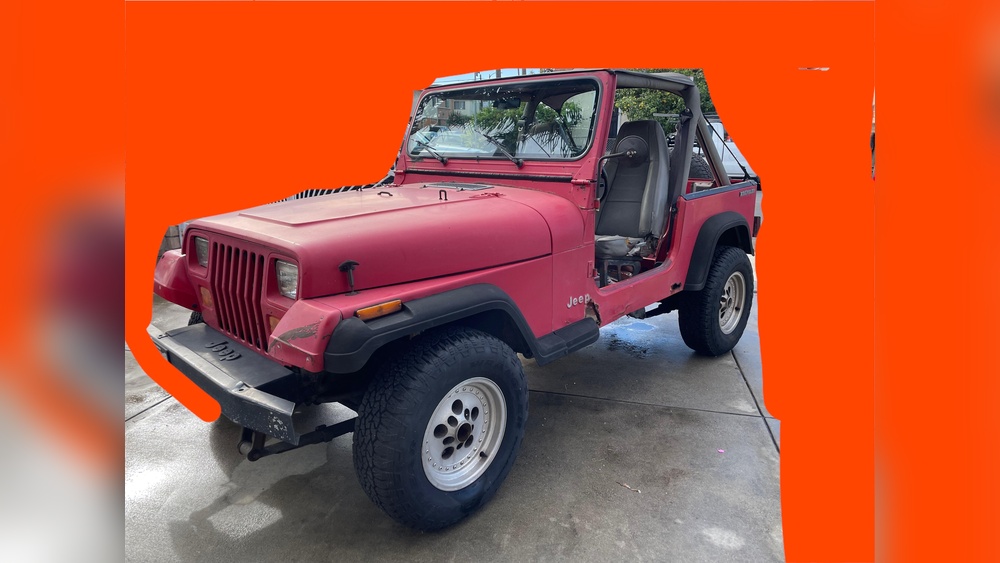
Key Factors Affecting Value
Several points shape what your 1991 Jeep Wrangler could sell for:
- Condition: Clean body, rust-free frame, and working mechanical parts boost value. Even small dents or paint fading can lower the price, but rust—especially on the frame or undercarriage—is the biggest deal-breaker. A Jeep that runs well but has hidden rust underneath may be worth much less than one with cosmetic flaws but a solid frame.
- Mileage: Lower miles usually mean a higher price. A Wrangler with less than 100,000 miles is rare and often sells for more. But remember, Jeeps built for off-roading often have tough lives, so mileage alone doesn’t tell the whole story. Maintenance records showing regular oil changes, brake service, and engine checks can help prove the Jeep’s real value.
- Originality: Stock Jeeps are often worth more than heavily modified ones. Many buyers want the classic look and feel. Custom bumpers, lift kits, or flashy wheels may look exciting, but they can make the Jeep less appealing to collectors. Original parts like the factory radio, seats, and even the spare tire cover can add value.
- Location: Prices are higher in areas where off-roading is popular. Mountain states, desert regions, and coastal areas with strong Jeep communities often see higher prices. For example, a Wrangler in California or Colorado may sell for more than the same Jeep in a city with less demand.
- Trim and Options: The base model is less valuable than the Sahara or Islander trim. Features like air conditioning, hardtop roofs, or rare paint colors can push prices up. The Sahara trim often comes with special decals, upgraded seats, and factory fog lights, making it stand out.
Typical Price Range
In 2024, a 1991 Jeep Wrangler usually sells between $6,000 and $15,000. That’s a wide range, but most fall in the middle. Rare, well-preserved models can exceed $18,000.
Here’s a quick view:
| Condition | Price Range | Notes |
|---|---|---|
| Poor | $3,000–$6,000 | Rust, high miles, needs repairs |
| Good | $7,000–$12,000 | Running, some wear, minor issues |
| Excellent | $13,000–$18,000+ | Restored, low miles, no rust |
A Jeep in “excellent” shape often has been kept indoors, has low mileage, and comes with a full history of maintenance. If you see a Wrangler priced over $18,000, it’s usually fully restored with new paint, rebuilt engine, and original trim.
“Poor” condition Jeeps may need a new transmission, have broken windows, or be missing major parts.
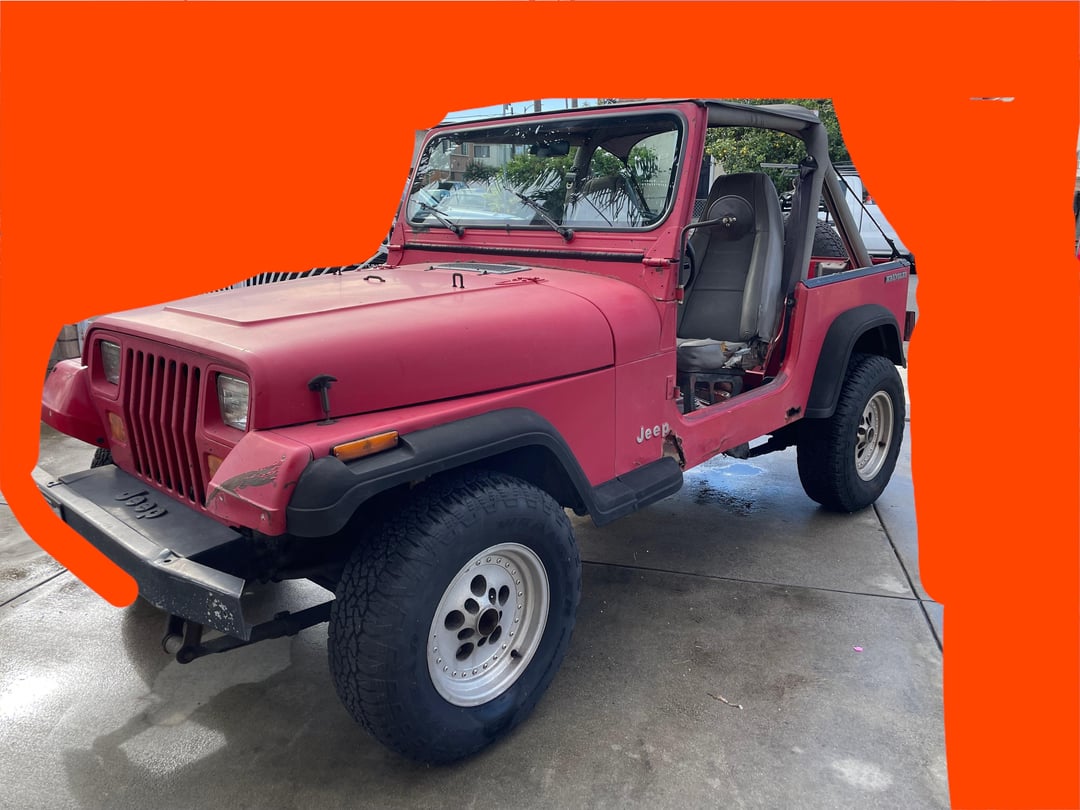
Comparing 1991 Wrangler To Other Years
Many buyers compare the 1991 model to other years. The 1991 Wrangler is part of the YJ generation (1987–1995). It has square headlights, which some love and others dislike. The engine is reliable, but not as powerful as newer models.
| Year | Average Price | Key Features |
|---|---|---|
| 1987 | $7,000 | First YJ, basic |
| 1991 | $10,000 | Better engine, some options |
| 1995 | $12,500 | Last YJ, improved rust protection |
The 1991 model is seen as a good balance between the early, simpler YJs and the later ones with improved parts. The 4.
0-liter engine (standard in 1991) replaced earlier engines, offering more power and smoother driving. The 1995 YJ is valued for its improved rust protection and final-year status, but prices are not dramatically higher.
For buyers, the 1991 model is often more affordable than newer Wranglers but still reliable for daily use or weekend trips.
What Makes The 1991 Wrangler Special
The 1991 Jeep Wrangler stands out because it’s simple, tough, and easy to repair. The 4.0-liter straight-six engine is reliable and known for lasting over 200,000 miles if maintained. This year also saw minor improvements in safety and comfort.
Two features are often missed by new buyers:
- Frame condition is more important than body looks. Rust in the frame lowers value much more than faded paint. For example, you might see a shiny Jeep with new paint, but if the frame has deep rust or holes, repairs could cost thousands—and some shops won’t even attempt them. Always check under the Jeep, not just the outside.
- Matching VIN numbers (vehicle ID) prove it’s original. Many old Jeeps have swapped engines or parts, which can reduce value. Look for VIN stickers on the frame, dashboard, and engine block. If numbers don’t match, the Jeep may have been rebuilt or repaired with parts from other vehicles. This can lower value and make insurance harder.
Another unique point: the 1991 Wrangler is part of Jeep history. Owners often join clubs, attend events, and use their Jeeps for camping, fishing, or mountain drives. Many classic car fans prefer the “square headlight” YJs for their iconic style.
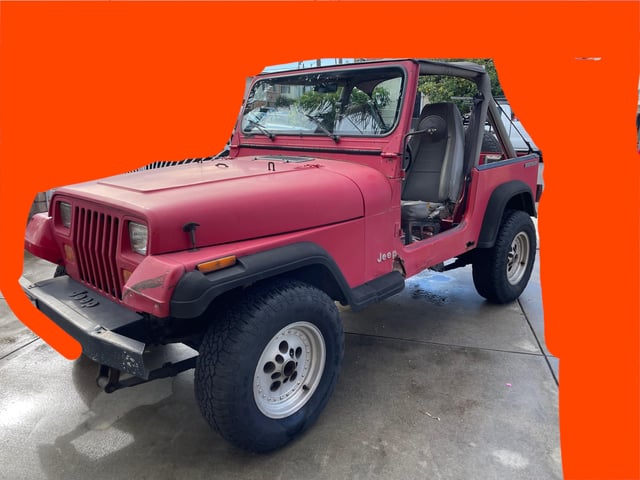
How To Check Real Value
If you want to buy or sell, use these practical steps:
- Inspect the frame for rust and damage. Crawl under the Jeep and look along the main rails and suspension mounts. Surface rust is common, but deep or flaky rust means trouble.
- Check the odometer—higher miles usually drop the price. A Jeep with 200,000 miles may still run well, but be ready for repairs like new seals, clutch, or brakes.
- Look for original parts like seats, dashboard, and wheels. Replaced seats or dashboards are common, but original ones add value. Factory wheels, mirrors, and hardtops are especially prized.
- Compare online listings in your area. Search local classifieds, dealer websites, and auction sites. Prices can change fast, so check often. Look for Jeeps with similar mileage and condition.
- Ask for service records—a well-maintained Jeep is always worth more. Oil changes, brake jobs, and engine repairs should be documented. Even receipts for small fixes show the owner cared.
Some websites, like Kelley Blue Book, provide current market prices. You can also use local Facebook groups or Jeep forums to ask about prices and get feedback from experienced owners.
Common Mistakes When Valuing
Buyers and sellers often make these errors:
- Ignoring frame rust (which is expensive to fix). Don’t assume a Jeep is solid just because it looks good from the outside. Get a mechanic to check the frame if you’re unsure.
- Focusing only on paint or interior, not mechanical health. Shiny paint can hide problems, but a noisy engine or leaking transmission is a warning sign.
- Overvaluing modifications (lift kits, bigger tires) that don’t add much resale value. Most buyers want original parts. Some modifications can even make insurance more expensive or cause problems with local laws.
- Not checking local demand—Wranglers are worth more in mountain states. For example, Jeeps in Utah or Colorado may sell quickly, but in urban areas, prices can be lower.
One extra mistake: not budgeting for repairs. Even “good” condition Jeeps may need new brakes, tires, or seals. Always set aside money for repairs, even after buying.
Data: Recent Sales Examples
Let’s look at three real-world sales from 2023–2024:
| Location | Condition | Sale Price | Notes |
|---|---|---|---|
| Colorado | Excellent | $17,500 | Low miles, restored |
| Texas | Good | $9,800 | Some rust, original engine |
| Florida | Poor | $5,200 | High miles, needs repairs |
These examples show how much location and condition matter. The Colorado Jeep sold for almost three times as much as the Florida Jeep—because it was restored and had low miles.
Buyers in off-road states pay more, and sellers with clean records and photos get higher offers.
Tips For Buyers And Sellers
If you’re buying:
- Always test drive before buying. Listen for strange noises and check if gears shift smoothly.
- Ask about service history. A Jeep with proof of regular oil changes and brake service is a safer bet.
- Inspect the undercarriage for rust. Use a flashlight, and don’t be afraid to ask the seller to lift the Jeep for a closer look.
If you’re selling:
- Clean the Jeep well—especially under the hood. Buyers look for signs of care, not just shiny paint.
- Take clear photos of the frame and key parts. Show rust-free areas, engine, seats, and dashboard.
- Gather all documents (service, repairs, upgrades). A well-documented Jeep sells faster and for more money.
If you can, offer a brief video of the Jeep starting, running, and driving. This builds trust with buyers, especially if selling online.
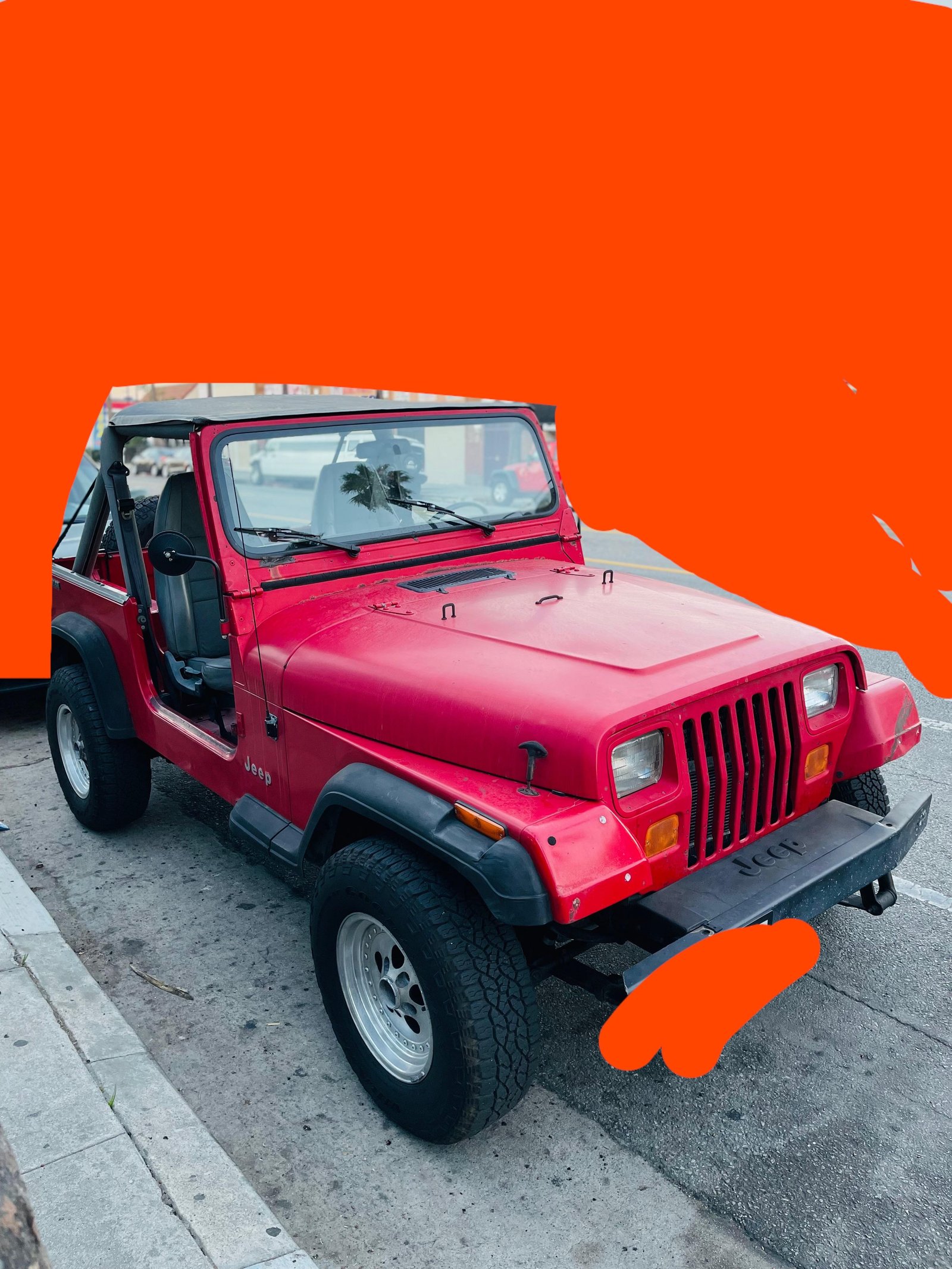
Frequently Asked Questions
How Much Is A 1991 Jeep Wrangler Worth In 2024?
Most sell for $6,000–$15,000 depending on condition, mileage, and location. Rare, restored models can go higher. Prices may change in the coming years as classic Jeeps become more popular.
What Is The Best Way To Value My 1991 Wrangler?
Check local listings, inspect for rust, and compare with similar Jeeps. Use trusted price guides like Kelley Blue Book. For extra accuracy, ask a local mechanic or classic car appraiser for advice.
Does Mileage Matter For Old Jeeps?
Yes. Lower mileage usually means a higher price, but frame condition is even more important. A Jeep with 200,000 miles but a solid frame can be a better buy than one with low miles but heavy rust.
Are Modifications Good Or Bad For Value?
Most modifications don’t increase resale price much. Classic buyers prefer original parts.
If you add a lift kit or big tires, keep the original parts so you can offer them to buyers.
What’s The Rarest Trim For 1991 Wranglers?
The Sahara trim is most sought after, especially with original paint and accessories. It’s popular for its unique look, and original Saharas often sell for top prices.
The value of a 1991 Jeep Wrangler depends on more than just age. Condition, originality, and where you sell it matter most. Look for rust, check records, and compare prices carefully. With the right information, you can buy or sell confidently—and enjoy one of Jeep’s most iconic models for years to come.



















