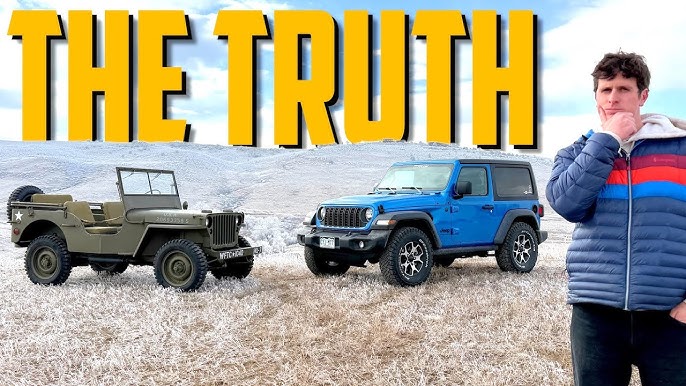
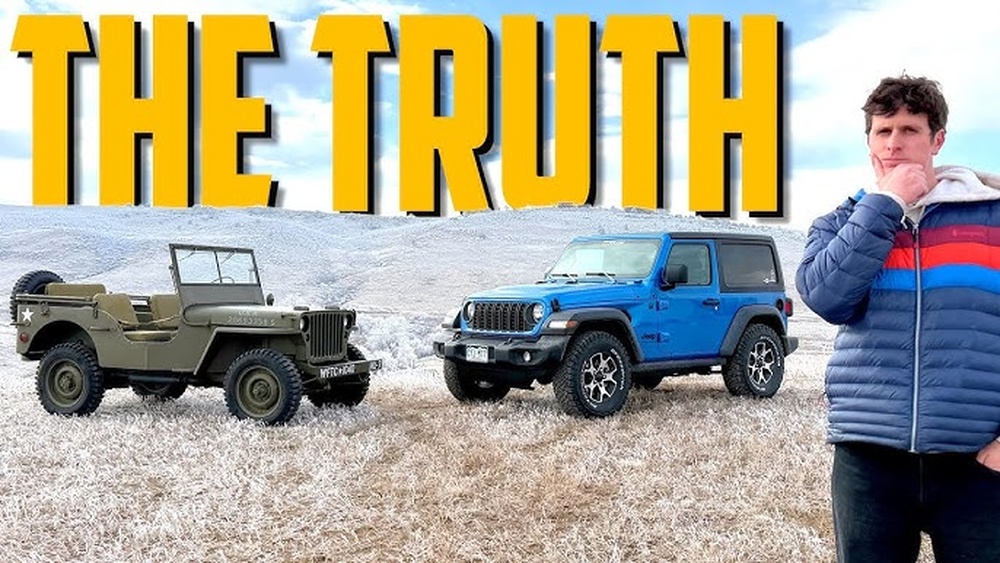
Jeep has long been a symbol of adventure and ruggedness. The brand’s roots trace back to World War II, where the original military Jeep became a legend for its durability and ability to go anywhere.
But today, many drivers and car experts are asking: What happened to Jeep? If you look at recent news, sales data, and owner reviews, it’s clear the company is facing new challenges.
Let’s explore the ups and downs, the changes in Jeep’s reputation, and what the future might hold for this iconic American brand.
Jeep’s Rise And Reputation
For decades, Jeep was known for its tough, go-anywhere vehicles. The Wrangler and Cherokee were favorites among off-road enthusiasts and families. Jeep’s image was built around reliability and outdoor adventure.
Jeep’s popularity grew fast after WWII. In the 1980s and 1990s, the brand expanded its lineup. The Jeep Grand Cherokee became a top-selling SUV. By 2016, Jeep sold nearly 1.4 million vehicles worldwide—a record for the brand.
Recent Changes In Jeep’s Quality
Jeep’s reputation for reliability has suffered in recent years. Many owners report issues with electronics, transmissions, and build quality. According to a 2023 Consumer Reports survey, Jeep ranked near the bottom for reliability among major car brands.
Here’s a quick look at Jeep’s reliability compared to other popular SUV brands:
| Brand | 2023 Reliability Score | Average Repair Cost (USD) |
|---|---|---|
| Jeep | 2.5/5 | $650 |
| Toyota | 4.5/5 | $450 |
| Honda | 4.2/5 | $470 |
| Ford | 3.0/5 | $600 |
The data shows Jeep lags behind competitors in reliability and repair costs. This is one reason sales growth has slowed.
Ownership Changes And Strategy Shifts
Jeep has changed hands several times. In 1987, Chrysler bought Jeep. In 2014, Fiat merged with Chrysler to form Fiat Chrysler Automobiles (FCA). In 2021, FCA merged with French automaker PSA Group to create Stellantis.
These changes brought new management and strategies. Stellantis is pushing for more electric vehicles, global expansion, and cost-cutting. Jeep now offers hybrid and electric models like the Jeep Wrangler 4xe. While these moves aim to modernize Jeep, some loyal fans worry the brand’s classic identity is fading.
| Year | Ownership | Key Event |
|---|---|---|
| 1941 | Willys-Overland | Launch of Military Jeep |
| 1987 | Chrysler | Acquisition of Jeep |
| 2014 | Fiat Chrysler | Merger with Fiat |
| 2021 | Stellantis | Merger with PSA Group |
Market Trends And Competition
SUVs and crossovers are more popular than ever, but competition is fierce. Toyota, Ford, and Hyundai offer reliable SUVs with modern features.
Many buyers now look for advanced safety, fuel efficiency, and technology.
Jeep’s classic models like the Wrangler still attract off-road fans, but new models like the Compass and Renegade compete in crowded segments. Jeep’s sales in the US dropped by 12% in 2022, while brands like Toyota saw increases.
Here’s how Jeep stacks up against rivals in features and price:
| Model | Starting Price (USD) | MPG (Combined) | Safety Rating |
|---|---|---|---|
| Jeep Compass | $28,400 | 25 | 4/5 |
| Toyota RAV4 | $28,000 | 30 | 5/5 |
| Ford Escape | $27,500 | 28 | 4/5 |
Most competitors offer better fuel economy and safety ratings, making them attractive to buyers looking for daily drivers.

- Many people believe Jeep is still American-owned, but the company is now part of Stellantis, a multinational group. This affects design, supply chains, and even marketing.
- Jeep’s move to electric and hybrid vehicles is not just about innovation. It’s a response to strict emissions laws in Europe and Asia. Jeep wants to stay legal and competitive worldwide.
Is Jeep Still Worth Buying?
If you love off-roading and classic style, Jeep still has appeal. Models like the Wrangler and Gladiator remain favorites for adventure seekers. But if you value reliability and low repair costs, competitors may be better options.
Many buyers overlook the cost of ownership. Insurance, fuel, and repairs can be higher for Jeeps.
Always check real owner reviews and compare features before buying.
Looking Forward: The Future Of Jeep
Jeep is not disappearing, but it’s changing fast. The brand must balance tradition with new demands for technology, efficiency, and global appeal.
Stellantis plans to launch more electric Jeeps and expand in markets like India and China.
Jeep’s loyal fan base still supports the brand, but the company faces tough choices. Will it keep its rugged identity or become just another global SUV maker?
The answer depends on how Jeep adapts to new trends and solves quality issues.
Frequently Asked Questions
Is Jeep Still An American Company?
Jeep started as an American brand, but now it’s owned by Stellantis, which is based in Europe. Stellantis controls many brands and makes decisions about Jeep’s future.
Are Jeeps Reliable Cars?
Jeep has struggled with reliability in recent years. Issues include electrical problems, transmission failures, and higher repair costs than many competitors.
Why Did Jeep Switch To Electric And Hybrid Models?
Jeep is adapting to strict emissions laws in Europe and Asia. Electric and hybrid models help Jeep meet regulations and appeal to eco-friendly buyers.
What Is Stellantis, And How Does It Affect Jeep?
Stellantis is a multinational auto company formed by merging Fiat Chrysler and PSA Group. It brings global resources and strategies, but some fans worry about Jeep losing its American identity.
How Does Jeep Compare To Other Suv Brands?
Jeep offers strong off-road ability, but competitors like Toyota and Honda often have higher reliability and better fuel economy. Comparing features, safety, and ownership costs is important before choosing.
For more details about Jeep’s history and recent changes, visit the Jeep Wikipedia page.
Jeep’s story is not finished. The brand’s next chapter depends on how well it adapts to new markets, technology, and customer needs.
Whether you’re a Jeep fan or just curious, it’s worth watching what happens next.