If you drive a Jeep, you may wonder, “What gears does my Jeep have? ” Understanding your Jeep’s gears isn’t just for off-road enthusiasts.
It matters for towing, fuel economy, and even daily driving. Jeep owners often hear terms like “3.
73 gears” or “4. 10s,” but what do these numbers mean?
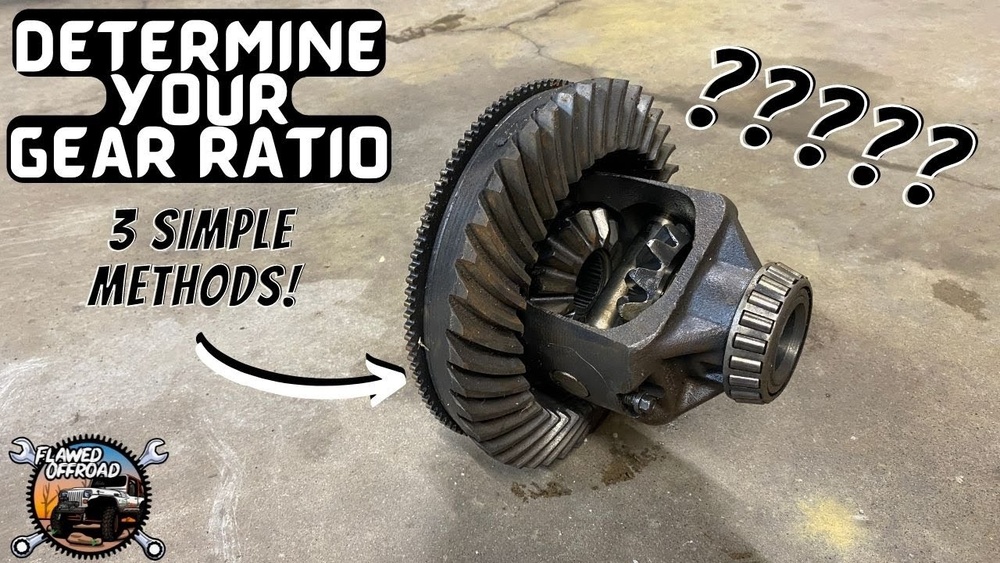
Let’s break down what gears are, why they matter, and how you can find out which ones are in your Jeep.
What Are Jeep Gears?
Inside your Jeep’s axles are ring and pinion gears. These gears set the final drive ratio, often called the axle ratio. The ratio shows how many times the driveshaft turns for every turn of the wheels. For example, with 4.10 gears, the driveshaft turns 4.10 times for each wheel revolution.
Why does this matter? The gear ratio affects:
- Acceleration: Lower gears (higher numbers) help with quick starts and climbing hills.
- Fuel economy: Higher gears (lower numbers) use less fuel at highway speeds.
- Towing and tire size: Bigger tires or heavy loads usually require lower gears.
Common Jeep Gear Ratios
Jeep models come with different gear ratios from the factory. Here are some common ones:
| Model | Year Range | Common Gear Ratios |
|---|---|---|
| Wrangler TJ | 1997-2006 | 3.07, 3.73, 4.10 |
| Wrangler JK | 2007-2018 | 3.21, 3.73, 4.10 |
| Wrangler JL | 2018-present | 3.45, 3.73, 4.10 |
| Grand Cherokee | Varies | 3.09, 3.45, 3.73 |
Many Jeep Wranglers come with 3.73 or 4.10 gears if they have tow packages or larger engines. Base models often have higher gears, like 3.21, for better fuel economy.
How To Find Your Jeep’s Gear Ratio
Finding your Jeep’s gear ratio can be easy or tricky, depending on your model. Here are the main ways:
- Check the Window Sticker: If you have the original window sticker, look for “Axle Ratio.” It’s often listed with drivetrain specs.
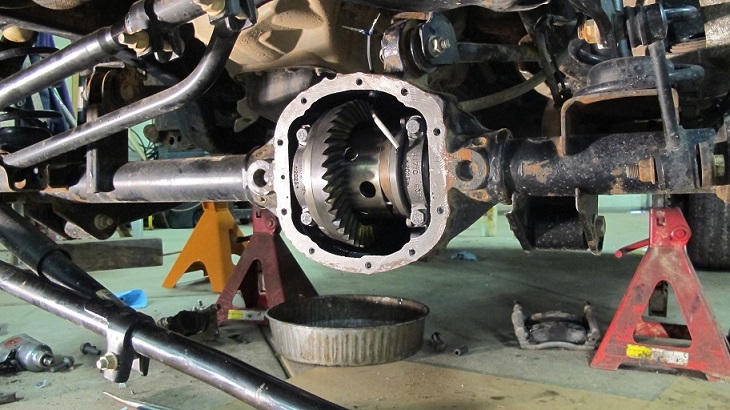
- Look for the Axle Tag: Most Jeep axles have a metal tag attached by a cover bolt. It usually has numbers like “3.73” or “4.10.”
- Use the VIN: Some online tools let you enter your Jeep’s VIN to see factory specs. However, this works only if gears haven’t been changed.
- Spin-Test Method: Jack up one wheel, mark the driveshaft, and count turns as you spin the tire. Divide driveshaft turns by tire turns to estimate the ratio.
- Read the Differential Stamp: Some newer Jeeps have a sticker or laser etching on the axle tube showing the ratio.
Example Vin Decoder Resources
Sites like Jeep’s Build Sheet Lookup let you enter your VIN to get original gear information.
Why Gear Ratios Matter For Your Jeep
Changing your Jeep’s tire size or adding weight (like bumpers or camping gear) changes how your gears feel. Here’s why the ratio is important:
- Bigger Tires: Large tires make your Jeep feel “slower” because they cover more ground per turn. This can stress the engine and transmission if gears aren’t matched.
- Towing: Lower gears (like 4.10 or 4.56) help pull trailers and climb hills but increase engine RPM on the highway.
- Daily Driving: Higher gears (like 3.21 or 3.45) give better MPG but may feel sluggish with heavy loads or big tires.
Many beginners overlook the impact of tire size. Going from stock 29-inch tires to 35s can make a 3.
21 Jeep feel underpowered, especially in hilly areas.
Gear Ratio Comparison: Effects On Performance
Let’s compare how different gear ratios affect common aspects like speed, RPM, and towing.
| Gear Ratio | Highway RPM (65 mph, 33” tires) | Towing Capacity | Fuel Economy |
|---|---|---|---|
| 3.21 | ~1,900 | Lower | Better |
| 3.73 | ~2,100 | Moderate | Average |
| 4.10 | ~2,400 | Higher | Lower |
Insight: The difference between 3.21 and 4.10 ratios can be dramatic. A Jeep with 4.10 gears will accelerate more easily but use more fuel at highway speeds.
Upgrading Your Jeep’s Gears
If you add bigger tires or tow often, you may need a gear swap. Here’s what to consider:
- Cost: Gear changes can cost $1,500–$2,500 for both axles (including labor).
- Balance: Too low a gear (high number) can hurt highway comfort. Too high a gear (low number) can make off-roading difficult.
- Speedometer Calibration: Changing gears or tires affects your speedometer. You’ll need a recalibration tool or a dealer adjustment.
Most owners forget to recalibrate their speedometer. This can lead to incorrect mileage tracking and even speeding tickets.
Signs Your Gears Don’t Match Your Jeep
Watch for these problems:
- Sluggish acceleration after adding bigger tires
- Poor fuel economy or engine working hard
- Trouble climbing hills or towing
If you notice these, check your gear ratio. Sometimes, a simple swap can restore your Jeep’s driveability.
Frequently Asked Questions
What Does “3.73 Gears” Mean In A Jeep?
It means the driveshaft turns 3.73 times for every full turn of the wheels. This ratio helps balance power and fuel economy.
Can I Find My Jeep’s Gear Ratio From The Vin?
Yes, sometimes. Use Jeep’s official build sheet lookup with your VIN to see the factory gear ratio, unless a previous owner changed it.
Is It Okay To Run Big Tires With Stock Gears?
You can, but performance will suffer. Acceleration drops and your Jeep may struggle on hills or when towing.
Upgrading gears is often needed for tires 33 inches or larger.
How Do I Know If I Need To Re-gear My Jeep?
If you’ve added large tires, tow heavy loads, or feel a loss of power, you might need lower gears. Listen for higher engine strain or poor MPG as warning signs.
What’s The Best Gear Ratio For Daily Driving And Off-roading?
A 3.73 or 4.10 ratio works well for most Jeeps with moderate tire sizes (33–35 inches). If you drive mostly highway, stick closer to stock ratios. For serious off-roading or big tires, consider 4.10 or lower.
Understanding your Jeep’s gears helps you enjoy your vehicle more—on trails, highways, or anywhere adventure calls. If you’re still unsure, talk to a trusted mechanic or visit a Jeep forum for advice.
Having the right gears can make all the difference in performance and driving enjoyment.