Buying or owning a Jeep Wrangler Sahara brings excitement, but also important questions. One of the most common is about the type of gas it needs.
Choosing the right fuel keeps your Jeep running smoothly and protects its engine. If you’re unsure, or if you want to maximize performance and save money, this article will help.
Let’s explore what gas a Jeep Wrangler Sahara takes, how to choose, and what happens if you use the wrong kind.
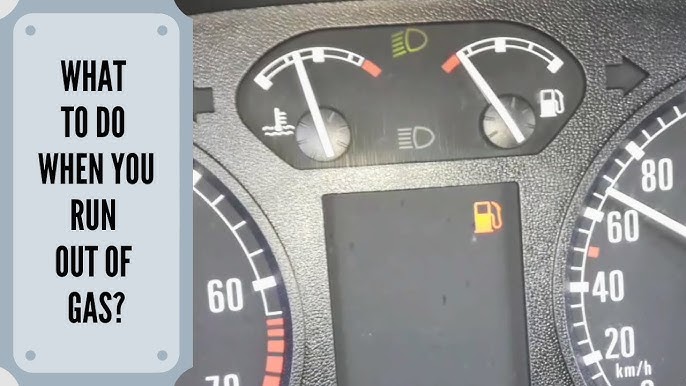
What Gas Does A Jeep Wrangler Sahara Require?
Most Jeep Wrangler Sahara models, especially from recent years, are designed to run on regular unleaded gasoline. This means 87 octane is safe for everyday driving. You don’t need premium gas unless you have a special engine or want specific performance upgrades.
Here’s a quick look at typical fuel requirements:
| Model Year | Engine Type | Recommended Gas |
|---|---|---|
| 2018–2024 | 3.6L V6 | Regular Unleaded (87 octane) |
| 2018–2024 | 2.0L Turbo I4 | Regular Unleaded (87 octane) |
| 2019–2024 | 3.0L EcoDiesel V6 | Ultra-Low Sulfur Diesel |
Most drivers have the 3.6L V6 or 2.0L Turbo I4. Both use regular gas. Only the EcoDiesel version needs diesel, which is rare for the Sahara trim.
If you have an older Sahara, the recommendation is usually the same regular unleaded. Still, it’s smart to double-check the manual for your specific year.
Sometimes, older Jeeps have engine upgrades from previous owners, so checking is always safer than guessing.
Understanding Octane Ratings
Octane rating shows how well gas resists “knocking” or pre-ignition in the engine. Higher octane is not always better. Using premium gas (91–93 octane) in a Jeep Wrangler Sahara does not improve performance or efficiency unless the manual says so.
Here’s a simple octane comparison:
| Octane Rating | Typical Use | Effect on Wrangler Sahara |
|---|---|---|
| 87 | Regular engines | Recommended |
| 89 | Mid-grade engines | No extra benefit |
| 91–93 | High-performance engines | Unnecessary |
Many beginners believe higher octane gives more power. That’s not true for most vehicles, including the Wrangler Sahara.
A less-known fact: Using higher octane than your Jeep needs can sometimes lead to carbon buildup in the engine over time, since the engine doesn’t burn premium fuel as efficiently. This is one reason automakers recommend sticking to the right octane, not just for cost reasons.

Diesel Vs. Gasoline Engines
Some Jeep Wranglers now offer a diesel engine. But this is rare in the Sahara trim. If you have a 3.0L EcoDiesel, you must use ultra-low sulfur diesel. Using gasoline in a diesel engine, or vice versa, can cause serious damage.
If you’re unsure which engine you have:
- Check the badge on the vehicle
- Look at your owner’s manual
- Ask your dealer
Another easy tip: The fuel cap color is different for diesel models (usually yellow or green) compared to gas models (typically black or gray). This quick check can help if you’re filling up in a hurry or using a borrowed Jeep.
Fuel Efficiency And Gas Choice
The Sahara is built for adventure, not for high fuel efficiency. However, using the right gas helps you get the best mileage. Here are typical mpg numbers:
| Engine | City MPG | Highway MPG |
|---|---|---|
| 3.6L V6 | 17 | 23 |
| 2.0L Turbo I4 | 21 | 24 |
| 3.0L EcoDiesel | 22 | 29 |
Choosing higher octane gas will not improve these numbers. Always use regular unleaded for best results.
If you want to improve fuel efficiency, focus on tire pressure and smooth driving rather than fuel grade. Keeping your tires properly inflated and avoiding rapid acceleration can make a bigger difference than the octane in your tank.
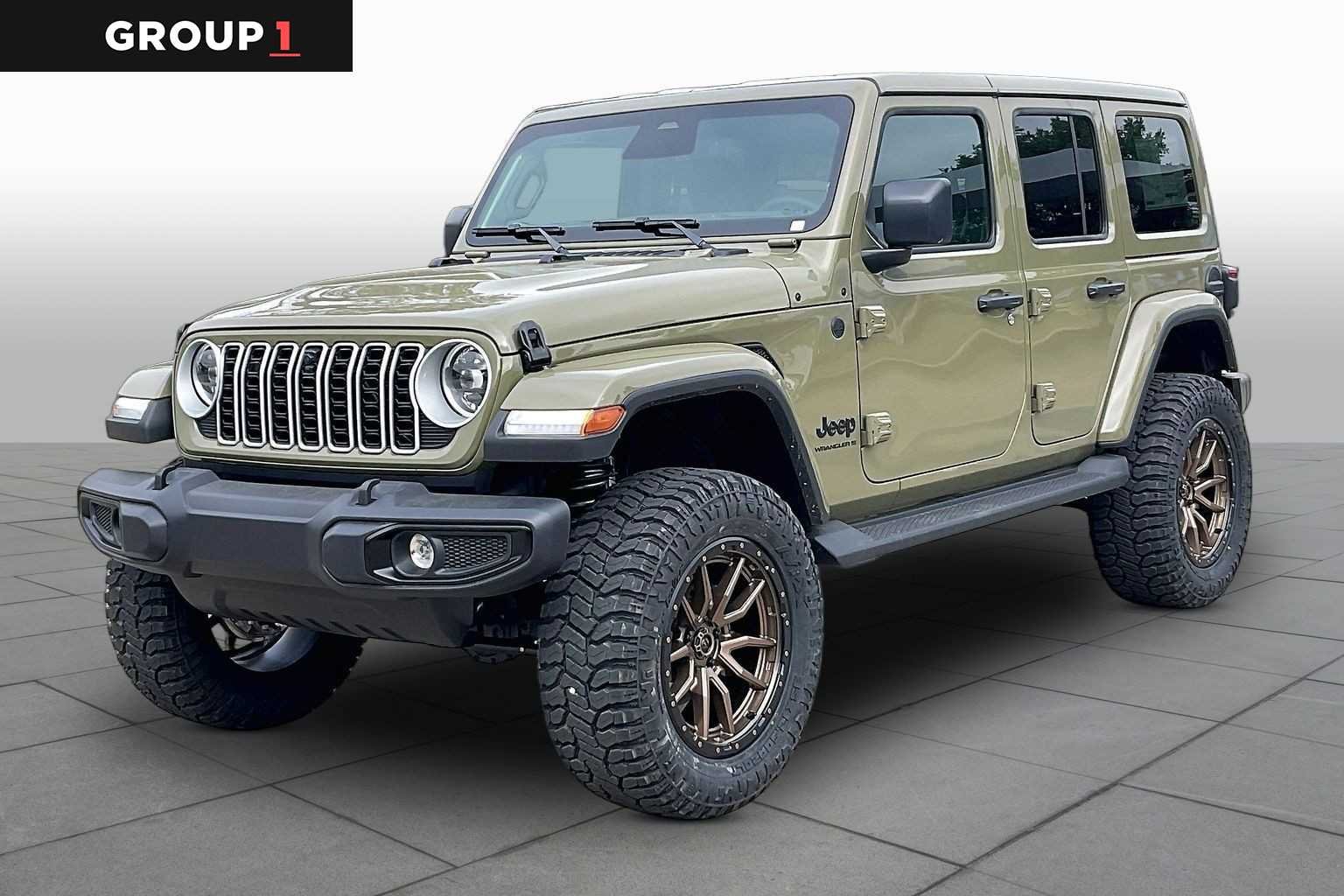
Common Mistakes When Filling Up
- Using premium gas without needing it: You waste money and get no benefit.
- Using diesel in a gas engine: This can cause the engine to stall or even fail.
- Ignoring fuel type when renting or borrowing: Always check the fuel cap or manual.
A non-obvious tip: If you drive in extreme cold, sometimes mid-grade gas (89 octane) can help prevent knocking, but this is only needed if you hear unusual sounds.
Another mistake is topping off your gas tank after the pump clicks off. This can lead to fuel spills and may damage the evaporative emission system, which is expensive to fix.
Let the pump stop on its own for the best results.
Jeep Wrangler Sahara Fuel Tank Capacity
Knowing your fuel tank size helps plan trips. Most recent Saharas have a 21.5-gallon tank. That means you can travel about 350–400 miles on a full tank, depending on driving style and engine.
For off-roaders, carrying an extra small gas can is smart if you’re heading far from gas stations. But remember, adding extra fuel weight can reduce your mileage slightly.

How To Check Your Jeep Wrangler’s Fuel Requirement
If you’re not sure what gas your Jeep Wrangler Sahara needs, use these practical checks:
- Look at the fuel door label: It usually says “Unleaded Fuel Only.”
- Read the owner’s manual: The manual gives exact specs.
- Ask a Jeep dealer: They have records and expert advice.
- Search your model year online: Use trusted sources like Jeep Official Site.
If your Jeep was bought used, double-check for any performance mods. Some previous owners may have changed the engine or tune, which could change fuel needs.
If you’re unsure, a mechanic can confirm what’s under the hood.
Frequently Asked Questions
Using premium gas is not harmful, but it won’t boost performance or mileage. You’ll just pay extra for no real gain.
Can I Use E85 Or Flex Fuel In My Wrangler Sahara?
Most Saharas are not flex-fuel compatible. Only use E85 if your manual says so. Using E85 in a regular engine can cause problems.
How Do I Know If My Jeep Wrangler Sahara Is Diesel?
Check the badge on the rear, the fuel door, or the manual. Diesel models usually have clear markings and a yellow fuel cap.
Does Higher Octane Improve My Jeep’s Off-road Performance?
No, higher octane doesn’t help off-road performance in the Sahara. Tire pressure, engine care, and driving skill matter more.
Is It Safe To Mix Different Octane Levels?
Mixing octane levels once won’t hurt your Jeep. But consistently mixing fuels is unnecessary and won’t help performance.
One more tip: If you accidentally use the wrong fuel, don’t start the engine. Call for professional help right away to avoid serious damage.
Getting the right gas for your Jeep Wrangler Sahara is simple but important. Stick to regular unleaded gasoline (87 octane) unless you have a rare diesel engine. You’ll save money, keep your Jeep healthy, and enjoy the ride. Remember, always check your manual or ask an expert if you’re unsure. This careful approach keeps your Jeep ready for adventure, mile after mile.



















