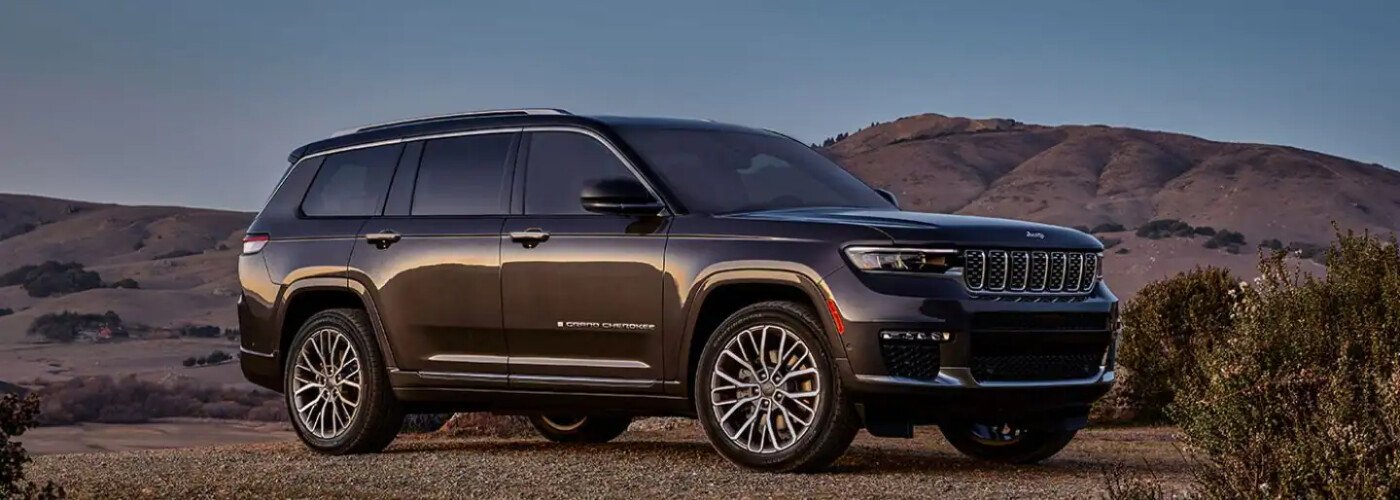
When you buy a new car, knowing what fuel to use is crucial. The 2023 Jeep Grand Cherokee stands out as a midsize SUV that blends comfort, power, and style.
But many owners and buyers wonder: what gas should you put in this model? Using the right fuel affects performance, fuel economy, and even long-term reliability.
Let’s break down the details, address common questions, and help you make confident decisions at the pump.

Gas Types For The 2023 Jeep Grand Cherokee
The 2023 Jeep Grand Cherokee offers several engine choices. Each engine has different fuel needs, so choosing the correct gas type is important.
Regular Unleaded Gasoline
Most Grand Cherokee models use regular unleaded gasoline (87 octane). This is the most common fuel at US gas stations. Jeep engineers designed these engines for regular gas, meaning you don’t need to pay extra for premium.
Some versions, especially those with the 5.7L V8 HEMI, can use premium gasoline (91 octane or higher). However, premium gas is not required. Jeep says premium can improve performance, but the engine runs safely on regular. If you want maximum power or plan to tow heavy loads, using premium occasionally may help.
Flex-fuel Option (e85)
A few Grand Cherokee trims offer flex-fuel capability, allowing you to use E85 ethanol. This is less common and mostly available in fleet vehicles or certain regional markets. Using E85 can reduce power and fuel economy, so check your owner’s manual before filling up.
Engine Choices And Their Fuel Requirements
Let’s compare the three main engines for the 2023 Jeep Grand Cherokee and their recommended fuels.
| Engine | Fuel Type | Octane Rating | Notes |
|---|---|---|---|
| 3.6L V6 | Regular Unleaded | 87 | Most common, no premium needed |
| 5.7L V8 HEMI | Regular or Premium | 87 / 91+ | Premium for max performance |
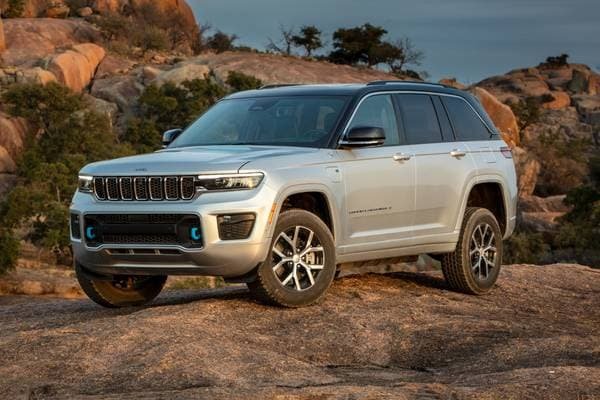
| 4xe Plug-in Hybrid | Regular Unleaded | 87 | Hybrid, electric + gas |
Why Octane Matters
Octane rating shows a fuel’s ability to resist engine knocking. Using gas with too low an octane can cause knocking, which hurts your engine over time. But using gas with a higher octane than needed doesn’t boost performance unless your engine is tuned for it.
Typical Mistakes
Many owners mistakenly use premium gas in the V6, believing it will clean the engine or improve efficiency. In reality, this adds cost with no real benefit. Also, some people forget to check the fuel door or owner’s manual for the correct octane.
Fuel Economy Differences
Your gas choice can affect fuel economy. Using premium in engines designed for regular won’t deliver better mileage. Only in the V8 HEMI, when towing or driving hard, might premium help a bit.
| Engine | City MPG | Highway MPG | Gas Type |
|---|---|---|---|
| 3.6L V6 | 19 | 26 | Regular |
| 5.7L V8 HEMI | 14 | 22 | Regular/Premium |
| 4xe Plug-in Hybrid | 23 (electric/gas) | 24 | Regular |
Hybrid models like the 4xe use a mix of electric power and gas, so their fuel economy depends on your driving habits.
Practical Tips For Owners
- Always check the fuel door label. Jeep prints the recommended octane here.
- Use regular unleaded for most driving unless you have the V8 and need extra power.
- Avoid using E85 unless your vehicle is clearly marked as flex-fuel.
- Don’t waste money on premium if your owner’s manual says regular is fine.
- If you hear knocking or see warning lights, get your engine checked.
Non-obvious Insights
- Altitude affects octane needs. In high mountain areas, you can use lower octane (85) because thinner air reduces knocking risk.
- Fuel additives aren’t needed unless Jeep recommends them. Modern engines and fuels are already formulated to keep injectors clean.
Comparing Grand Cherokee To Other Suvs
How does the Grand Cherokee’s fuel needs stack up against similar SUVs?
| Model | Recommended Gas | Octane |
|---|---|---|
| Jeep Grand Cherokee | Regular Unleaded | 87 |
| Toyota Highlander | Regular Unleaded | 87 |
| Ford Explorer | Regular Unleaded | 87 |
| BMW X5 | Premium Unleaded | 91+ |
Most mainstream SUVs use regular gas, except luxury brands like BMW, which require premium.
Real-world Example
Sarah owns a 2023 Grand Cherokee V6. She drives daily and sometimes goes on long road trips. She uses regular unleaded, gets about 23 MPG, and never had engine trouble. Her friend with a V8 model uses regular most of the time, switching to premium only when towing a boat. Both follow Jeep’s guidelines, saving money and avoiding engine issues.
Where To Find Reliable Info
Always check the owner’s manual or Jeep’s official website for fuel requirements. You can also visit Jeep’s official site for up-to-date specs.
Frequently Asked Questions
Yes, you can use premium gas, but it’s not required for most engines. Only the V8 HEMI might benefit from premium when towing or demanding high performance.
What Happens If I Use The Wrong Octane?
Using a lower octane than recommended can cause engine knocking. Using higher octane than needed doesn’t improve performance or mileage.
Is E85 Ethanol Safe For My Grand Cherokee?
Only use E85 if your Jeep is labeled as flex-fuel. Otherwise, it can damage the fuel system and void your warranty.
How Do I Check What Gas My Jeep Needs?
Look at the fuel door label or read your owner’s manual. Jeep prints the recommended octane and fuel type here.
Does The Hybrid (4xe) Model Need Special Gas?
No, the 4xe plug-in hybrid uses regular unleaded like the other models. You don’t need premium or special blends.
Choosing the right gas for your 2023 Jeep Grand Cherokee is easy if you check the engine, follow Jeep’s advice, and don’t fall for common myths. Use regular unleaded for most models, save premium for special situations, and your Jeep will deliver reliable performance for years.