Understanding The Esp Light On Your Jeep: What It Means And What To Do
That little yellow light on your Jeep's dashboard, often shaped like a car with wavy lines behind it, is more than just a random indicator.
It's your Electronic Stability Program (ESP) light, and its appearance can signal a range of issues, from a simple temporary glitch to a more serious problem that affects your vehicle's safety.
For Jeep owners, especially those who rely on their vehicles for off-roading or challenging weather conditions, understanding this light is crucial. It's designed to help you maintain control of your vehicle when it detects a loss of traction or steering.
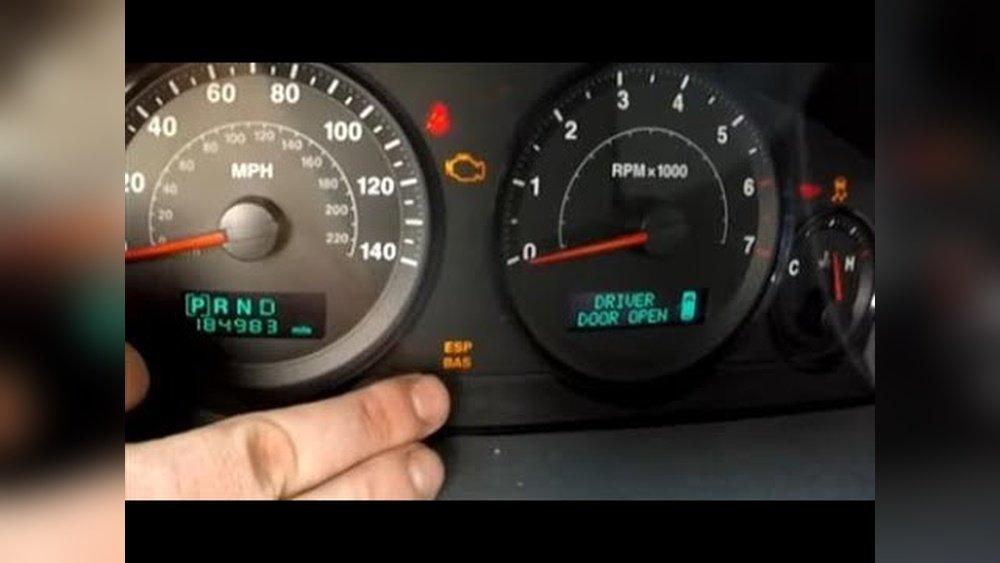
When it illuminates, it's your Jeep's way of telling you something about its stability systems.
Many drivers see this light and immediately worry about major mechanical failures. While that's a valid concern, the ESP light can be triggered by surprisingly simple things.
Sometimes, it's just a temporary system reset needed, or perhaps a minor sensor issue.
However, it can also point to problems with critical components like wheel speed sensors, the steering angle sensor, or the ABS module itself. Ignoring the ESP light can compromise your Jeep’s ability to handle slippery surfaces, making it more prone to skidding or losing control.
This article will break down what the ESP light means, why it might be on, and the steps you can take to diagnose and resolve the issue, ensuring your Jeep remains a safe and reliable companion on all your adventures.
What Is The Esp System In A Jeep?
The Electronic Stability Program (ESP), often referred to as Electronic Stability Control (ESC) in other manufacturers, is a sophisticated safety feature integrated into modern vehicles, including Jeeps. Its primary purpose is to prevent loss of control, particularly during evasive maneuvers or when driving on slippery surfaces like rain, ice, or snow. It works by actively intervening when it detects that the vehicle’s steering is not matching the driver’s intended path, or when it senses a potential skid.
The system uses a network of sensors to constantly monitor various aspects of your Jeep’s performance. These include:
- Wheel Speed Sensors: These sensors, also used by the Anti-lock Braking System (ABS), measure the rotational speed of each wheel. If one wheel is spinning significantly faster or slower than the others, it can indicate a loss of traction.
- Steering Angle Sensor: This sensor measures the direction you are turning the steering wheel. ESP compares this input with the vehicle’s actual direction of travel.
- Yaw Rate Sensor: This sensor measures how fast the vehicle is rotating around its vertical axis. It’s crucial for detecting if the vehicle is starting to fishtail or spin.
- Lateral Acceleration Sensor: This sensor measures the sideways force acting on the vehicle, helping to identify if the vehicle is sliding sideways.
When the ESP detects a discrepancy between the driver’s intended path (based on steering input) and the vehicle’s actual path (based on yaw rate and lateral acceleration sensors), it intervenes. This intervention typically involves applying braking force to individual wheels and, in some cases, reducing engine power.
For example, if the rear of the Jeep starts to slide out (oversteer), ESP might apply the brake to the front outside wheel to pull the vehicle back into line. If the front of the Jeep starts to push wide (understeer), ESP might apply the brake to the rear inside wheel.
How Esp Enhances Driving Safety
The integration of ESP has been a significant advancement in automotive safety. Studies have shown its effectiveness in reducing single-vehicle crashes, particularly those involving rollovers and loss of control.
For a vehicle like a Jeep, which is often used in conditions where traction can be compromised, ESP plays an even more vital role.
It acts as an invisible co-pilot, ready to assist when physics might otherwise lead to an accident.
On slippery roads, ESP can be the difference between a controlled turn and a dangerous skid. It helps maintain directional stability, making it easier for drivers to keep their vehicle on the intended path, even in challenging situations.
This is especially important for drivers who may not have extensive experience handling vehicles in low-traction environments.
The system is designed to be subtle, intervening only when necessary, so most of the time, you won’t even notice it’s working.
Common Reasons For The Esp Light To Illuminate On A Jeep
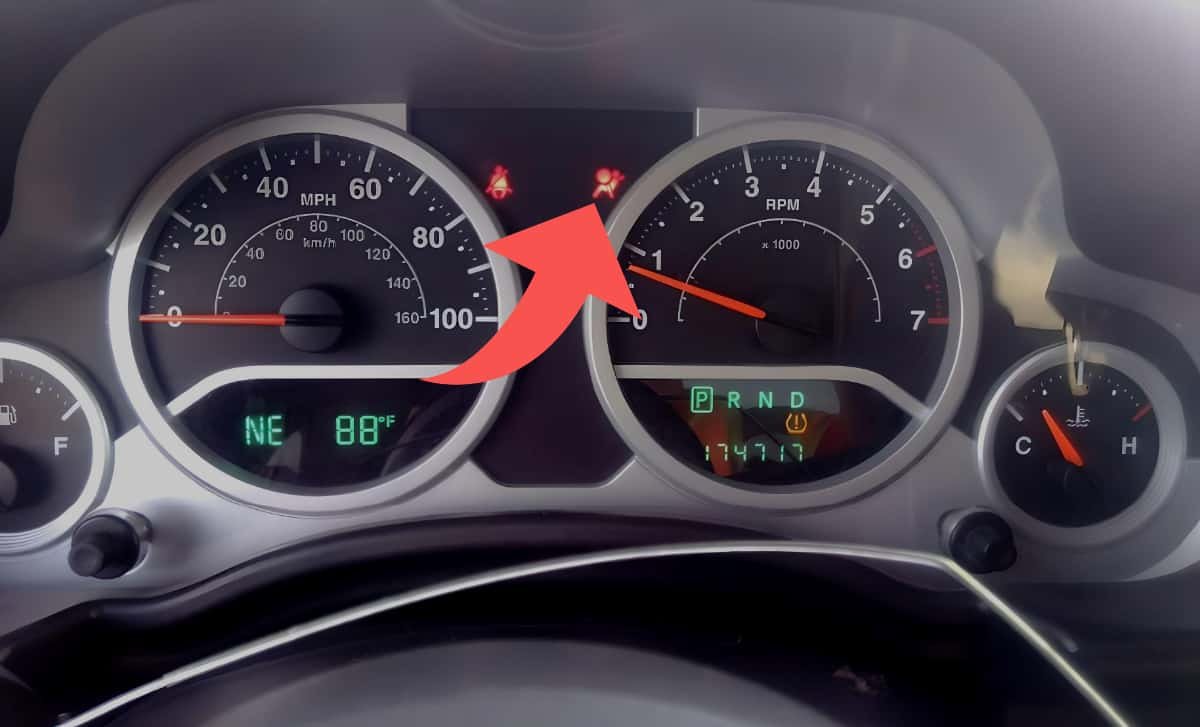
The ESP light on your Jeep can illuminate for various reasons, ranging from simple and easily fixable to more complex issues requiring professional attention. Understanding these common causes can help you troubleshoot the problem effectively.
Temporary System Interruption Or Reset
One of the most frequent reasons for the ESP light to come on is a temporary interruption or reset of the system. This can happen, for instance, after:
- Disconnecting the Battery: If the Jeep’s battery has been disconnected for any reason (e.g., maintenance, replacement), the ESP system, along with other electronic modules, will need to recalibrate itself when power is restored. Often, after a short period of driving, the light will reset itself.
- Low Battery Voltage: A weak or failing battery can sometimes cause erratic behavior in various electronic systems, including ESP. If the voltage drops too low, the system might temporarily shut down or report an error, illuminating the light.
- Rough Terrain or Off-Roading: Driving on very bumpy terrain or engaging in aggressive off-roading can sometimes jolt sensors or cause temporary communication errors within the ESP system, leading to the light illuminating.
Issues With Sensors
The ESP system relies heavily on accurate data from multiple sensors. If any of these sensors are faulty, damaged, or not communicating properly, the system will likely trigger the ESP light.
- Wheel Speed Sensors: These are critical for both ABS and ESP. If a wheel speed sensor is dirty, damaged, or its wiring is compromised, it can send incorrect speed readings or no readings at all. This is a very common cause for the ESP light. Often, if the ABS light is also on, it points strongly to a wheel speed sensor issue.
- Steering Angle Sensor: This sensor tells the ESP system which way the driver is steering. If it malfunctions or loses calibration, the ESP system won’t know the intended direction, and the light will come on. This can sometimes happen after a vehicle alignment if the sensor wasn’t properly reset.
- Yaw Rate Sensor and Lateral Acceleration Sensor: While less common than wheel speed or steering angle sensors, failures in these sensors can also trigger the ESP light. These sensors are crucial for detecting the vehicle’s actual movement and detecting slides.
Problems With The Abs Module
The ESP system is closely integrated with the Anti-lock Braking System (ABS). The ABS control module is essentially the brain for both systems.
If the ABS module itself is experiencing problems, such as internal faults or communication issues with other vehicle modules, it will likely cause the ESP light to illuminate.
Sometimes, a blown fuse related to the ABS/ESP system can also be the culprit.
Tire Pressure Monitoring System (tpms) Issues
In some Jeep models, there's a link between the Tire Pressure Monitoring System (TPMS) and the ESP. If one or more tires are significantly underinflated, it can affect the vehicle's handling and traction characteristics.
The TPMS system might detect this, and in some configurations, it can trigger the ESP light as a warning that the vehicle's stability might be compromised due to uneven tire pressure.
This is a good reminder to always keep your tires properly inflated.
Aftermarket Modifications
Modifications, especially those affecting the suspension, wheels, or tire size, can sometimes interfere with the ESP system. For example, significantly larger tires might alter the rotational speed differences that the wheel speed sensors are calibrated to expect.
Aftermarket lift kits or suspension components could potentially damage sensor wiring.
If the ESP light came on shortly after a modification, it’s a strong indicator that the modification might be the cause.
Other Less Common Causes
- Brake Light Switch: A faulty brake light switch can sometimes cause ESP issues, as the system uses brake pedal input.
- Throttle Body Issues: In some cases, problems with the electronic throttle body can affect engine performance and, consequently, ESP operation.
- Powertrain Control Module (PCM) or Body Control Module (BCM) Glitches: These are the main computer modules in the vehicle. Software glitches or hardware failures within these modules can sometimes lead to unexpected ESP light illumination.
Diagnosing The Esp Light On Your Jeep
When the ESP light illuminates on your Jeep's dashboard, it's a signal that the system has detected an issue and may not be functioning correctly. While some causes are minor, others can affect your vehicle's safety.
Proper diagnosis is key to addressing the problem effectively.
Initial Checks You Can Perform
Before heading to a mechanic, there are a few simple checks you can do yourself:
- Check Your Tire Pressure: As mentioned, low tire pressure can sometimes trigger the ESP light. Ensure all tires are inflated to the recommended pressure, which is usually found on a sticker in the driver’s side doorjamb or in your owner’s manual. Don’t forget the spare tire.
- Inspect for Obvious Damage: Look around your Jeep for any visible damage to the wheels, tires, or suspension components. Check if any wiring harnesses near the wheels or sensors appear loose, damaged, or disconnected.
- Try a System Reset: Sometimes, a simple restart can clear temporary glitches. Turn off your Jeep, remove the key from the ignition, open and close the driver’s door (this ensures all modules power down), wait for about 5-10 minutes, and then restart the vehicle. Drive it for a short distance to see if the light goes off.
- Check for Other Warning Lights: Is the ABS light on? Is the traction control light on (often the same as ESP)? Are there any other warning lights illuminated? The presence of other lights can provide valuable clues. For example, if both ESP and ABS lights are on, it strongly suggests an issue with the ABS system or its sensors.
Understanding Diagnostic Trouble Codes (dtcs)
Modern vehicles like Jeeps store diagnostic trouble codes (DTCs) when a fault is detected by the onboard diagnostic (OBD-II) system. These codes provide specific information about the nature of the problem.
- Using an OBD-II Scanner: The most effective way to diagnose the ESP light is by using an OBD-II scanner. These devices plug into a port typically located under the dashboard on the driver’s side. Basic scanners can read generic codes, while more advanced ones can access manufacturer-specific codes (like those for Jeep) which often provide more detailed information. You can purchase an OBD-II scanner relatively cheaply online or at auto parts stores, or many auto parts stores offer free code reading services.
- Interpreting the Codes: Once you have the DTCs, you can look them up online or in a repair manual to understand what they mean. For example, a code like “C0035” might indicate a problem with the left front wheel speed sensor circuit.
When To Seek Professional Help
While DIY diagnostics are useful, some issues require specialized tools and expertise. You should consult a professional mechanic if:
- You’re Uncomfortable with DIY: If you’re not confident working on your vehicle’s systems, it’s always best to let a professional handle it.
- The Problem Persists After Simple Checks: If the ESP light remains on after checking tire pressure and attempting a reset, it likely indicates a more complex issue.
- Multiple Warning Lights Are On: If the ESP light is accompanied by other critical warning lights (like the check engine light), it’s essential to get it diagnosed promptly.
- The OBD-II Scanner Shows Complex or Multiple Codes: Some codes might indicate problems with the ABS module, complex sensor failures, or even issues with the vehicle’s computer modules, which require expert diagnosis.
- You Suspect Sensor or Module Failure: Diagnosing and replacing sensors (like the steering angle sensor or yaw rate sensor) or modules requires precise calibration and knowledge of the vehicle’s specific systems.
A qualified mechanic will have advanced diagnostic tools, access to technical service bulletins (TSBs) specific to your Jeep model, and the experience to accurately pinpoint the cause of the ESP light and perform the necessary repairs.
Common Esp System Faults And Their Solutions
When the ESP light indicates a problem, it’s often linked to specific components within the system. Understanding these common faults and their typical solutions can help you prepare for potential repairs.
Wheel Speed Sensor Malfunctions
- The Problem: Wheel speed sensors are small but vital. They can fail due to dirt and debris accumulation, damage from road hazards, corrosion, or a broken wire in the harness. Symptoms often include the ESP light, ABS light, and sometimes even the brake warning light illuminating. Inaccurate speed readings from one or more wheels can confuse the ESP and ABS systems.
- The Solution: The first step is usually cleaning the sensor and its mounting area. If cleaning doesn’t resolve the issue, the sensor itself may need replacement. The wiring harness should also be inspected for damage. After replacement, the system may need to be reset, and sometimes the steering angle sensor may require recalibration.
- Pro Tip: If you notice the ESP light comes on intermittently, especially when turning or hitting bumps, it could indicate a loose connection or a failing sensor that’s on its way out.
Steering Angle Sensor Issues
- The Problem: The steering angle sensor is mounted on the steering column and measures the precise angle and direction of the steering wheel. If this sensor fails, provides erratic readings, or loses its calibration, the ESP system won’t know the driver’s intended direction, leading to the ESP light illuminating. This can sometimes happen after a wheel alignment if the sensor wasn’t properly reset or if the sensor itself is faulty.
- The Solution: Often, the steering angle sensor simply needs to be recalibrated. This is a procedure performed with a diagnostic scan tool. If recalibration doesn’t fix the issue, the sensor itself may need to be replaced. After replacement, recalibration is always necessary.
Abs Control Module Faults
- The Problem: The ABS control module is a critical electronic component that manages both ABS and ESP functions. Internal failures within the module, communication errors with other vehicle modules, or issues with its power supply can cause the ESP light to come on. Sometimes, a blown fuse related to the ABS/ESP system can mimic a module fault.
- The Solution: A mechanic will first check fuses and relays. If those are fine, they will use advanced diagnostic tools to communicate with the ABS module. If the module is deemed faulty, it will need to be replaced. Replacing an ABS module can be a complex procedure that often requires programming by a dealership or a specialized shop to ensure it communicates correctly with the rest of the vehicle’s systems.
Yaw Rate And Lateral Acceleration Sensor Failures
- The Problem: These sensors detect the vehicle’s rotational movement (yaw) and sideways forces (lateral acceleration). If they fail or provide incorrect data, the ESP system cannot accurately assess if the vehicle is skidding or losing control.



















