If you’ve noticed the ABS light glowing on your Jeep’s dashboard, you’re probably wondering what it means and whether you should be worried. That little light is more important than it seems, it’s your Jeep’s way of telling you there’s an issue with the Anti-lock Braking System.
Ignoring it could affect your safety and lead to costly repairs down the road. You’ll learn what triggers the ABS light, what it means for your driving, and what steps you should take to keep your Jeep running safely.
Keep reading to understand why your ABS light is on and how to handle it before it becomes a bigger problem.
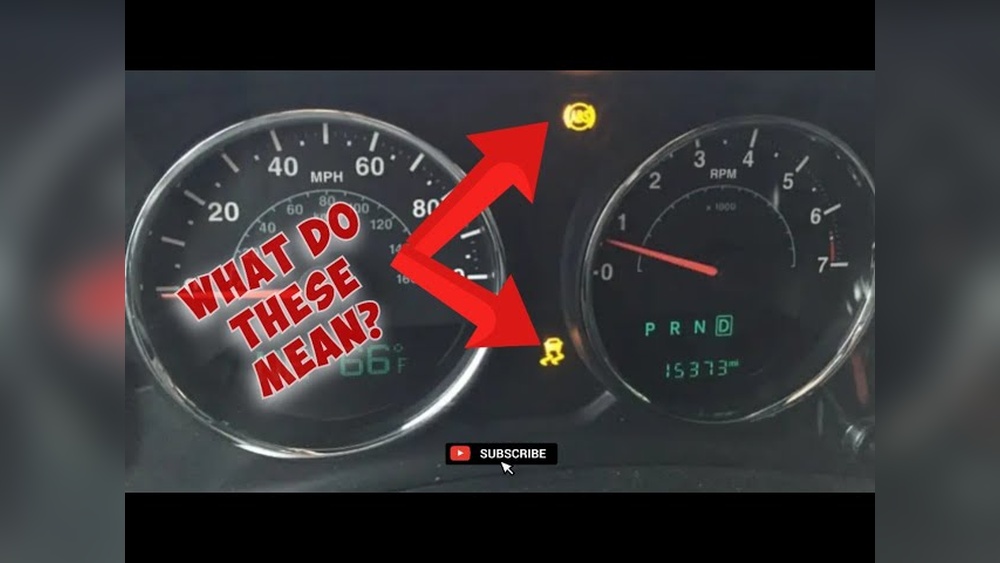
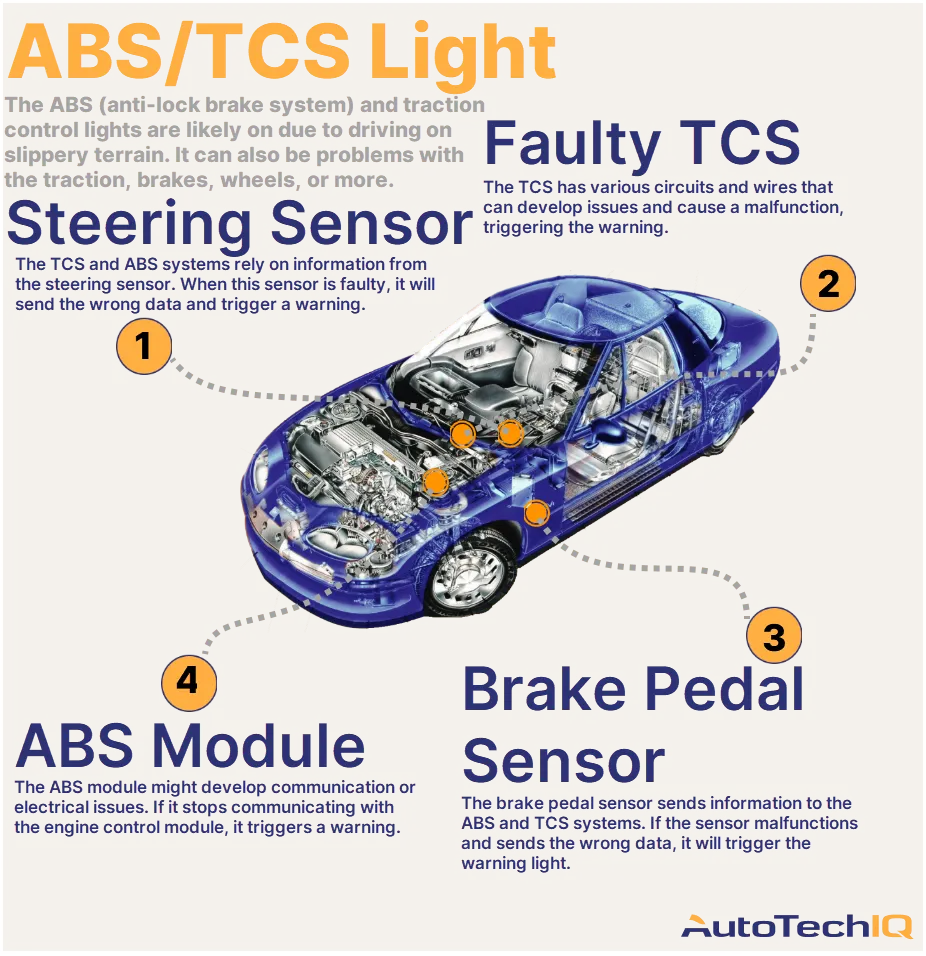
Abs Light Basics
The ABS light on your Jeep dashboard is a key warning signal. It tells you about the health of the Anti-lock Braking System.
This system helps keep your Jeep’s wheels from locking during sudden stops. That prevents skidding and keeps control on slippery roads.
Knowing what the ABS light means helps you stay safe. It also guides you on when to get your Jeep checked.
The light does not mean your brakes have failed. It means the ABS system needs attention to work properly.
What The Abs Light Indicates
The ABS light turns on if the system detects a problem. This could be a sensor failure or low brake fluid.
Sometimes, a faulty ABS module causes the light to glow. The system runs a self-check each time you start your Jeep.
If it finds an issue, the light stays on. Your regular brakes still work, but ABS might not activate in emergencies.
This means the Jeep may skid more easily in hard braking. It is best to have a mechanic inspect the system soon.
Difference Between Abs And Traction Control Lights
The ABS light and traction control light look similar but mean different things. The ABS light relates to the Anti-lock Braking System.
Traction control helps prevent wheel spin during acceleration.
Traction control uses some ABS sensors to work. When its light comes on, it shows a traction system issue.
Both lights may come on together if the ABS system has a fault. Knowing the difference helps you understand what needs fixing.
Common Causes For Abs Light Activation
The ABS light on your Jeep signals a problem in the anti-lock braking system. This light activates for several common reasons.
Understanding these causes helps you address the issue faster. It also keeps your vehicle safe and reliable on the road.
Faulty Wheel Speed Sensors
Wheel speed sensors monitor each wheel’s rotation speed. Faulty sensors send wrong data to the ABS computer.
The system then cannot control braking properly. Dirt, damage, or electrical faults often cause sensor failure.
Damaged Wheel Bearings
Wheel bearings support the wheel and allow smooth movement. Damaged bearings create noise and affect sensor readings.
This can trigger the ABS light. Check for looseness or grinding sounds near the wheels.
Electrical Issues: Fuses And Relays
Fuses and relays protect the ABS electrical circuit. A blown fuse or bad relay can break the circuit.
This interruption causes the ABS light to come on. Inspect and replace any faulty fuses or relays promptly.
Contaminated Sensors From Grease Or Dirt
Grease, dirt, or debris can cover wheel speed sensors. This contamination blocks accurate readings.
The ABS system detects errors and lights up the warning. Clean sensors carefully to restore proper function.
Battery And Voltage Problems
Low battery voltage or poor charging affects ABS operation. The system needs stable power to work correctly.
Weak battery or alternator issues may trigger the ABS light. Test your battery and charging system regularly.
Diagnosing Abs Light Issues
The ABS light on your Jeep signals a problem with the Anti-lock Braking System. Diagnosing the issue quickly helps keep your vehicle safe.
Start by identifying the root cause to know the best fix. A few simple steps can point to the problem clearly.
This guide covers how to diagnose ABS light issues effectively.
Using An Obd-ii Scanner
An OBD-II scanner reads error codes from your Jeep’s computer. These codes reveal what triggers the ABS light.
Plug the scanner into the port under the dashboard. Turn on the ignition without starting the engine.
The scanner displays codes that point to specific problems. Note the codes and check their meanings online or in the manual.
This tool helps diagnose ABS sensor or wiring faults.
Visual Inspection Tips
Check the ABS components for visible damage or wear. Look at the wiring harness near the wheels for cuts or corrosion.
Inspect the wheel speed sensors for dirt or cracks. Clean any debris that may block sensor signals.
Examine the brake fluid level and condition in the master cylinder. Low or dirty fluid can cause ABS warnings.
A careful look can catch many common ABS problems.
Checking For Sensor Looseness Or Noise
Loose wheel speed sensors often cause ABS light issues. Grab each sensor and gently wiggle it to check for looseness.
Spin the wheels to listen for unusual noises like grinding or clicking. Strange sounds may indicate a damaged bearing or sensor misalignment.
Tighten loose sensors and clean their connectors if needed. This simple check can fix ABS light problems caused by sensor issues.
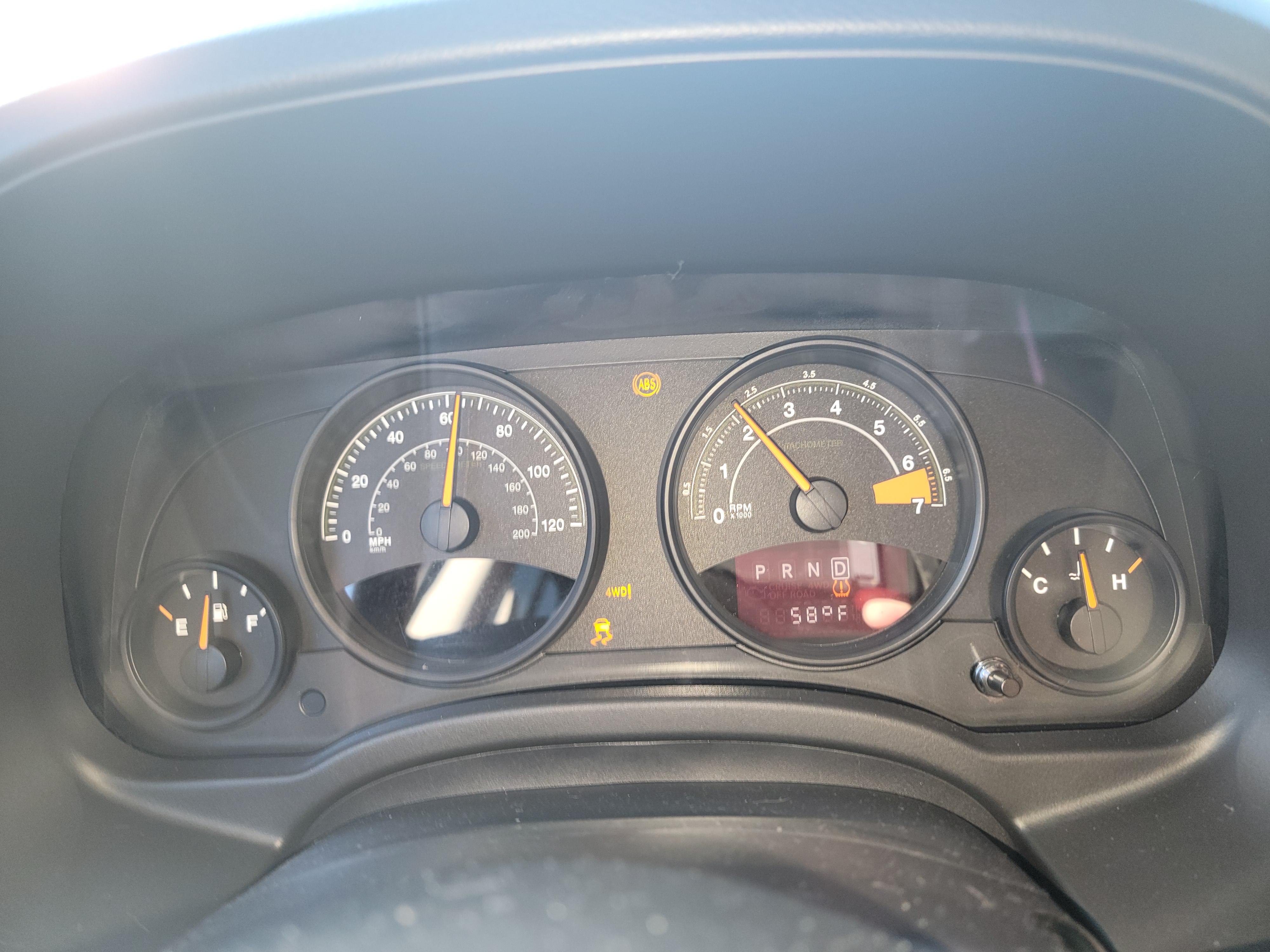
Driving With The Abs Light On
Driving with the ABS light on in your Jeep is a situation that requires attention. The ABS, or Anti-lock Braking System, helps keep your wheels from locking during hard braking.
When the light is on, it means the system may not work properly. This can affect your safety and braking performance.
Safety Considerations
The ABS light signals a problem with your braking system. Without ABS, your wheels might lock on slippery roads.
This can lead to loss of control. Drive cautiously and keep a greater distance from other vehicles.
Avoid sudden stops or sharp turns. Your Jeep’s standard brakes still work, but with less control.
Impact On Braking Performance
When the ABS light is on, the anti-lock feature is disabled. Your Jeep will brake like a car without ABS.
This means the wheels can lock during hard braking. Locked wheels reduce steering control.
Stopping distances may increase on wet or icy roads. Your regular brakes remain functional but less effective in emergencies.
When To Avoid Driving
Do not ignore the ABS light if other warning lights appear. If the brake warning light also comes on, stop driving immediately.
This could mean a serious brake issue. Avoid driving if the brakes feel soft or spongy.
Have your Jeep inspected by a mechanic as soon as possible. Safe driving depends on fully working brakes.
Repair And Maintenance Options
The ABS light on your Jeep signals a problem within the anti-lock braking system. Repair and maintenance are key to keeping your vehicle safe and reliable.
Understanding common fixes helps you address the issue quickly and avoid further damage. Below are some typical repair options for the ABS system.
Replacing Wheel Speed Sensors
Wheel speed sensors monitor each wheel’s rotation speed. Faulty sensors can trigger the ABS light.
Replacement involves removing the damaged sensor and installing a new one. This fix restores accurate wheel data for the ABS system.
Technicians use diagnostic tools to identify which sensor needs replacement.
Fixing Electrical Components
Electrical faults often cause the ABS light to come on. Problems like blown fuses or damaged wiring disrupt the system.
Repair requires inspecting and fixing these electrical parts. Sometimes, relays or control modules also need replacement.
Proper electrical repairs ensure the ABS system works correctly.
Cleaning And Protecting Sensors
Dirt, grease, or debris can block sensor signals. Cleaning sensors regularly prevents ABS light errors.
Use gentle cleaners and avoid harsh chemicals. Protect sensors from water and grime during off-road use.
Well-maintained sensors help the ABS system function smoothly.
Cost Estimates For Repairs
Repair costs vary depending on the problem. Replacing a wheel speed sensor typically costs between $100 and $250.
Electrical repairs may range from $150 to $400. Cleaning sensors is usually inexpensive, often under $50.
Getting a professional diagnosis helps estimate exact costs.
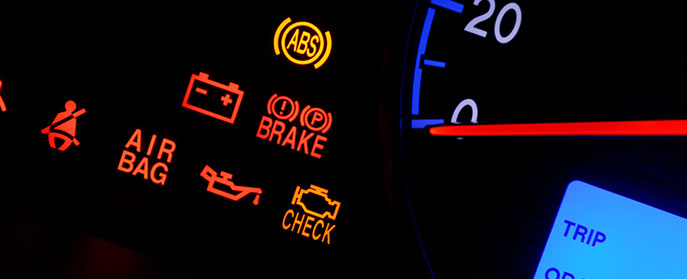
Preventing Abs Light Issues
The ABS light on your Jeep tells you about the Anti-lock Braking System status. Different Jeep models show this warning for various reasons.
Understanding these specifics helps you maintain safety and avoid bigger repairs. This section explains the ABS light issues common in Jeep vehicles.
Jeep’s off-road nature can affect the ABS system. Each model faces unique challenges with sensors, wiring, and brakes.
Recognizing model-specific signs helps you act quickly and keep your Jeep running well.
Jeep Wrangler Common Abs Problems
The Jeep Wrangler often triggers the ABS light due to wheel speed sensor issues. Dirt and grease from off-road trips can cover sensors.
A leaking rear axle seal may cause grease buildup on sensors. Faulty sensors lead to false ABS warnings.
Loose or worn wheel bearings also cause the light to come on. Regular cleaning and sensor checks reduce these problems.
Abs Concerns In Grand Cherokee
The Grand Cherokee’s ABS light commonly signals fuse or relay problems. Electrical faults disrupt ABS system power.
Wheel speed sensors can fail but less often than in Wranglers. Brake pad wear may trigger ABS warnings too.
The system may detect uneven brake pressure. Timely inspection of fuses and sensors prevents ABS light activation.
Effects Of Off-road Use On Abs
Off-road driving stresses the ABS system in all Jeep models. Mud, water, and rocks damage sensors and wiring.
Vibrations loosen connections and affect sensor signals. ABS components can wear faster with rough terrain use.
Checking the ABS system after off-road trips helps spot damage early. Protecting sensors keeps the ABS light from coming on unnecessarily.
Can I Drive A Jeep With An Abs Light On?
You can drive a Jeep with the ABS light on, but the anti-lock braking system may not work properly. Get it checked soon.
What Causes Abs Light To Come On In A Jeep?
The ABS light on a Jeep turns on due to faulty wheel speed sensors, damaged wiring, blown fuses, or issues with the ABS module. It may also indicate problems with wheel bearings or rear axle seals affecting sensor function.
Can I Drive If The Abs Light Is On?
Driving with the ABS light on is possible but risky. The anti-lock braking system may not work properly.
Get your ABS checked soon to ensure safe braking.
Is It Expensive To Fix An Abs Light?
Fixing an ABS light usually costs between $100 and $300, depending on the issue. Wheel sensor replacement is common and affordable.
Conclusion
The ABS light on your Jeep warns of a brake system issue. It helps prevent wheel lock during sudden stops.
Driving with the light on can reduce safety. Have a mechanic check the wheel sensors and wiring.
Fixing the problem usually costs less than you think.
Staying aware keeps you and others safe on the road. Don’t ignore the warning; act promptly for peace of mind.