You’re driving your Jeep when suddenly, the ABS light pops on your dashboard. What does it mean?
Should you be worried? The ABS light is more than just a random warning it’s telling you something important about your vehicle’s braking system.
Ignoring it could put you and your passengers at risk, especially in tricky driving conditions.
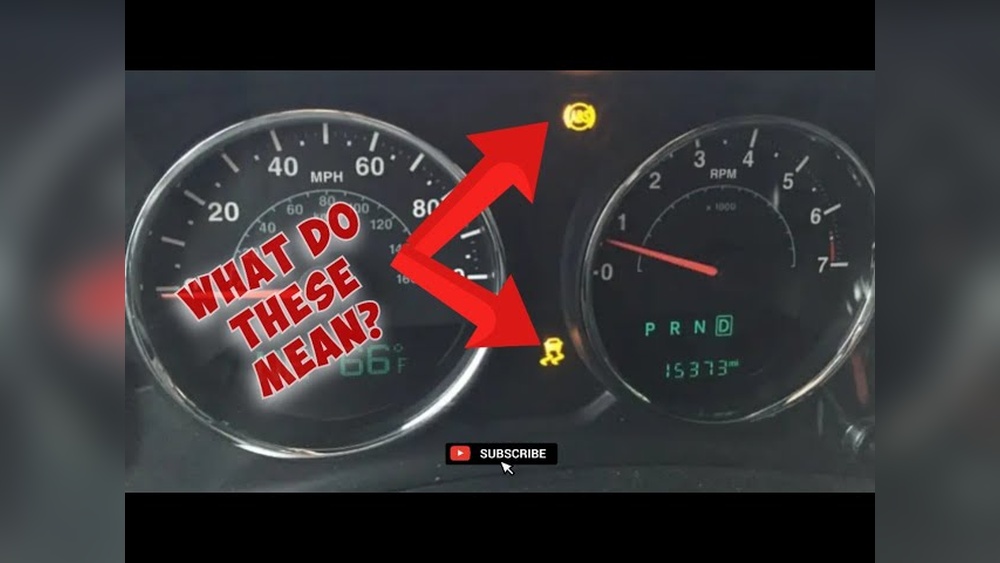
You’ll learn exactly what the ABS light means on your Jeep, the common reasons it turns on, and what steps you should take next to keep your Jeep safe and running smoothly.
Don’t wait understanding this warning could save you from costly repairs and keep you in control on the road.
Abs Light Basics
The ABS light on your Jeep signals a problem with the Anti-lock Braking System. It may mean a faulty sensor or low brake fluid.
Driving with the light on can risk wheel lock during braking.
Purpose Of The Abs Light
The ABS light on your Jeep tells you about the anti-lock braking system. This system helps stop your vehicle safely by preventing the wheels from locking up.
The light turns on to show the system is working or to warn you about a problem. It keeps you informed so you can drive safely.
When The Abs Light Activates
The ABS light usually comes on during the car’s start-up check. It should turn off once the engine runs.
If it stays on or lights up while driving, this means the system detected an issue. It can also turn on if there is a sensor fault or low brake fluid.
Ignoring the light can lead to unsafe driving conditions.
Impact On Vehicle Performance
When the ABS light stays on, your Jeep’s anti-lock brakes might not work properly. Regular brakes will still function, but the wheels can lock during hard braking.
This can cause loss of control or skidding. Drive carefully and get your brakes checked to avoid accidents.
Common Abs Issues In Jeeps
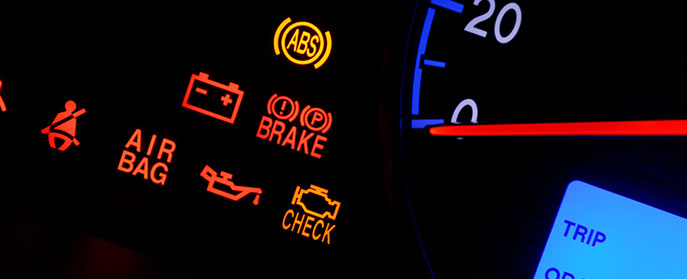
The ABS light on a Jeep signals a problem with the anti-lock braking system. This system helps keep control during hard braking.
Common ABS issues in Jeeps often trigger this warning light. Knowing these issues helps diagnose the problem quickly.
It saves time and improves safety on the road.
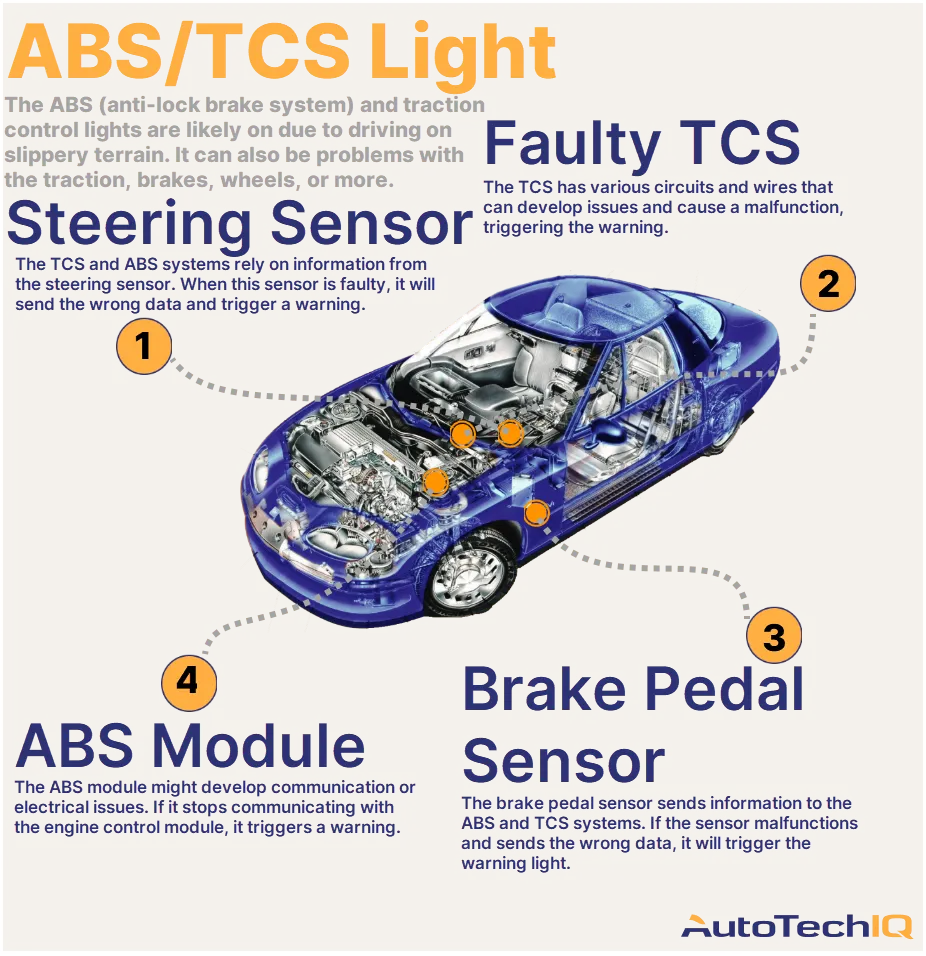
Faulty Wheel Speed Sensors
Wheel speed sensors monitor each wheel’s rotation. They send data to the ABS control unit.
Dirt, damage, or corrosion can cause sensor failure. Faulty sensors give wrong signals or no signals.
This causes the ABS light to turn on. A bad sensor may also affect traction control.
Bad Abs Module
The ABS module controls the braking system’s response. It processes signals from sensors and activates brake pressure.
Over time, the module can fail due to electrical or mechanical faults. A bad ABS module leads to no ABS function.
This triggers the ABS warning light on the dashboard.
Low Brake Fluid Levels
Brake fluid is essential for proper brake operation. Low fluid levels may cause the ABS light to illuminate.
Leaks or worn brake pads often cause fluid loss. Without enough fluid, the ABS system cannot work correctly.
Checking and refilling brake fluid is a simple fix.
Blown Fuses Or Relays
Fuses and relays protect the ABS electrical circuits. A blown fuse or a faulty relay cuts power to the ABS system.
This disables the ABS and lights up the warning sign. Inspecting and replacing damaged fuses or relays restores ABS function. It is a common and easy repair.
Troubleshooting Abs Light
The ABS light on your Jeep signals an issue in the anti-lock braking system. Fixing it quickly keeps your Jeep safe and reliable.
Troubleshooting helps find the exact problem. Start with simple checks and move to more detailed inspections. This process saves time and money.
Here are key steps to troubleshoot the ABS light on your Jeep.
Using A Scan Tool
A scan tool reads fault codes from your Jeep’s ABS system. These codes point to specific problems.
Connect the scan tool to the OBD-II port. Follow the instructions to retrieve ABS error codes.
Use the codes to guide your repair or part replacement.
Checking Wheel Bearings
Worn wheel bearings can trigger the ABS light. Check for looseness or noise in the wheels.
Lift the Jeep and try to move the wheel side to side. If it feels loose or noisy, the bearing needs replacement.
Good bearings keep the ABS sensors working correctly.
Inspecting Rear Axle Seals
Leaking rear axle seals can cause grease to contaminate ABS sensors. Look for grease or oil near the rear wheels.
Clean the area and monitor if the light turns off. Replace seals if leaks persist.
Clean sensors help the ABS system function well.
Examining Wiring And Connections
Damaged wiring or loose connections often cause ABS light issues. Inspect wires near the wheels and ABS control module.
Look for cuts, corrosion, or loose plugs. Repair or replace damaged parts.
Secure connections ensure proper sensor signals to the ABS system.
Driving With The Abs Light On
Driving with the ABS light on in your Jeep can be confusing and concerning. The light signals a problem with the Anti-lock Braking System.
This system helps prevent your wheels from locking during hard braking. When the ABS light stays on, your Jeep’s ABS may not work properly.
Understanding what this means for your driving is important.
Safety Concerns
The ABS light means the anti-lock system is not active. Without ABS, your wheels can lock during sudden stops.
Locked wheels reduce steering control. This can increase the risk of skidding or losing control.
Safety features like traction control may also be affected. Drive cautiously and stay alert.
Braking Performance Changes
Your Jeep will still brake when the ABS light is on. However, braking may feel different in emergencies.
The wheels might lock more easily on slippery roads. Stopping distances could increase.
Avoid harsh braking and maintain a safe distance from other vehicles. Adjust your driving to prevent accidents.
When To Avoid Driving
Do not drive if the ABS light is flashing or combined with other warning lights. This may indicate a serious brake issue.
Avoid driving on wet or icy roads with the ABS light on. If you notice unusual brake behavior, stop driving immediately.
Have a professional inspect your Jeep as soon as possible.
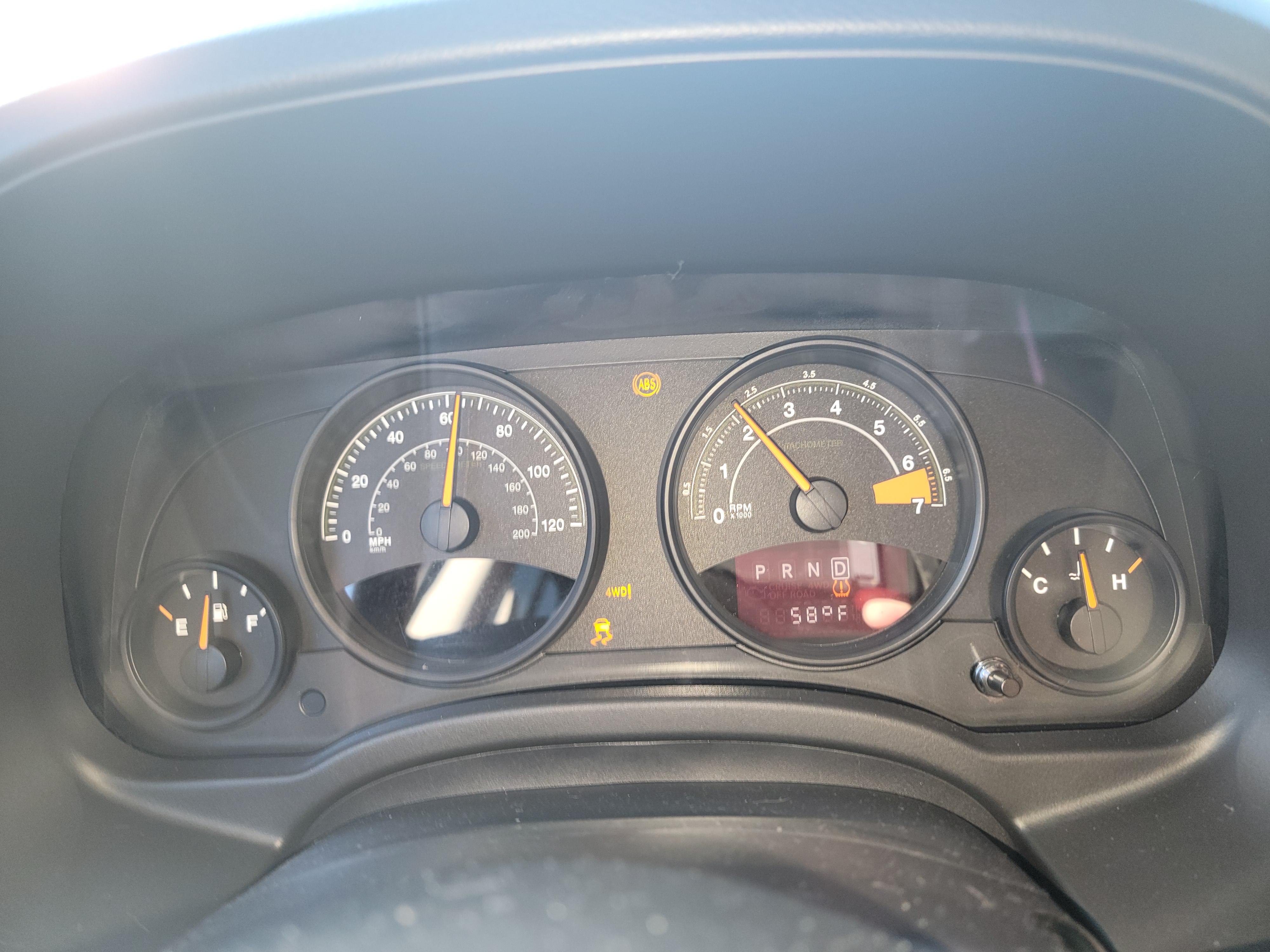
Can I Drive A Jeep With An Abs Light On?
Driving a Jeep with the ABS light on is risky. The ABS system may be disabled, increasing wheel lock-up risk during braking.
Have the system checked and repaired promptly to ensure safe braking performance.
What Causes Abs Light To Come On In A Jeep?
The ABS light on a Jeep usually comes on due to faulty wheel speed sensors, low brake fluid, a bad ABS module, or wiring issues.
Can I Drive When The Abs Light Is On?
Driving with the ABS light on is possible but unsafe. The ABS system may be disabled, increasing wheel lock-up risk during braking.
Have a mechanic inspect and fix the issue promptly to ensure safe braking performance.
Is It Expensive To Fix An Abs Light?
Fixing an ABS light can cost between $100 and $600, depending on the issue. Common repairs include wheel sensor replacement or ABS module repairs.
Simple fixes like fuse changes are cheaper, while complex problems raise costs. Always diagnose with a scan tool to identify the exact problem.
Conclusion
The ABS light on your Jeep signals a problem with the braking system. Ignoring this warning can lead to unsafe driving conditions.
It's best to check the system quickly to avoid bigger issues. Simple causes include faulty sensors or low brake fluid.
Repair costs vary depending on the problem's severity. Regular maintenance helps keep your Jeep safe and reliable.
Stay alert and address the ABS light promptly for peace of mind on the road.